 Subscriptions
Section: Argument
Honestly held opinions and provocative argument based on current events or our recent reports.
-
‘Nothing Embodies the Nightmarish Oppression of the “Liberal Elite” More Than the Vast, Impersonal, Know-All, Toxic AI Sheds’
The great Trump bubble is bursting. A frightful revenge may be the consequence. But an irreversible collapse of the MAGA movement is underway, registered on his – neither true nor social – site, Truth Social.

-
‘Glaringly Absent From Burnham’s Speech Was the Climate and Nature Emergency’
‘Andy Burnham is the crowning achievement of Zack Polanski”. In an echo of Thatcher’s famous verdict on Tony Blair, that was just one of the more colourful assessments of the Greens’ impact that were doing the rounds at its Conference. And there was more to it than mere rhetorical flourish.
-
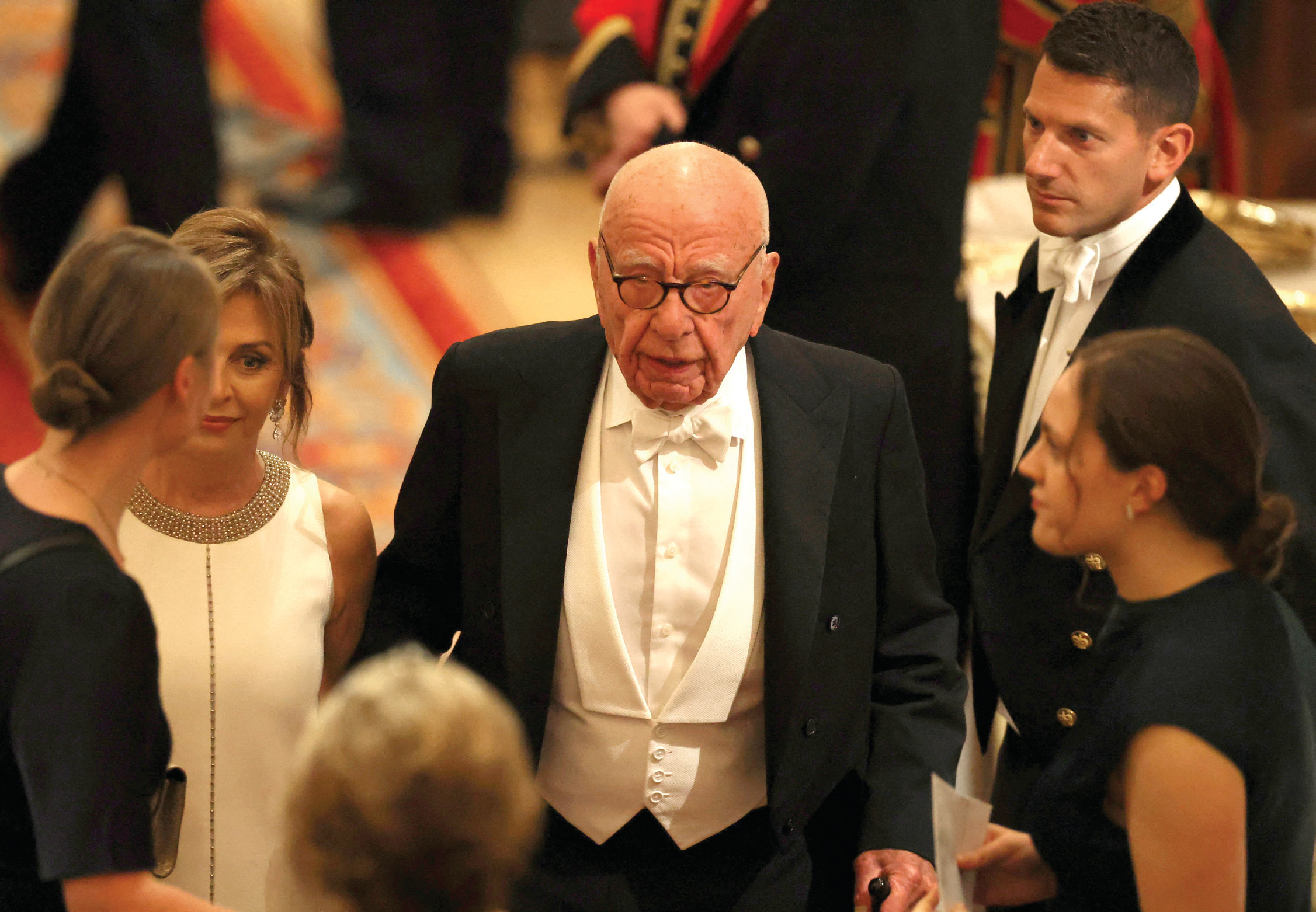
‘I Wonder What It Is About the Billionaire Media Tycoon That Has Kept Him So Appealing All These Years?’
My grandfather, Gordon Briggs, died on 18 September 2026. He was two days away from turning 95. On the day he was born, the Government abandoned the gold standard.

-
‘I Found It Easy to Pray at St George’s, Feeling the Weight of the Millions of Prayers That Must Have Been Dispatched to God’
In 1588, the year of the Armada, Philip II of Spain was the most powerful monarch in the world. Forty years later, Spain went bust with the English and the Dutch squabbling over the carcass of the first global superpower. The British Empire reached its greatest territorial extent in 1922. A quarter of a century…

-
‘Reform’s Crypto Millions Expose the Choice Facing Burnham in Rebuilding Britain’s Democracy’
Neoliberalism has always been about who controls the tenets of our political economy, writes Labour’s Clive Lewis MP

-
‘Andy Burnham Has an Opportunity to Lead the Fight Against Russian Interference’
Successive governments have failed to act against Moscow’s pernicious influence on our politics. The new Prime Minister must seize this opportunity to change that, argues former Labour MP Ian Lucas

-
‘Trump’s Russia Strategy Is Opening Himself Up to an Inevitable Humiliation’
The US President’s abject surrender to Putin’s demands on Ukraine will only end badly for the White House, argues Paul Niland

-
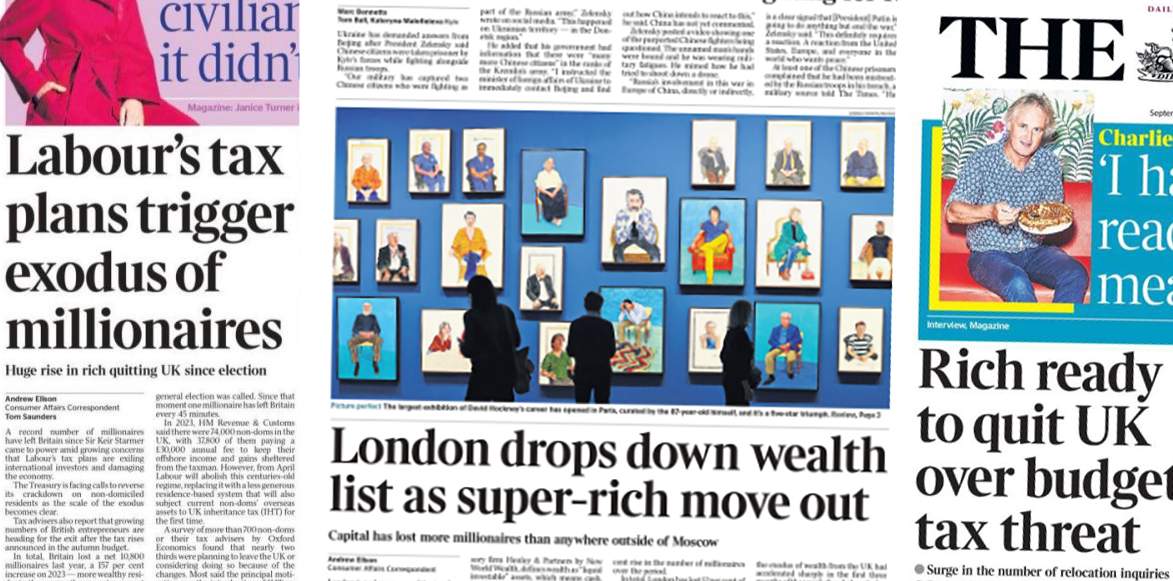
The Media ‘Manufactured’ Millionaire Exodus From UK, Campaigners Tell IPSO in Open Letter
Eleven campaign groups write to the official regulator demanding an investigation, saying eight newspapers misrepresented a discredited study in their reporting

-
A Short History of Trump’s Long-Held Connections to Russia
The President’s deep ties to Russian interests require far greater scrutiny given his ongoing betrayal of Ukraine, argues Zarina Zabrisky

-
The BBC’s Dangerous Attempt to Balance Truth With Lies
When you have one side lying and the other side trying to tell the truth, the BBC’s misguided approach to balance inevitably favours the liar, argues former BBC reporter and producer Patrick Howse

-
Russia’s Plan to Target Ukraine’s Water Supply Would Set a Dangerous Precedent
An attack on water supplies this winter would cross a new line in the war, with consequences that would stretch from Russia to Iran

-
Gaza Three Years On: The Changing Politics of Genocide Denial
Martin Shaw, who argued that Israel was beginning to commit genocide in October 2023, examines the tensions between recognition and denial as the Burnham Government tries to reset its Palestine policy.
-
‘Why Andy Burnham Will Ultimately Back Rejoining the EU’
The logic of the Prime Minister’s argument that Brexit has done more harm than good only points in one direction, argues Simon Nixon

-
‘Andy Burnham’s Plans to Make Britain Great Again Are the Polar Opposite of Trump’s’
If Burnham succeeds where Trump has failed, the whole MAGA agenda will be exposed, argues Alexandra Hall Hall

-
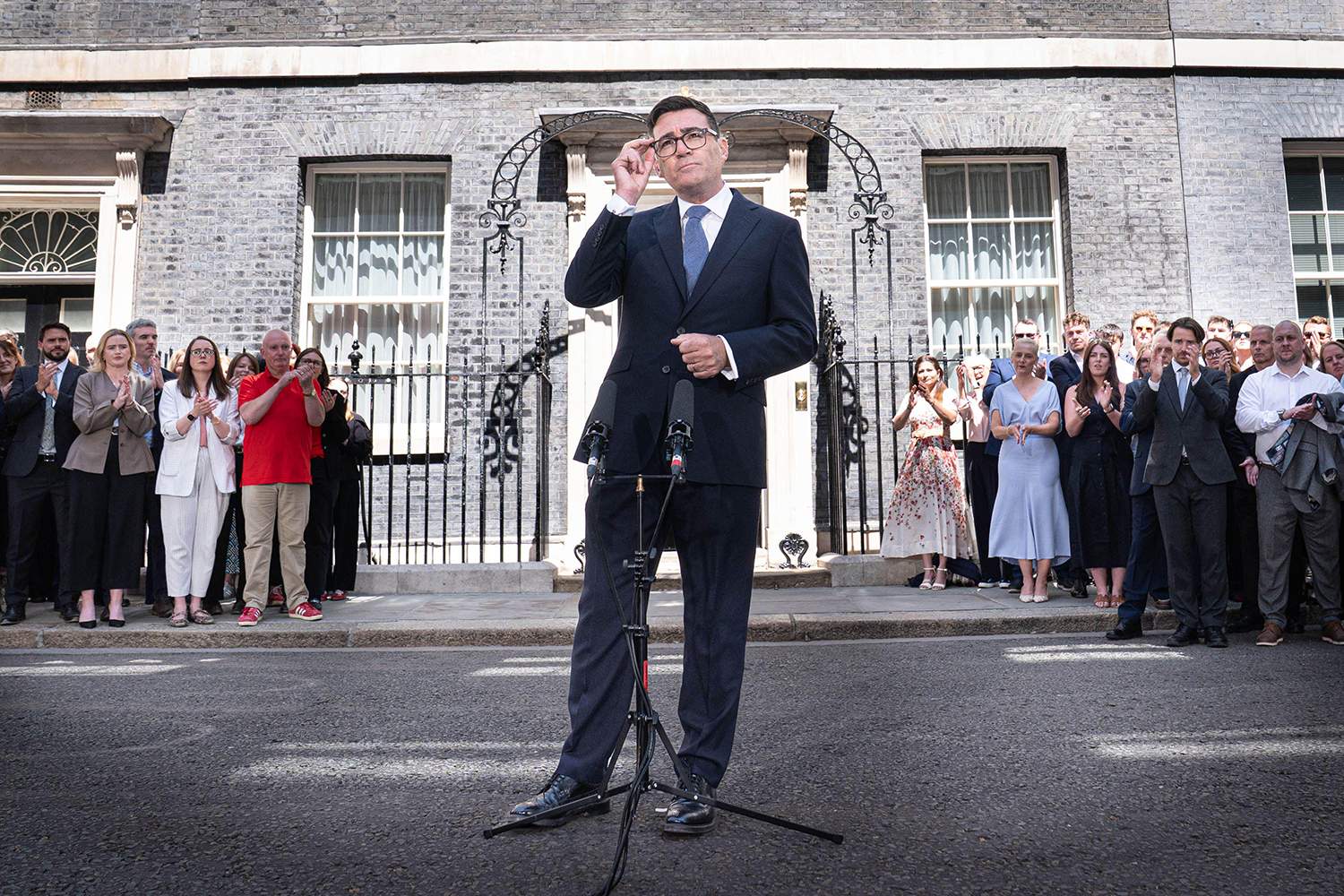
Andy Burnham’s Labour Conference Speech Offers a Clear Break From the Politics of Despair
The Prime Minister’s emotional and expansive speech opened the door to a genuine shift in our politics, argues Adam Bienkov

-
‘Almost Started A War’: Trump Administration’s AI Policies Are Hurtling Towards Catastrophe
The same technology marketed as the only way to defend the US from China militarily may be the very thing that starts a war with them in the first place, reports Caroline Orr Bueno

-
‘A Problem With Liberal Democracy Is That, Though It Prides Itself on Tolerance and Honesty, It Colludes With Intolerance and Lies’
I’m really pleased that, after years of persistent effort, Josie Appleton, director of the Campaign for Freedom in Everyday Life, has finally got serious mainstream media coverage. She fights valiantly against what seem like minor injustices.

-
‘For Once, the Record Shows the Real Farage’
I spent 30 years in Republican politics – which means I spent 30 years with men who, to put it mildly, had a certain moral flexibility on campaign finance laws.
-
‘Weren’t Those Black-Clad Lads on That Dover Train So Terribly Polite?’
The fascist loves balance. He won’t admit he does. He’ll rage about the weakness of the liberal media and lying press. But he loves balance.
-
Why Canada Could End Up With a Better Deal With the EU Than the UK
As the UK continues to hesitate over drawing back towards the EU, Canada has spotted an opportunity, argues former diplomat Alexandra Hall Hall
-
‘Israel’s Shrill Attack on Ed Miliband Exposes Its Weakness’
Alexandra Hall Hall, a former UK diplomat who worked on the Middle East Peace Process in the Foreign Office, argues that Israel’s extreme response to the UK shows it is now losing the argument

-
‘A Cap on Donations Is Not Anti-Union — It Is Anti-Oligarchy’
New Electoral Commission figures show £14.2 million flowed into party coffers in three months, one day after ministers finally admitted mega-donations are a problem

-
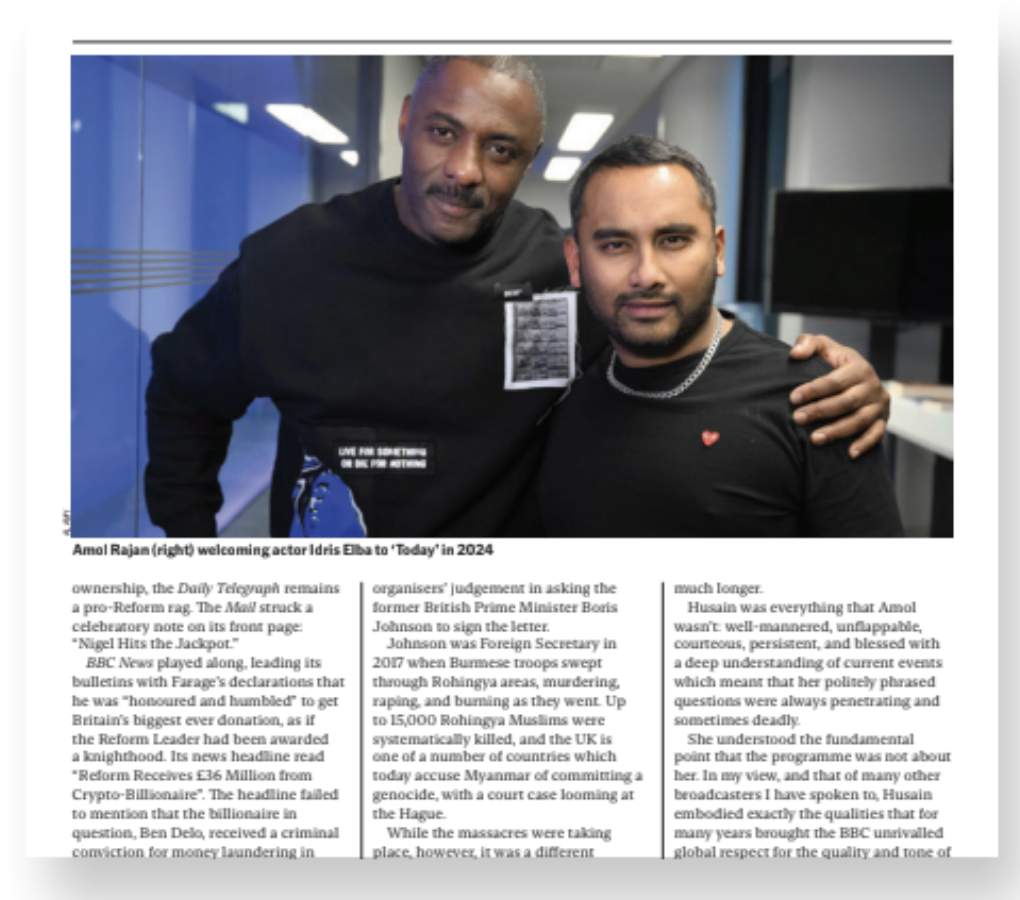
The BBC Is Just Nodding Along
The corporation’s news coverage has lost its soul as a bulwark against unaccountable power and extremism, writes a former BBC News producer

-
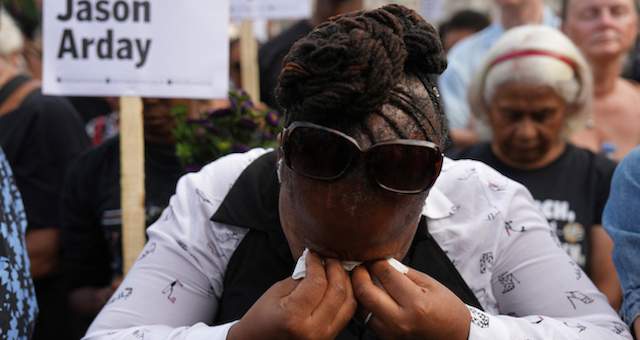
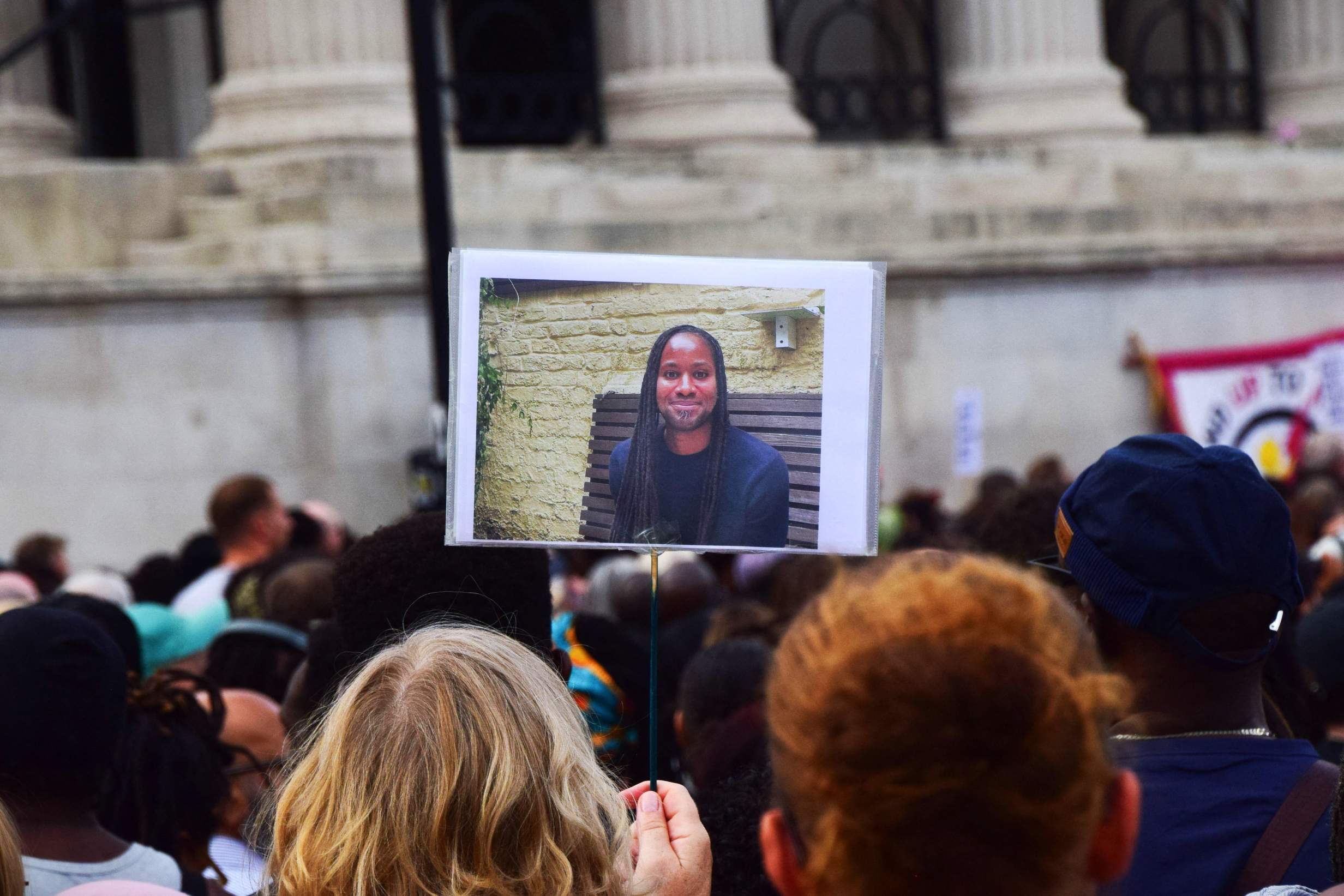
‘Our Anger Over Jason Arday’s Death Is Not Enough’
As Cambridge University launch an inquiry into the case of Professor Arday, led by former Chief Prosecutor Nazir Afzal, Richard Sudan from The Voice argues his death must inspire action, accountability and lasting change

-
‘The 2026 Plan to Steal This Election, and All Those After’
If Republicans fail to hold onto the House or Senate in the 2026 midterms, Brynn Tannehill comes to the conclusion that they will reject the results
-
‘No Man is an Island’ When it Comes to Care
Culture is just as important as policy in reforming the social care sector, writes Stephen Unwin

-
‘A Polar Bear on an Iceberg? Here’s This Picture of Catastrophe and You’ve Totally Depoliticised It’
The climate crisis can’t be solved without a commitment to fighting injustice at the same time – Asad Rehman, chief executive of Friends of the Earth, sat down with Hardeep Matharu to explain why
-
‘It Never Comes Up on the Doorstep’
A ban on barbecues to tackle the heatwaves? It’s a worrying signal on where Andy Burnham and his Chancellor’s priorities lie, says Labour’s Clive Lewis MP
-
Notes on Now – The AI Reveals Itself
I used the much recommended Chinese Large Language Model Kimi K2 to search for prime ministers talking about a written constitution. It told me that in 2008 “Gordon Brown said ‘I personally believe that the time has come for us to do what many other democracies have done and write down the rules governing our…

-
Mandrake – Out in the Cold
Nigel Farage was conspicuous by his absence among the great and maybe not so good who attended the News Corp boss Lachlan Murdoch’s summer party at Spencer House in London last month.

-
A Letter from America – Watch the Complacency
In these sweet end-of-summer days, the Burnham Bump is a tempting lure to complacency.

-
That’s True Too – In Pursuit of Pluralism – Seeking Attention
What an extraordinary summer. Record-breaking heatwaves and drought. Deadly wildfire sweeping across Europe and beyond.

-
Peter Oborne’s Diary – Taking a Gamble
In the days when I wrote racing columns for the Sporting Life Weekender and the Sunday Express, I kept by my desk a well-thumbed copy of Lord Rothschild’s royal commission report on gambling.

-
Letters – September 2026
Submit a letter for consideration about this month’s edition by emailing the Editors: Miss Hardeep Matharu and Mr Peter Jukes on letters@bylinetimes.com
-
USS Lincoln: ‘The Ships Are Breaking Almost as Fast as the People’
Exhaustion, low morale, ‘starvation’ rations and broken equipment: Brynn Tannehill examines what the 260-day deployment of the USS Abraham Lincoln says about the limits of US power

-
Is Andy Burnham About to Create a British Constitution?
The Prime Minister has just opened the door to a radical change to how we are governed, writes Anthony Barnett. Will he now walk through it?
-
Jason Arday: We Must Rage – Rage Against the Journalism of Cruelty
The death of the academic shows the casual conversion of humiliation into entertainment by a media running on monetised hate and cruelty
-
‘Republicans Pushing the ‘Red Scare’ About Democrats Should Look First at Trump’
Trump’s kleptocratic authoritarianism is a much closer reflection of the evils of communist regimes than anything being pushed by the Democrats, argues Katherine Stewart
-
There Will Be Another Jason Arday
There is no check to fetter power when unfettered power resides in the check
-
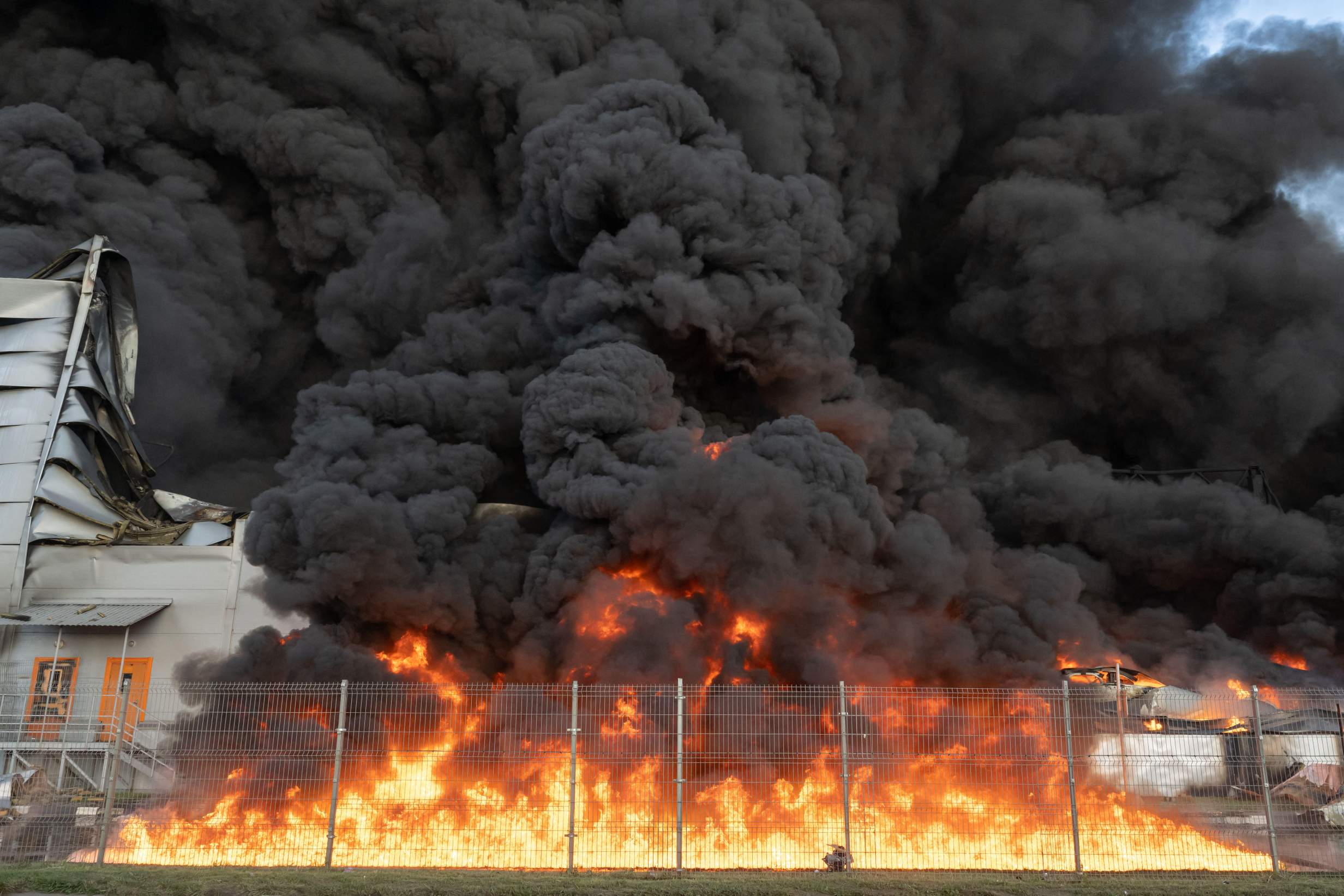
How Ukraine Is Now Targeting the Russian Economy
Ukraine’s targeting of massive warehouses belonging to an e-commerce giant aims to destabilise the banking sector and the entire Russian economy, reports Paul Niland
-
Did the Trump Administration Have a Role in the Ceuta ‘Migrant Invasion’?
Trump-aligned think tanks have previously advocated using Ceuta to exert pressure on Madrid, reports Simon Nixon