
 Subscriptions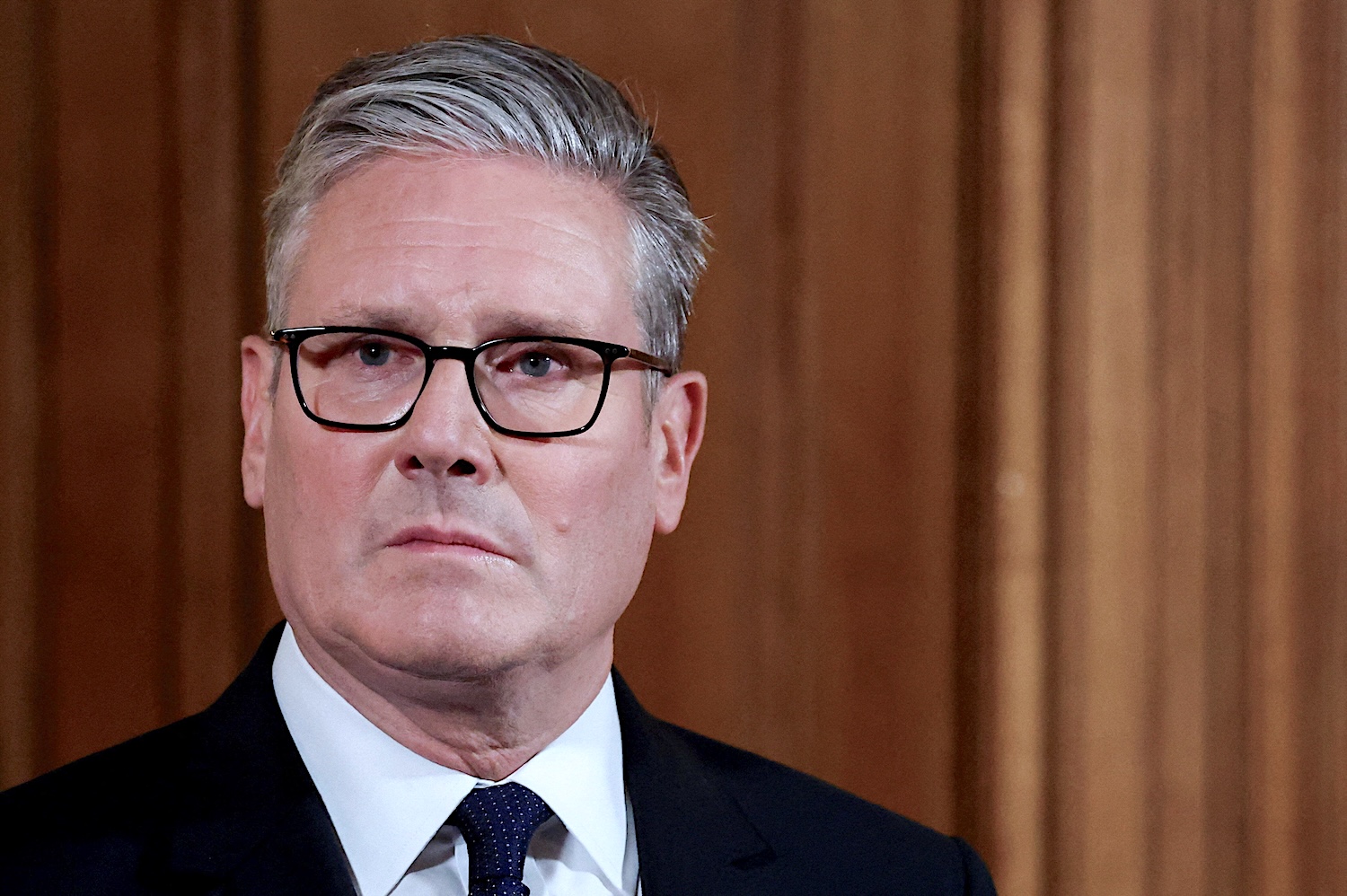
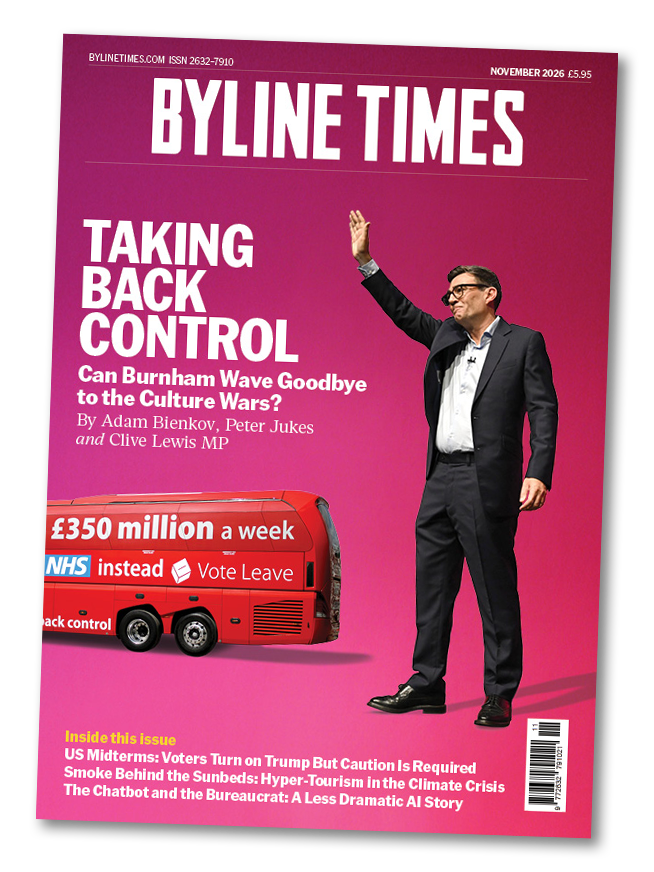
Read Our Monthly Magazine
And support our mission to provide fearless stories about and outside the media system
Labour is in crisis. Those most attached to the party’s leadership would say otherwise, and talk about last week’s losses as typical midterm blues, but crisis is the word. Labour lost Wales. In England Labour is losing in Northern strongholds such as Sunderland and in London ones like Hackney. It is shedding votes to Reform on the right and even more to the Greens on the left. In the Scottish Parliament, decline continues.
Yet for some time Labour has been having at least partly the wrong conversation. It is a problem not restricted to the internal dynamics of the Labour Party but encompassing the future of British politics that Labour’s debate has been so locked onto the who, when, how of changing leader, and far too little on the why or for what. Political manoeuvrings have weighed heavier in the public sphere than any discussion about why Labour is here and where it goes next. It is in the interests of society as a whole that Labour has a serious debate.
An increased likelihood of a transition to a new leader has indeed begun to draw out some elements of a debate, with a post-elections statement from Angela Rayner and interventions from supporters of Greater Manchester mayor Andy Burnham. An attempt to impose a cabinet coronation or keep Burnham out would shut down the first real opportunity that Labour has had to openly debate what it stands for since Keir Starmer became Labour leader.
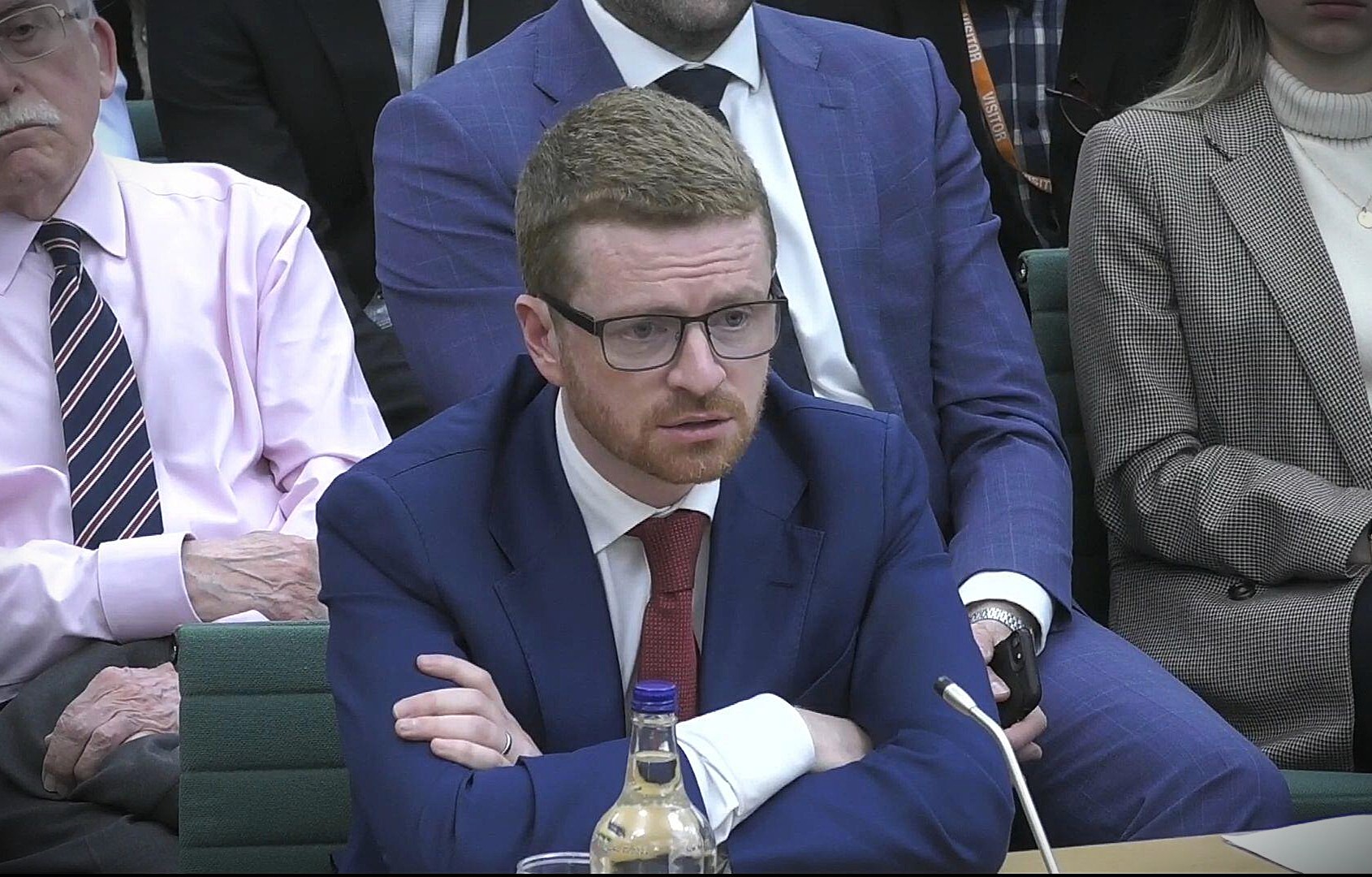
Local Election Results 2026: Morgan McSweeney’s ‘Blue Labour’ Legacy Lives On
Keir Starmer’s former adviser’s strategy of focusing on Reform-sympathetic ‘hero voters’, whilst spurning Labour’s natural supporters on the left, has led to a disastrous set of local election results for the party, reports Adam Bienkov
The Labour right’s favoured replacement for Starmer – Wes Streeting – cannot be certain of winning a leadership election against a credible soft left politician. So instead the terrain has been fixed by the officers of the party’s national executive committee. Dominated by the party’s right, they blocked Burnham, Labour’s most popular figure, from seeking selection in the Gorton & Denton byelection, objectively aiding the Green Party’s campaign there and handing them huge momentum in the council elections.
What are the origins of Labour’s current crisis? They go back at least as far as the political and economic policy choices taken by Labour’s dominant group, the party’s right, during its time in opposition. To that we must add Labour’s position on Gaza.
It was clear from before the general election that Labour’s economic policy would generate conflicts with its own base. The Reeves-Starmer plan for the economy was inadequate to the challenges of British society, both the long-term ones and those built up over fourteen years of Conservative Prime Ministers. Their programme relied on the private sector to generate investment and growth with no major programme of significantly raising public investment. It lacked any major form of redistribution; it did not propose progressive changes to tax the richest; it entailed tight public spending, against ‘tax and spend.’ With the exception of public transport, Labour made no serious proposal to expand public ownership. At a time of squeezed household incomes it had no strategy to ease the cost of living. A yawning gap opened up between the reality of life facing working class people and the programme of the party.
Labour’s economic policy accounted for the thinness of its electoral offer, which in turn accounted for the lack of public enthusiasm at the general election – temporarily masked by a big majority but with relatively low levels of popular support. Aiming to show dedication to their stability-first plans, Starmer and Reeves then immediately smashed their already weak support with the attack on the pensioners’ winter fuel payments. Even now the winter fuel fiasco is the proof point of the party’s rupture with the public. From it both Starmer and his Chancellor saw their satisfaction levels plummet.
When the Labour right fixed the selections of Labour’s candidates, its aim was to shape a parliamentary party that would back the government when all this economic conservativism collided with the interests of its voters. Even so, as those collisions began, so the left of the party began to articulate opposition – on winter fuel payments, the two child limit, welfare cuts.
The policies of the Labour right paved the way to disillusionment and anger, with its electoral base fracturing on both right and left flanks. The growth of Reform is the cause of a powerful rightward drag within British society to which the Labour leadership responds by feeding it – most notably with Keir Starmer’s ‘island of strangers’ speech. Disgust at Starmer’s concessions to the right have since helped drive parts of Labour’s base towards the Greens.
Although the crisis in Labour’s support is heavily driven by its economic policy choices it is not limited to it. As soon as Starmer gave his infamous ‘Israel does have that right’ interview about the siege of Gaza, significant parts of the population were repelled. As an issue Palestine has not gone away; indeed it has become totemic amongst many voters, crystallising a sense of moral collapse.
So Labour’s leader needs to change not simply because Keir Starmer is unpopular, but because of what made him unpopular. Only if the candidates for the leadership are prepared to show that they have diagnosed these main causes of Labour’s crisis is there any possibility of overcoming the malaise. The politics that caused Labour’s crash must be rejected, and the solutions in Labour’s leadership election debate have to reflect this.
ENJOYING THIS ARTICLE? HELP US TO PRODUCE MORE
Receive the monthly Byline Times newspaper and help to support fearless, independent journalism that breaks stories, shapes the agenda and holds power to account.
We’re not funded by a billionaire oligarch or an offshore hedge-fund. We rely on our readers to fund our journalism. If you like what we do, please subscribe.
First, Britain has suffered from decades of chronic underinvestment. A changed approach for the economy that radically boosts public investment to generate the sustained growth people need is required. That must come with more immediate measures to ease the cost of living. A mood is building in the labour movement for economic alternatives: the collective statement of Labour’s affiliated unions at the weekend called for ‘a fundamental change of direction on economic policy and political strategy.’
Second, an incoming leadership that is not honest about went so badly wrong on Gaza and is unwilling to correct it will not be able reassemble Labour’s electoral coalition.
Third, a leadership that does not break the Labour right’s dominance will be doomed to keep making the Starmer era’s mistakes forever. Burnham’s blocking was the most extreme example yet of how Labour’s rightward journey excluded a range of voices from parliament – figures on the left, the soft left and with trade union backing. Central to that was the alliance between the leader’s office and the right on the party’s executive, principally Labour First. It represents political death by atrophy.
The debate that Labour needs must break out of the deadening limits of the recent past.
Many of Keir Starmer’s critics within the party settled on a formula that says Labour needs to tell a better story and dispense with mistakes. To paraphrase, Labour is doing good things like the Employment Rights Act or public ownership on the railways but these are obscured by errors, and Labour is too apologetic about its most Labour things. As a line it has its uses but ultimately it is the wrong way round. The problem is not that Labour’s programme is basically good but hindered by errors, but rather that its most fundamental choices – primarily on the economy – were wrong, and these drove the most damaging mistakes, such as the cuts.
The fundamental positions that have caused Labour’s crisis have to change.