Subscriptions
Year: 2025
-
‘Keir Starmer Must Stop Chasing Reform’s Cruelty and Embrace the Compassionate Politics His Own Voters Demand’
New polling suggests a progressive majority could come back to Labour if the PM embraces a more compassionate form of politics, argues Jennifer Nadel

-
Why Is the Government Really Refusing to Investigate Russian Interference in Brexit?
Keir Starmer’s decision to exclude Russian interference in the 2016 EU referendum from his inquiry into foreign interference in our elections should ring alarm bells, argues Sergei Cristo

-
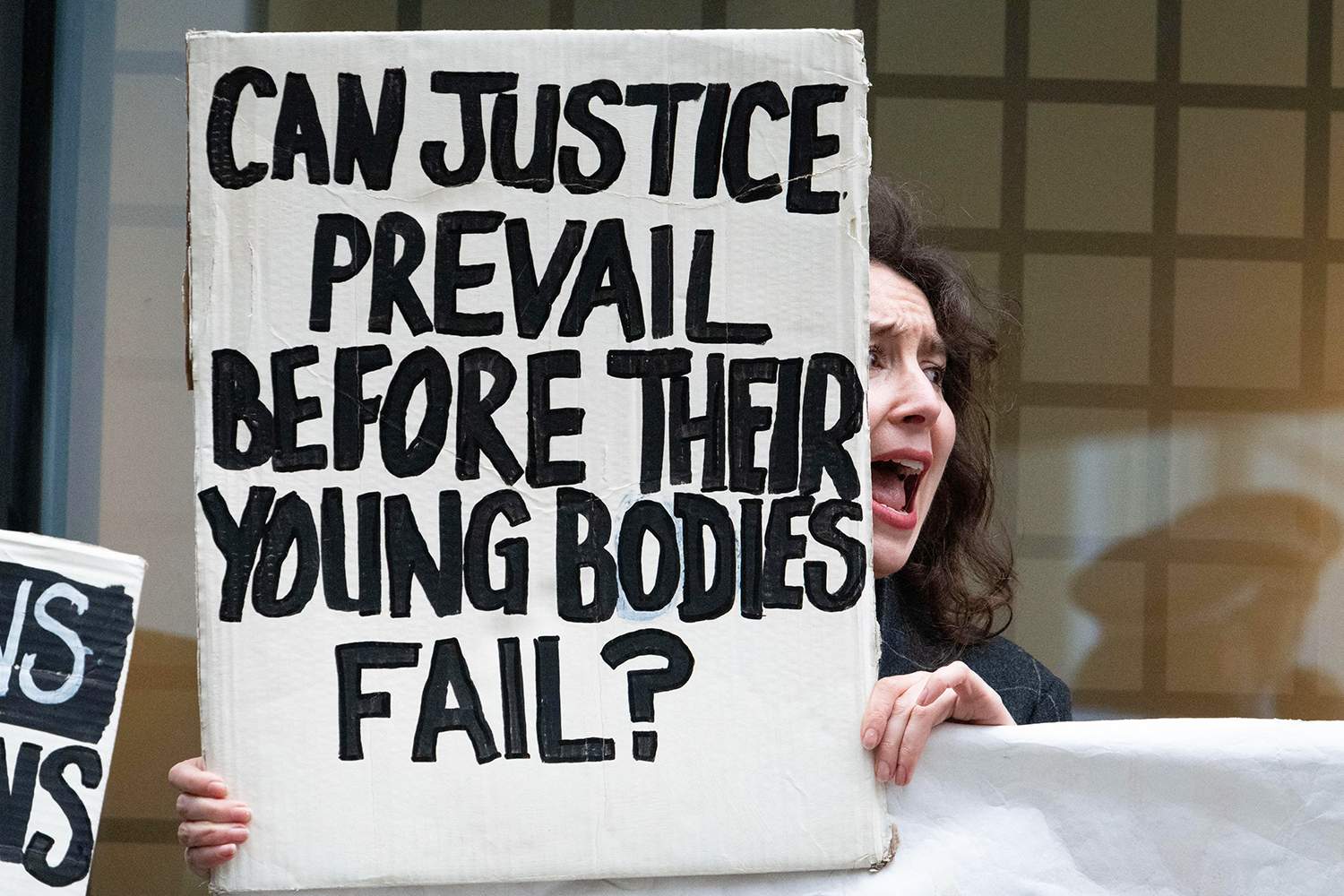
Families of Palestine Hunger Strikers Beg for Meeting With David Lammy as Their Conditions Deteriorate
Ministers have so far refused demands to negotiate with the hunger strikers, as the risk of them dying in prison increases

-
‘They’ve Ruined Christmas’: Nigerian Student Blocked By Home Office From Visiting UK Family for Holidays
British academic and his Nigerian wife repeatedly stopped from hosting family members, including at their own wedding, due to visa restrictions brought in by Keir Starmer’s Government

-
I Met Migrant Women in Calais Hoping to Reach the UK and This Is What I Learnt
It is time to move away from a politics in which cruelty is always portrayed as “toughness” and moral abdication as “realism”, argues Green Party Deputy Leader Rachel Millward

-
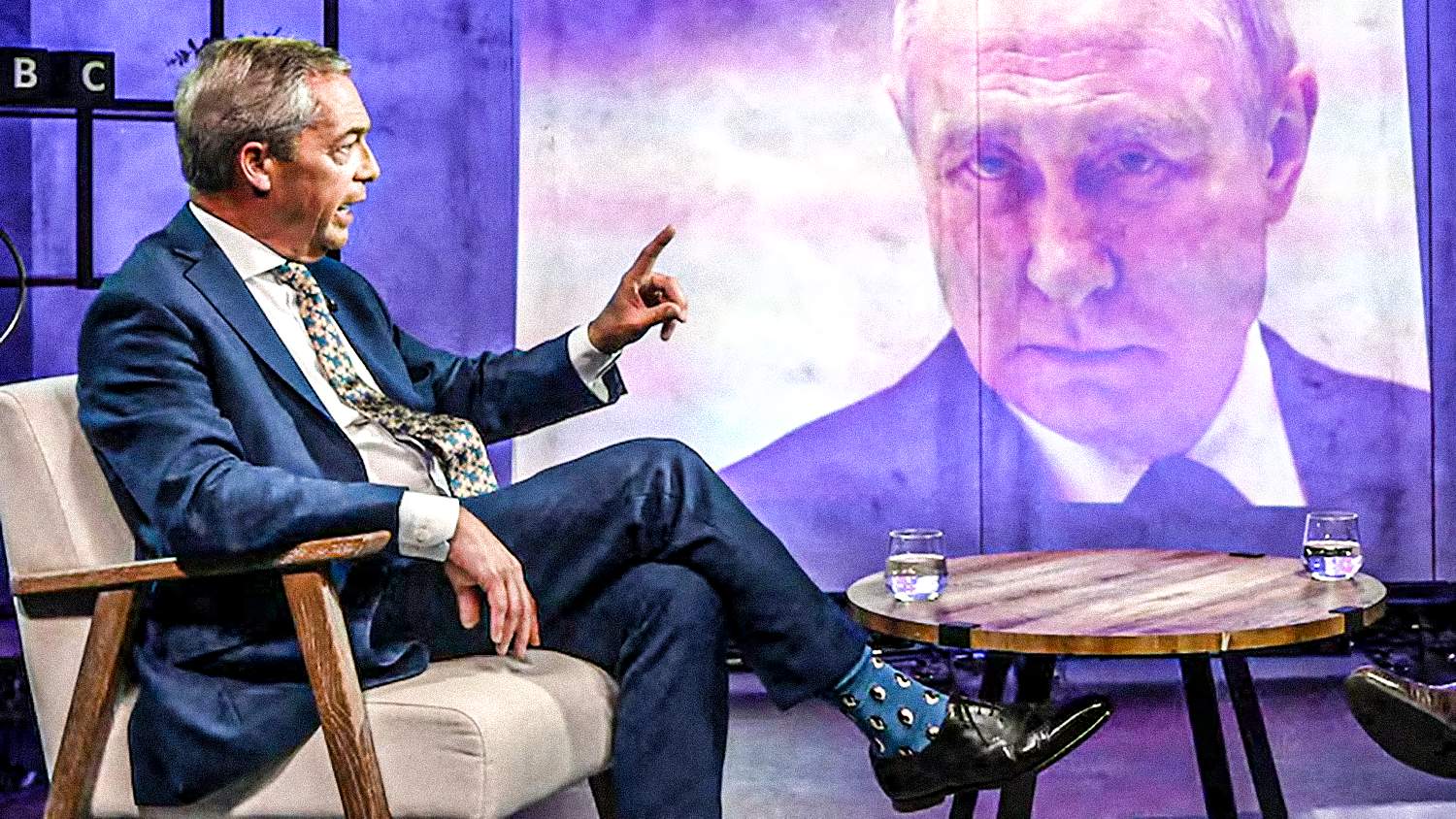
Nigel Farage-Backed ‘Raise the Colours’ Campaign Pivots to Racially Abusing Migrants and Harassing Aid Workers on French Beaches
Far-right activists were seen stabbing dinghies and releasing dogs to intimidate migrants and aid workers
-
Keir Starmer Is Setting a Trap for Nigel Farage With Foreign Interference Inquiry
As Reform opens the door to crypto donations, the Government is finally starting to take action against the threat of foreign financial interference in our politics, reports Adam Bienkov
-
Nigel Farage’s £9m Donor Profits From Putin Propaganda Platform While Holding MoD Stake
Reform UK’s biggest donor is profiting from ties to a pro-Kremlin platform that hosts a Russian intelligence-backed influence operation
-
The World Upside Down: How a Top Official at Trump’s FBI Laundered Far-Right Disinformation
The United States’ entire security apparatus is now being used to spread far-right propaganda rather than tackle genuine threats, reports Caroline Orr Bueno
-
What Putin Really Wants From Trump’s Ukraine ‘Negotiations’
For the Russian leader, Trump’s proposed ‘peace deal’ is merely a way to continue his war by other means, writes Denis Mikhailov

-
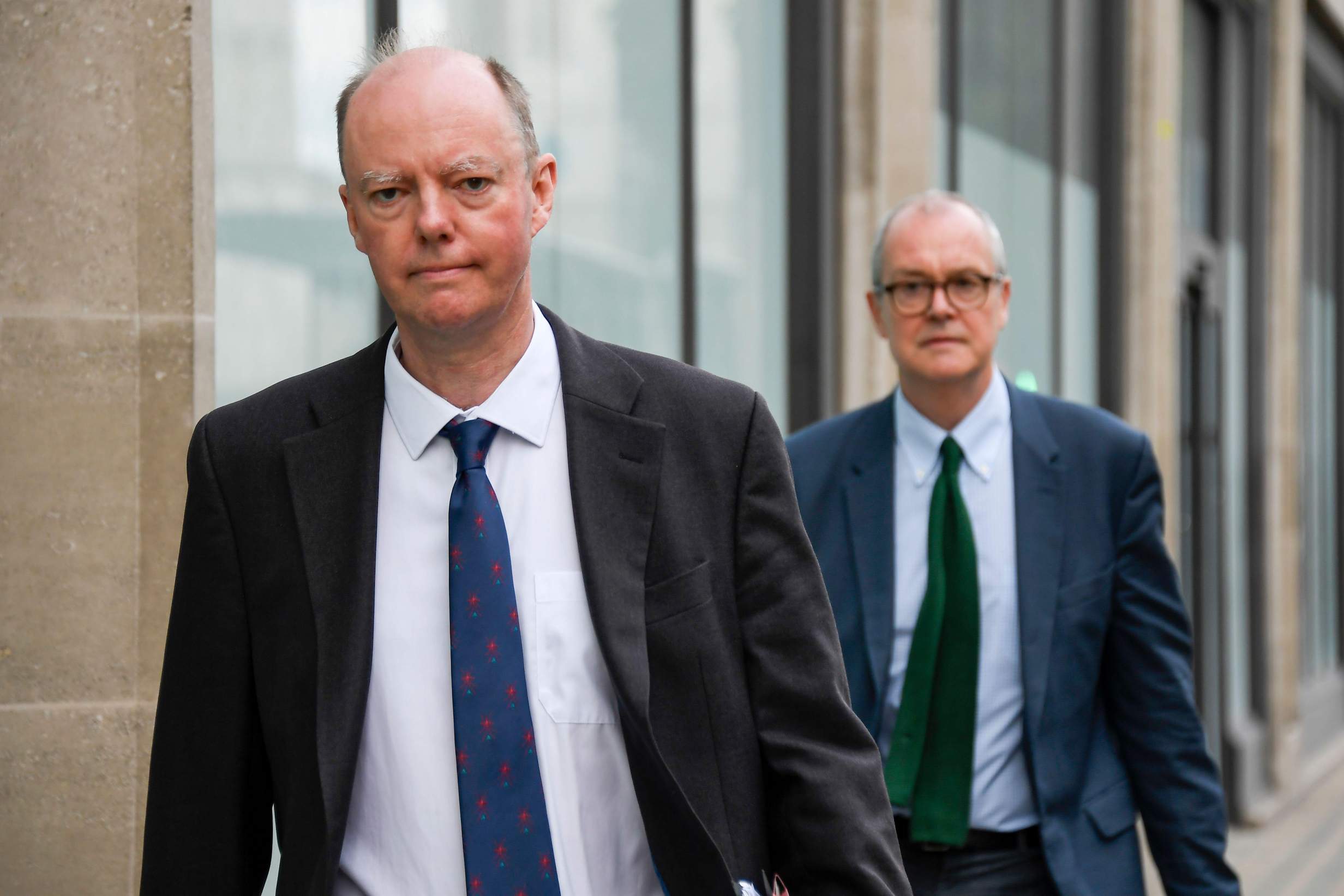
The Covid Inquiry – 230,000 Deaths and the ‘Calculated Silence’ of the Medical Establishment
The Covid Inquiry’s second report has helped expose the UK’s ‘closed club’ approach to dealing with the pandemic – which cost so many people their lives, writes former WHO director Anthony Costello

-
How Luxury Lost Its Lustre
The decline and hollowing-out of popular luxury fashion is a parable of late capitalism. Iain Overton reports

-
Beyond Nostalgia – The Left Needs a Lasting Vision Our Lost Society Can Latch On To
James Bloodworth explores how and why the left abandoned its previous capacity to imagine the future – a vacuum into which the populist right has readily stepped

-
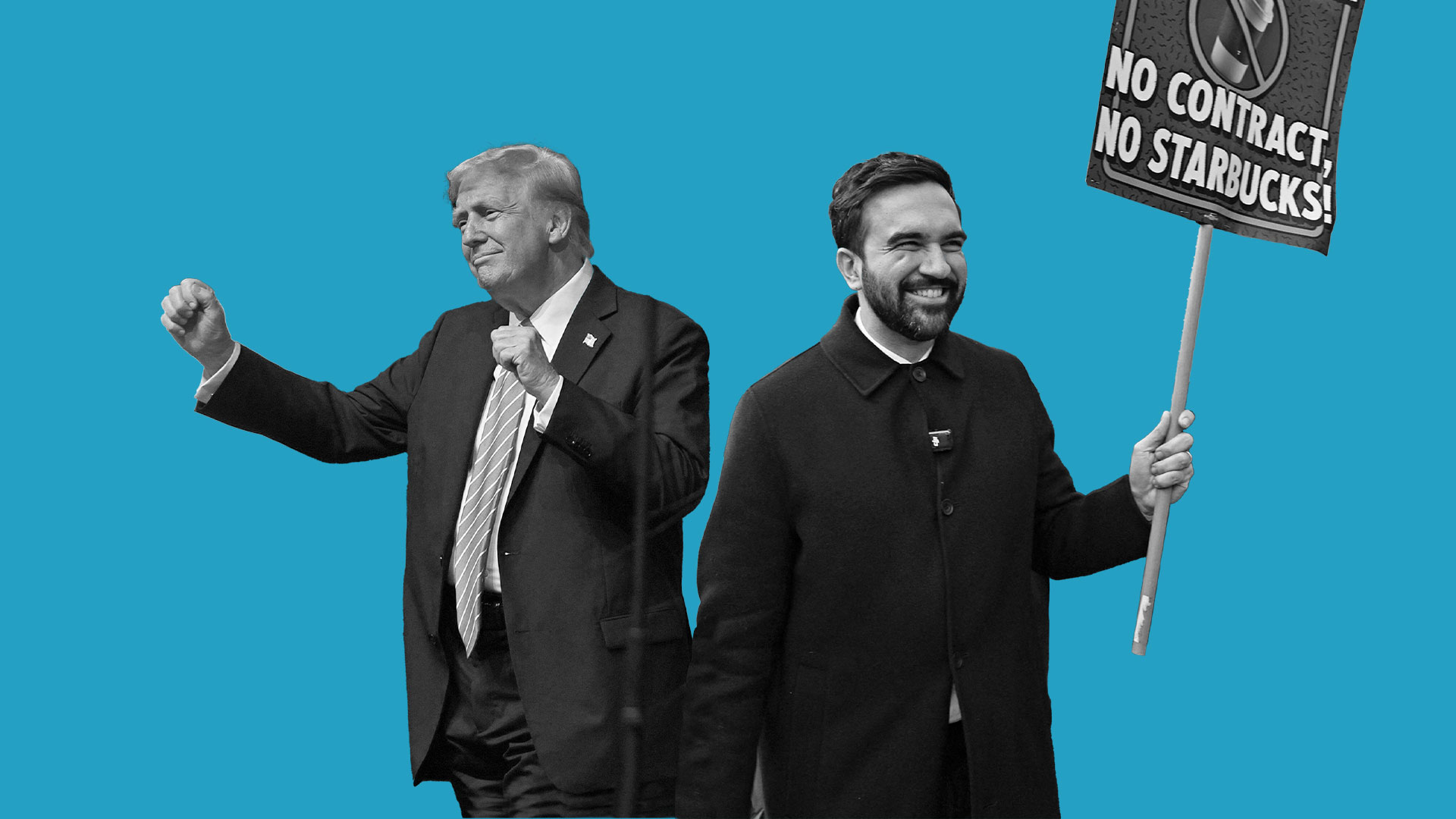
Fun and Joy Are Very Powerful Political Forces
In the turbulence of the post-2008 financial crisis period, in the UK and the US, there was the emergence of a range of political figures who previously would have been nowhere near formal politics.

-
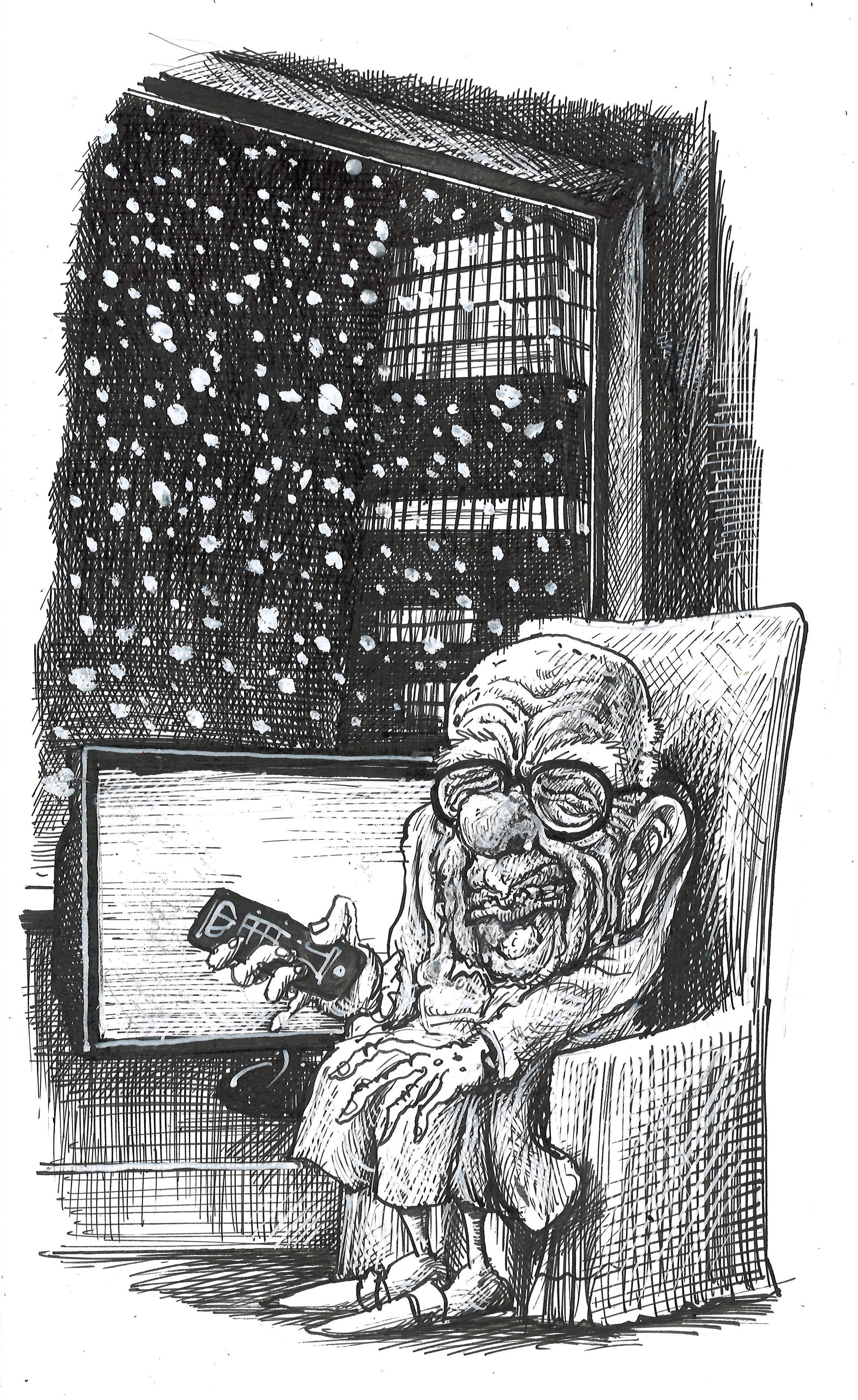
A Red Top Christmas Carol
Rupert Murdoch, whose very name struck fear into the hearts of editors from Mayfair to Melbourne, sat alone in an office high in the News UK building.
-
Normalise as a Neighbourly Concern
Nationalist vigilante ‘street patrol’ groups are falsely claiming to be working with the police while seeking to infiltrate local school networks to “protect” women and children, Byline Times can reveal.

-
Nathan Gill Sentenced: The Tip of the Iceberg of Russia’s European Interference
The conviction of the former Reform UK Leader in Wales for accepting bribes to advance Russian propaganda pales in comparison with the vast covert Kremlin operations that have long been reshaping our political landscape, writes Sergei Cristo
-
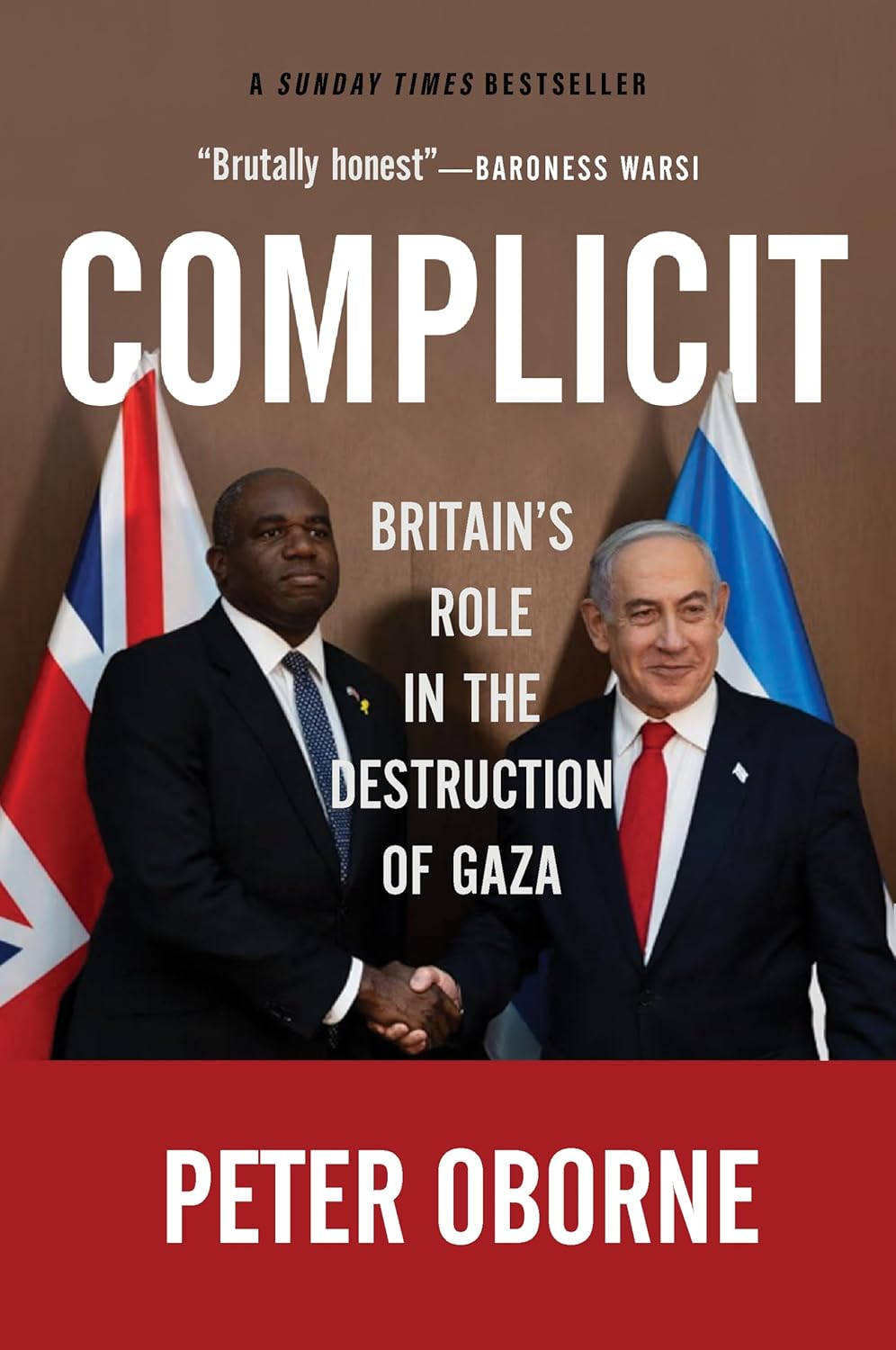
How Britain Political-Media Machine Enabled Slaughter in Gaza
In Complicit: Britain’s Role in the Destruction of Gaza, Peter Oborne assembles a detailed historical catalogue of the evasions, distortions, and decisions made by Britain’s political-media establishment.

-
‘History is Not History When It Is Happening’
Mainstream history rarely tells us what we actually want to know about the past; what it felt like to be there. It may give us facts, but it stops short of situating us imaginatively in the past.

-
How the Light Gets In
This time last year, I spent a memorable 40 minutes in a recycled whisky barrel buffeted by a brisk winter wind wearing nothing but a swimming costume and a woolly hat.
-
‘Hope for Cynics’ (and Everyone Else)
Being told to have hope when the world feels like a dumpster fire is a bit like being asked to admire the view while the train you’re on is visibly accelerating towards a cliff.
-
For Better Or For Worse – Dehumanising Invisibility Versus Insecure Visibility
The year before carried some historic moments with the Olympic Games coming to London and the Queen’s Diamond Jubilee – both imbued with a sense of national pride.
-
For Better Or For Worse – Reclaiming a Social Imagination
As a privileged child, I just assumed things would sort themselves out. As a university student, I thought I was in the pipeline to a principled, stable career. As a young adult in the pandemic-addled restaurant industry with a hard-won but useless social sciences degree, that pipeline seemed to be out of operation.

-
For Better Or For Worse – The Fallacy of the Mean
It used to drive me mad. It could have been my Christmas post office job, or summer shifts at a record warehouse or an electronics firm, but I remember on more than one occasion a manager complaining about the quality of job applicants.

-
For Better Or For Worse – A Boring, Violent Life
As those on the right claim the UK has ‘gone to the dogs’ and life was better in the 1970s, and some on the left articulate a return to an old-school style of collective politics, our intergenerational panel asks: Is nostalgia for the 1970s justified?

-
That’s True Too – In Pursuit of Pluralism – Imagining the Possibilities
Perhaps it’s not facts that we lack, but the imagination to believe that the world could be different. And for that, we need not just the scientific experts, but the artists and writers and poets as well.

-
‘Made In Britain’: A Crafted Future?
On Kensington High Street, a few doors from the Underground, stands Japan House, London. Part gallery, part boutique, part cultural embassy, it is a masterclass in national self-promotion.
-
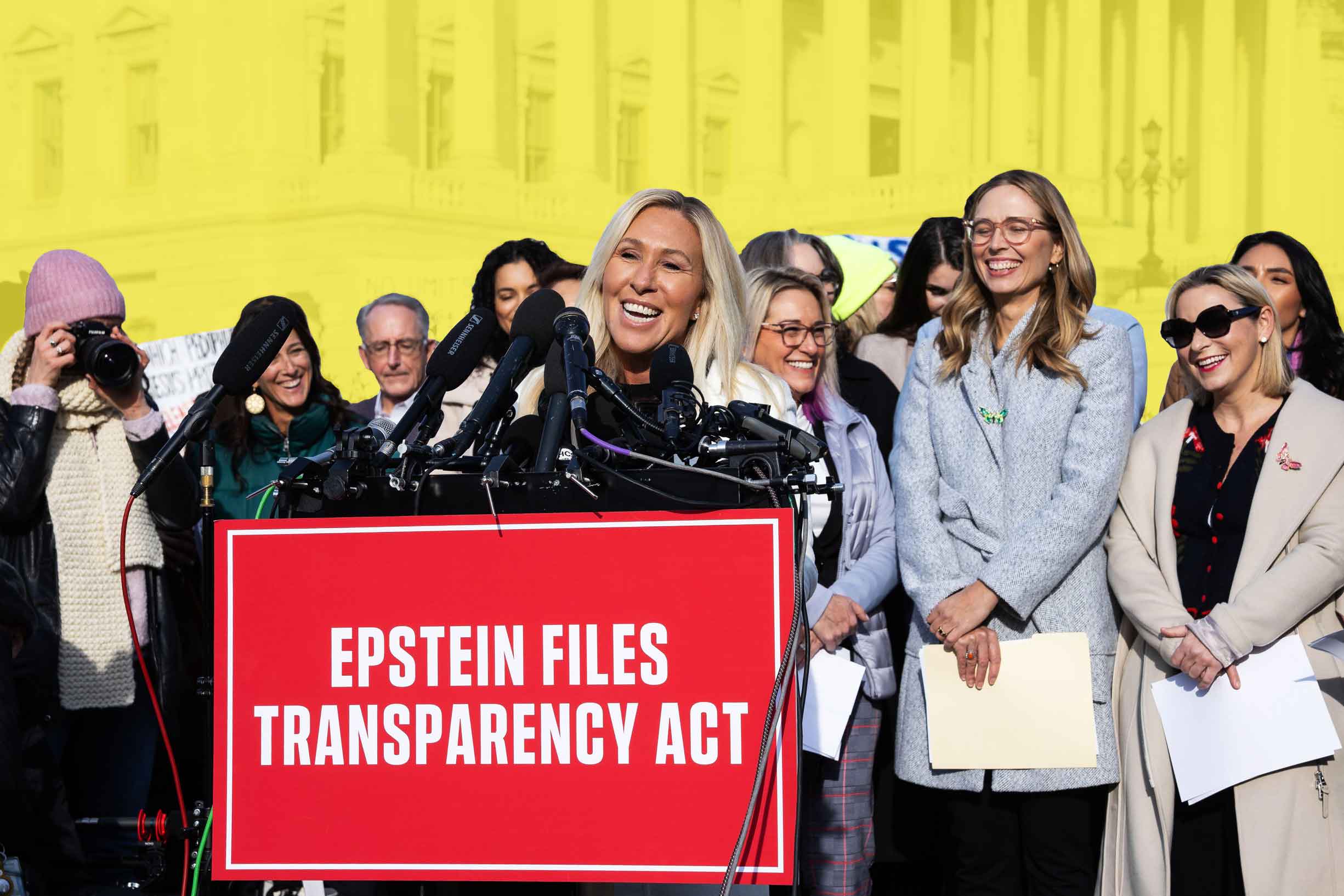
Jeffrey Epstein: Steve Bannon’s ‘Mr Fixer’
The sex offender provided strategic and financial support for the architect of Donald Trump’s ‘Make America Great Again’ movement – despite Bannon’s claims that the late financier’s crimes are part of a liberal ‘deep state’ cover-up. Nafeez Ahmed reports

-
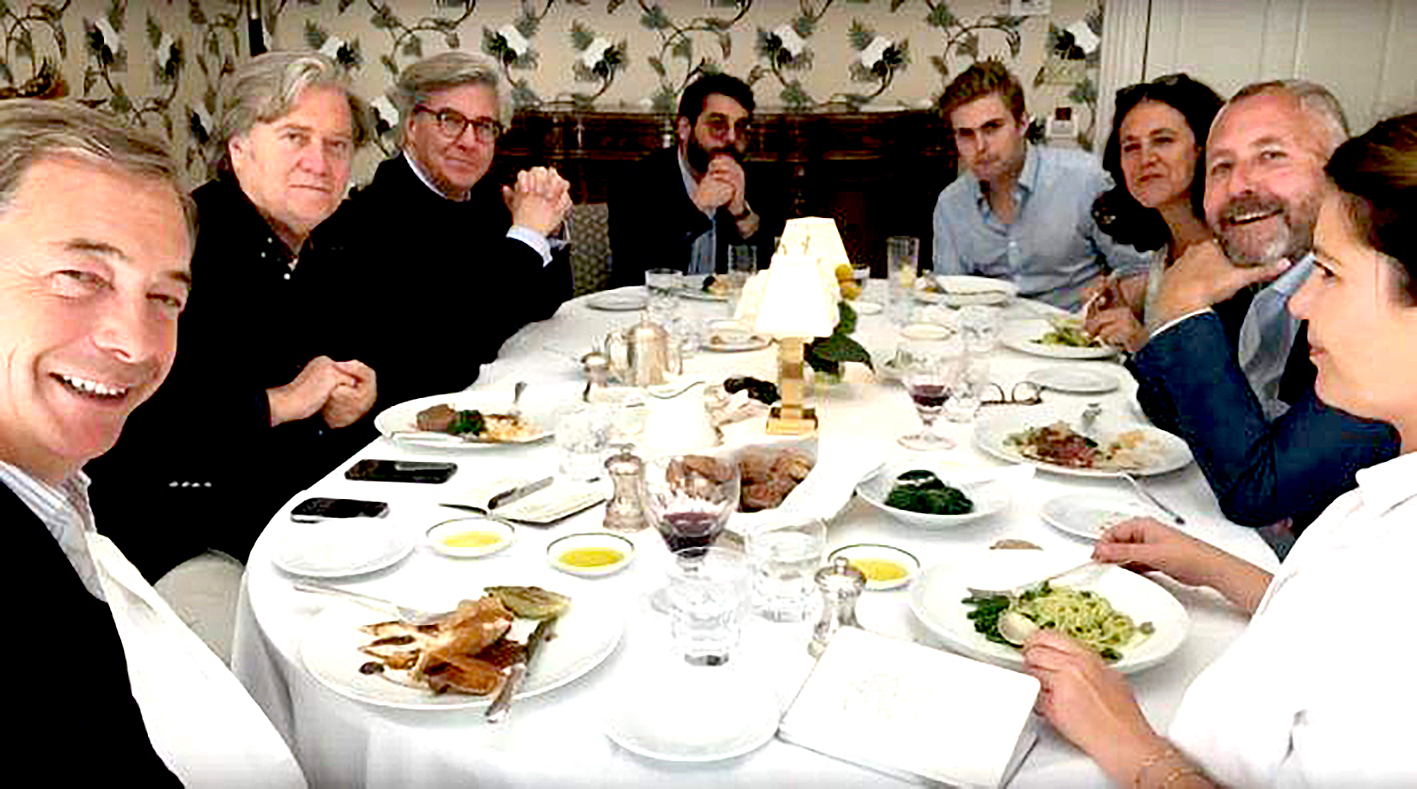
Dinner with Mr Brexit
Dinner with Mr Brexit Steve Bannon’s European ‘Revolution’ – Planned with Farage, Backed by Epstein Nigel Farage was the figurehead of the ‘Movement’, which his partner Laure Ferrari started – while Trump’s chief strategist Steve Bannon and convicted sex offender Jeffrey Epstein were providing regular support. Peter Jukes reports on new revelations in the Epstein…

-
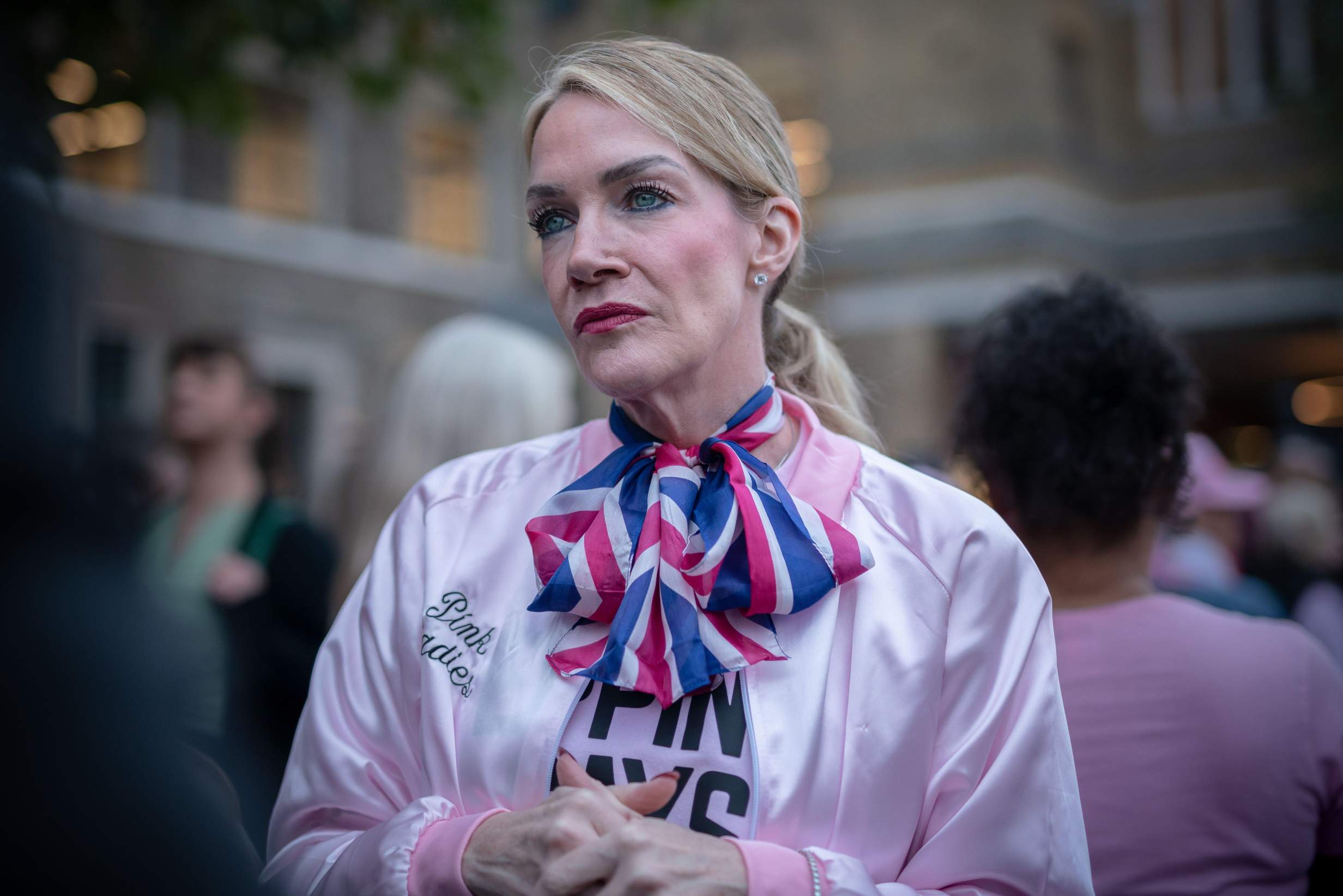
The ‘Pink Ladies’ Laundering Anti-Migrant Views Into the Mainstream
A movement funded by a far-right group and backed by Reform UK and Conservative politicians – to protect women and girls – is gaining momentum. Nicola Kelly reports

-
Is Nigel Farage a Changed Man?
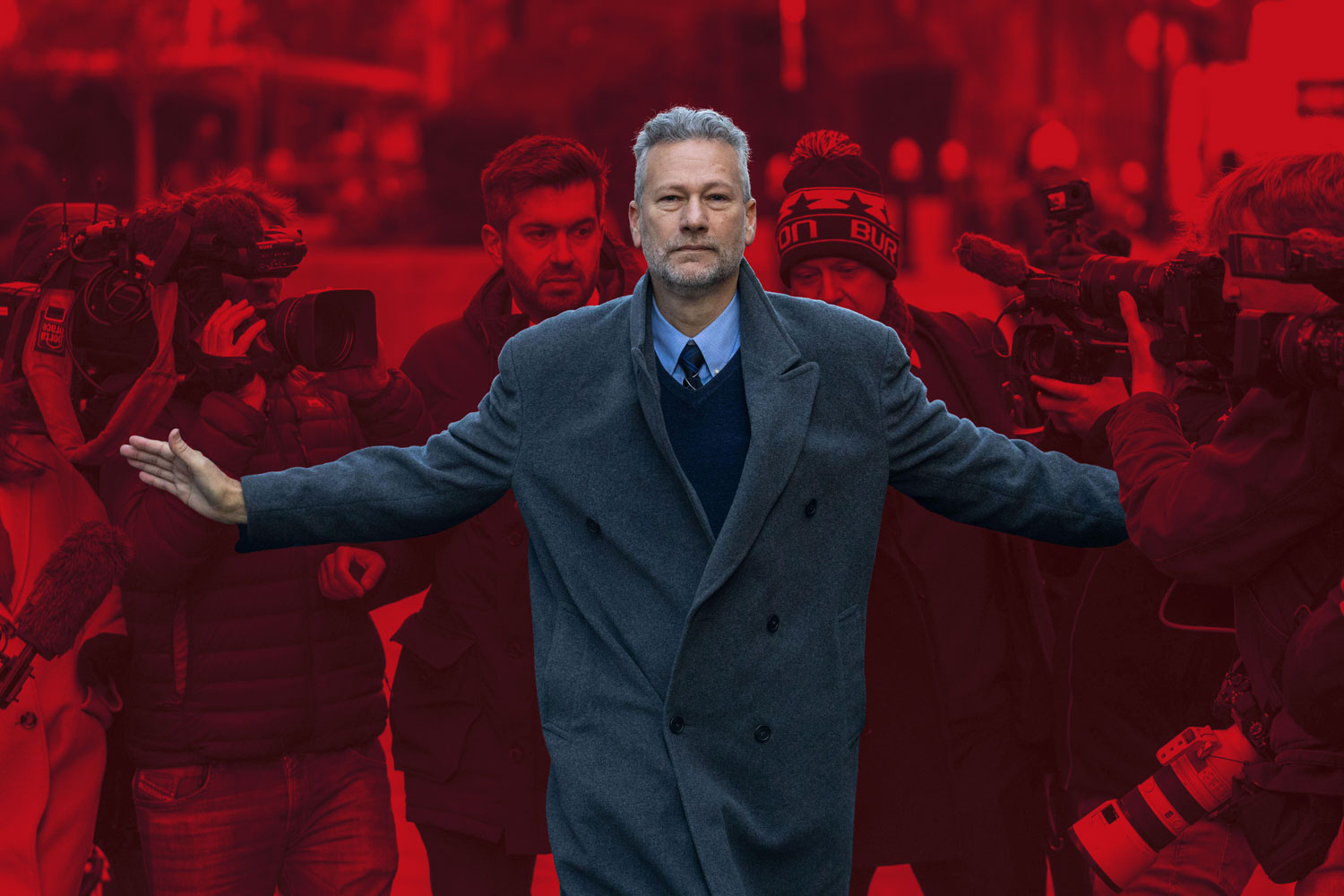
Recent revelations about Nigel Farage’s past racism merely confirm what some of us have suspected for years. Others will be hearing these allegations for the first time.
-
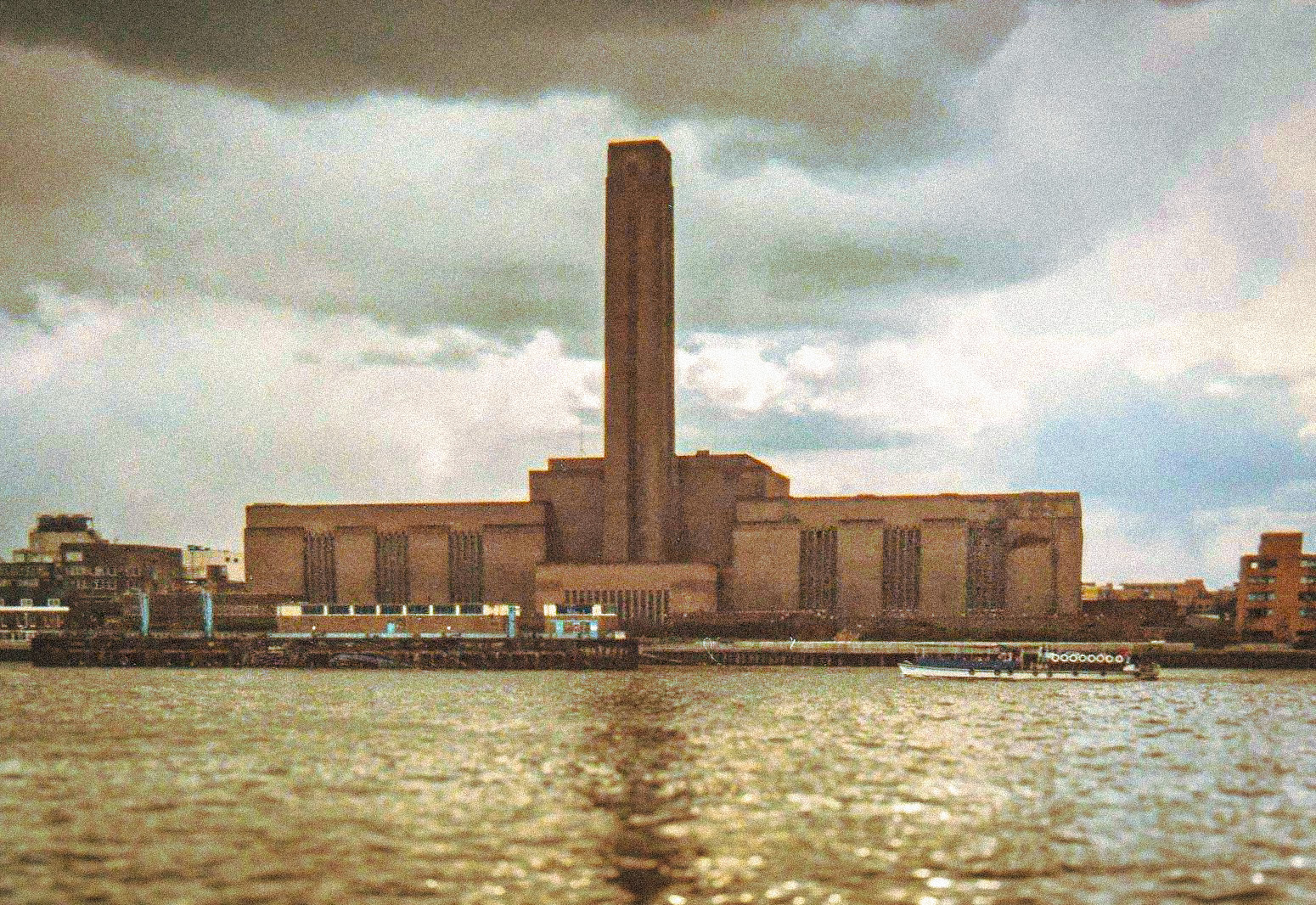
Editorial – Sanctuary
It seems quintessentially English. Though most of our subscribers are not London-based, and we have a readership from across the world, Southwark Cathedral is in effect the parish church for the area in which Byline Times’ office is located.

-
The Upside Down – Small is Beautiful
Antonie van Leeuwenhoek was the first person to see and describe bacteria – one of the key moments in the history of science, with implications that are still being unravelled.
-
Zeitgeisters – Caspar Henderson
Caspar Henderson cut his teeth as an environmental journalist working first on the BBC Radio 4 flagship programme Costing the Earth, and then as a senior editor at openDemocracy.

-
Letters – January 2026
Submit a letter for consideration about this month’s edition by emailing the Editors: Miss Hardeep Matharu and Mr Peter Jukes on letters@bylinetimes.com
-
Mandrake – Vacant Chair
Dimbleby had in the past talked about the monarchy as ‘an irrational system’ and turned down an offer to front the King’s Coronation

-
Notes on Now – Berger Lives On
On 5 November 2026, John Berger will be 100. Technically, he died nine years ago. But an explosion of his writing is being published and republished around the world, including for the first time in Armenian, the 50th language his work will have been translated into.

-
On the Record – The Truth About Nigel
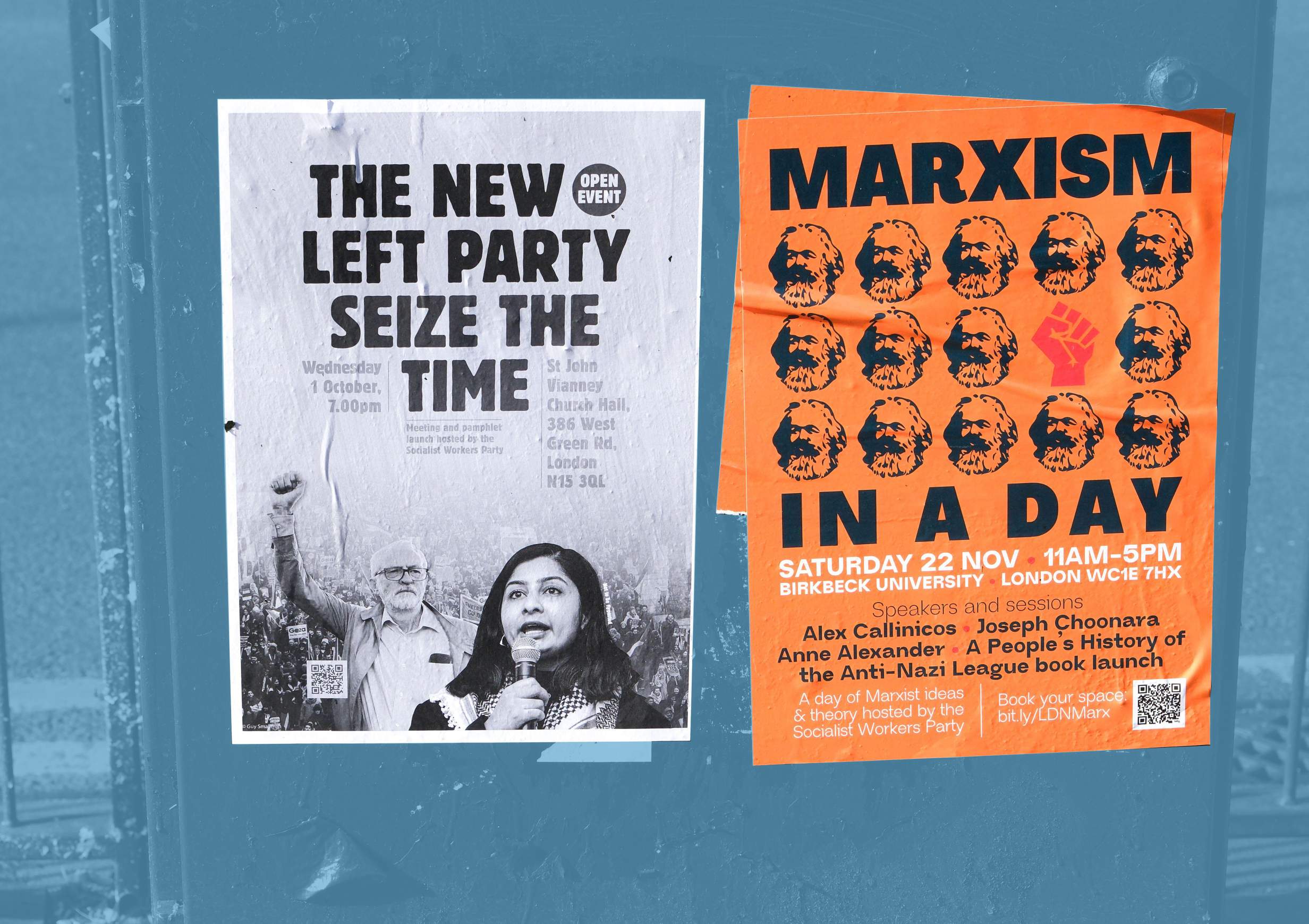
Despite what you may have read in the Marxist press, Reform UK is not a ‘one-man band’ led by an authoritarian leader who spends all his time flogging gold bullion in between popping over to Florida in the desperate hope of bumping into President Trump at Mar-a-Lago.
-
‘Lies’ and the Lobby
The Socially Exclusive World of Political Journalism that Continues to Distort the National News Agenda
-
News In Brief – Cryptic Comments
Some have claimed that “Orwell would have enjoyed the irony” of former Conservative Minister, and now Editor of the Spectator, Michael Gove, being appointed as the chair of the panel judging reporting on homelessness for the 2025 Orwell Prize, reports Max Colbert.

-
Peter Oborne’s Diary – A Dangerous Sponsor
It is becoming hard to avoid the conclusion that the United Kingdom is complicit in two ongoing genocides: Sudan as well as Gaza

-
‘The Trump Administration Must Abandon Its Delusions About Destroying the EU’
The European Union is far stronger and more united than those inside the Trumpian echo chamber have fooled themselves into believing, argues Alexandra Hall Hall