
 Subscriptions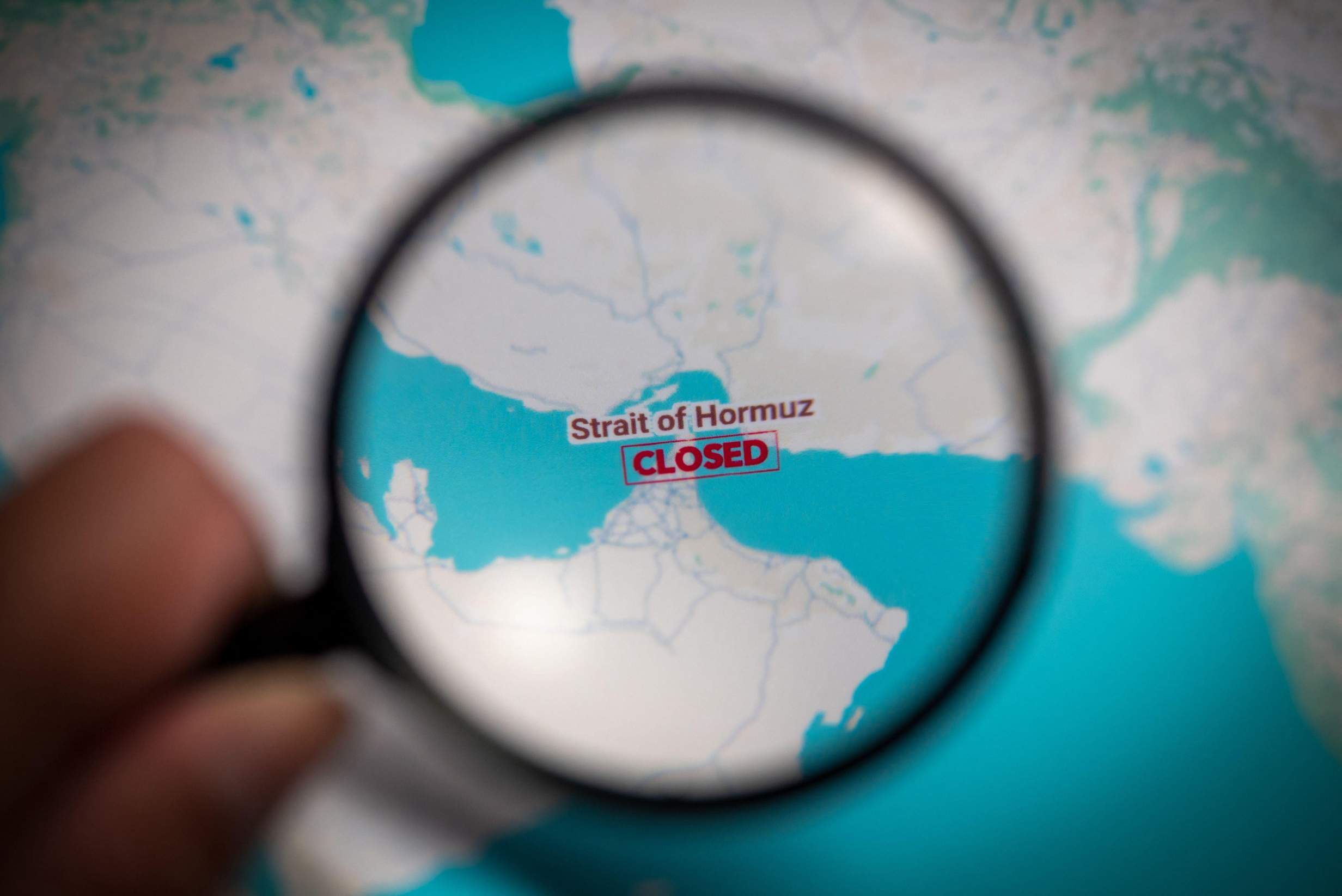
Read Our Monthly Magazine
And support our mission to provide fearless stories about and outside the media system
For three months, the Strait of Hormuz has been shut. Iran closed the narrow channel that runs between its coast and Oman when this year’s war with Israel and the United States began on 28 February, cutting off a waterway that carried roughly a fifth of the world’s oil and gas. Before the war, around 138 ships a day passed through it.
Today, the figure is close to zero. The International Energy Agency calls it the largest supply disruption in the history of the oil market. That’s a colossal understatement: it is a mortal blow to the entire fossil fuel system.
Most coverage treats this as a crisis waiting for a fix: a deal, a change of leadership in Tehran or Washington, or military breakthrough – any of which would reopen the strait and restore the old world order.
That fix is not coming. The Strait will stay closed, or half-open on Iran’s terms, because the people who could end this war no longer have the power to do so.
Most of the main actors want it to end. Yet each is held by a structure that rewards every move except the one that would reopen the channel. They lack the capacity to end it, whatever their intentions.

The Fossil Fuel System Is Collapsing – and Taking Civilisation’s Safety Net With It
The Iran war is accelerating an irreversible breakdown of a system on which every hospital, harvest and factory depends – and only a rapid transition to energy superabundance can save us, argues Nafeez Ahmed, Divyesh Desai and Sandrine Dixson-Decleve
The US Was Warned
This year, the United States and Israel chose to go to war with Iran. More than two decades ago, in the largest war game it had ever staged, the Pentagon tested a war against exactly this kind of adversary. In Millennium Challenge 2002, a Gulf force modelled on Iran, commanded by the retired US Marine Corps general Paul Van Riper, used swarms of small boats, mobile missile launchers and suicide attacks to sink 16 American warships, an aircraft carrier among them, in the opening hours – a loss that in reality would have ranked as the worst at sea since Pearl Harbour.
The commanders stopped the exercise, refloated the fleet, tied the Iranian side’s hands and ran it again to a scripted American win. The vulnerability it had exposed only grew as Iran’s arsenal of drones and missiles expanded in the ensuing years.
President Donald Trump went to war anyway. That is the typical behaviour of an empire in decline. Rome did versions of it in its last centuries, throwing legions it could no longer afford into wars against enemies it could not subdue. A power whose ruling ideology has drifted far enough from reality reaches a stage where it can no longer act on information that contradicts its carefully cultivated self-image.
Rather than adapt, it doubles down on the instrument that built it – force – and applies more of it. Each use of force exposes its own limits, and the decline accelerates. The war the US was told it could not win has left it with a strait it cannot reopen.
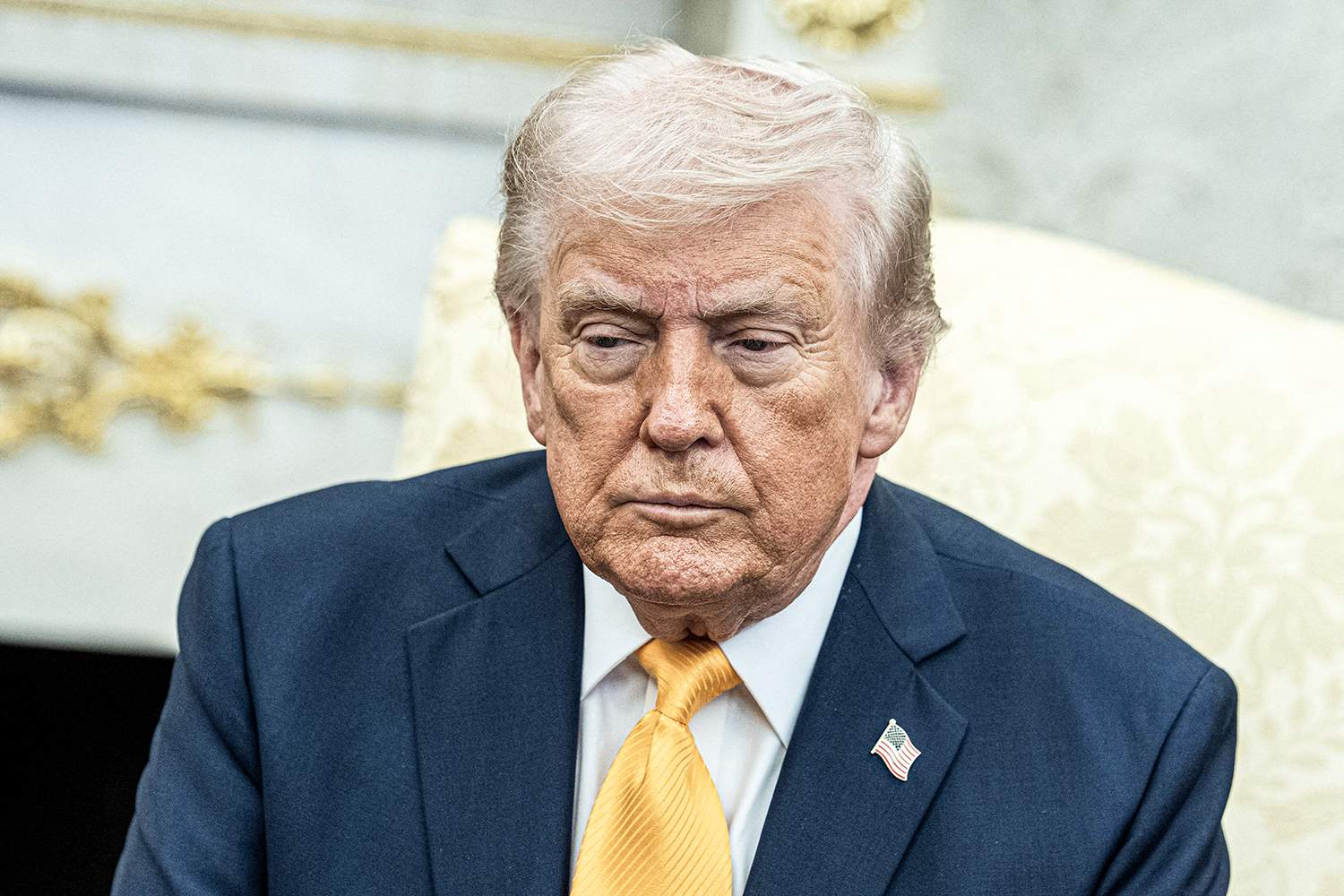
Trump’s Iran War Is Pushing the Post War International Order to Breaking Point
The US President’s reckless actions risk destroying the global political order, but could something good emerge from the wreckage, asks Alexandra Hall Hall
Trump Is Stuck
Having failed to force the issue, the United States is now trying to leave it, but cannot do that credibly either. Writing in The Atlantic, the renowned American neoconservative analyst Robert Kagan reported that US President Donald Trump has been pressing Israeli Prime Minister Benjamin Netanyahu to accept a “letter of intent” with Tehran: a formal end to the war and a 30-day window for talks. Kagan reads this as Trump losing his nerve.
Washington is using both of its instruments at once, yet neither re-opens the strait. It keeps striking – US forces have hit Iranian positions overlooking Hormuz and Iran has struck back at the bases the raids came from – and it keeps announcing deals, because force cannot reopen the channel and no agreement on offer can hold.
The striking and the announcing are really two expressions of the same paralysis. On 23 May, Trump claimed a deal to reopen the strait had been “largely negotiated”; within hours Iran’s Fars news agency called the claim “incomplete and inconsistent with reality” and said the strait would stay under Iranian management.
A power that can no longer win by arms and can no longer make a settlement stick has little left to offer but the announcement itself, and oil markets, easing on each rumour of a deal, keep treating these announcements as progress.
Having abandoned the 2015 nuclear deal signed by his predecessor, Trump has proven to Iran that any future president (including himself) can do the same to whatever Trump signs today. Tehran has watched this happen and drawn the obvious lesson.
ENJOYING THIS ARTICLE? HELP US TO PRODUCE MORE
Receive the monthly Byline Times newspaper and help to support fearless, independent journalism that breaks stories, shapes the agenda and holds power to account.
We’re not funded by a billionaire oligarch or an offshore hedge-fund. We rely on our readers to fund our journalism. If you like what we do, please subscribe.
Iran Will Not Let Go
Tehran reads Washington’s generous-looking offers as a trap: concessions designed to lull it into lowering its guard before America ‘finishes the job’. Given Trump’s record of striking during negotiations, Tehran has concluded that the promise of diplomacy raises the risk of war rather than lowering it, so each overture hardens its determination to keep hold of the strait.
On 1 June, Tehran broke off the indirect talks altogether and vowed to close the strait completely – the deadlock resolving toward closure, not the breakthrough the announcements promised.
The Iran scholar Vali Nasr, author of Iran’s Grand Strategy, put it sharply: Tehran might eventually agree to ‘open’ the strait, but it will not surrender control of it.
So Iran is seeking deterrence on three fronts: the strait, its nuclear stockpile, and the price it can impose on the United States, Israel and the world economy. Control of Hormuz has proven to be its most effective strategic tool.
The standard view holds that economic pain forces flexibility and that enough pressure will make Iran fold. Four decades of sanctions have shown the opposite.
Keeping the Strait closed is cheap: drones, mines, anti-ship missiles and small fast boats cost almost nothing against the warships and tankers they threaten. The US and Israel trying to force it open is ruinously expensive, requiring a ground war against Iran’s coast with every risk of regional conflagration that implies, and little likelihood of military success.
As Iran grows poorer, the cheap weapons of closure become more attractive relative to everything it can no longer afford. The weakness that commentators read as pressure to settle is precisely what incentivises Tehran to hold the line.
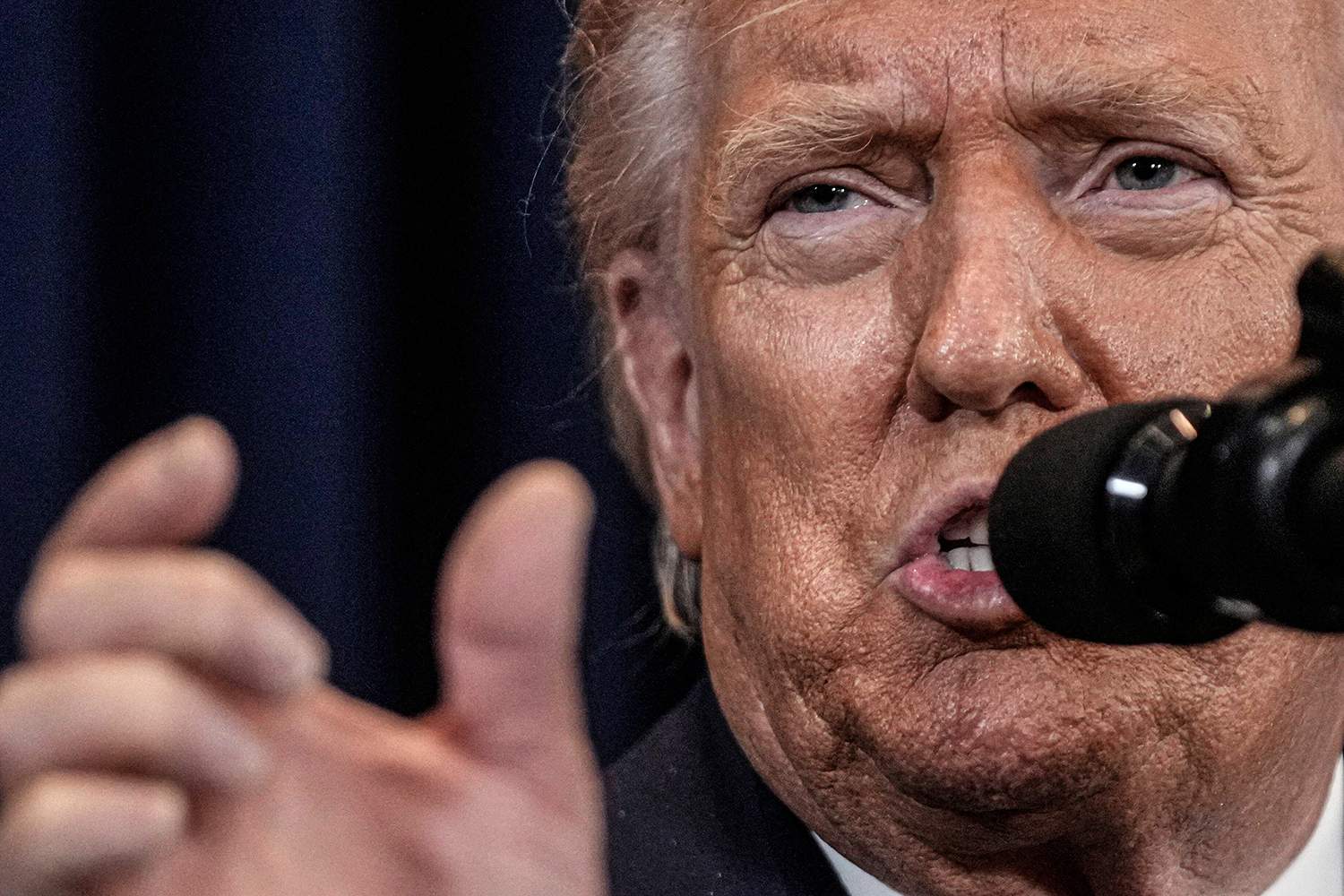
Trump Went to War With Iran to ‘Seize Oil’ as US Shale Enters Major Decline
The United States launched a war on Iran, not to eliminate a nuclear threat, but to seize control of the world’s last major accessible oil reserves
The Great Paralysis
The same pattern recurs across complex systems – ecosystems, economies, empires – which tend to move through a long cycle regardless of who is in charge. The ecologist C.S. Holling, whose work on how natural systems collapse and recover underpins much of modern resilience science, called it the adaptive cycle.
Systems grow, accumulate and organise, becoming richer, more connected and more efficient. That success is also the source of their fragility. The more tightly a system is wired together, the more it depends on conditions staying exactly as they are, and the harder it becomes to change course when those conditions shift. Holling called this late, over-organised stage the conservation phase: the system is at its most powerful and its most brittle at the same time. A single shock can then push it into rapid breakdown, which Holling termed release.
The warning sign that a system has reached that edge is paralysis. Every actor, simply following its interests within the existing structure, can take only the actions that deepen the deadlock. The sum of all those choices is an order that can no longer move, and so can only break – the structure has turned every reasonable choice into a step further into the trap.
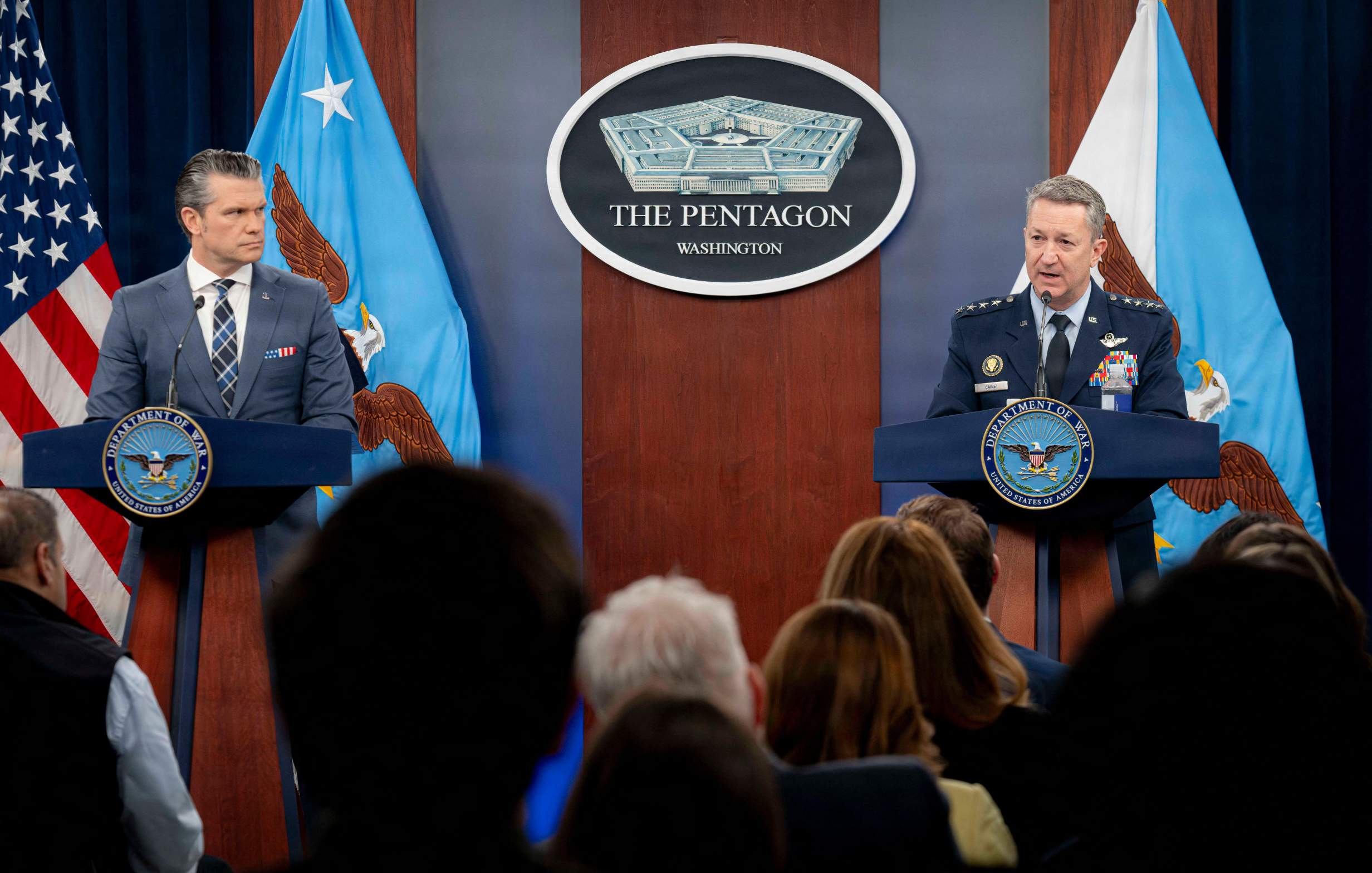
Why the Iran War Could Last Far Longer Than Either Side Wants to Admit
With the Strait of Hormuz closed and US munitions dwindling, it is Iran that will ultimately be able to set the price of peace, argues US defence analyst Brynn Tannehill
The Draining Surplus
Beneath the politics lies a physical fact most commentary ignores: it takes energy to get energy.
Pulling oil from the ground, refining it and shipping it all consume energy. What actually powers a civilisation is the surplus – the energy left over once that cost has been paid. In the early decades of oil the surplus was vast: the effort of a single barrel could bring back a hundred. Researchers measure this with the energy return on investment (EROI) – how many units of energy come back for each one spent getting them.
That enormous early return built the modern world, and it bankrolled the American-led order at the centre of it: the carrier groups, the bases, the standing promise that the sea lanes stayed open, the spare wealth to outlast or buy off any rival.
That surplus is now physically draining away. As set out in Failing States, Collapsing Systems, this writer’s 2017 book, the energy returned by the world’s fossil fuels peaked around the 1960s and has since roughly halved, as the easy reserves run dry and drilling moves to the hard, deep and dirty deposits that take far more energy to reach.
On current trends, the global oil industry will burn around a quarter of the energy it produces simply to keep producing by 2030, and roughly half by 2050. This is a matter of geology rather than the oil price, and the wealth available to police the world drains with the surplus.
This is also why force no longer delivers. The surplus that once made American power cheap to project is the same surplus now running out, and a system with a shrinking surplus has shrinking slack: less room to absorb shocks, to make guarantees that hold for decades, to keep distant sea lanes open. As the slack disappears, the order hardens into exactly the brittle, over-stretched state that tips from conservation into collapse.
Don’t miss a story
The Exits Are Blocked
A negotiated deal needs a settlement all sides prefer to war. The problem is that the machinery that once made a deal stick has disappeared: a treaty the next administration would honour, sanctions that lift and stay lifted, guarantees a rival believes.
A military solution is no better: forcing the strait open means a sustained war against Iran’s coast that no analyst believes is truly winnable without total destruction of the entire region.
A change of government is the third hope. Trump could lose the midterms, Netanyahu’s coalition might fracture, and Iran’s leadership could shift again. But successors inherit the same constraints and tend to be harder rather than softer.
And “muddling through” – the hope that the crisis fades – collides with physical reality. The Strait is closed because Iran can keep it closed at almost no cost, and time alone does not change that.
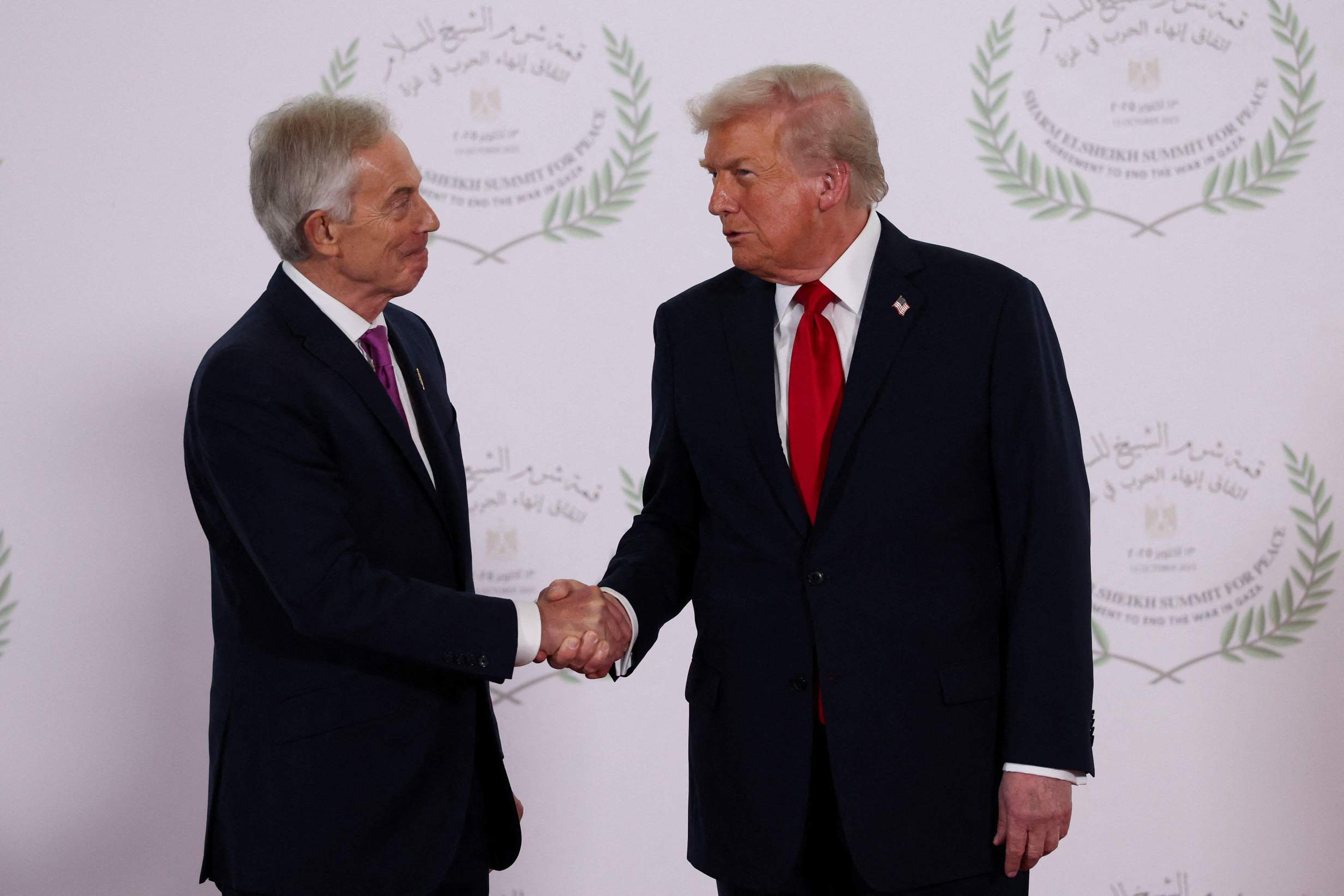
Revealed: Tony Blair’s ‘Dodgy Iran Dossier’ Helped Shape Trump War Plan
Controversial polling promoted by the Tony Blair Institute, and criticised by academics, helped make the case for ‘regime change’ in Tehran
The Toll Booth
If the closure of the Strait represents the old order breaking down, the Iran toll is the next one taking shape. Iran is not just blocking the strait, but starting to meter it. A new sovereign body, the Persian Gulf Strait Authority, now issues transit permits; vessels must declare ownership, cargo and route before passage. Tehran has had advanced talks with Oman on a permanent joint mechanism.
As Nasr has noted, the tolls do more than raise revenue. To pay Iran for passage, shipping firms and the states behind them must defy US secondary sanctions – the penalties Washington imposes on third countries and companies that trade with Iran. So the more often they do, the more the entire American sanctions architecture corrodes.
Settling those tolls in Chinese yuan, as some vessels already are, shows the dollar’s grip on the global oil trade loosening in real time. China, which sends roughly 40% of its crude through Hormuz, emerges as the principal beneficiary.
The shift from a strait policed by the US Navy as an open international waterway to a chokepoint metered by Iran, with Oman as a junior partner, is a change of order. The post-war oil system rested on an American promise that Hormuz would stay open. That promise is broken and irreparable.
A New Order No One Is Planning For
This has been arriving in stages. Yemen’s Houthi movement closed the Red Sea before Hormuz; Russia weaponised European gas supplies in 2022 before that. Each was a smaller instance of the same event: a power that could no longer be policed turning a chokepoint into leverage, and an old order finding it lacked the surplus to force it back open.
Hormuz is the largest instance so far. Iran will not surrender control at a price any attacker is willing to pay. The United States cannot offer a settlement that its own political system is able to honour. And the energy surplus that once made an open strait cheap for a superpower to guarantee is physically running down.
Access to the waterway that carried a fifth of the world’s oil is now conditional, metered, and contested, and will stay that way. This is a lasting contraction in the supply of the fuels the world still depends on, produced by the structure of a declining order rather than by any single decision within it.
Governments and markets are treating the closure of the Strait of Hormuz as an interruption to be waited out. Unfortunately, they are wrong. The longer this is mistaken for a crisis that will pass, the longer the response to it will also be wrong.