
 Subscriptions
Read our Monthly Magazine
And support our mission to provide fearless stories about and outside the media system
Morgan McSweeney’s resignation was not a cleansing moment. He was not an aberration. He was the tip of an iceberg.
What he represented is a political culture that has dominated Labour for a generation.
A culture forged under Tony Blair and Peter Mandelson that taught the party to be relaxed about extreme wealth, comfortable in the orbit of billionaires, lobbyists and corporate power, and increasingly detached from the lives of the people it was created to represent.
The Mandelson scandal matters because it exposes that culture in its rawest form.
Proximity to wealth and power was not a by-product. It was the point. Access was normalised. Influence was laundered as ‘serious politics’. Moral judgement was dulled by the belief that being close to money and power was a sign of maturity rather than capture.
That mindset hollowed Labour out.
It replaced a party rooted in working-class life with a professional political caste fluent in donor networks, private dinners, and elite reassurance – while communities were told to accept decline as the price of ‘responsible’ government.
Politics became about managing optics and markets, not challenging vested interests or redistributing power.
But this culture did not emerge in isolation and it was not confined to Labour alone. It formed part of a wider governing settlement that has defined British politics for four decades.
The Conservatives, Liberal Democrats, and New Labour alike operated within the same broad economic and institutional framework: deregulated capital, privatised infrastructure, financialised growth, and a revolving door between political office and corporate power.
They differed on rhetoric, on spending levels, on the pace of reform. But they shared a comfort with the architecture of wealth and influence that sat behind the state.
The Conservatives built that system. Reform UK now channels its most aggressive instincts. Labour’s historic purpose should have been to dismantle it.
Instead, under Blair, the party absorbed its logic. It concluded that the route to electoral success and governing credibility lay not in confronting elite power, but in proving itself the most competent steward of it.
Corporate proximity became proof of seriousness. Elite endorsement became a governing asset. Access became a currency in its own right.
It worked, electorally, for a time. But it came at a structural cost.
Labour ceased to look, feel, or behave like an insurgent democratic force. It began to resemble the very establishment it had once existed to challenge.
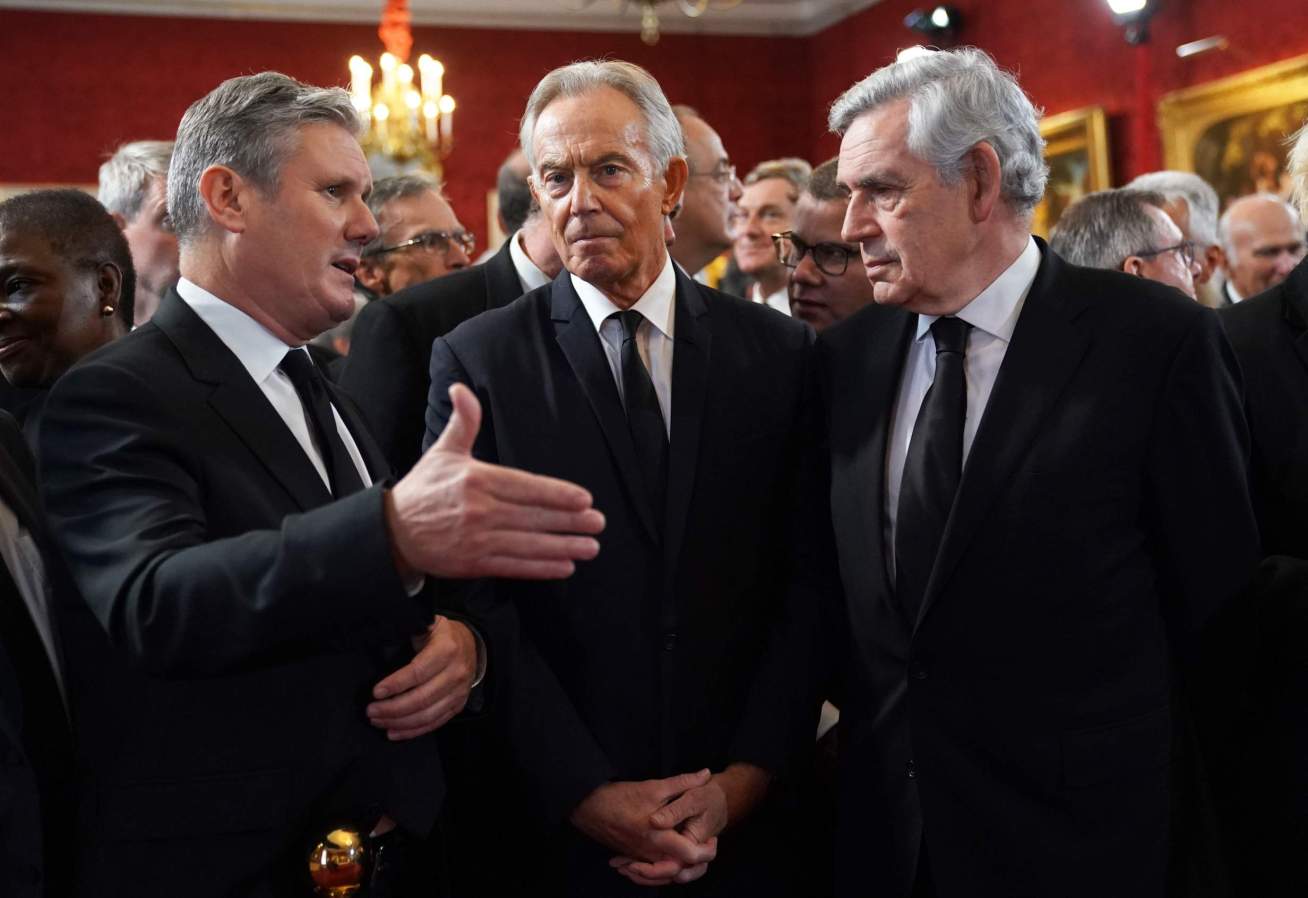
A Culture of Complacency
This is the deeper reason mainstream parties across Europe are fracturing.
Voters no longer see meaningful economic or structural difference between them – only tonal variation managing the same settlement.
Keir Starmer’s leadership sits squarely inside that inheritance.
He did not create this governing culture. But he chose to lean into it rather than break from it. His project foregrounded integrity and professionalism, but largely in managerial terms – standards, conduct, discipline – while leaving the surrounding political economy untouched.
In some respects, you can see why he might feel hard done by. Others travelled the same road without the ground collapsing beneath them.
Blair moved seamlessly into global consultancy. David Cameron into finance and lobbying. Nick Clegg into big tech. George Osborne into asset management and media. Boris Johnson into the global speakers’ circuit.
Each reinforced public cynicism, but the governing model itself held.
Then Starmer stepped forward, making the right noises about probity and seriousness, only to find the system itself losing legitimacy at speed. The wheels did not simply come off. The whole carriage went over the cliff.
That should not have been surprising.
Not in a moment when living standards are stagnant, public services are visibly degraded, privatised uti