
 Subscriptions

Read our Monthly Magazine
And support our mission to provide fearless stories about and outside the media system
The BBC’s Radio 4 Today programme this morning invited two former British Prime Ministers onto the show to talk about their vision for the future of the country.
Despite coming from very different political backgrounds, their prescription was strikingly similar.
“I do think artificial intelligence, is changing every aspect of our economy, our society, our lives,” former Conservative Prime Minister Rishi Sunak told the show.
“And if I was back in office, if I looked at my diary and where I was going to spend my time as Prime Minister, I would be spending it on that”.
Former Labour Prime Minister Tony Blair said he “wholeheartedly” agreed with Sunak, telling the programme that the UK should “grasp” the “artificial intelligence revolution” and open up the NHS to the industry.
Of course what the BBC didn’t make sufficiently clear to its listeners is that there may be good reasons for them sharing such a simliar outlook.
Because although it was not mentioned at all during his interview, a quick look at Sunak’s Parliamentary register of interests reveals that he currently receives a £373,000 a year salary from one of the biggest AI companies in the world.
He’s not the only one to benefit from the industry. The Tony Blair Institute, which was set up by the former Prime Minister, has as its main donor Larry Ellison, a Donald Trump-supporting tech billionaire with massive investments in artificial intelligence.
In recent years Ellison has handed £257 million to Blair’s institute.
Unlike with Sunak, the BBC did point this funding out during the interview. Yet they also allowed Blair to insist, without any pushback, that this colossal sum has absolutely nothing to do with his repeated public lobbying for AI and big tech.
“The reason we are very happy to work with people like Larry is because we share the same view about the importance of this technology revolution” he told the programme.
Another area where Sunak and Blair appear to agree with each other is on Net Zero. Yet as with AI, Blair insisted that the millions of dollars his institute has received for advising Middle East petrostates, has absolutely nothing to do with his lobbying to scale back renewable energy projects in the UK.
“When I argue against Net Zero, people say, ‘Oh, well, but they do work in the Middle East, so it’s all because of the, you know, the oil-producing countries. It’s honestly to do with looking at the world and asking what the right answer is,” he told the BBC.
It’s not just oil and AI companies that Blair appears to have a passion for, but the US President too.
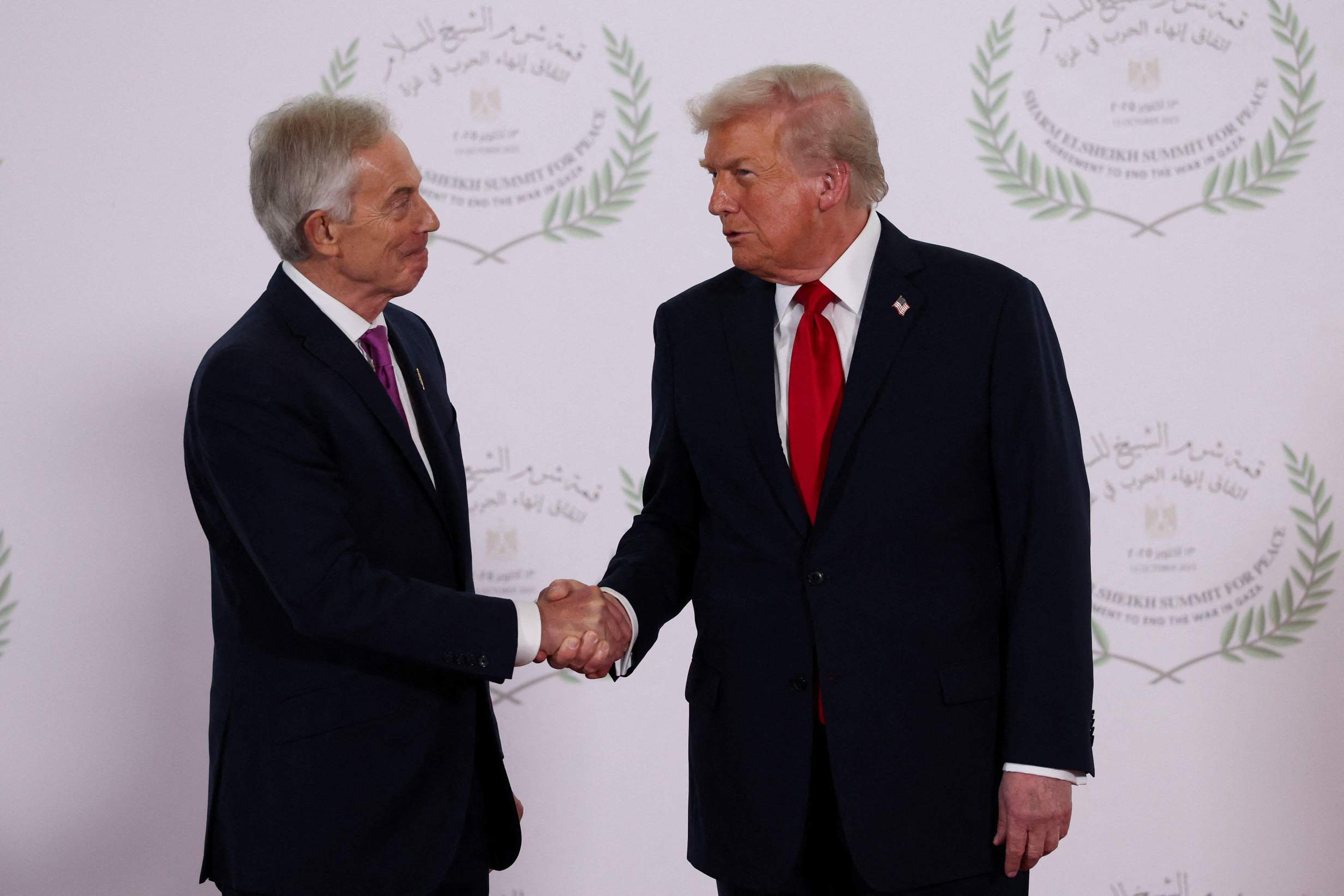
Insisting that Keir Starmer should have a closer relationship with Donald Trump, and his attack on Iran, Blair appeared to deny that this view had anything to do with his own personal involvement in the US President’s ‘Board of Peace’ initiative.
Revealed: Tony Blair’s ‘Dodgy Iran Dossier’ Helped Shape Trump War Plan
Controversial polling promoted by the Tony Blair Institute, and criticised by academics, helped make the case for ‘regime change’ in Tehran
Of course it’s entirely possible that the fact that Blair has today published a 5,700 essay demanding Keir Starmer back AI, slash Net Zero and get closer to Donald Trump has nothing to do with the hundreds of millions of dollars his institute has received from industries and individuals with exactly the same agenda.
Similarly it’s also entirely possible that Rishi Sunak’s belief that the current Prime Minister’s number one focus should be on the artificial intelligence industry, has absolutely nothing to do with the fact that this very industry is now his primary employer.
Yet when the piper keeps on playing the exact same tunes that the people who pay him want to hear, then it’s perfectly reasonable to ask whether there might be a relationship between the two.
And when a public sector broadcaster like the BBC fails to make it really clear to their listeners about the significance of these potential relationships, then they are doing all of us a serious disservice.
A Systemic Failure
This isn’t even a one-off failure. Over recent years the BBC and other news organisations have regularly invited former politicians and public servants onto their shows, without making it clear about the potential conflicts of interests surrounding their post-politics roles
To give one recent example, last month the BBC led all of their news bulletins on another intervention by a former Labour defence secretary, Lord Robertson, demanding more defence spending.
Now just as with Sunak and Blair, it is perfectly possible that Robertson’s intervention was completely sincere and entirely a result of beliefs forged during his former public sector roles.
However, what the BBC didn’t mention at all during their coverage of Robertson’s comments is that those current interests include a senior paid role for defence industry lobbyists.
Again, he who pays the piper, doesn’t always call the tune.
But the job of journalists is to at least make the existence of these relationships clear to their audiences, so that we can then make our own minds up about them.
The BBC’s inconsistent approach to this is a huge failure in their journalism.
ENJOYING THIS ARTICLE? HELP US TO PRODUCE MORE
Receive the monthly Byline Times newspaper and help to support fearless, independent journalism that breaks stories, shapes the agenda and holds power to account.
We’re not funded by a billionaire oligarch or an offshore hedge-fund. We rely on our readers to fund our journalism. If you like what we do, please subscribe.