
 Subscriptions

Read Peter’s Diary in our Monthly Magazine
And support our mission to provide fearless stories about and outside the media system
No one who has followed political journalism closely in recent decades could fail to have noticed a curious development.
The number of anonymous quotes that appear in political stories has risen to a near industrial scale.
This tradition has a noble history, epitomised by arguably the greatest political scoop of all time, the Watergate scandal.
The key to nailing the story by Washington Post reporters Woodward and Bernstein famously came from their ‘Deep Throat’ source.
‘Follow the money,’ the source told them, among other things, anonymously of course.
The two reporters would never have been able to expose Nixon’s criminality had they not given their source such protection.
But that is not how anonymous quotes are typically used in British political journalism today.
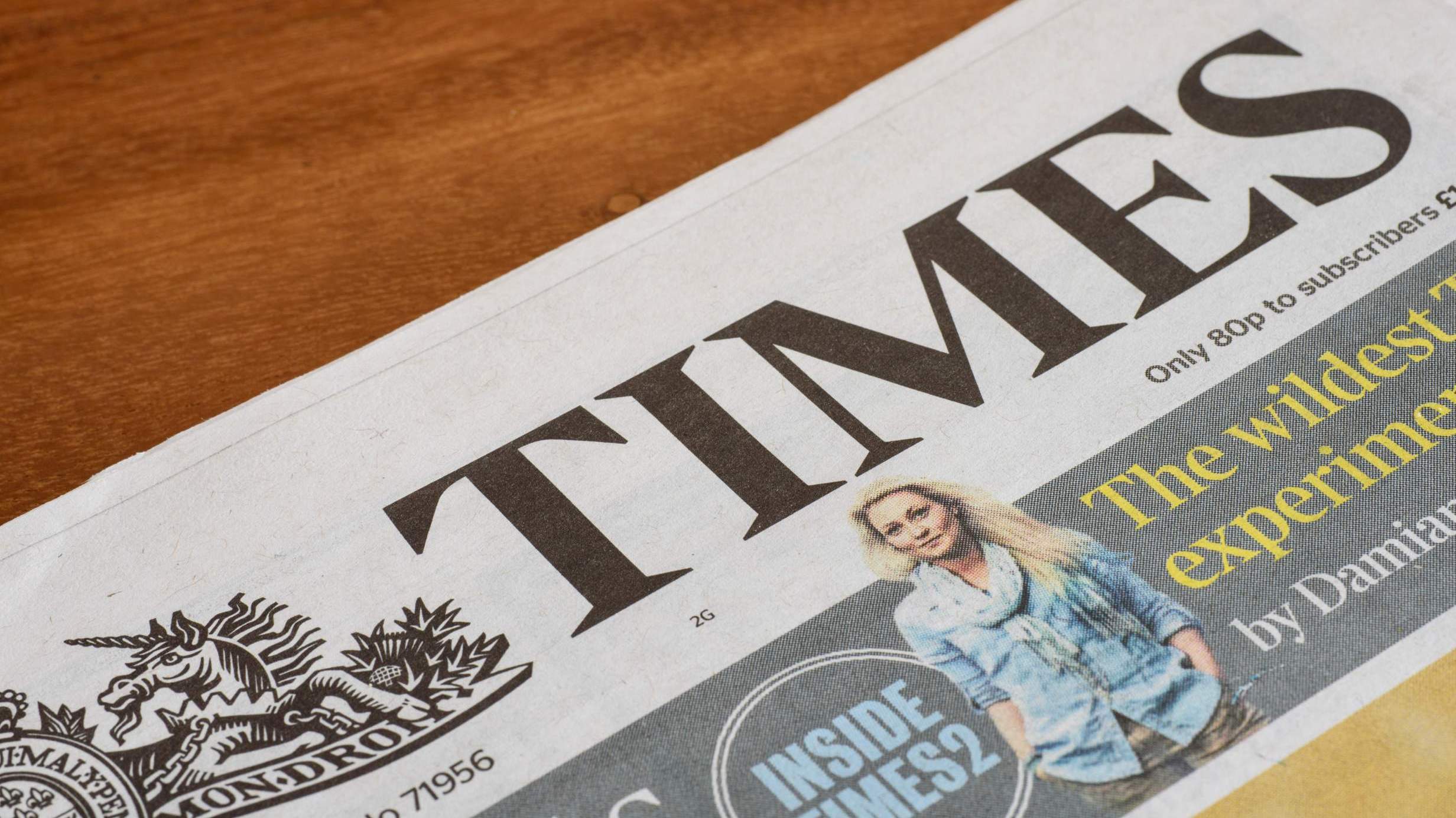
Times Journalist Reveals Westminster Fake News Scam
Stories quoting three sources can be nothing of the sort, according to the Times parliamentary sketch writer: they are all from the same person – a single Labour spin doctor
They are frequently scattered everywhere, with ever more varied and imaginative attributions.
These include ‘insider,’ ‘source,’ ‘Cabinet Minister,’ ‘Cabinet source,’ ‘senior minister,’ ‘ally,’ ‘friend of’ and many more.
An untutored member of the public would need a terminological handbook to understand the subtle differences in meaning of each one. And even then they would still find themselves all at sea.
Even allowing for the general increase in the use of profanities in life today, anonymous quotes often feature a lot of foul language.
The reason may not be hard to guess: if such quotes are genuine they make an otherwise routine story much more compelling and dramatic, revealing the intense emotions involved in politics.
Equally, were it to be the case that they are not genuine, they bring headline-making drama to an otherwise missable political story.
I have occasionally heard it suggested that some anonymous quotes used by political journalists might be fake.
Until now, however, no insider has publicly asserted that anonymous quotes in political stories filed by Westminster correspondents are not authentic.
But that is the issue that has been opened up by Times parliamentary sketch writer Tom Peck.
He suggested to Armando Iannucci in a BBC radio programme on Thursday that quotes attributed to three different sources often come, in fact, from just one source: a single Labour spin doctor.
If what Peck says is true it deserves to be taken seriously. The media often complains that politicians have lowered the standards of public discourse.
And it rightly holds them to account for any flaws or scandals, including a laser-like scrutiny of whether they tell the truth.
With the rise of social media with its fruity language and constant controversy, political journalists are under ever increasing pressure from their bosses to make their reports more lively and colourful.
They are urged to litter their reports with comments such as ‘one Cabinet Minister told me’
to give the impression, accurately or not, that they have inside information.
It has led to a kind of arms race, where, scandalously, honest and ethical political journalists who do not indulge in this Spanish practice, appear tame and uninformed.
How often have you heard reporters gleefully refer to a ‘briefing war’ having erupted between two politicians, often members of the same party?
ENJOYING THIS ARTICLE? HELP US TO PRODUCE MORE
Receive the monthly Byline Times newspaper and help to support fearless, independent journalism that breaks stories, shapes the agenda and holds power to account.
We’re not funded by a billionaire oligarch or an offshore hedge-fund. We rely on our readers to fund our journalism. If you like what we do, please subscribe.
It makes the public think politicians have nothing better to do than hurl abuse at each other.
If such ‘briefing wars’ are actually a confection, secretly hatched by political journalists and spin doctors, it is a scandal in its own right.
This is the reason why a very different set of rules have long been applied in the United States.
As any British political reporter who has written for a respectable US publication knows very well, editors across the pond demand that we name and hand over the sources for anonymous quotes.
And then their fact-checkers ring them up.
Anybody who cares about integrity in public life (and political journalism is an important part of the public sphere) owes Tom Peck and Armando Iannucci a debt of gratitude for raising a sensitive subject that many in the Westminster media would rather avoid.
If Peck is right, and British journalists and spin doctors are conspiring to deceive the public about sources and quotes used in political stories, it is surely a matter of concern to everyone.