Subscriptions
 Subscriptions
All articles
-
‘Democracy Dies when Fact and Information is Denied’
Stephen Colegrave speaks to crossbench peer Lord Victor Adebowale about how our democracy is teetering dangerously on the edge of a cliff.

-
THE JUSTICE TRAP: Why the Miscarriages of Justice Watchdog is in Crisis
Jon Robins on the case of Oliver Campbell and what it reveals about our creaking criminal justice system.

-
Boris Johnson’s No Deal Brexit Plot for the Lords Crashes and Burns
The fatal flaw in the Prime Minister’s plans to create 100 new ‘no deal’ Brexit-supporting peers.

-
The Day I Met Gavin Williamson – Westminster’s Machiavelli
Oliver Murphy begins his political reporting for Byline Times with a look back at his run-ins with our elected representatives.
-
Putin’s Funding of Italy’s Far-Right: The Pivotal Role of Aleksandr Dugin
Zarina Zabrisky provides a timeline of Aleksandr Dugin’s career and his connections to Russian Intelligence.

-
Londoners Need to Pay Less Attention to Sadiq Khan’s Spats with Donald Trump and More on What his Planners Are Up To
The Labour Mayor of London’s plan for the capital makes clear that the spirit of neoliberalism still haunts City Hall.

-
Putting Indian and Chinese Soldiers in Charge of Protecting the Rohingya Muslims is No Solution
Anti-Muslim animus within the ranks of India and China’s security forces remains extreme, so how can they be called upon to protect the Muslim minority exiled from Myanmar?

-
‘Incontinent Mendacity’: Prime Minister Lied About Plans to Suspend Parliament, Court Documents Suggest
James Doleman on explosive revelations from Scotland’s Court of Sessions as Boris Johnson faces a legal challenge over proroguing Parliament.

-
Brexit Party Paypal Investigation: Rampant Impermissible Donations Revealed by Watchdog’s Visit Tip of the Iceberg?
Byline Times’ exclusive report on the loopholes in the Brexit Party PayPal funding led to a visit from the elections watchdog which subsequently revealed impermissible donations – but questions remain.
-
History’s Rhyme: Henry VIII, Thomas Cromwell, Johnson and Cummings
As cliff-edge Britain searches around for historical analogies to a ‘No Deal’ Brexit, Arthur Snell discovers an infamous King and his ill-fated adviser are the most telling of all.

-
Boris Johnson’s Rising Crime – The Lie Justifying the Proroguing of Parliament
Why the Prime Minister’s claim that his Government must tackle violent crime urgently by shutting down Parliament doesn’t stand up to scrutiny.

-
Brexit from Abroad: The Language of a Country Falling Apart
Chris Keulemans has spent the past three years at our sister organisation, Byline Festival, listening to a great national debate – going nowhere as truth crumbles.
-
Inside Generation Identity: What Next for the Far-Right Group in the UK?
Ben van der Merwe, who spent five months infiltrating Generation Identity, the international far-right group linked to the Christchurch terror attacks, looks at the future of the UK group after its split from Europe.

-
DYING QUIETLY: ‘If You Cut Drug and Alcohol Treatment Services, People Will Die’
In their series exploring the deaths that go unnoticed, Natalie Bloomer and Samir Jeraj examine the impact of the scarce support available for those with problematic drug use.
-
‘Children Dying from Deep Fake Videos and Anti-Vaxxer Messages Spread on Social Media Platforms’
The threats posed by technology to our democratic processes will only get worse in the years to come unless action is taken, MP Damian Collins warns.
-
The Vote Leave Wrongdoers are Now in Power and Britain is Under Threat Like Never Before
BeLeave whistleblower Shahmir Sanni named various individuals involved in electoral wrongdoing during the 2016 EU Referendum – now they’re in power.

-
Review of the Week by Odeon of Death: The Cummy
In Ancient Egypt, a heretical high priest named Dominhotep is brought back to life by a wicked Pharaoh (Boris Snarl-off) @OdeonofDeath’s review of the week
-
BBC Finally Insists Opaquely Funded Think Tanks Declare their Interests
After Carole Cadwalladr challenged Director General Tony Hall over dark money lobbyists, the BBC have responded with new guide lines.
-
A Paradise Lost
Otto English returns from a trip to St Lucia with fresh insights on the madness of Brexit and our frustrating sense of British complacency.

-
Marching for Freedom in Hong Kong
Steve Shaw reports from Hong Kong on the revolution sweeping the streets of the island and its fight for democracy.

-
Transgender Discrimination Case Against The Times Thrown Out
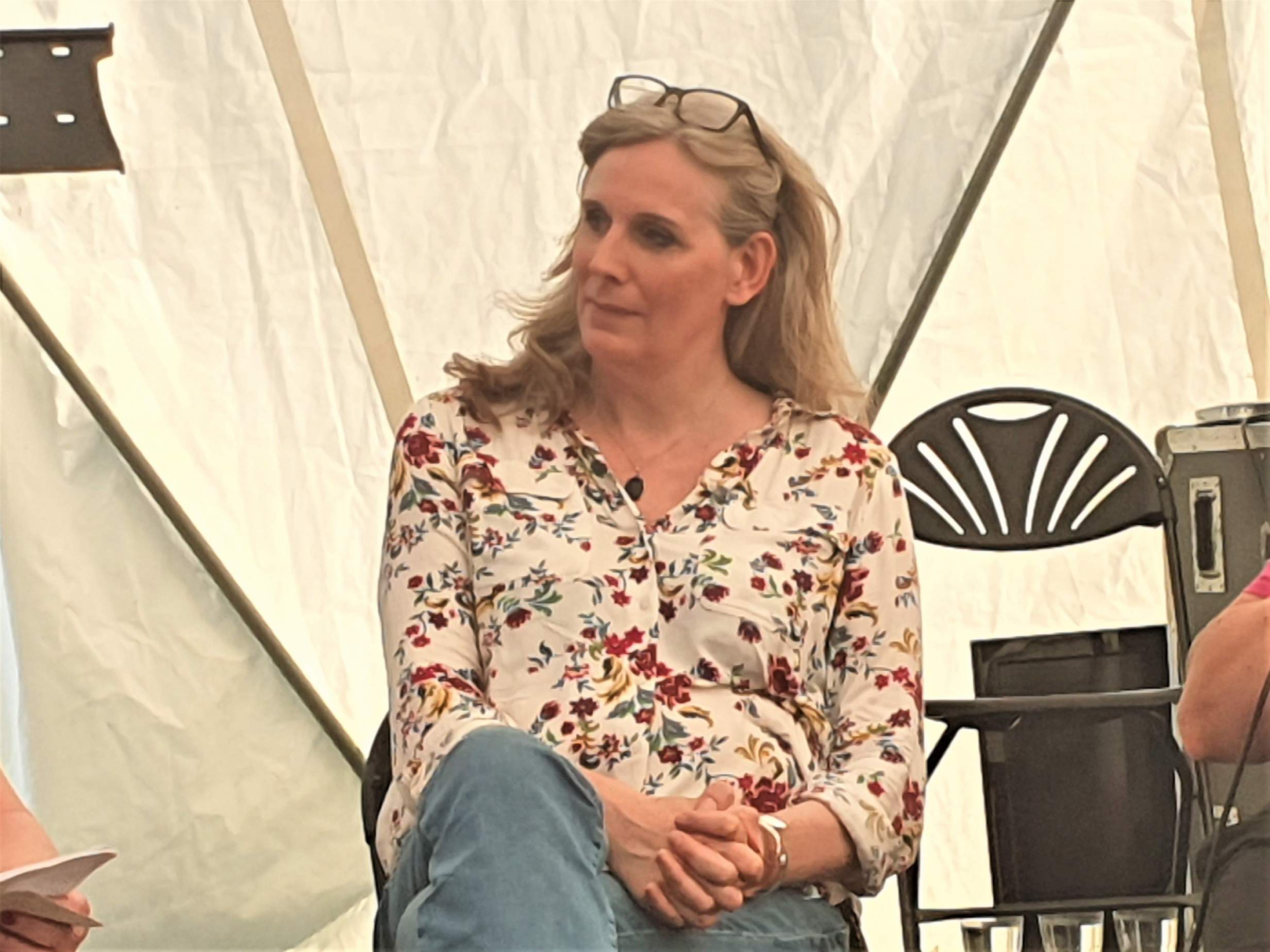
An employment tribunal found that the newspaper did not unfairly dismiss or victimise Katherine O’Donnell as a transgender employee.
-
Who’s Behind Boris Johnson’s Coup? The Murky Lobbyists Who’ve Taken Over the Government
Simon Roach reveals the main players and interests in the Boris Johnson regime – and most lead back to Vote Leave and Donald Trump
-
Other Democracies Won’t Stop India’s Warehousing of ‘Undesirables’
As well as its aggression in Kashmir, India has been rounding up and detaining Muslims in Assam since 2016 – but what’s to stop it doing so?

-
‘Brexiters Used Empire in the Mind to Weaponise People’s Prejudices and Fantasies’
A sense of British exceptionalism based on our colonial past is “alive and kicking” in hearts and minds – and we must make ourselves aware of it, warns Lord Victor Adebowale

-
The Amazon is Burning in a Right-Wing Backed Corporate Arson Attack
Those handed responsibility for saving our planet are determined to terrorise us into extinction so that their super-rich backers can become ever richer.
-
‘We Need a Moratorium on Facebook Political Ads to Keep our Elections Safe’
“Facebook should be nowhere near politics,” warns investigative journalist Carole Cadwalladr.
-
George Clooney Scrapped Phone Hacking Movie over Hollywood’s Fear of Upsetting Rupert Murdoch
Plans for Hack Attack, based on journalist Nick Davies book on the phone hacking scandal, never got off the ground due to the tycoon’s great “passive power”.
-
From Professional Armed Robber to the ‘Black Widow’: The Story of Linda Calvey
Crime writer Duncan Campbell explores the societal perception of women and illegality.

-
We Should Bury the Likes of Lord Bell Not Praise Them
Iain Overton on the death of advertising tycoon Lord Timothy Bell, an advisor to Margaret Thatcher and co-founder of the controversial firm Bell Pottinger.

-
What Can We Create with ‘All That’s Left’?
Caroline Davidson explores the philosophical underpinnings of an installation by Peter Fluck and Tony Myatt showcasing a beloved tree that was cut down.

-
Byline Times at Byline Festival
Our sister organisation Byline Festival will be kicking off tomorrow, with four days of thought-provoking talks, workshops and performances.

-
‘Tommy Robinson’ and the Boys in Blue
Those close to the EDL founder claim that police officers often expressed sympathy for his right-wing politics and that the support could include the passing on of confidential information.

-
‘Tommy Robinson’: The Making of a Martyr
Byline Times’ exclusive interview with the man who made Stephen Yaxley-Lennon rich and an international phenomenon.

-
Making Crime Pay for ‘Tommy Robinson’: How YouTube Rewards Violent Radicalisation
The confessions of Tommy Robinson’s filmmaker show how Google’s video site drove them to produce ever more extreme content, and rewarded the EDL founder with a quarter of a million pounds in the four days after he was sent to jail.

-
Joseph Mifsud’s Lawyer Incorporated Delaware Company Days After Mifsud Met Papadopoulous
Forensic News has obtained corporate documents are shedding new light on Stephan Claus Roh, a Swiss-born international lawyer and the “money behind” Maltese professor Joseph Mifsud.

-
DYING QUIETLY: Exploring the Deaths that Go Unnoticed
In a new series, Natalie Bloomer and Samir Jeraj will explore why the number of people dying in the UK is on the rise.
-
Parliament’s Financial Watchdog Launches Investigation into Boris Johnson’s No Deal Brexit
“Lessons can still be learned from the previous period of ‘no deal’ planning, where in some cases rushed decisions meant taxpayers’ money was not spent well,” says National Audit Office.

-
Violence, Drugs, Terror: A Day in Court with our Top Conservatives
Crime writer Duncan Campbell takes his seat in the press bench for a most satisfying trio of cases.
-
White Nationalism Is a Global Crisis – It’s Time for Gun Laws Across the West to be Re-Examined
CJ Werleman argues that mass shootings in the US to further a white nationalist agenda could spread to other parts of the Western democratic world – for which it must be prepared.

-
SPITTING BACK: Today’s Politicians? ‘It’s Difficult to Make a Puppet of a Puppet’
Peter Fluck made his name as the co-creator of Spitting Image. Now an artist, he says the current crop of politicians do a good job of satirising themselves.

-
India’s Actions in Kashmir are Finally Opening the World’s Eyes to the Struggles of a Forgotten People
How recent events in Kashmir are shining a light on the plight of Muslims living there – and doing untold damage to the reputation of the world’s largest secular democracy.