Outside the system

All articles
-
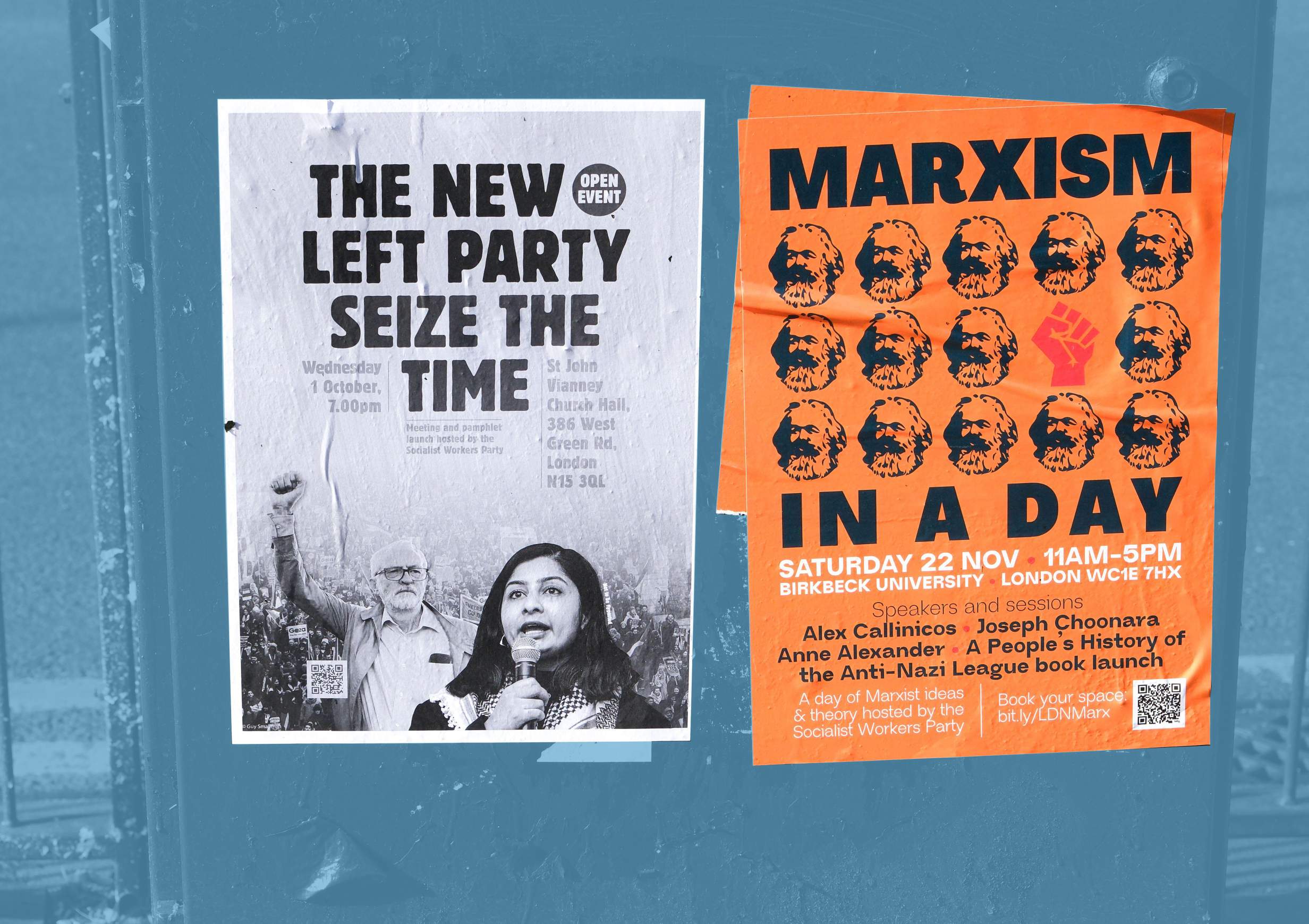
Beyond Nostalgia – The Left Needs a Lasting Vision Our Lost Society Can Latch On To
James Bloodworth explores how and why the left abandoned its previous capacity to imagine the future – a vacuum into which the populist right has readily stepped

-
Fun and Joy Are Very Powerful Political Forces
In the turbulence of the post-2008 financial crisis period, in the UK and the US, there was the emergence of a range of political figures who previously would have been nowhere near formal politics.

-
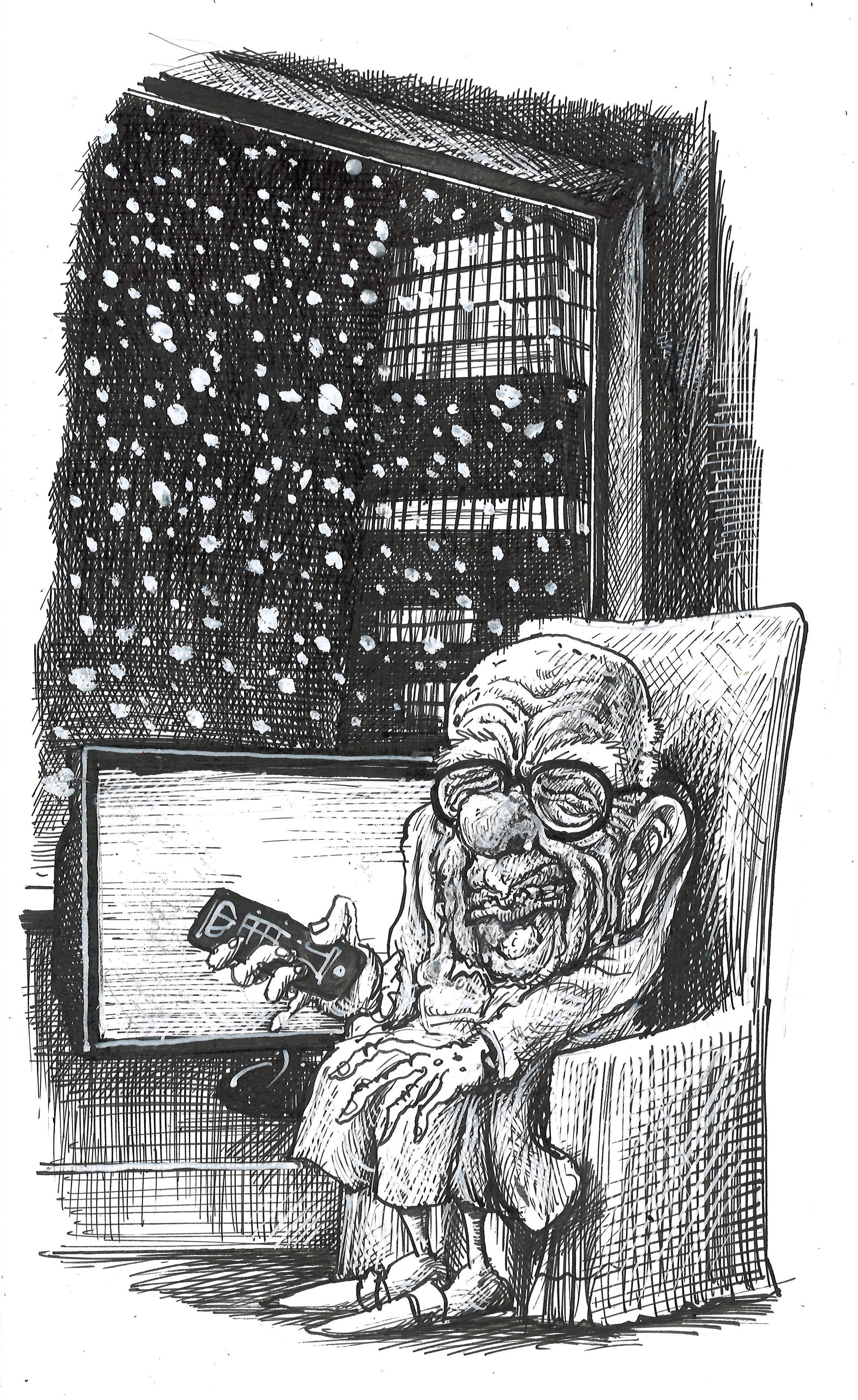
A Red Top Christmas Carol
Rupert Murdoch, whose very name struck fear into the hearts of editors from Mayfair to Melbourne, sat alone in an office high in the News UK building.

-
Normalise as a Neighbourly Concern
Nationalist vigilante ‘street patrol’ groups are falsely claiming to be working with the police while seeking to infiltrate local school networks to “protect” women and children, Byline Times can reveal.

-
Nathan Gill Sentenced: The Tip of the Iceberg of Russia’s European Interference
The conviction of the former Reform UK Leader in Wales for accepting bribes to advance Russian propaganda pales in comparison with the vast covert Kremlin operations that have long been reshaping our political landscape, writes Sergei Cristo

-
How Britain Political-Media Machine Enabled Slaughter in Gaza
In Complicit: Britain’s Role in the Destruction of Gaza, Peter Oborne assembles a detailed historical catalogue of the evasions, distortions, and decisions made by Britain’s political-media establishment.

-
‘History is Not History When It Is Happening’
Mainstream history rarely tells us what we actually want to know about the past; what it felt like to be there. It may give us facts, but it stops short of situating us imaginatively in the past.

-
How the Light Gets In
This time last year, I spent a memorable 40 minutes in a recycled whisky barrel buffeted by a brisk winter wind wearing nothing but a swimming costume and a woolly hat.

-
‘Hope for Cynics’ (and Everyone Else)
Being told to have hope when the world feels like a dumpster fire is a bit like being asked to admire the view while the train you’re on is visibly accelerating towards a cliff.
-