Subscriptions
Read our Monthly Magazine
And support our mission to provide fearless stories about and outside the media system
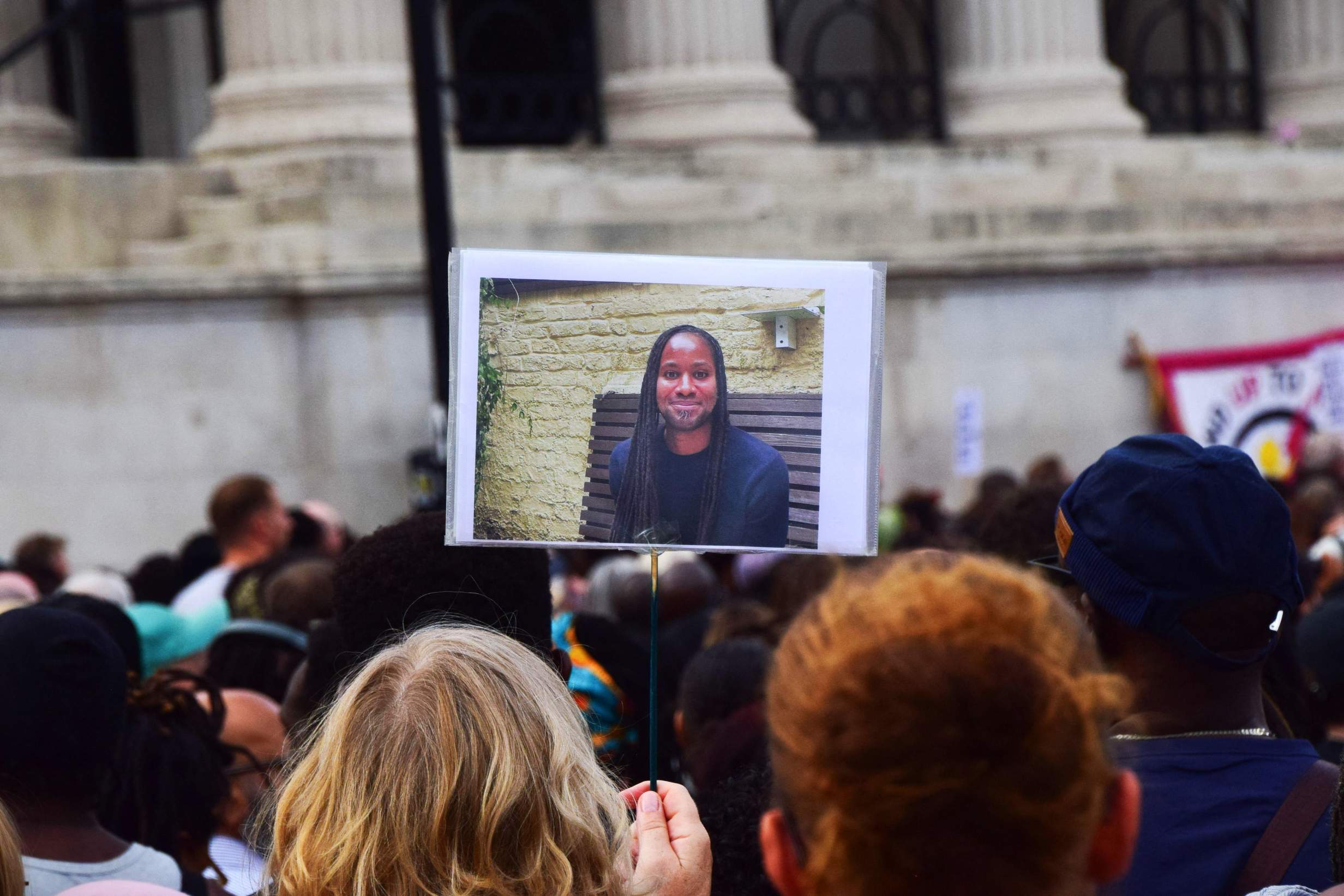
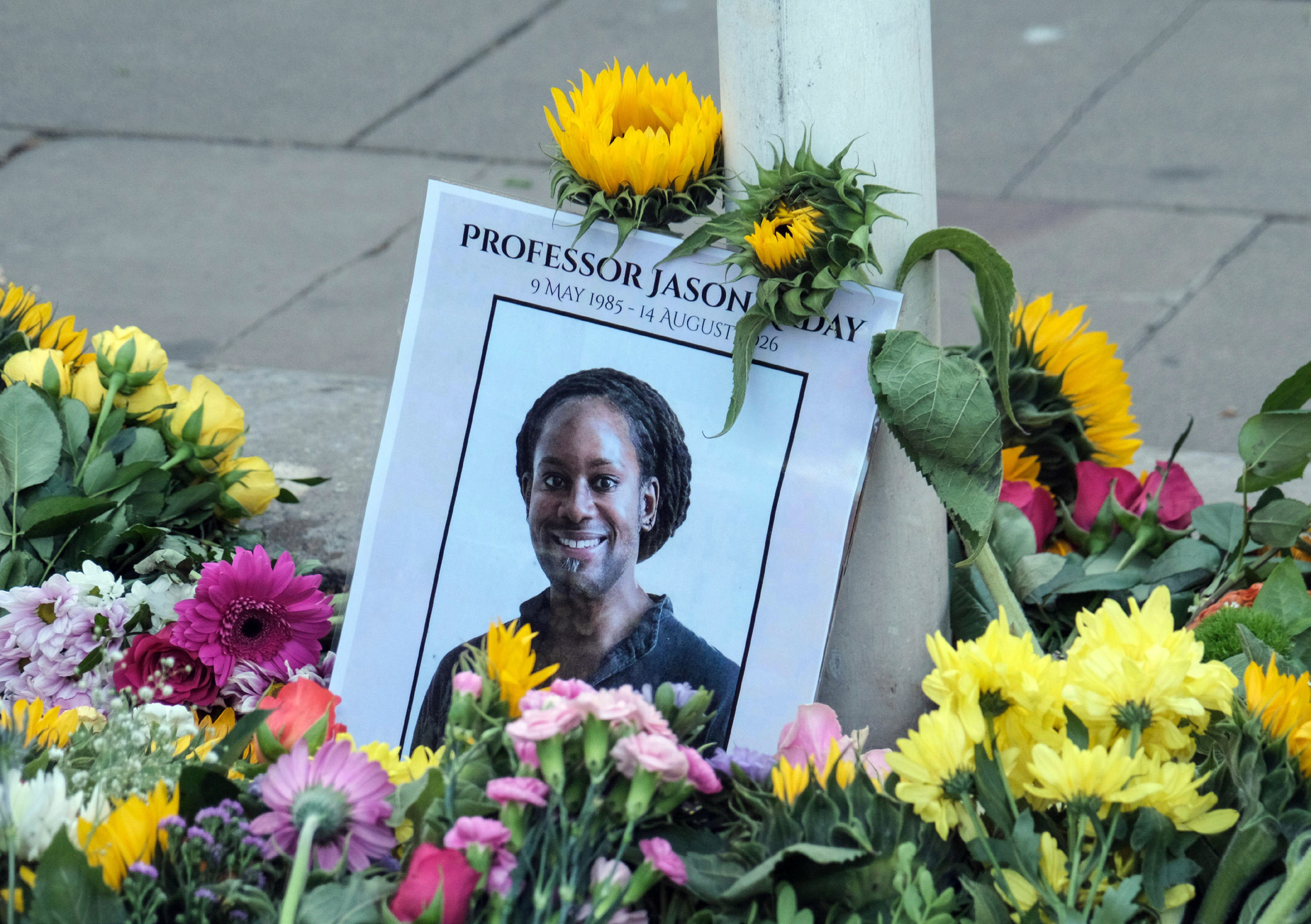
A fresh investigation by scientific publisher Taylor & Francis has concluded without substantiating plagiarism allegations against Jason Arday, the former Professor of Sociology of Education at the University of Cambridge, vindicating Byline Times’ reporting and further undermining The Times’ portrayal of him as a serial plagiarist.
Yet a “private inquiry” commissioned by a group involved in the campaign against the late Cambridge professor looks set to shield the press from accountability for weeks of inaccurate reporting.
The organisation behind the “independent” investigation into the late Jason Arday’s Cambridge appointment is backed by billionaire Reform UK megadonor Ben Delo, who also finances a Westminster political hub that has hosted Aporia, a platform promoting anti-black race science, Byline Times has established.
The Committee for Academic Freedom (CAF) has previously publicly acknowledged Delo’s support, though how much he has given to it is unclear.
Delo, a cryptobillionaire who has donated £36 million to Reform UK, also finances a Westminster office and events space for right-wing groups called The Sanctuary.
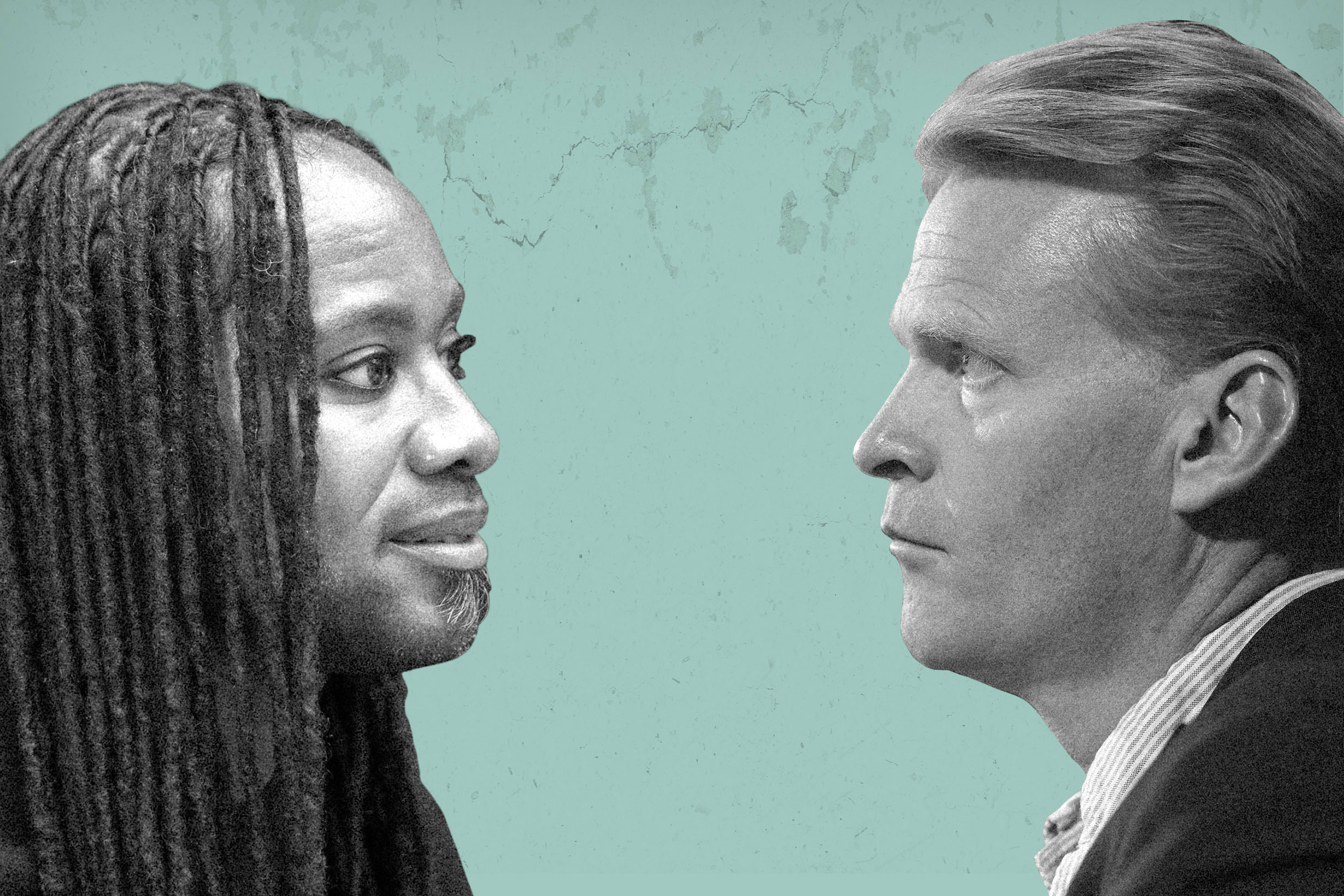
In July 2024, The Sanctuary hosted an Aporia event featuring Nathan Cofnas, the “race realist” whose allegations about Arday helped drive the campaign against the former Professor of Sociology of Education at Cambridge University. Aporia is a stealth race science magazine operating as a rebranded front organisation for a Nazi eugenics foundation set up in 1937.
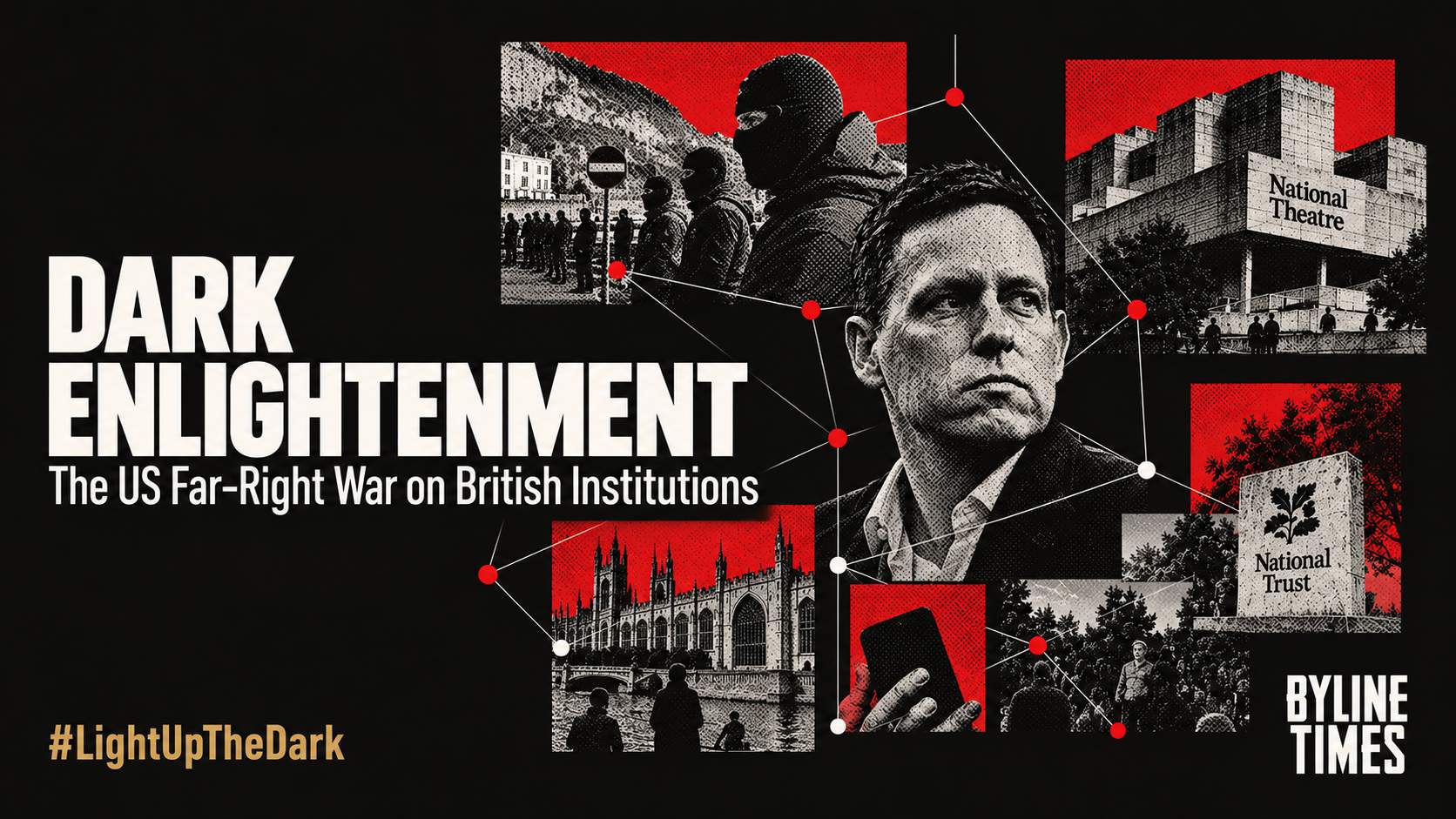
The US Far-Right War on British Institutions ##LIGHTUPTHEDARK
From the National Trust to the National Theatre, from the BBC to the Royal National Lifeboat Institution, Britain’s landmark institutions are locked in the sights of an extreme ideological network. With your support, Byline Times is launching a dedicated #LightUpTheDark investigative series into the people, money and institutions seeking to transform British public life.
 Contribute to our #LightUpTheDark crowdfunder
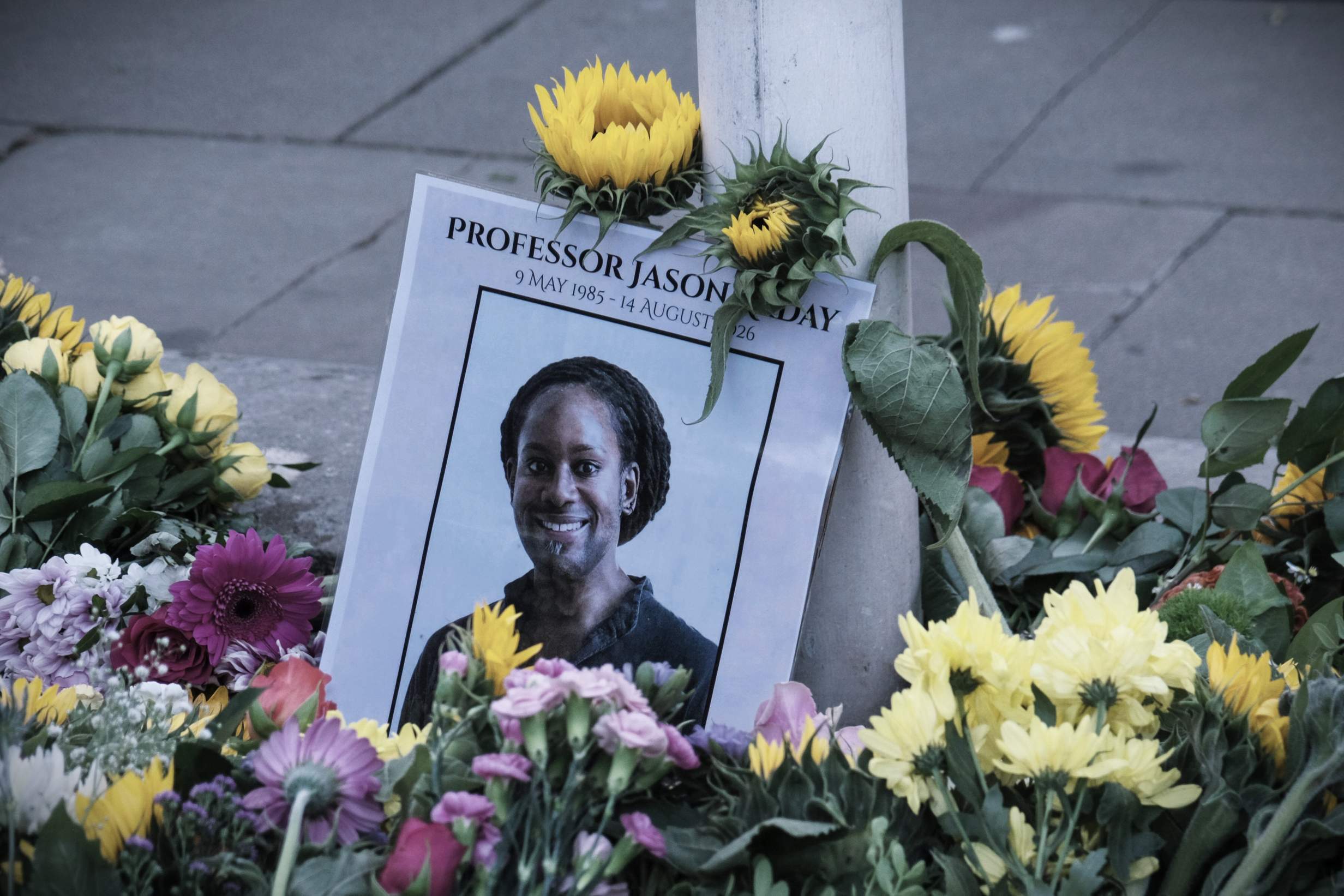
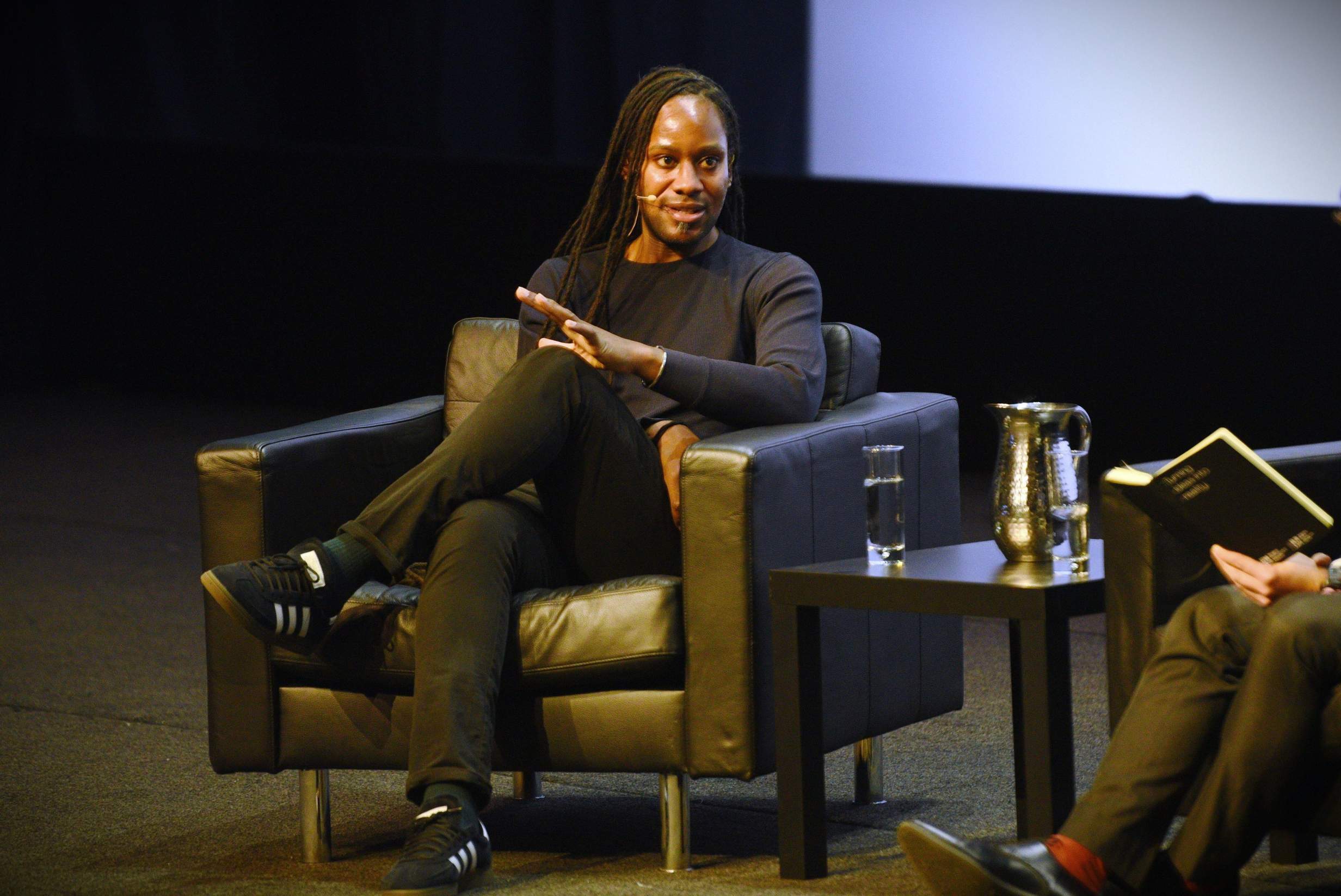
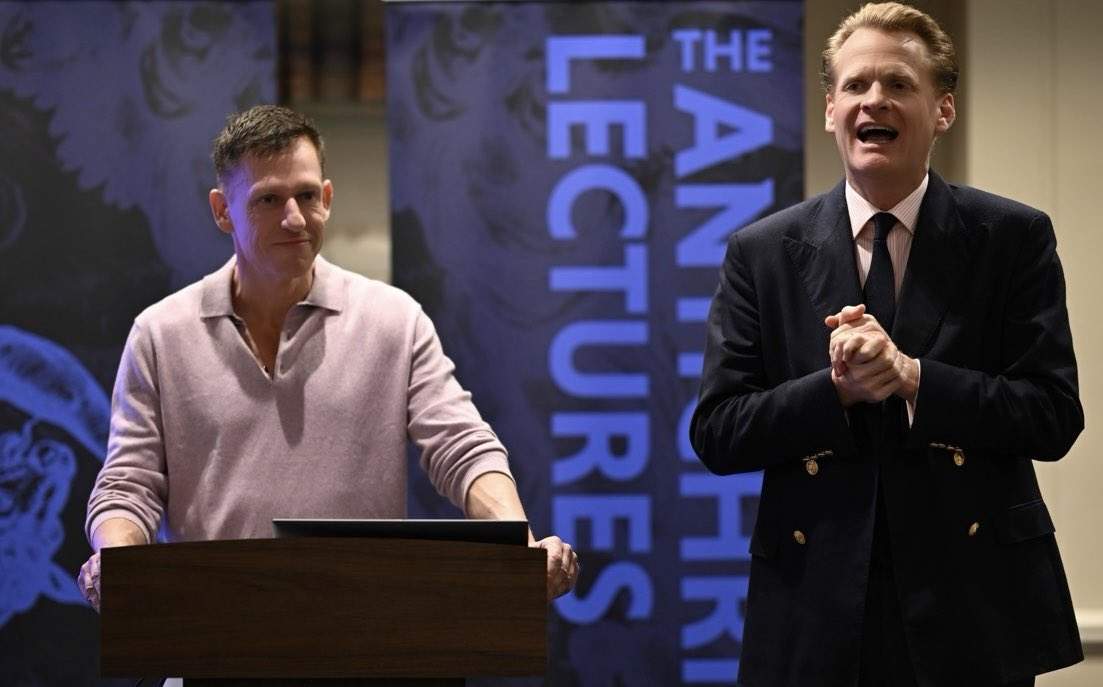
Byline Times has previously revealed that Delo also helped secretly finance a failed libel case against a Jewish artist, brought by two alleged neo-Nazi conspiracy theorists who had exchanged pro-Hitler messages.
Media Blackout
In an article in The Critic, CAF announced its own “independent inquiry” into Arday’s academic standing; Cambridge University’s handling of his appointment; and the role of equality, diversity, and inclusion (‘DEI’) policies in recruitment.
The Critic is owned and financed by Jeremy Hoskings, who donated £1.7 million to Reform UK in 2025.
The announcement was extensively reported by The Times, The Telegraph, Times Higher Education, and GB News – which published often sensationalist and inaccurate articles about Jason Arday in the weeks before he was found dead at his home in south London on 14 August this year.
The same publications, however, have failed to report that claims made by The Times on 5 August about “impossible data” and “plagiarism” in several of Arday’s papers have not been supported.
As Byline Times has previously revealed, The Times had falsely claimed that a central 2018 paper by Arday had been “retracted”. In reality, it had simply been “corrected”, with no findings of plagiarism or data fabrication, and its scientific contribution considered valid. The Times had also flagged a 2020 paper by Arday.
However, the newspaper had failed to acknowledge that this paper had already been investigated and cleared by scientific publisher Taylor & Francis.
Yet following The Times’ story, which triggered a spate of global reporting depicting Arday as a serial plagiarist, Taylor & Francis conducted a second investigation of the paper.
That investigation appears now to have been concluded, once again with no substantiation of further charges of plagiarism or data fabrication.
Neither The Times nor any of the other publications which amplified its inaccurate reporting have corrected their false claims, or acknowledged that, out of a total of four formal investigations into Arday, not one has substantiated the charges of plagiarism against him.
Jason Arday and the Story Behind the Story of the Times’ ‘Impossible Data’
The newspaper of record failed to distinguish between corrections and retractions in the work of the late Cambridge University academic, fuelling the media firestorm that engulfed him. Special investigation by Nafeez Ahmed
CAF’s announcement presents its new investigation as a necessary response to shortcomings in Cambridge University’s official review.
In early September, Cambridge University commissioned an independent review into Jason Arday’s death, the first part of which will examine the support available to the academic in the weeks leading up to his death, conducted by former Chief Crown Prosecutor for North West England, Nazir Afzal.
Writing in The Critic, the organisation argued that the university’s emphasis had shifted towards welfare after Arday’s death, and questioned whether its process would offer a robust examination of recruitment policies.
Cambridge’s review has not, however, abandoned recruitment or research misconduct, but is being undertaken in two parts. An expedited review led by Nazir Afzal concerns the support and protections available to Arday, to be followed by the broader examination of university processes.
When reporting the CAF’s new “private inquiry”, neither The Times nor any other publications reported the financial, institutional, and personal connections – potentially demonstrating serious conflicts of interest – between CAF and organisations involved in the campaign against Arday.
CAF’s inquiry is being led by journalist Nick Wallis, known for his work on the Post Office Horizon Scandal. Its panel is chaired by Professor Swaran Preet Singh, Lord Singh of Solihull, a former Equality and Human Rights Commission member; Labour peer Lord Maurice Glasman; Harvard psychologist Professor Steven Pinker; UCL sociologist and CAF advisory board member Professor Alice Sullivan; and Cambridge historian Professor Robert Tombs.
Lord Glasman’s connections extend to Trump’s inner circle. In a September 2025 interview with Byline Times, he described longstanding contact with JD Vance, who had invited him to Trump’s second inauguration, and meetings with US tech billionaire Peter Thiel and Curtis Yarvin, the anti-democratic writer who promotes claims of black cognitive inferiority and regularly uses the derogatory term “negro” to describe black people.
Glasman confirmed to Byline Times that he remained in touch with Yarvin despite his use of the N-word, and would continue engaging with him due to his ideas about AI.
‘Blue Labour’ & the Thiel Effect
The ideology of the ‘Make America Great Again’ movement has transformed politics in the United States – and is now flowing into the UK. Nafeez Ahmed and Peter Jukes investigate how this influence is being transmitted
Lord Glasman also co-leads the “Future of the Left” programme run by Policy Exchange, which, as Byline Times has also established, played a central role in driving the anti-Arday campaign as part of a wider agenda of importing American culture war tropes about “DEI” (diversity, equity and inclusion) into Britain.
An Organiser Already Involved
With this line-up of investigators, it seems that CAF’s role is to double down on the inaccurate claims made by the British press in the lead-up to Jason Arday’s death.
Yet CAF’s involvement in the Arday controversy began before it commissioned an inquiry into his role at Cambridge University.
On 5 August – the same day that The Times published its major plagiarism story – CAF’s Frederick Attenborough published an article criticising Arday’s complaint to the police about Dave Harris, an academic who had accused him of plagiarism.
CAF described the complaint as an attempt to suppress legitimate scrutiny. It also disclosed that it had helped Harris regain his emeritus status at Plymouth Marjon University in a separate dispute.
As Byline Times reported in September, the plagiarism allegations against Arday were first made by Harris and fellow academic Martyn Hammersley. Their earlier claims appeared to underpin much of The Times’ purportedly new analysis of the alleged plagiarism, although the newspaper did not identify their role or their wider intellectual disagreements with Arday’s field of work on race and education.
In April 2024, CAF criticised Cambridge University’s treatment of Cofnas after he rejected its equality, diversity and inclusion commitments, while acknowledging his belief in genetically based racial differences in intelligence and his claim that black representation among Harvard professors would approach zero under his preferred meritocracy.
CAF defended his right to hold those views without losing his position and intervened again over his position at Ghent University in August 2026.
The CAF did not respond to requests for comment, including in relation to questions around who is funding its inquiry, and whether donors will retain control over its findings.
Help Byline Times Fund aN URGENT New INVESTIGATIVE SERIES #LightUpTheDark