
 Subscriptions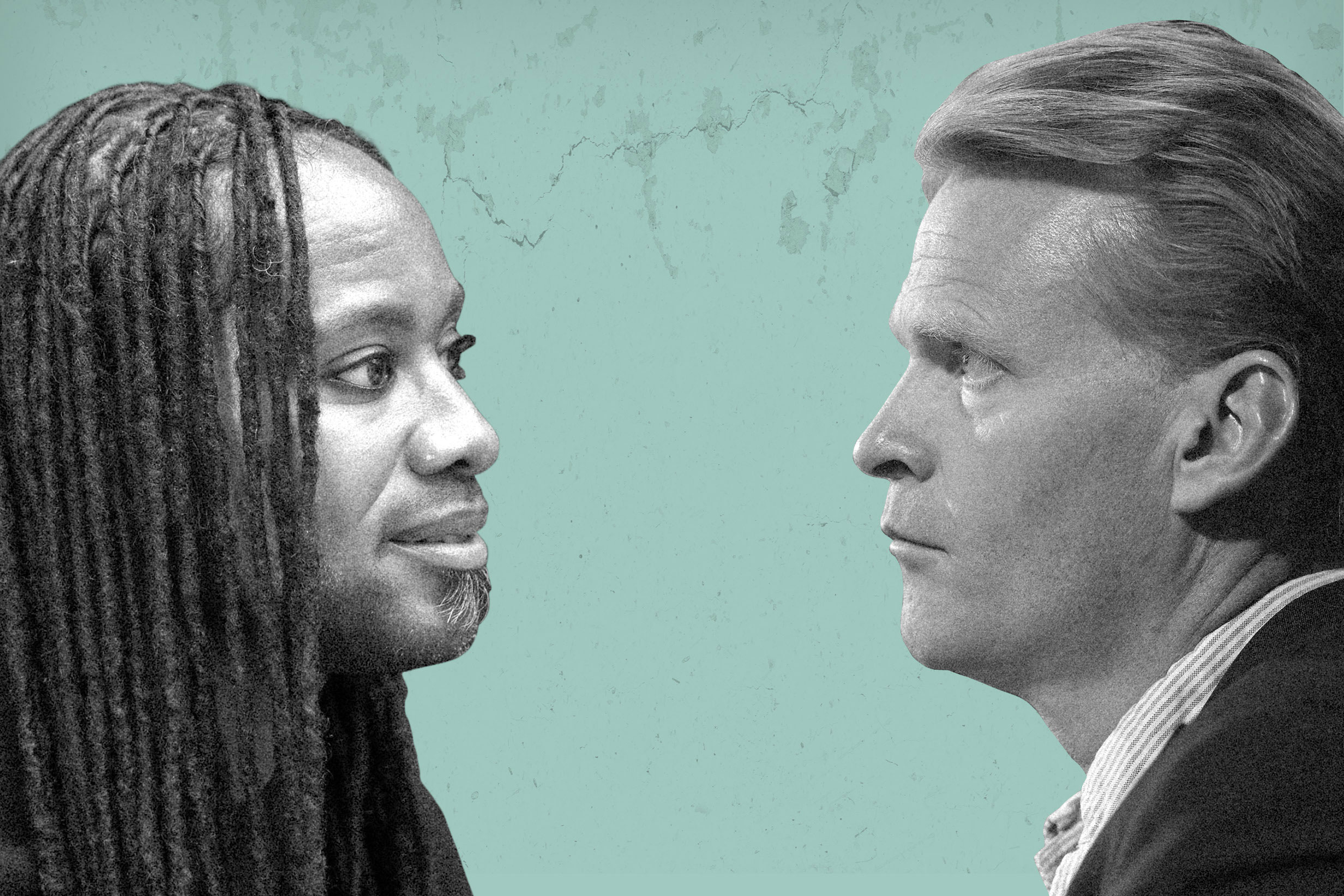
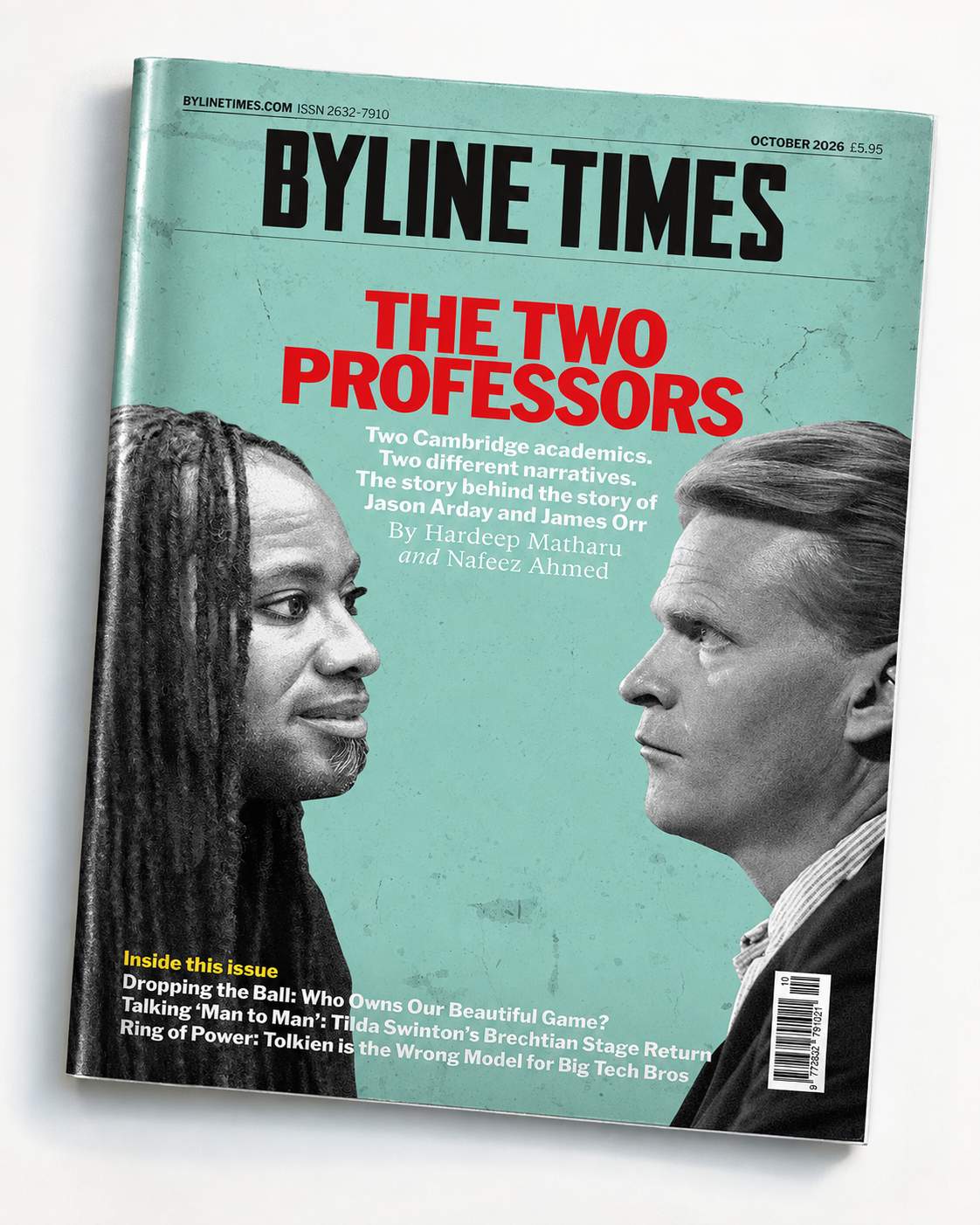
Read our Monthly Magazine
And support our mission to provide fearless stories about and outside the media system
Senate House sits at the heart of Cambridge University. It’s the place you walk past most days as a student knowing that, when your time comes to put on the gown with the furry hood, it will be in this brilliant white bright building that becoming a graduate of the world-renowned institution will be marked.
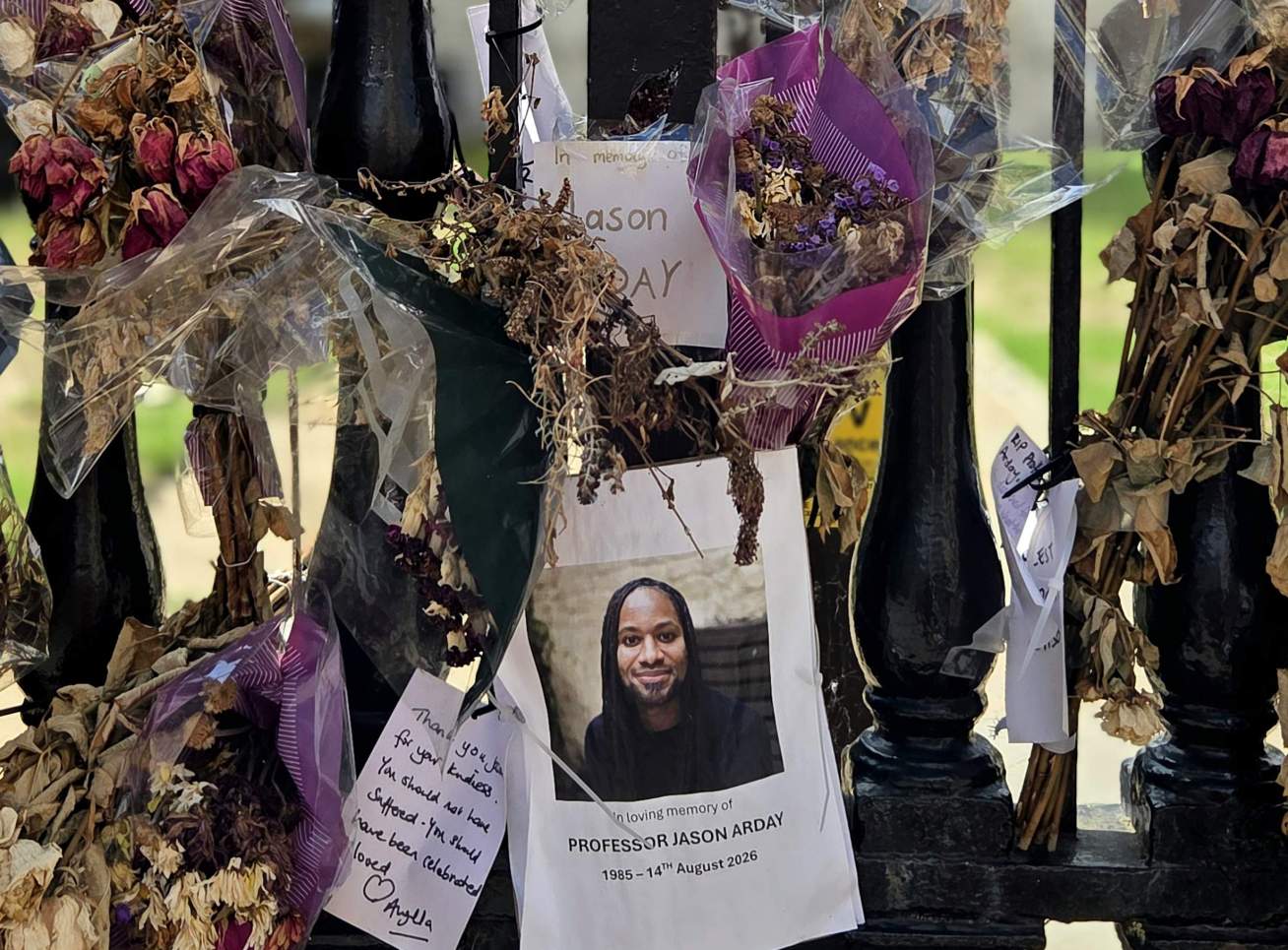
Approaching it from King’s Parade in the last of the late summer sun, past the iconic King’s College Chapel, and tourists sitting here and there on the walls lining the street with ice creams, Senate House emerged behind its black gates. This time, flowers fresh and dead were taped onto the rails or left at their feet. People stopped to look at them, speaking and silent.
One woman explained to her young son who the flowers were for – a man who had “received some scrutiny that was justified but a lot that wasn’t”.
“We have to be really careful with our words,” she told him. “He was absolutely hounded and he didn’t deserve to be.”
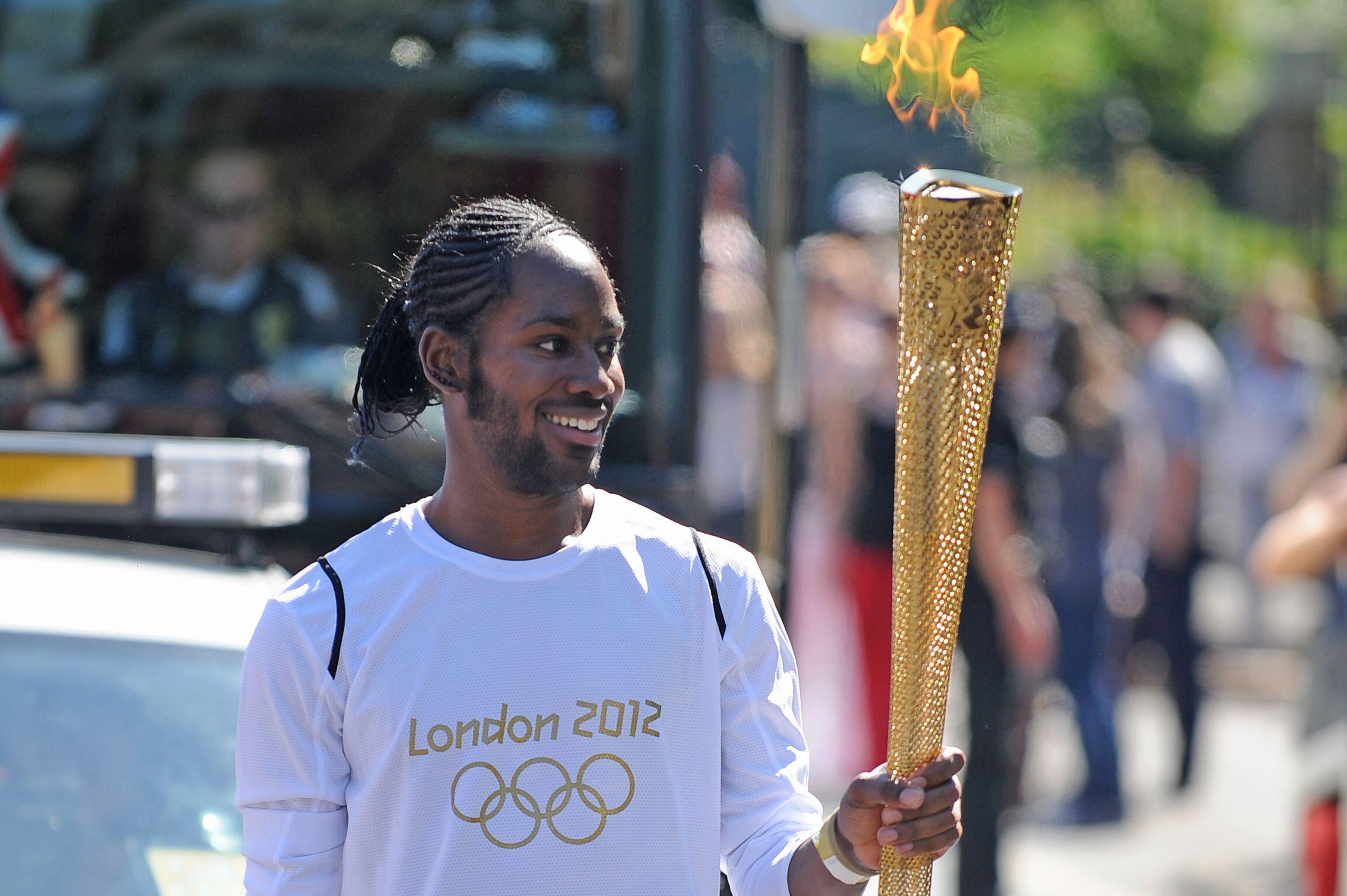
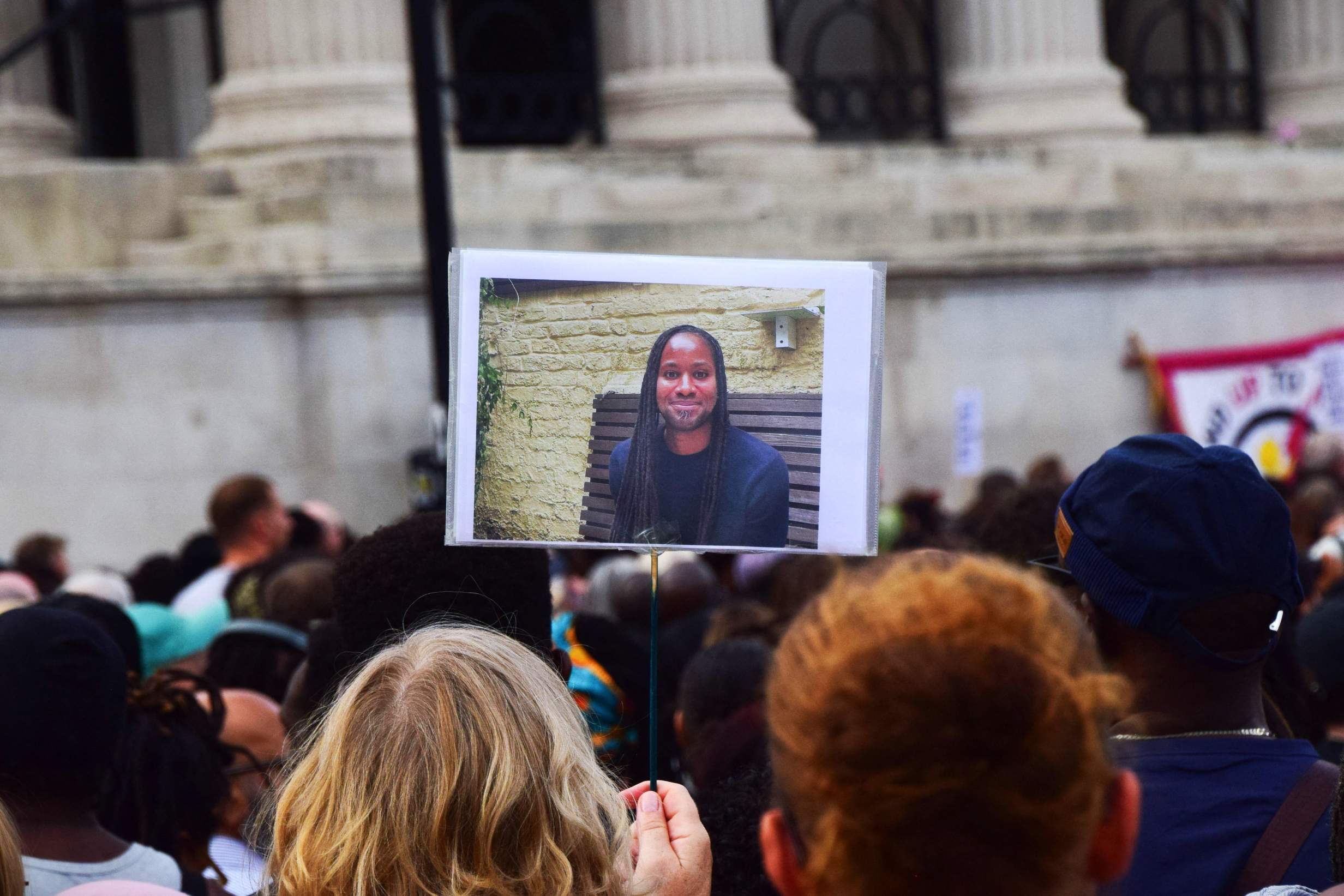
Jason Arday smiled warmly from the photograph at the centre of the tributes.
Until 5 August, he was Cambridge University’s Professor of Sociology of Education. Following claims of serial plagiarism, first made by academics aligned with race science, and then a wider campaign of intense media scrutiny both in the UK and internationally – on many aspects of his life beyond academia, from his charity running to his childhood mutism – Jason Arday resigned.
Characterised in the right-leaning established press as “the nutty professor” and “the gift that keeps on giving”, outlets on the left – the Guardian and Novara Media – also contributed to the reporting, and the speculative and dehumanising commentary.
With his resignation, it didn’t stop, even if the public interest journalists subsequently used to justify their reporting appeared, at that point, to have. On 14 August, Jason Arday was found dead at his home in south London.
Just three years earlier, Cambridge University had celebrated the then 37-year-old’s arrival, through the BBC and elsewhere, providing him with a considerable platform as the youngest black person to ever be appointed to a professorship at the institution.
His death raises uncomfortable and urgent questions about appearances and reality in Arday’s story – and what it reveals about the harder, deeper work the institution has seemingly not done to meaningfully tackle structural inequalities around issues of race and class. Particularly now that these systemic issues are increasingly at the forefront of a ‘culture war’.
“On behalf of every working-class person of colour student at this university past and present, your worth and dreams will not go unnoticed,” one tribute to Arday read.
Another: “I wish I would be able to remove envy and racism from this existence.”
Others said “hope this sad injustice leads to positive change in all walks of society. Lives should not suffer” and “I am sorry this system failed you”.
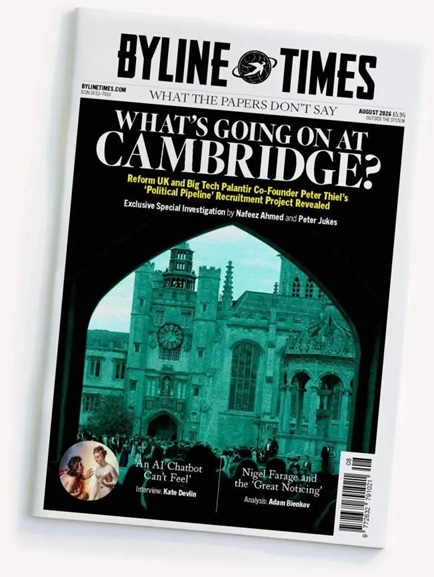
I had last been in Cambridge some months before with my Byline Times colleagues investigating allegations around another Cambridge academic whose story appears to have evolved very differently.
Like Jason Arday, James Orr is unlikely to have been widely known to the public perhaps until very recently.
Byline Times’ investigation into Orr, Associate Professor of Philosophy of Religion at the Faculty of Divinity, was published in July, when he was still Nigel Farage’s Head of Policy at Reform UK. He stepped down from that role in September, following the broadcast of undercover footage by Channel 4 News, in which he appeared. It is now the subject of a criminal investigation by the Metropolitan Police.
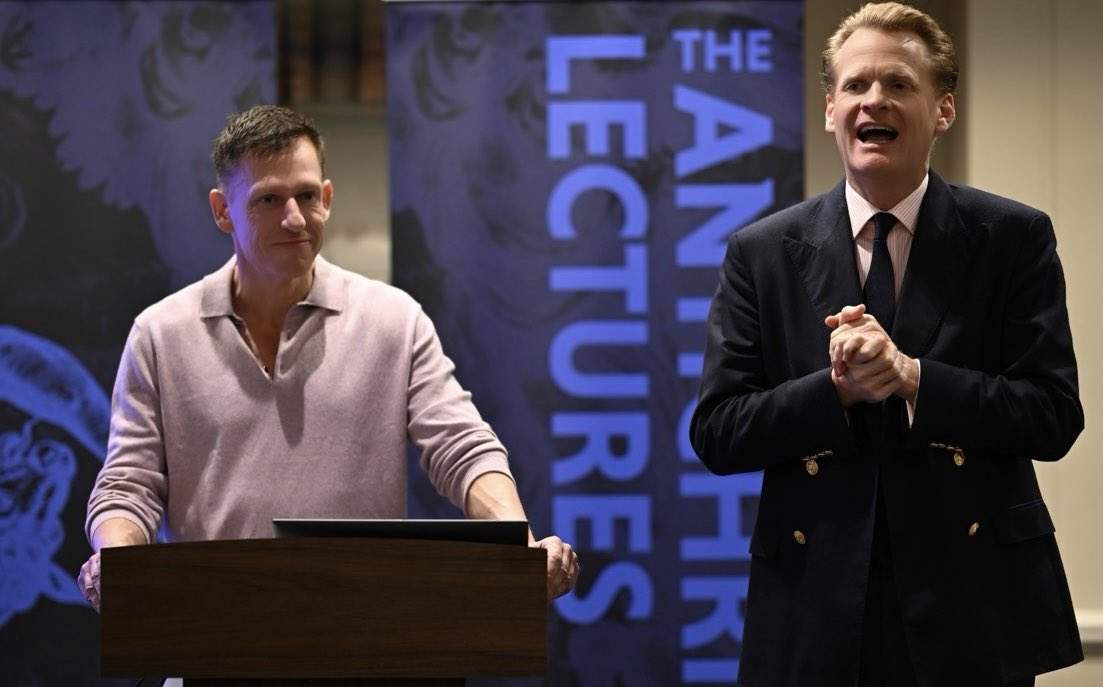
Our reporting – produced over six months through 20 sources at the University – raised serious questions about the safeguarding of students (some of whom are resident at his private property in the city), their ‘recruitment’ as part of Orr’s stated ideological ‘pipeline’ project for Reform, and foreign influence through tech billionaire Peter Thiel.
The Financial Times’ recent follow-up of the story confirmed much of our reporting, with the newspaper speaking to some 40 sources, all of whom also requested anonymity.
What was as revealing as it was unsettling was the complete lack of response from Cambridge University to this publication’s queries about Orr. On at least one occasion, they were passed straight to his lawyers, Addleshaw Goddard, without our knowledge – even though separate queries were to be sent to Orr as a right of reply.
When pressed for any response, the University provided a statement, which it warned could not be published: “Byline Times has sent the University a slew of unsubstantiated allegations, wilful mischaracterisations, and falsehoods, which we strongly reject. The volume of misleading claims and conjecture means we are unable to engage with the approach as a legitimate media enquiry.”
The contrast with the Jason Arday case is striking in its simplicity.
I had lived in Cambridge for three years as an undergraduate reading law 17 years earlier. I could count on one hand the number of black people I ever came across, in contrast to those of colour from other backgrounds, particularly of Asian heritage. I have great memories of a place I grew up in and the belonging I found at my college – even if the institution was also somewhere I didn’t feel I fit and found intimidating.
To see it become an international news story around the death of Jason Arday, alongside Cambridge’s response to my publication’s serious queries about James Orr, was sad and deeply troubling.
For many others though, it is not only this. It is an actively dangerous state of affairs.
‘This Could Be Me’
Speaking to those close to the situation in Cambridge, there is an atmosphere of shock and fear following Jason Arday’s death.
As the stories were unfolding, students had wanted to speak up for him, but were advised not to by the University. Now, they feel too scared to speak about it for fear of unwarranted scrutiny.
Black academics and Arday’s students, in particular, feel unsupported and unsafe.
“They feel very failed by the university structures,” Sarah Misraoui, Cambridge University Student Union’s Vice President of Education and Widening Participation, told me. “There’s a lot of concern about safety. Students are grieving. Students are struggling.
“The difficulty here is that, given the media attention not just on Jason Arday but on [Cambridge University’s Deputy Vice Chancellor and Principal of Homerton College] Simon Woolley, on other senior members of university staff and academics, students are seeing that the University is not protecting its highest-ranking members of staff and academics. How can students expect themselves to be protected?”
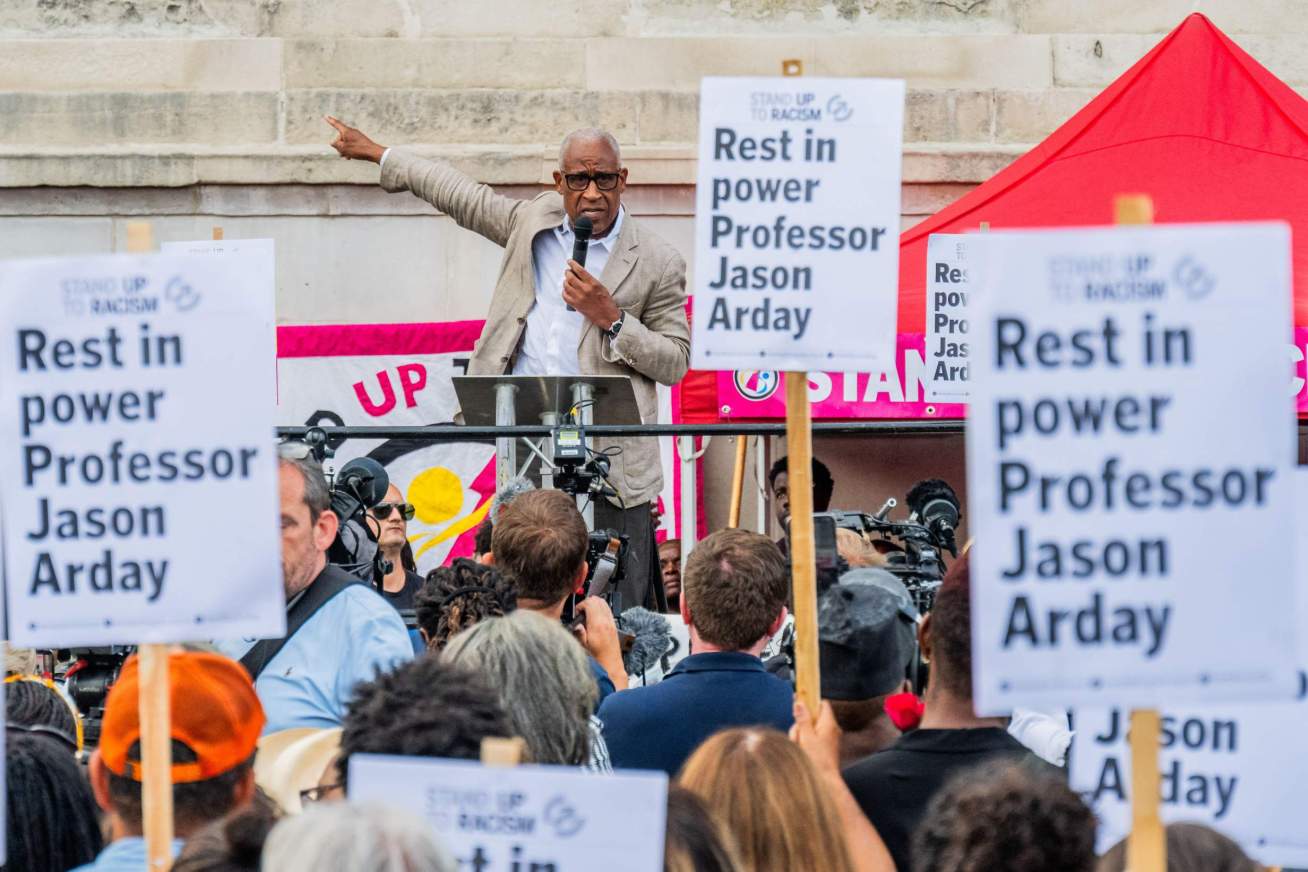
Lord Woolley called the treatment of Jason Arday a “lynching” and a “public assassination” by those who decided he “doesn’t deserve to be alive”.
After his death, Andrew Gilligan described Woolley as “not fit” to lead a Cambridge college in the Spectator magazine. He also questioned the appointment of Dr Farah Ahmed, Assistant Research Professor at Cambridge University’s Faculty of Education, saying its problems went “beyond Arday”.
Misraoui said the complete “lack of trust” students have in the University is a result of the reality of “just how much the University is ill-equipped to deal with something like this”.
“The trust has been severed, particularly for black and minoritised students of colour, because a lot of students are thinking now: this could be me, and I could be unprotected,” she told me. “It’s the University’s responsibility to rebuild that trust. Time and time again, we are seeing that, particularly minoritised students and academics, are not given that support when they need it.
“In future, if such a thing was to happen, they need to know they would be safeguarded – that the institution genuinely cares about their wellbeing and safety.”
Students and academics within the Faculty of Education are perturbed by a lack of sustained and open communication from the University on pastoral care, potential disruption to their studies, and therapeutic support – beyond general signposting to internal services or responses that the University will get back to them.
For Aker Downie-Okoye, a graduate of Jesus College, Cambridge, who was studying in the Faculty of Education at the time of Arday’s appointment, his death has revealed a “significant shift in the Cambridge contract”.
“There’s a longstanding understanding that you go to Cambridge and get access to an exceptional education and a network that opens doors and that, ultimately, you leave with a sense of security about your future,” he told me. “That contract has been under increasing pressure… In the context of Professor Jason Arday’s passing, the reality of that has really been brought home for a lot of people.
“There’s a growing feeling the Cambridge contract is broken because, yes, Cambridge is still an exceptional institution, but there is also an expectation that if you’re going to thrive in an institution like this, you need to feel safe enough to actually do so. Unfortunately, that is not what everyone has experienced.
“These are people’s lives and livelihoods at stake. If something like this can happen to someone who was this prominent, naturally people start asking: what does this mean for me?”
Students and academics are now taking it upon themselves to draw up a proposal, to be put to the University, for a strategy “to protect black academics when they face racialised media scrutiny, online harassment, financial disruption, or psychological harm”.
Distinct from ‘representation’ or a diversity initiative, it would focus on proactive safeguarding. It states “the concern is not simply whether Cambridge expresses support after something happens”, but whether academics “know, before the next crisis, who is responsible for protecting them, what concrete support is available, and how quickly the institution will act”.
Those proposing the strategy see it as “a test of whether Cambridge can move from expressions of solidarity to durable institutional protection”.
Downie-Okoye believes the Jason Arday affair has exposed the realities of a “particular mystique” Cambridge University has benefitted from historically.
There Will Be Another Jason Arday
There is no check to fetter power when unfettered power resides in the check
“It’s hard to get in there; it’s a very big achievement to even be admitted,” he told me. “There’s a perception of Cambridge as this single, highly coherent institution. When in reality, it’s an incredibly decentralised organisation with colleges, faculties, departments, and centres, with different parts of the University operating very independently of one another.
“The University has benefited enormously from the strength of that brand while the complexity of how it actually operates hasn’t always been visible to the public. The University itself has acknowledged how unprecedented this situation is, and we’re watching it grapple with that reality in real time.
“Professor Arday’s passing has become a moment through which people are asking much bigger questions around Cambridge, what it promises its students, and whether that promise is actually being fulfilled.”
A Cambridge University spokesperson said it “is aware of concerns” and “firmly reiterates its commitment to protect and support all members of our community”.
In a statement, they told Byline Times: “In our immediate response, the University has focused on ensuring our staff and students have the pastoral care and welfare support they need. Where concerns are raised, especially in relation to abusive communication or personal attacks, they are taken seriously, assessed, and appropriate action taken. Our communications, legal, and information services teams are actively engaged in ensuring support is provided when cases are brought to our attention.”
The spokesperson said the University is “coordinating with external providers to enhance our provision of culturally and racially-sensitive support for staff and students” and “remains firmly committed” to being “a welcoming place for all staff and students and will continue to take steps to ensure it is sensitive and responsive to the lived experience of our black students and staff”.
‘University Could Have Changed the Trajectory’
Much of the fear and distrust stems from the belief that Jason Arday was inadequately supported and advised by the University as he found himself in the middle of a media firestorm – within an academic field that is increasingly vulnerable to culture war flashpoints around ‘DEI’ and ideas.
Those close to the situation point to the fact that Arday had been dealing with external scrutiny since his appointment and, on this basis, the University should have had a more robust plan in place to offer him the proactive safeguarding he required.
There is also sadness and anger that those within Cambridge’s senior academic circles, who vocally supported him when he was appointed, quickly “abandoned” Arday when the media scrutiny intensified.
Richard Sudan, of The Voice newspaper – a publication dedicated to covering issues of the black community – told Byline Times that “there is a legitimate role for scrutiny in journalism and academia, but scrutiny should never mean the abandonment of proportionality or humanity”.
Arday’s death, he added, “forces an uncomfortable reckoning with what happens when the subject of a story ceases to be treated as a person”.
Cambridge University’s position notably shifted as the coverage continued – raising questions about the extent to which, and why, it was influenced by this in its response; and how this was balanced with its duty of care towards Arday.
While it initially said that Arday was the “victim of a vile campaign to undermine his credibility”, on 5 August the University announced an investigation into his “academic qualifications and honorary appointments” – a move which prompted Arday’s resignation.
Two days before his death, on 12 August, Vice-Chancellor Professor Deborah Prentice called Arday a “damaging and difficult case” and said the University would investigate the “circumstances around his appointment… and his time here in Cambridge”.
Her statement also said Arday represented an “aberration”.
“We do not need the outcomes of an investigation to clearly and loudly affirm that our staff of colour are highly valued, for their scholarship, their achievements, and the contributions they make to the institution and the wider academic community,” it said. “This particular case is an aberration and should not be used to cast aspersions on their work or the legitimacy of their roles at Cambridge.”
Aker Downie-Okoye told me: “I think the University could have changed the trajectory of what happened, and what is happening right now, by being more proactive across the board.
“For example, by recognising that attacks on one minority ethnic leader could have implications for others. We have seen questions subsequently raised about the leadership of Lord Simon Woolley by Andrew Gilligan in the Spectator. That raises a much broader question about what happens when minority ethnic staff are targeted and the protocols under which they should be protected.”
Among the concerns raised about the safeguarding and advice Arday received from the University in the weeks before his death is that he spoke to the Daily Mail, which surprised those who knew him. It is understood that he did this on advice from the University.
The support he was offered before his death will be examined in the first part of an inquiry launched by the University led by former Chief Crown Prosecutor for North-West England, Nazir Afzal. It is due to report within three months.
Part two of the inquiry will consider “institutional processes and practice” and will be led by an external chair and an expert panel including individuals with lived experience, the University has said. It is due to report within six months.
It will look at the “wider context of Professor Arday’s time at the University, including the recruitment of senior academic staff… the University’s response to allegations of research misconduct, and the support available to academics who are subject to extraordinary public and media scrutiny,” a statement said.
But there are already concerns around the short time-frames and the lack of wider consultation on who is involved; as well as whether the full reports will be released to the public, when “subject to legal and privacy considerations, a summary of the review’s findings, recommendations, and resulting actions” has been promised.
The US Far-Right War on British Institutions ##LIGHTUPTHEDARK
From the National Trust to the National Theatre, from the BBC to the Royal National Lifeboat Institution, Britain’s landmark institutions are locked in the sights of an extreme ideological network. With your support, Byline Times is launching a dedicated #LightUpTheDark investigative series into the people, money and institutions seeking to transform British public life.
 Contribute to our #LightUpTheDark crowdfunder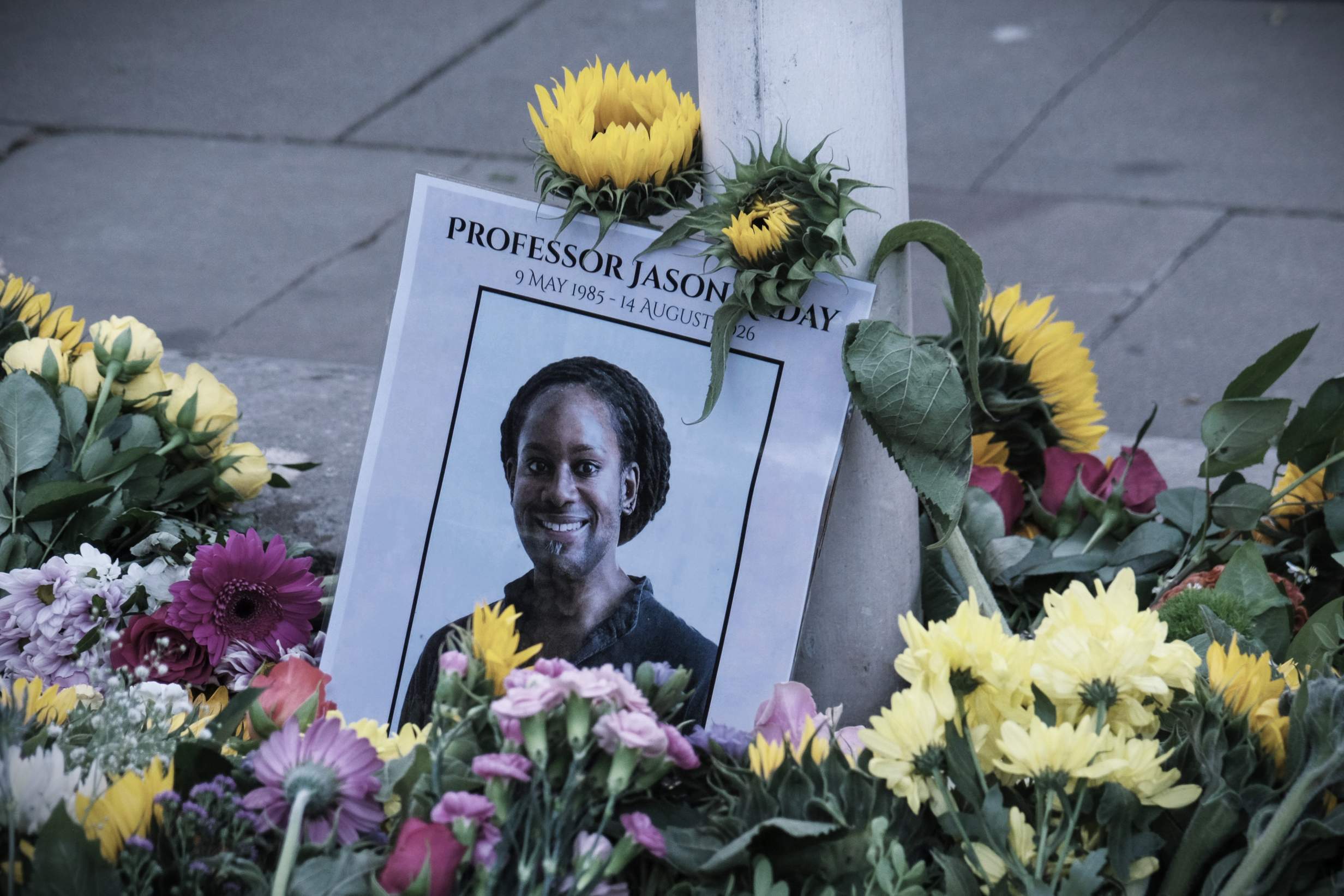
‘Good, Honest, Straightforward, Un-Christian Vengeance’
DEI – ‘diversity, inclusion, and equity’ – schemes are predominantly a feature of American public policy through affirmative action. It is an issue that has been successfully weaponised in recent years, with the hard-right ideology forming around it travelling across the Atlantic from Trump’s America, finding supporters and targets in the UK.
It is the framing its critics use – that DEI is resulting in people who do not deserve on merit to occupy certain positions in our institutions and culture being elevated unjustly – that the case of Jason Arday so powerfully ignited.
In the wake of his death, the attacks on him have not stopped by commentators and academics holding views which aim to dismantle the premise of Arday’s work: that inequalities are not a natural consequence of differences in people’s abilities; and that structures that embed inequalities through issues such as racism, class discrimination, or ableism need to be identified and challenged.
One example of how prominently the DEI narrative was employed around Arday could be seen in comments by his fellow Cambridge University academic James Orr as the story continued to generate headlines.
“What terrifies me is if it turns out Jason Arday’s DEI qualifications were fake, his DEI chair was fake, his DEI discipline was fake, and his faculty and college were DEI bootcamps,” he wrote on X. “Imagine the backlash against hardworking DEI hires?”
That Arday’s resignation from Cambridge University was seen as a ‘victory over DEI’ was on display in an online interview between the controversial historian David Starkey – who has said that slavery cannot be considered to be genocide because “so many damn blacks” survived – and Nathan Cofnas, whose Substack post in July on allegations of serial plagiarism by Arday set the hares running.
Cofnas, an advocate of race science and eugenics, describes himself as a ‘race realist’. His own role at Emmanuel College, Cambridge University ended in 2024 after he wrote that, in a true meritocracy, black people would “disappear from almost all high-profile positions outside of sports and entertainment”.
In the interview, Starkey celebrated Arday’s downfall with Cofnas by observing, “the reason we’re both grinning is good, honest, straightforward, un-Christian vengeance”.
Part of the reason Arday’s death has been so shocking, Aker Downie-Okoye believes, is because “when those like Professor Arday pass, people aren’t just mourning an individual, they mourn everything else he represented”.
“He was the youngest black professor in Cambridge history and the youngest black professor who was neurodivergent,” he told me. “Even those who had not met Professor Arday are seeing something of themselves in him – and I think that makes sense.
“He was working-class, of Ghanaian heritage, black, with dreadlocks, working within a predominantly white institution in a predominantly white country and, in that sense, he occupied a position within minorities. He had built his career around challenging existing inequalities, thinking seriously about questions of race, class, inequality, belonging, mental health. I think there are millions of people who relate to that experience: that their very existence can be an act of resistance.”
Labour MP Dawn Butler, who spoke at a vigil organised in Trafalgar Square, London in the days after his death, said Arday “touched so many people’s lives” and that his students were “fundamental” to the role he played at Cambridge.
Listening to them, she told me, “you know he was much loved and made students feel seen” and “it is so important at this time that those students are looked after and that Cambridge puts their arms around them and offers them the support they need”.
‘Who Influences Those Minds is Fundamental’
But the story of Jason Arday is also the story of James Orr.
Of the wider hard-right ideology which Byline Times revealed has found a foothold in Cambridge University, and which fosters the sorts of ideas that formed the undercurrents – sometimes explicit and sometimes unconscious – that were used against Arday.
The stories of the two professors are connected.
Butler said she “looks forward” to investigations by Cambridge “to make sure people feel safe when they are in an institution where they should be allowed to debate, yes, disagree, yes, but discriminate, no”.
“It is also vital that the rise of the far-right and white supremacy that has infiltrated certain establishments – Cambridge possibly being one of them – is looked into,” she added.
“The task ahead for Cambridge and society is huge. Cambridge holds the future of so many influential minds. Who influences those minds is fundamental.”
Aker Downie-Okoye echoed a similar sentiment: that the case of Jason Arday is another tragic example of the wider structural forces at play around societal hierarchies, accepted thinking, and cultural power.
This “war on ideas”, as he calls it, has also seen prominent black figures such as Misan Harriman, chair of the Southbank Centre, facing intense media criticism for his social media posts, expanding to wider questions about why he was appointed to the role in the first place. He will step down from his position in the autumn, as he has said he always intended to.
Many black public figures in culture, politics, and academia have been too fearful to speak out in recent weeks, aware of the water they are now swimming in.
“This moment is bigger than one individual or even one institution,” Downie-Okoye said. “Education and academia are increasingly sitting at the centre of conflicts around leadership, inclusion, and justice, and who gets to shape ideas. This wider conflict is a war on ideas, which I think has been going on for some time now.
“Recently, there has been a real backlash across the board where some things are treated as though they are ideas worthy of consideration, while others are treated as though their very presence is somehow illegitimate. There is an important question for the University about who gets to decide who belongs in this institution.”
Cambridge has sadly “lost a trailblazer” in Jason Arday, Downie-Okoye concluded. “But it now has the opportunity to decide what it wants to do with his legacy.”
As for James Orr, he may have lost his position in Reform, but he continues his work at the University – without any extensive public or media interest in his activities there. Following the announcement of the police investigation into the undercover footage in which he features, the University said it is “looking into these matters”.
According to analysis by Newscord, 163 articles were published on Jason Arday in the week after he resigned – compared to 13 articles by the same media outlets on James Orr in the week after the broadcast of the undercover filming he appears in.
“The contrast with the comparatively limited attention afforded to controversies involving James Orr is profound,” Richard Sudan of The Voice told Byline Times.
“Accountability cannot function credibly if its intensity appears to selectively change according to the person being held accountable. When black academics appear to receive levels of scrutiny that are not consistently replicated elsewhere, we are right to ask whether accountability itself has become a racialised weapon.”
Meanwhile, the petals of the flowers laid outside Senate House have now been scattered in Jesus College’s gardens, where Cambridge’s youngest black professor was a fellow.
Hardeep Matharu is the Editor in Chief of Byline Times