
 Subscriptions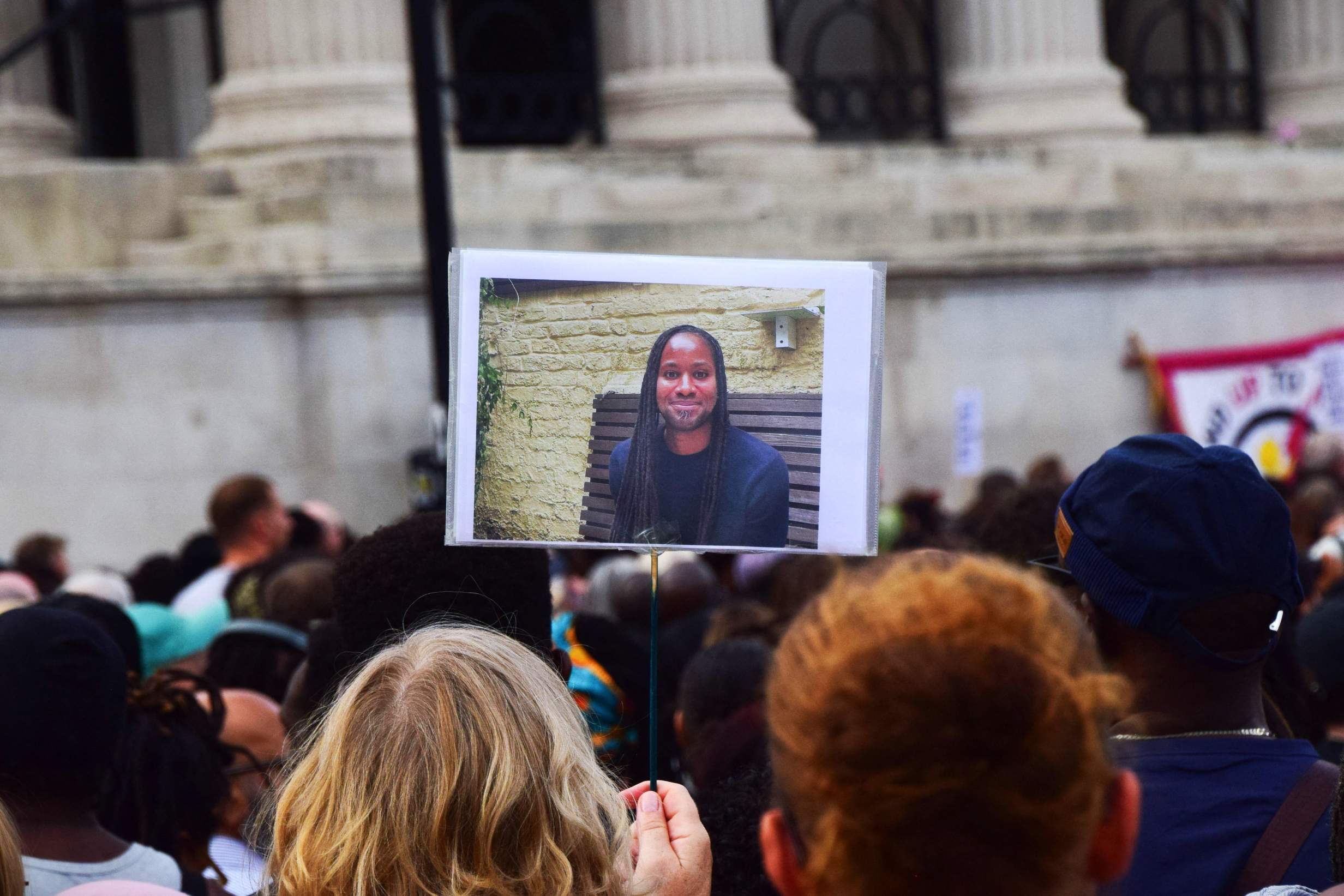
Read our Monthly Magazine
And support our mission to provide fearless stories about and outside the media system
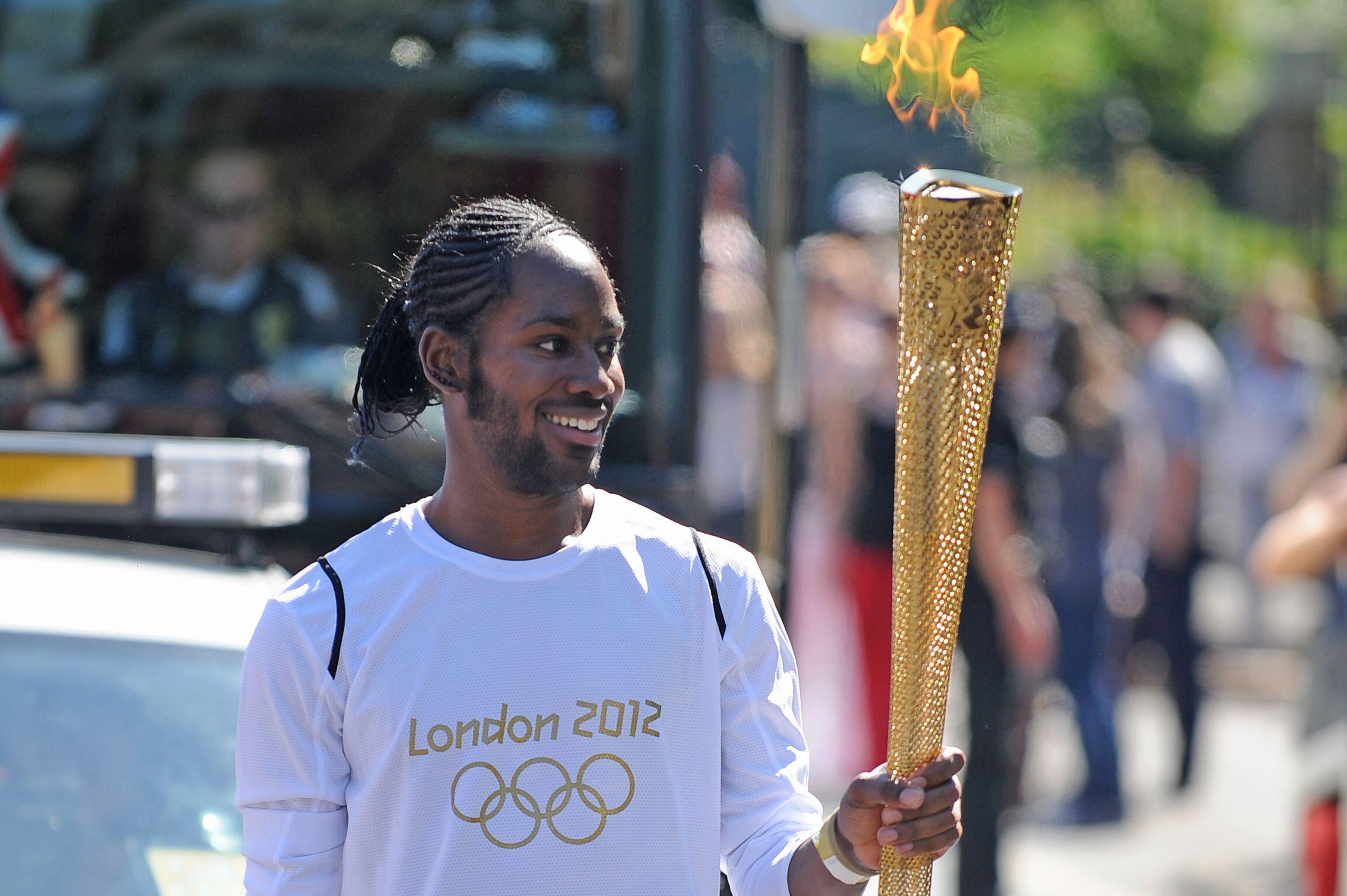
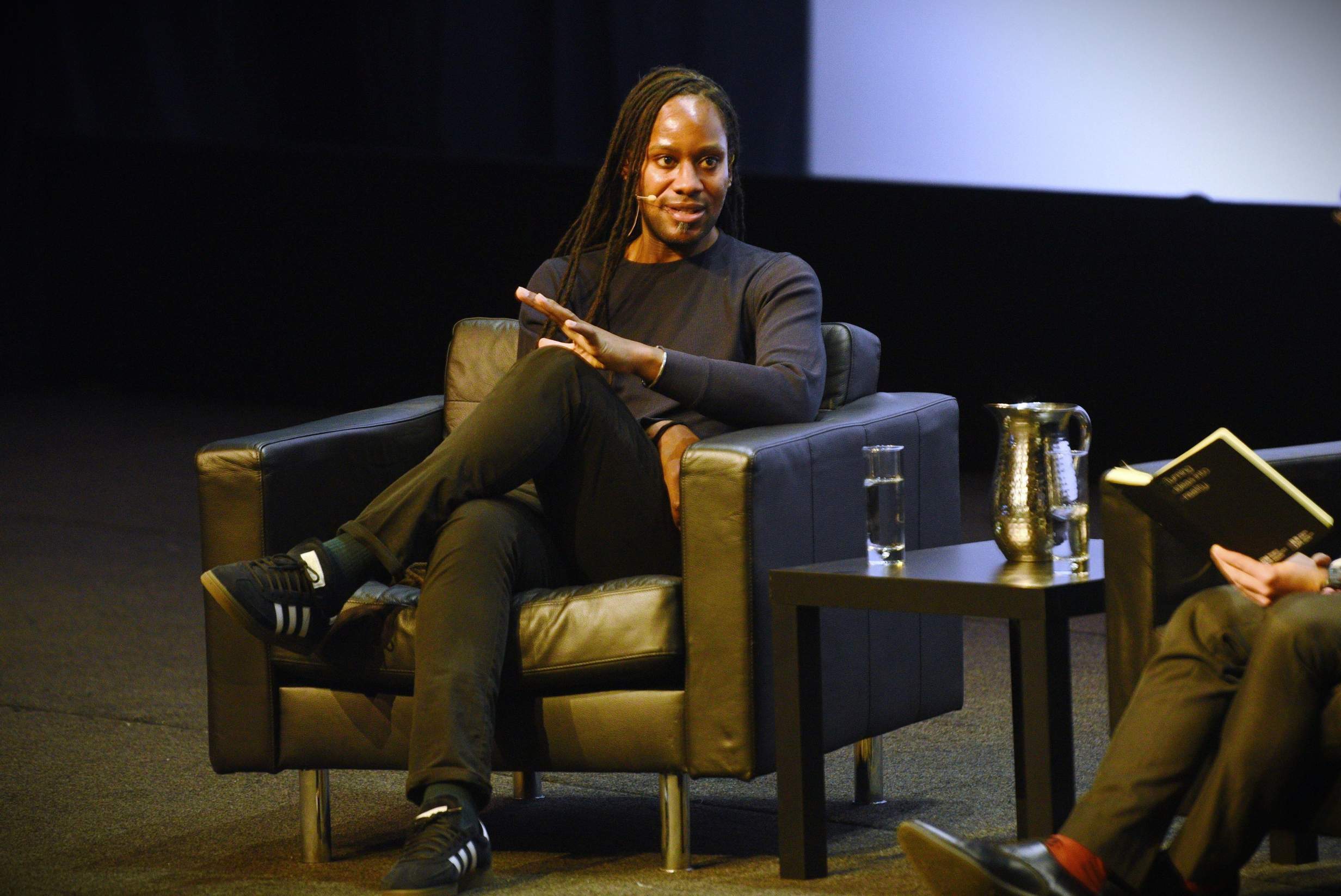
The death of Jason Arday has prompted an uncomfortable question for British journalism: when does legitimate scrutiny become something cruel and destructive?
The 41-year-old resigned from Cambridge University as Professor of Sociology of Education after allegations of plagiarism and questions about aspects of his public biography. Arday denied plagiarism, while acknowledging errors in his work.
He described “an unrelenting level of public scrutiny and personal attack”, saying that the “relentless accusations, speculation and public commentary have taken a profound toll on me and on those I love”.
In the days before his death, friends described a man overwhelmed by what had happened.
Professor Simon Baron-Cohen, director of Cambridge University’s Autism Research Centre, said that Arday told him “they’ve destroyed my life”. He said that “the personal attacks on him have been so immense”.
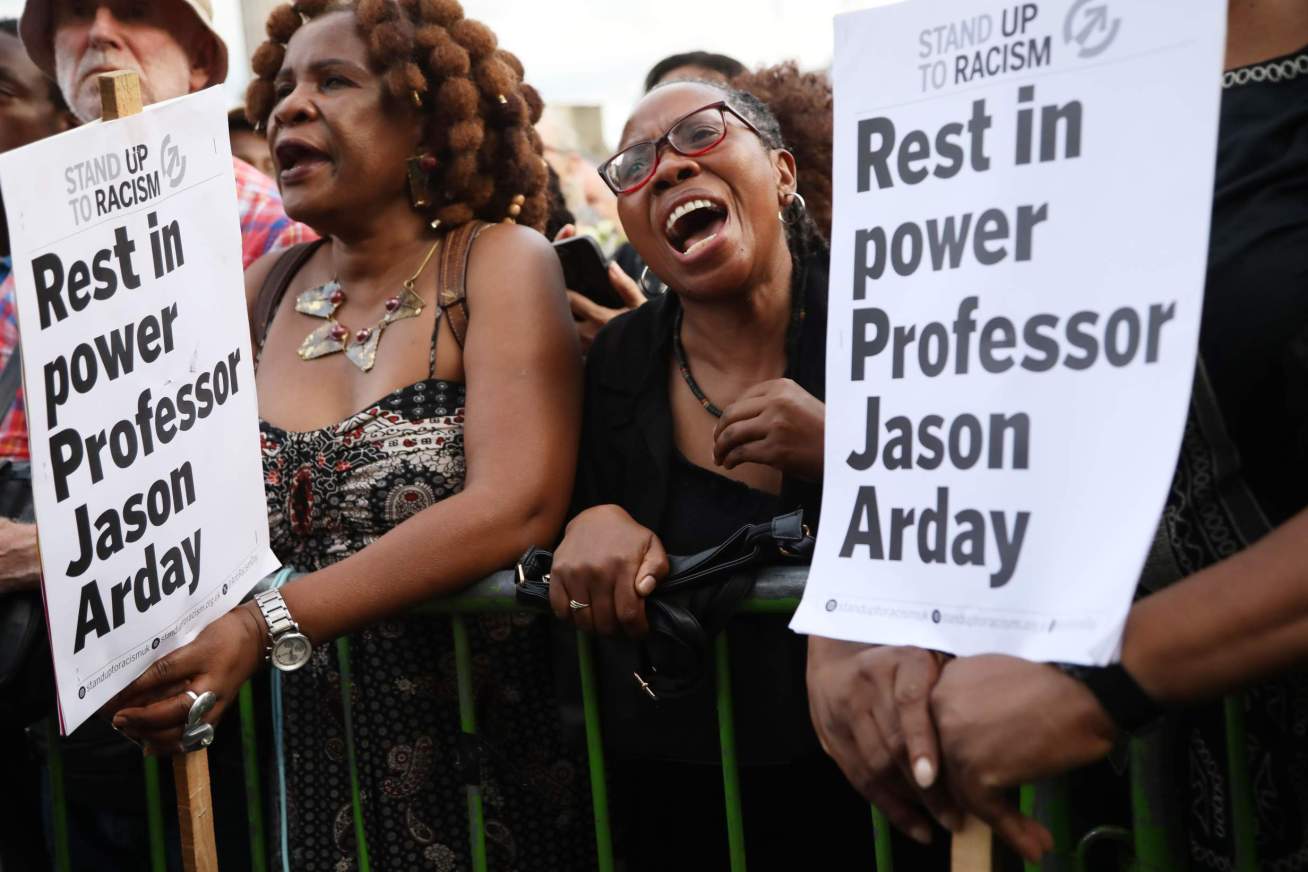
Academic and author Kehinde Andrews said that Arday “felt that there was no way out”.
Arday’s family has said that a “campaign of misinformation” became too much for him.
London Mayor Sadiq Khan described what happened as “an unacceptable public hounding and campaign of abuse” – “a pernicious public shaming”.
The Prime Minister called for “a moment for reflection”.
In that reflection, perhaps we might contemplate the author George Eliot’s comment that “cruelty, like every other vice, requires no motive outside itself; it only requires opportunity”. And there was plenty of cruelty; white hacks lining up to outdo each other in their cruelty towards Arday.
The volume and tone of the attacks on the man were quite shocking.
There Will Be Another Jason Arday
There is no check to fetter power when unfettered power resides in the check
In the fortnight before his death, the Spectator published a succession of articles in which its writers repeatedly turned Jason Arday into an object of personal ridicule.
On 31 July, Toby Young wrote that “the more I read about Jason Arday… the more convinced I am he’s [Sacha Baron Cohen’s] greatest creation”. He later imagined him as an “Ali G-like character”.
On 6 August, John Power penned a purported fact-check of Arday as a guide to the claims of “our modern-day Walter Mitty”.
That same week, the Spectator‘s Commissioning Editor Lara Brown described Arday as a “charlatan” and wrote that “even in the world of racial grievance peddling, Arday was mediocre”.
On 10 August, Owen Matthews called him “the serial fantasist poster cry-bully of our times” and dismissed his work as “twaddle”. That same day, Peter Wood put Arday in the tradition of “imposters”, “tricksters”, and “cozeners”.
On 11 August, Julie Burchill called him “daft Jason Arday” and “the nutty professor”.
Together, it took on the appearance of a gang of leering, bullying faces crowded over a cowed man, each eager to be the next to weigh in, each finding clever ways to turn their anger and violence into something that might, in a London salon, sound even witty.
Clearly, it wasn’t to Jason Arday.
To add injury to their insult, the Spectator published a piece after it was announced that Arday’s body had been found with the headline ‘The tragedy of Jason Arday.’ In it, Melanie McDonagh said that “in death we all should be remembered in our humanity, even in our flawed humanity. And Jason Arday was very human; he bled”. She did not note that it was the Spectator that was there doing the stabbing, the cutting, the slashing, and the gouging.
It was not just The Spectator.
In the three weeks before Jason Arday’s death, the Telegraph published dozens of articles, columns, and news reports about him.
“Cambridge’s diversity poster boy in plagiarism row” on 24 July.
“The Cambridge fantasist is proof that stupid intellectuals…” on 4 August.
“Jason Arday reflects a much deeper rot within universities” on 5 August.
“Jason Arday is living proof that you reap what you sow” on 6 August.
“The fall of Jason Arday: Cambridge’s woke poster boy…” on 6 August.
“A PhD is no longer a sign of brilliance – take it from Dr Arday” on 13 August.
And so on and so on.
Indeed, between 24 July and Arday’s death, The Times, The Sunday Times, and the Telegraph each published at least 40 articles about him. The Daily Mail and MailOnline produced nearly 40. The Independent ran approximately 24. The Spectator more than 20. The Guardian approximately 19.
And the pursuit did not necessarily end when an article was published.
Journalist Carole Cadwalladr has highlighted paid advertising by The Times promoting its coverage of Jason Arday – including one advert which she said had reached 195,746 people and was still running on 16 August, two days after his death.
Cadwalladr argues that this raises an even more uncomfortable question: whether the targeting of Arday was not simply an editorial phenomenon but a commercial one.
She points to the newspaper’s earlier sustained coverage of the black artist Misan Harriman, some of which, she says, is also still being promoted through paid advertisements.
Her charge is that this is not merely journalism pursuing legitimate stories, but “monetised racebait”: a business model in which racially-charged outrage is amplified because outrage attracts attention, and attention makes money.
The Peter Thiel-Linked Race Science Network that Penetrated Cambridge University and Targeted Jason Arday
The media’s coverage of the academic’s life was fuelled by the campaign of an established far-right network
But it takes people to be willing to take part in such bait and so, commercial interests aside, on a personal level, I think it is fair to say this: that many of those people who wrote about Arday in such a way are cruel. They are cruel people.
For let it be clear: it was their bullying that goes to the heart of Arday’s death.
The worst thing is, he was not the first victim where Fleet Street’s teeth have torn a soul to pieces.
Back in 2003, the weapons expert Dr David Kelly was propelled from relative anonymity into the centre of the political battle over Iraq. The Ministry of Defence advisor was found dead on 18 July 2003 in woods near his home in Oxfordshire. His widow told the Hutton Inquiry that her husband “hated it” when press reports belittled him after his name became public as a “junior” figure.
Lord Hutton later concluded that Kelly’s exposure to press “attention and intrusion” was “obviously very stressful”.
In 2012, the Mail published Richard Littlejohn’s column about primary school teacher Lucy Meadows, who was transitioning. He wrote: “He’s not only in the wrong body… he’s in the wrong job.” Littlejohn argued that Meadows was not “entitled to project his personal problems on to impressionable young children”.
After Meadows died by suicide, the coroner, Michael Singleton, delivered an extraordinary rebuke. He accused sections of the press of “character assassination”, “ridicule and humiliation”, telling journalists at the inquest: “Shame, shame on all of you.” He went further, announcing preventive action because, without change, similar conduct “could lead to further fatality”. Clearly no such action has been taken.
In 2014, Sky News confronted Brenda Leyland outside her home about abusive tweets concerning the parents of Madeleine McCann. Reporter Martin Brunt asked: “Why are you using your Twitter account to attack the McCanns?” Leyland replied: “I’m entitled to.”
She took her life two days after the report was broadcast. The coroner later formally recorded that she had “recently been upset by public exposure in the media”. Her son described that exposure as “the final straw”.
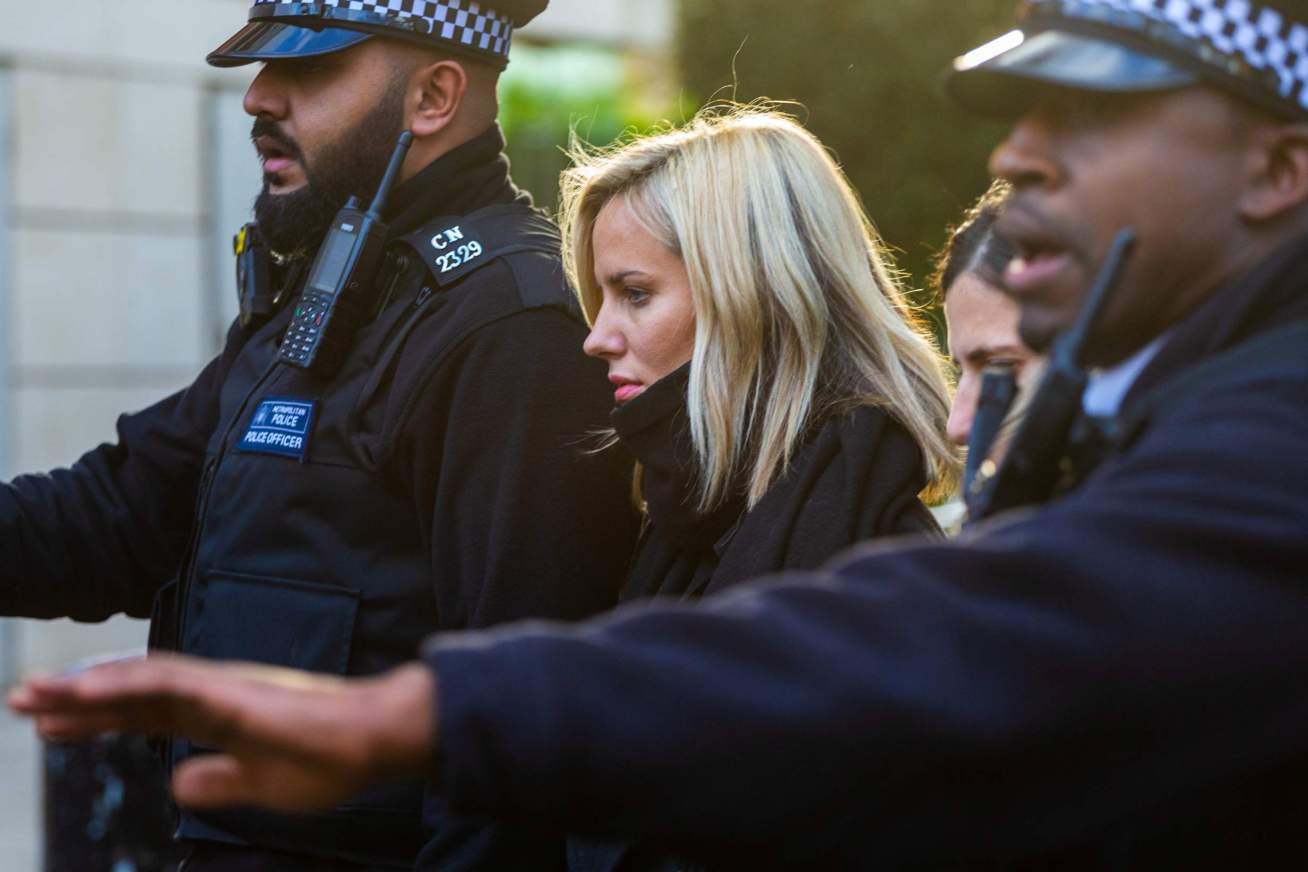
Then came Caroline Flack.
Before her suicide in 2020, allegations that the ex-Love Island and X Factor host had assaulted her boyfriend generated sustained tabloid coverage. The coroner later said that Flack understood prosecution meant “she knew she would face the media, press, publicity” and that “it would all come down upon her”.
The finding identified press attention surrounding the trial as an acute factor in the deterioration of her mental health.
What connects all these cases is not that journalism alone led to the deaths. There is no evidence to fully justify that claim. Each person was caught up in a whirlwind of their own travails and personal horrors.
But what we see with Jason Arday and the others is the hyper-charged metamorphosis of human failure into mass spectacle; done so with words that came with the intentional weight of violence.
The civil servant became the “MoD mole”. The teacher became a ‘culture war’ symbol. The anonymous Twitter user was confronted on television. The celebrity allegation serialised as drama. The academic became a clown.
And perhaps it was this that was sufficient to push them over the edge.
There is another recurring trauma.
Yes, individual journalists sometimes express profound remorse. Martin Brunt said that the experience would remain with him. But the institutions that publish the attacks rarely accept responsibility.
The Telegraph even deleted, without fanfare, the word ‘living’ from the headline of Stephen Daisley’s article on Jason Arday. It now reads ‘Jason Arday is proof that you reap what you sow’.
That small edit speaks volumes. The words might have been edited, but the logic of the publication model – culture war clickbait masquerading as political commentary – carries on.
And there is no reckoning with the cumulative effect of dozens of articles, the ridicule layered upon accusation, or the transformation of a flawed human being into a public object upon which anyone with a column could take another swing. Responsibility dissolves into the defence that each individual article was legitimate.
Yet cruelty can be cumulative. Forty defensible blows is still a beating.
So, yes, journalism cannot operate without scrutiny, accusation, and often uncomfortable questions. But neither can it pretend that ad hominem attacks, repeated insults, and public humiliation come without consequence.
Melanie McDonagh signed off her piece on Arday, written as if the press had no role whatsoever in his death, Requiescat in pace.
Requiescat in pace, perhaps. But for those of us that remain, there should be no peace for this kind of journalism. We must rage against its cruelty, against the casual conversion of humiliation into entertainment, against the idea that because each blow can be defended in isolation no one bears responsibility for the beating.
When the pack gathers again, as it surely will, we should remember Jason Arday. We should rage – rage against the journalism of cruelty.