
 Subscriptions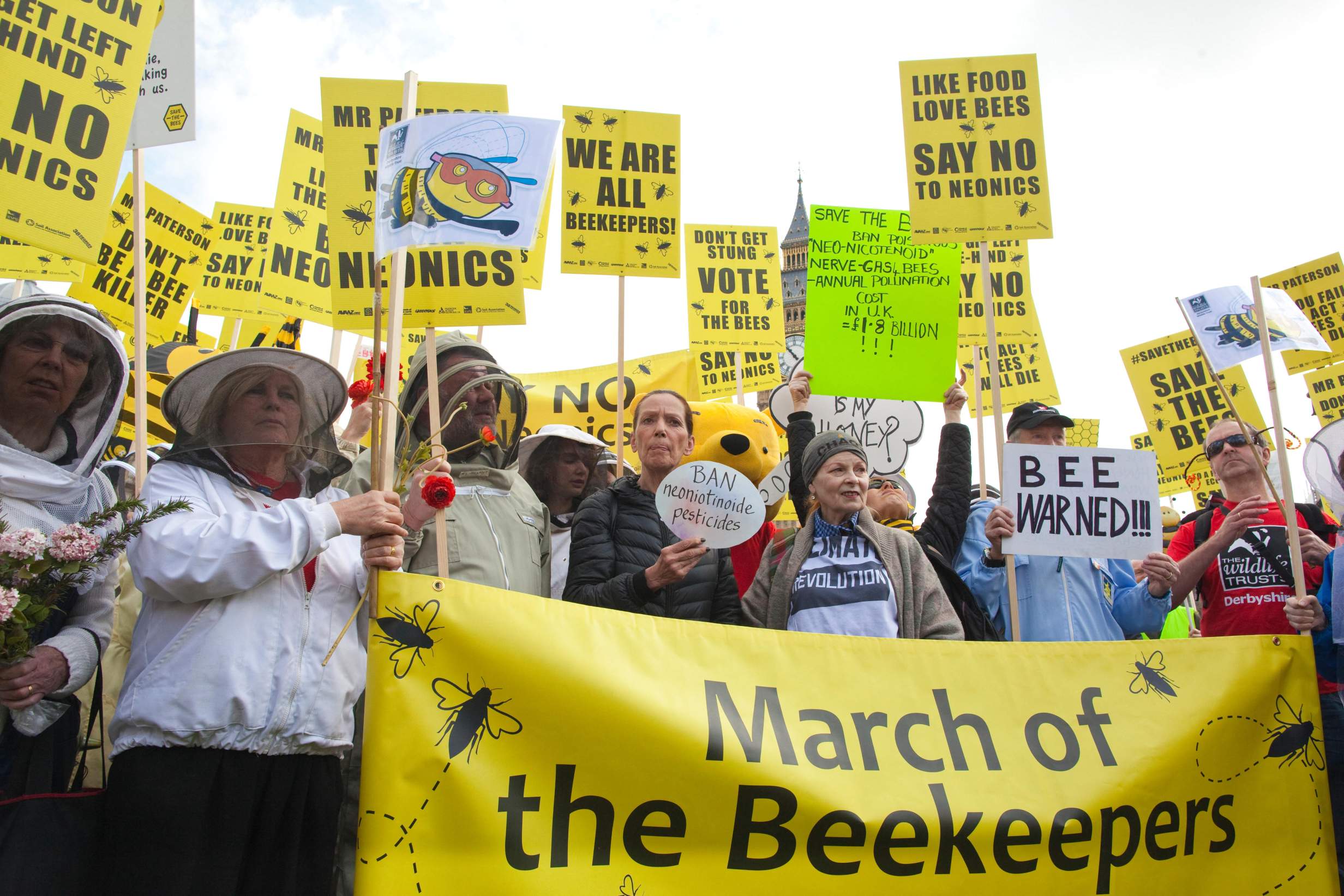
Read our Monthly Magazine
And support our mission to provide fearless stories about and outside the media system
The UK Government is considering a new report calling on the UK to match the EU’s tough rules limiting harmful pesticides from farmland, in order to protect the public, as part of a new deal with the bloc.
Brits may be more exposed to harmful usage and health risks from pesticides after Brexit, according to a cross-party body of experts and politicians, as Britain has diverged from EU bans on toxic chemicals used in the food supply.
The EU has introduced stricter regulations and banned dozens of harmful pesticides since 2021, with the UK not following suit – and instead “drastically falling behind” according to the authors.
Of the 14 chemicals banned by the EU since Brexit but still allowed in the UK, 10 were found to pose serious hazards to human health, wildlife or the environment, the Times reported in February.
A report from the UK Trade and Business Commission (UKTBC), backed by campaigners Best for Britain, has set recommendations on how the UK can agree an ‘agri-food’ deal with the European Union (EU). The Government is currently negotiating this SPS (sanitary and phyto-sanitary) deal with Europe.
Environmental campaigners say there is a window of opportunity to bring the UK back into alignment with stricter EU standards on pesticides.
ENJOYING THIS ARTICLE? HELP US TO PRODUCE MORE
Receive the monthly Byline Times newspaper and help to support fearless, independent journalism that breaks stories, shapes the agenda and holds power to account.
We’re not funded by a billionaire oligarch or an offshore hedge-fund. We rely on our readers to fund our journalism. If you like what we do, please subscribe.
Ministers are understood to be working on a transition away from the UK’s ‘go it alone’ post-Brexit pesticides regulatory system, to a new one, which will be set out in the SPS agreement currently being negotiated. A spokesperson for Defra would not comment as talks are ongoing.
Nick Mole, policy manager at Pesticide Action Network UK, said: “No one voted for Brexit because they wanted more toxic chemicals in their food and fields.”
“The UK returning to European pesticide regulations is crucial to ensuring higher health and safety standards across the country,” he argued, backing the report.
Since 2021 the UK has “fallen behind” the EU by failing to reduce Maximum Residue Levels (MRL), the maximum permitted level for pesticides within or on food or animal feed. These lower standards can potentially increase health risks and threaten the environment, according to Pesticide Action Network.
In the new report on the UK-EU SPS Agreement, the UK Trade and Business Commission calls for time to adapt for farmers if UK rules are realigned with the EU on pesticides, saying: “[The Government] should seek to introduce appropriate transition periods, balancing the need to protect British farmers from being unfairly penalised with the need to arrive at full alignment in order to realise the benefits of increased agrifood trade.”
However, the report also suggests it would be beneficial to maintain the UK’s independence on animal welfare standards, which have emerged since 2021: “The UK Government has diverged from EU rules in some areas in ways which have raised UK animal welfare standards. These include banning exports of live animals, and introducing protections for some seabirds.”
Polling by YouGov in September suggests close to six in ten (58%) of Brits support the UK agreeing to the same environmental rules as the EU, regardless of their voting intention. Just one in four (25%) opposed this, while the number of Brits who were “strongly” supportive (30%) outweighed those who were opposed.
Don’t miss a story
Closer Ties
It comes as the Government announced plans for a European Partnership Bill in the King’s Speech. Ministers are keen to strengthen ties with the European Union, believing Brits back a closer relationship with the European Union (EU) “where it benefits the national interest.”
A briefing on the King’s Speech from ministers on Wednesday pointed to forthcoming deals on electricity, emissions trading, and food and drink with the EU as necessary to “tear down unnecessary barriers to trade” which have emerged as a consequence of Britain’s departure from the EU.
Officials believe the food and drink (SPS) deal could add up to £5.1 billion a year to the economy and increase agricultural exports to the EU by 16 per cent, while cutting queue times for lorries at the border, though details are still scarce.

‘Nigel Farage Is the Architect of the UK’s Decline and It’s Time for the Rest of Us to Rebuild Our Home in Europe’
The damaging Brexit experiment imposed on us must now be reversed, argues former Green MP Caroline Lucas
Best for Britain and environmental campaigners are calling on the UK government to align with the EU’s higher pesticide standards to better protect the public, wildlife and the environment.
Naomi Smith, Chief Executive of Best for Britain, which campaigns for closer UK-EU ties, told Byline Times: “Environmental standards are a clear victim of Brexit: while the EU has tightened rules on harmful pesticides, the UK has drifted in the opposite direction and put our environment and health at risk.
“Voters and experts both agree that we must fully align with European pesticide standards, and that the British public deserve better than a race to the bottom.”
Chloe Alexander, chemicals policy lead at Wildlife and Countryside Link, added: “Since Brexit, pesticide standards in the UK have fallen behind the EU, risking more toxic chemicals in our soil, food, water and wildlife.
“We must urgently match EU bans on pesticides linked to cancer, reduced fertility and groundwater pollution and align with its protections as a regulatory baseline for reducing their widespread use and ensuring nature’s recovery.”
The UK Trade and Business Commission brings together MPs, peers and experts to provide independent scrutiny of the UK’s trade deals and provide recommendations to the Government.
Recent research commissioned by Best for Britain and undertaken by Frontier Economics found that a policy of ‘deep alignment’ in both goods and services with the EU could shield the UK from the economic impact of new US tariffs, while driving growth of 1.5%.
Got a story? Get in touch in confidence on josiah@bylinetimes.com
holding farage to account #reformUNCOVERED
While most the rest of the media seems to happy to give the handful of Reform MPs undue prominence, Byline Times is committed to tracking the activities of Nigel Farage’s party when actually in power


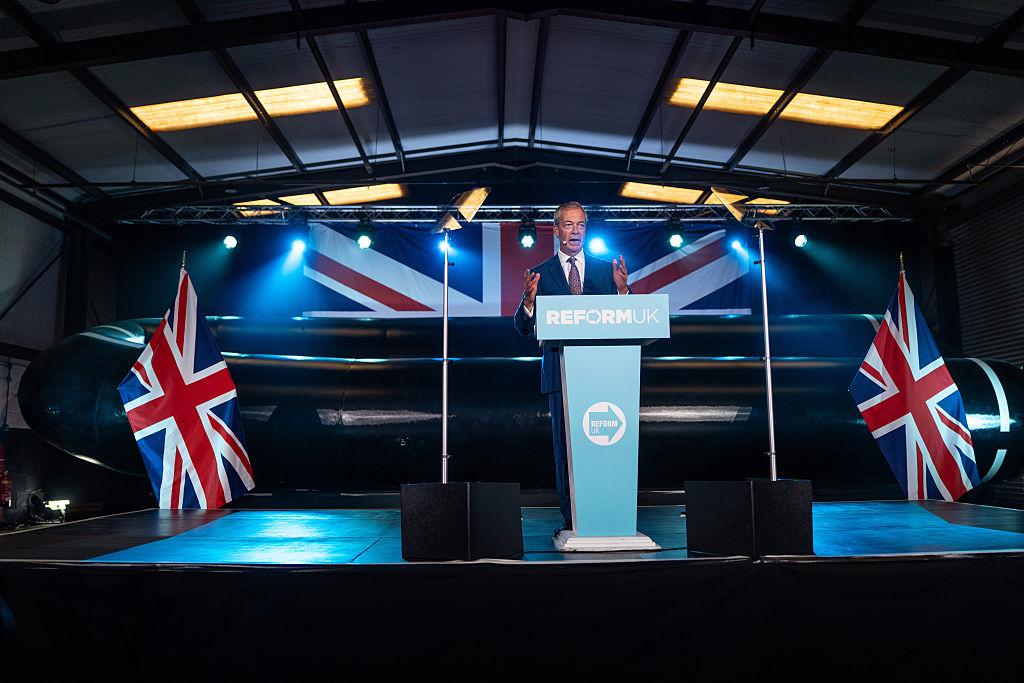


 Contribute to our #ReformUncovered crowdfunder
 Subscribers Get More from JOSIAH
 Subscribers Get More from JOSIAH
Josiah Mortimer also writes the On the Ground column, exclusive to the print edition of Byline Times.
So for more from him…
