
 Subscriptions
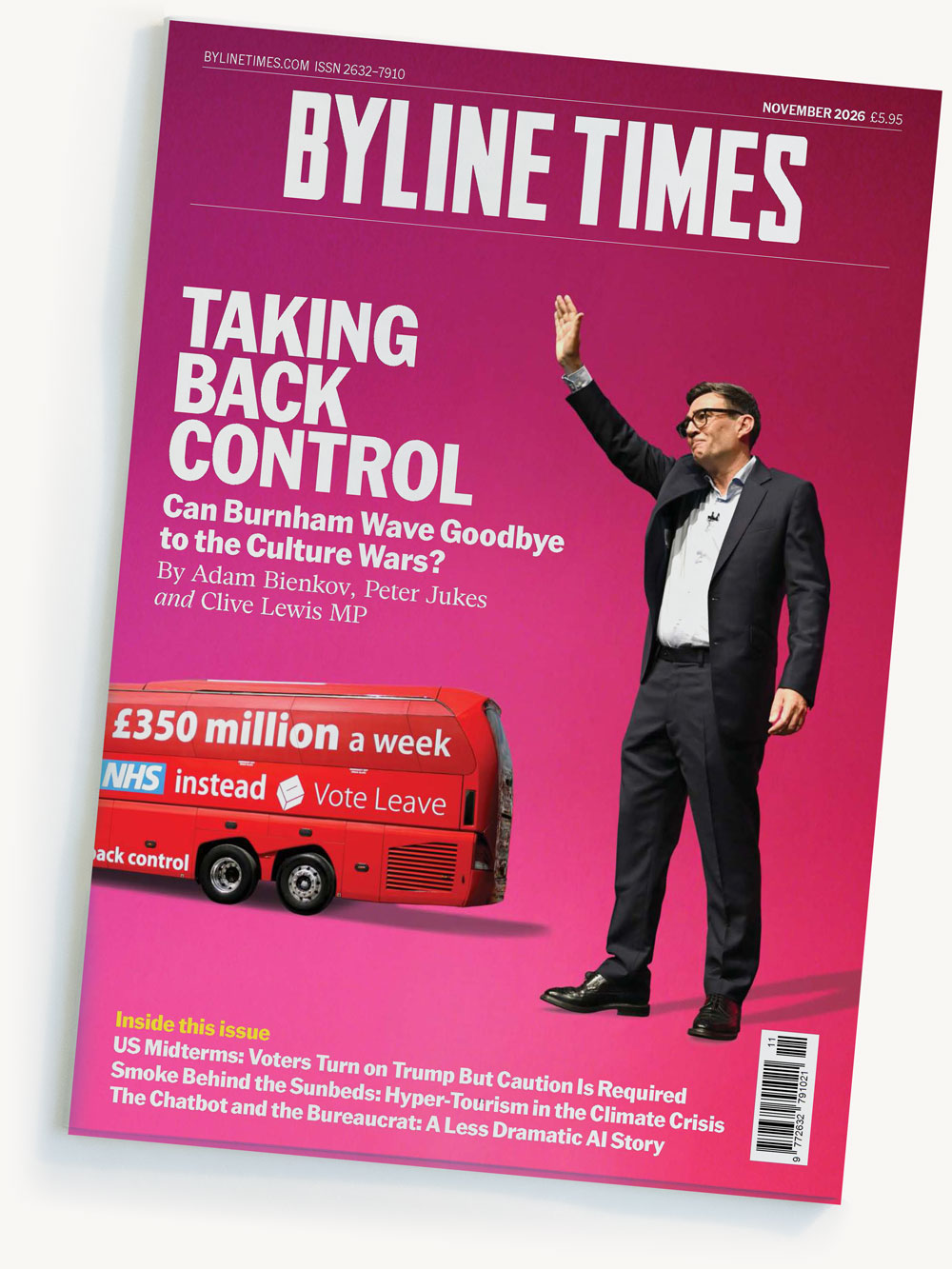
Read our Monthly Magazine
And support our mission to provide fearless stories about and outside the media system
There is a particular kind of audacity required to spend decades dismantling something, then point to the rubble and declare it someone else’s fault. Nigel Farage has that audacity in spades. He has built an entire political career on it.
Nearly 10 years have passed since the referendum that he claims as his great triumph. The sunlit uplands he promised from the bonfire of red tape, the booming trade deals, to the £350 million a week for the NHS, have not merely failed to materialise. They have been exposed, comprehensively and painfully, as the fabrications they always were. And yet here he sits in Parliament, still selling the same snake oil, now repackaged as Reform UK, positioning himself as the answer to a crisis that he personally played a large part in engineering.
A new report from Best for Britain – Is It Time to Talk About EU Membership? – cuts through the fog with uncomfortable clarity.
It finds that EU membership is the only sustainable policy position for this or any future government: more popular than joining a customs union or the single market, and delivering by far the most prosperity of any option under consideration. Read that again. Not single market access. Not a customs union. Full membership. That is where the evidence points, and that is where the public, ahead of the political class as ever, is already heading.
But the Brexit reckoning is not best measured in spreadsheets and GDP projections. It is measured in the texture of ordinary life and in the quiet, steady unravelling of things we were told were perfectly safe.
Ask the postgraduate student who watched her Erasmus+ placement evaporate overnight. Ask the marine biologist whose EU research consortium dissolved the moment Britain’s membership did. Ask the young musician who can no longer tour freely across Europe without a blizzard of permits, carnets, and visa applications that price smaller acts out of the continent entirely. These are not abstract losses. They are the lived consequences of Farage’s project, felt most acutely by precisely the curious, outward-looking, creative people that Britain has always depended upon to punch above its weight in the world.
Our universities have been among the most grievously wounded institutions. Britain was once a titan of European research collaboration, a magnet for the continent’s brightest minds, and a launching pad for scientific work that improved lives far beyond our shores. Brexit did not merely complicate that relationship; it corroded it.
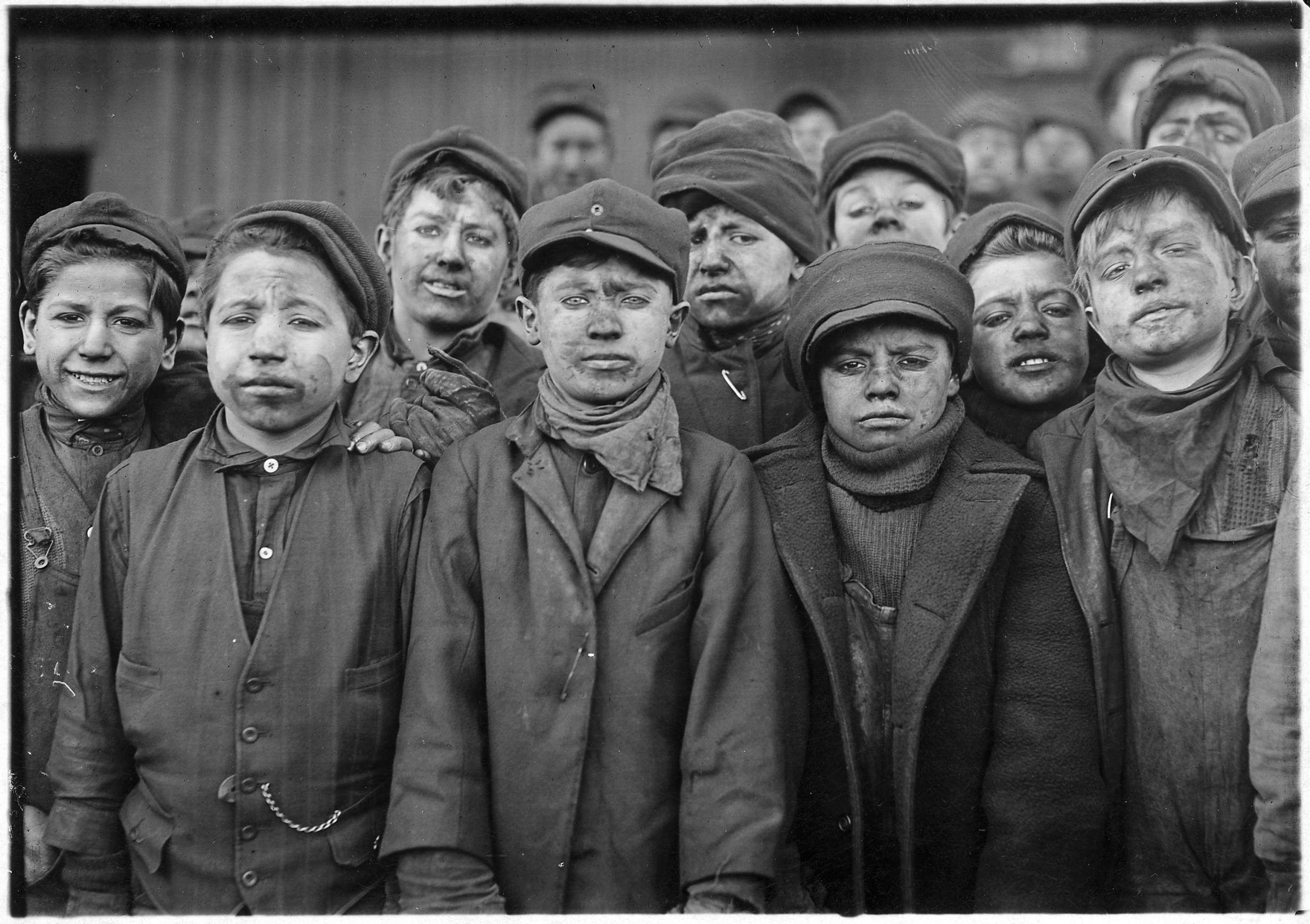
Finally, Big Tech is Being Put on Trial
Two recent verdicts finding social media companies liable for harms suffered by users have, for the first time, pierced the shield that has long protected tech giants from facing accountability for the negative effects of their products.
Associate membership of Horizon Europe, secured belatedly and at considerable cost, is a pale shadow of what full participation once offered. Joint bids are harder. Mobility is curtailed. The informal daily rhythms of international academic life, the conferences, the postdoc exchanges, the spontaneous collaborations that produce genuinely world-changing science have been quietly chilled.
We are a less intellectually open country than we were, and that impoverishment belongs entirely to Farage and those who march behind his banner.
And the damage is not merely felt at home.
This is where I find myself most frustrated by the narrowness of the current debate. When Britain walked away from the EU, it did not simply rearrange its trade relationships. It severed itself from the world’s most powerful diplomatic bloc at precisely the moment when the world needed that bloc to be stronger, not weaker. Putin will have cheered when the British narrowly voted to leave. Brexit weakened the West, by diminishing the EU’s military, diplomatic and economic potential. With an expansionist Russia on our eastern frontier and a volatile White House treating its allies as transactional irritants, Britain and the European Union need one another.
The great crises of our age, whether climate and nature breakdown, geopolitical instability, or the hollowing out of multilateral institutions, do not respect national borders. They demand collective responses at scale. On a whole range of environmental protection measures, for example, the EU has forged ahead. Britain, alone, negotiating from outside the world’s largest single market, is a diminished advocate for anything: for climate ambition, for human rights standards, for trade rules that protect workers rather than exploit them. Farage’s Brexit did not make us sovereign. It made us smaller.
The Best for Britain report shows something politically significant: Labour, Liberal Democrat and Green Party supporters overwhelmingly support all options for closer relations with the EU, and support membership most of all. The progressive majority in this country has not forgotten what was taken from it in 2016. The question is whether our political leaders will finally stop being afraid of that majority and start representing it.
The taboo around the word “membership” has been maintained not by principle but timidity. Farage built his project on lies. The least we can do is have the courage to tell the truth about what those lies have cost us in our classrooms, laboratories, training colleges, concert halls, and our standing in a world that badly needs Britain to be more than a bystander.
The time for half-measures and managed decline is over. It is time to talk about membership.
Caroline Lucas writes an exclusive column for the monthly print edition of Byline Times
ENJOYING THIS ARTICLE? HELP US TO PRODUCE MORE
Receive the monthly Byline Times newspaper and help to support fearless, independent journalism that breaks stories, shapes the agenda and holds power to account.
We’re not funded by a billionaire oligarch or an offshore hedge-fund. We rely on our readers to fund our journalism. If you like what we do, please subscribe.