
 Subscriptions

Read our Monthly Magazine
And support our mission to provide fearless stories about and outside the media system
You will be forgiven for missing a raft of new significant developments over the past few weeks that do not concern the actions of Donald Trump.
Nonetheless, from climate action to new laws being proposed, the UK’s Labour Government has been busy with some pretty major reforms, as well as some smaller initiatives that could significantly affect people’s lives.
Most of these have been buried well away from the newspaper front pages.
So here’s a collection of some recent news from Westminster and Whitehall you may have not seen, as part of an occasional series looking at what the Government is really getting up to.
This list is by no means conclusive, and it is up to you whether you think the news is either good or bad. Mostly, as you’d imagine, they are things the Government sees as positive developments – as we’ve picked out announcements which haven’t been extensively reported on.
However, the examples do offer a flavour of some of the things that we could, but aren’t, talking about. The war in the Middle East is a clear reason behind some of these silences. But it doesn’t account for all of it.
ENJOYING THIS ARTICLE? HELP US TO PRODUCE MORE
Receive the monthly Byline Times newspaper and help to support fearless, independent journalism that breaks stories, shapes the agenda and holds power to account.
We’re not funded by a billionaire oligarch or an offshore hedge-fund. We rely on our readers to fund our journalism. If you like what we do, please subscribe.
1. Orgreave Inquiry formally launched
On 26th March, the Orgreave inquiry began investigating the violence that arose between police and picketing miners at Orgreave Coking Plant on 18 June 1984, resulting in 95 arrests and scores of injuries.
The attacks by police – and the search for truth about what orders they were given and how they behaved – have been a bubbling concern of unions for the past 42 years.
Those arrested were charged with riot and unlawful assembly, but all charges were later dropped after police evidence was discredited.
The terms of reference have now been published, in consultation with the Chair, the Rt Revd Dr Pete Wilcox, the Bishop of Sheffield, and informed by his engagement with campaigners, policing bodies, and local representatives.
The inquiry has formal statutory powers to demand evidence. Chris Kitchen, General Secretary of the National Union of Mineworkers, said: “Our hope is that once the truth has been brought to light, those directly and indirectly affected can finally start to move on.”
Don’t miss a story
2. New rules on ‘subscription traps’
A new Government crackdown on unwanted and misleading subscriptions has been launched which ministers say will save consumers around £400 million every year.
New rules, announced on 2nd April, aim to make it “simpler and far less painful to escape unwanted subscriptions, stop people being silently rolled onto expensive contracts and ensure that companies are upfront and open when selling subscription services.”
The hope is to tackle the cost-of-living by giving consumers greater control over their spending.
Newspaper groups have expressed concern that a new 14-day cooling off period for subscriptions will mean people can reap the benefits of their reporting for free during major events, before cancelling. It is the first battle the Government has engaged with the media for a while.
3. Badger culling to end
Campaign group Protect the Wild says that environment department Defra has confirmed that badger culling will end once the final Cumbria licence expires.
The group says: “Back in 2022, midway through the cull, we released undercover footage from Grafton Pet Crematorium in Northamptonshire. What it showed was shocking. Badgers being carelessly handled and stored, with a complete disregard for basic biosecurity.
“This is a cull justified on the basis of disease control, yet those involved were behaving as if there was no risk at all. If these animals truly posed such a threat, why were they being treated like this? It raised serious questions, not just about standards, but about the entire premise of the policy…”
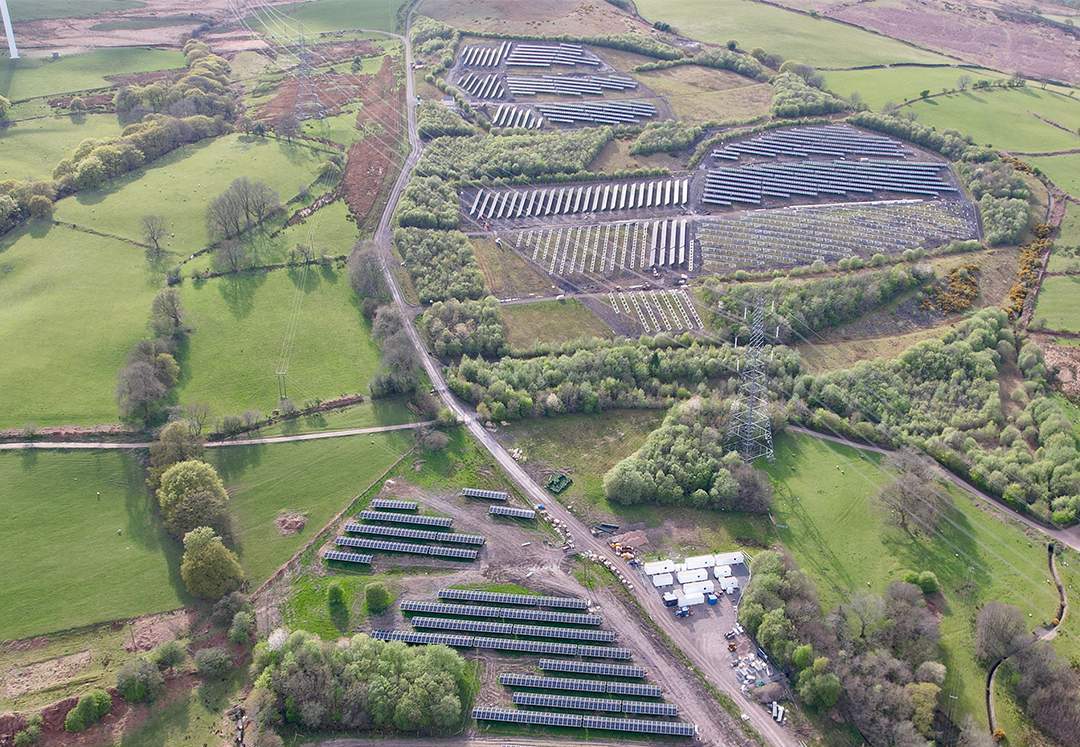
From Coal Tip to Clean Energy: The UK Projects Turning Former Mines Into Renewable Powerhouses
Solar farms, wind turbines and geothermal heat pumps are breathing new life into former collieries. So why don’t we hear more about them?
“Now, we have to be listened to…it is so important that we recognise moments like this. This is progress. This is a win.”
Groups like Badger Trust and Born Free have also been fighting the cull, alongside high-profile figures like musician Brian May.
Defra has been contacted for comment.
4. Species Recovery Programme funding doubled
The Government has unveiled the first five species set to benefit from the “largest ever amount” of Government funding for threatened species in England.
The turtle dove, diamond-backed spider, Eurasian oystercatcher, red-billed chough and glutinous snail are among the hundreds of species set to benefit from new funding for recovery projects across England.
The Government will invest £60m over the next three years – more than double the previous round of funding – into the Species Recovery Programme, administered by Natural England. A further £30m will be dedicated to fund species recovery on the national forest estate.
Defra has also revealed a new campaign, “Wild Again: Restoring England’s Wildlife”, which will promote work to protect and recover native species.
5. First Young Futures Hubs open
The first eight ‘Young Futures Hubs’ have opened in Birmingham, Brighton and Hove, Bristol, County Durham, Leeds, Manchester, Nottingham, and Tower Hamlets.
It’s part of the National Youth Strategy, with a network of 50 Hubs eventually providing joined-up services across mental health and wellbeing, employment and crime prevention.
The hope is to “transform the lives of young people, cut crime and protect communities, divert them away from knife crime and anti-social behaviour, provide them with services and advice to combat social isolation, mental health and unemployment, and give access to safe, trusted adults.”

James Orr and the Messianic Transatlantic MAGA Alliance Trying to ‘Save’ Britain
Peter Jukes and Nafeez Ahmed reveal how James Orr, Nigel Farage’s new head of policy, is the key religious and ideological linkman for Palantir’s Peter Thiel and Sir Paul Marshall’s GB News
6. Green hydrogen
The Government is investing directly in a major green hydrogen project.
A combined £86.5m cash injection from the Government and GB Energy will fuel a 1GW green hydrogen facility in South Yorkshire, with GB Energy taking a 10% stake in the firm behind it, ITM Power.
Energy Voice reports: “GB Energy has secured a £40m stake in ITM Power as the Sheffield-based firm sets its eyes on building 1 GW electrolyser manufacturing line.
“ITM Power also secured a £46.5m grant from the Department for Energy Security and Net Zero (DESNZ). The funds will support the establishment of a new large-scale automated manufacturing line in the UK with an annual production capacity of 1 GW for its Chronos electrolyser stack, underpinned by strong order momentum and growing order backlog over the last 24 months, according to the firm.”
It comes as the Government implements “streamlined” planning and regulatory approvals for Sizewell C nuclear site (hoping to power 6m homes and create 17k jobs) and the Lighthouse Green Fuels sustainable aviation fuel plant.
7. New Election Protections
The Electoral Commission has issued new guidance to demand “respectful” campaigning ahead of May’s elections, and making clear that AI-generated disinformation is unacceptable.
Candidates at elections have been subject to “unacceptable abuse” while campaigning in recent years, the elections body says. The Commission’s most recent candidate research found that 61% of respondents, who were candidates at the 2025 local elections in England, experienced harassment or security threats during the campaign.
The Commission is working with the police to tackle electoral abuse and intimidation, “encouraging all forces to treat allegations seriously and consistently.”
Candidates will be directed to Government guidance about how they can improve their security and when to contact the police.
Greens Could Be ‘Kingmakers’ in Wales as Leader Reveals Power-Sharing Demands
EXCLUSIVE: Welsh Green leader says the party’s support in a potential coalition “doesn’t come free”
The Commission has published a set of principles to guide campaigning at the May elections, with a focus on maintaining respect, safety and honesty during robust debate.
It was created in response to recommendations made by the Speaker’s Conference on the security of MPs, candidates and elections.
A spokesperson said: “The principles build on common themes across parties’ existing codes of conduct, and aim to put in place a common, minimum standard of behaviour, to make sure that campaigners feel supported and protected.”
8. Cost of Living Help
The Government is promoting some significant cost-of-living measures that came into force at the start of April, including:
- Two-child limit for Universal Credit and tax credits claimants scrapped – lifting an estimated 450,000 children out of poverty
- Prescription charge freeze in England (it’s being kept under £10)
- National Living Wage rise to £12.71/hr; National Minimum Wage rises for under-21s and apprentices
- Average £117 reduction on household energy bills for the next three months, plus the £150 Warm Homes Discount for lower-income households
- Most inflation-linked benefits uprated by 3.8%
- Child benefit increases by 3.8%. Weekly rates have risen to £27.05 for the eldest/only child (up from £26.05) and £17.90 for each additional child (up from £17.25). It means an annual increase of £52 for the first child and £33.80 for subsequent children
- A new £1 billion/year Crisis & Resilience Fund launched to replace the Household Support Fund
- Healthy Start vouchers increased by 50p a week
- A state pension uplift of 4.8%, rising to £241.30 per week
- Universal Credit standard allowances given an additional 2.3% uplift
9. London: Youth Clubs brought back
London Mayor Sadiq Khan has pledged £30m for a new youth club in every London borough.
The new ‘Youth Lates’ programme aims to “bring youth clubs back into every community after almost two decades of austerity.”
City Hall says it’s the biggest ever investment in youth clubs by a Mayor and “will keep young Londoners safe and tackle the causes of crime.”
Youth Lates will offer young Londoners activities, mental health support, mentorship and food under one roof.
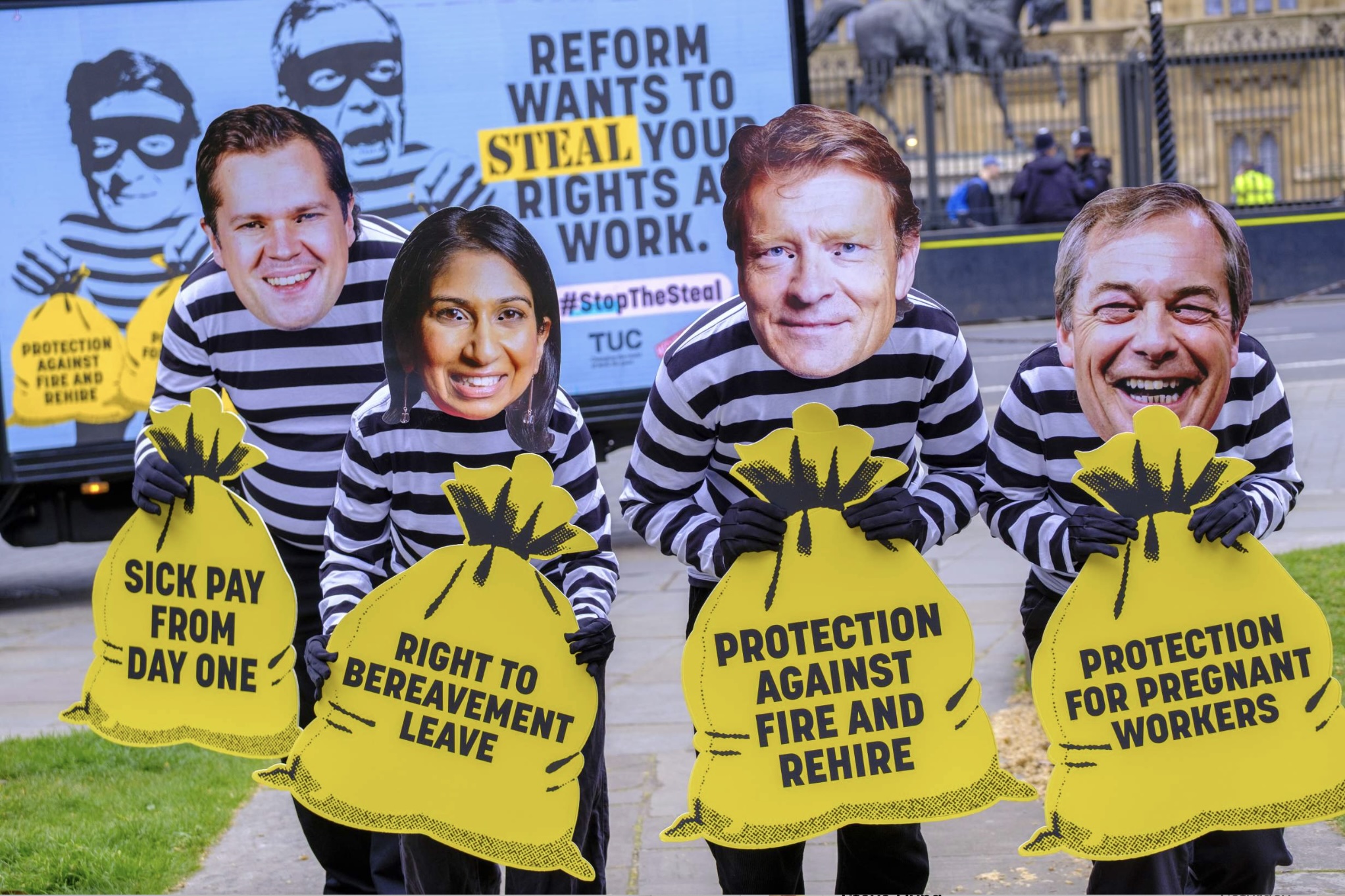
Voters in Reform Seats Don’t Like Nigel Farage’s Plan to Rip Up Workers’ Rights
Even voters in Nigel Farage’s own constituency support the new workers rights that he has committed to tear up, a major new poll suggests
The Mayor’s team says he is also providing “record funding” for tougher police enforcement as “one part of the solution to tackling crime.”
Youth Lates will feature activities that could include music production, gaming, sport and creative opportunities, alongside wider support for mental health, life skills, careers and education, after school hours.
10. New Ofcom chair
Sir Ian Cheshire has been named as the Government’s preferred candidate for Ofcom Chair.
The broadcast watchdog has a big job on its hands – not only regulating broadcast media now but the internet too through the Online Safety Act (particularly around protecting young people), as well as new powers governing streaming services. And of course the question of what to do about ‘Reform TV’ – GB News.
Cheshire was Chair of Channel 4 until April 2025 but his background is primarily in business. He has held FTSE 100 Non-Executive Director roles at Barclays PLC, including as Chairman of Barclays Bank UK, and others.
He spent 17 years at Kingfisher PLC, an international home improvement company, becoming CEO. He’s also been CEO of B&Q and held senior roles at Debenhams. Cheshire’s Government experience is limited but includes being the lead Non-Executive Director at the Cabinet Office.
The New World reported that Cheshire’s tenure at Channel 4 was politically fraught. Labour strongly criticised Cheshire’s appointment as chair of Channel 4 in 2022, suggesting he was a Conservative plant: “This decision stinks of more cronyism,” then shadow-culture secretary Lucy Powell said.
While he was brought in by then-Culture Secretary Nadine Dorries, who was campaigning to have the broadcaster privatised, Cheshire is generally seen to have helped Channel 4’s successful efforts to resist privatisation. Other candidates on the final three shortlist were veteran Labour MP Margaret Hodge, the respected former chair of the Public Accounts Committee and now a Labour peer, and Sir Jeremy Wright, who served as Culture Secretary and Attorney General during the last Conservative Government.
Blow to Nigel Farage After Government Bans Crypto Donations in Urgent Crackdown on Foreign Political Interference
Keir Starmer’s Government acted following publication of a review launched in the wake of Reform’s Welsh Leader Nathan Gill being jailed for taking pro-Russian bribes
11. Employment Rights Act in force
Major planks of the Government’s flagship workers’ rights legislation have just come into force.
Provisions now in effect from 6 April 2026, include rights to statutory sick pay from day one of illness, paternity leave as a day-one right, doubled collective redundancy ‘protective awards’ (payouts), and whistleblowing protections for sexual harassment complainants.
The TUC says up to 9.6 million workers in the UK are set to benefit from the strengthened statutory sick pay changes.
Employers will also need to create action plans around menopause and gender pay gaps. These will be voluntary from 6 April 2026 but will become mandatory sometime in 2027. Trade unions’ path to official recognition by employers is being simplified, and unions will have access to larger workplaces to organise employees.
A new Fair Work Agency has been established to protect workers and enforce employment rights, though the Institute of Employment Rights fears it lacks real teeth.
12. £12,000 solar panel grants
The i Paper reports that Ministers are “accelerating the roll-out of grants and loans for solar panels and batteries to provide households with cost of living relief in the wake of the Iran war.”
“Low-income families could receive fully funded installations of solar panels and a battery up to a cost of £12,000, while higher earners will get low or zero interest loans,” the outlet revealed.
It’s part of the £15bn Warm Homes Plan published by the Government in January, though the measures are likely to be sped up amid the fall-out of the Iran war.
13. Clampdown on illegal tree felling
Are we finally going to see some proper enforcement of environmental standards? A Leicestershire landowner has been ordered to pay a record £268,751 fine for illegal tree felling.
The landowner was sentenced in January but the story has only just come out. Motor Fuel Ltd pleading guilty to failing to comply with an Enforcement Notice that was served following unlawful felling of broadleaf woodland beside a petrol station in 2019. The trees were felled to clear the way for a future development proposal to extend the premises at the site.

Deaf Residents in Reform Councils Say They Have Been ‘Shut Out’ as Party Replaces Collapsed Deaf Charity With Just £22,000 in Funding
Local hearing impaired people say they are losing a vital lifeline, with opponents of Nigel Farage’s party accusing them of a political attack on perceived ‘woke’ services
The court ordered the landowner, Motor Fuel Ltd, to maintain the trees replanted for 10 years. If the landowner does not comply with this Court Restocking Order, they could face action for contempt of court, with further financial penalties or even a custodial sentence.
A Government spokesperson said: “This case is the latest example of robust action by the Forestry Commission to protect the nation’s trees, woodlands and forests.”
14. Waste reduction in Wales
The Welsh Parliament (Senedd) has voted in favour of new regulations that will establish a Deposit Return Scheme (DRS) in Wales from October 2027.
Officials there say the decision marks “another important step in Wales’ journey towards a circular economy and tackling litter.”
A Deposit Return Scheme works by adding a small deposit to the price of drinks in eligible containers when they are bought. Members of the public will get that money back when they return the empty container to a designated return point, such as a machine in a supermarket or shop. The containers are then collected and recycled or reused, keeping valuable materials out of landfill and off the streets.
It will be the only deposit return scheme in all the four nations to include glass bottles. Other schemes across Scotland, England, and Northern Ireland are also set to launch in October 2027.
Got a story? Get in touch in confidence on josiah@bylinetimes.com
holding farage to account #reformUNCOVERED
While most the rest of the media seems to happy to give the handful of Reform MPs undue prominence, Byline Times is committed to tracking the activities of Nigel Farage’s party when actually in power

 Contribute to our #ReformUncovered crowdfunder
 Subscribers Get More from JOSIAH
 Subscribers Get More from JOSIAH
Josiah Mortimer also writes the On the Ground column, exclusive to the print edition of Byline Times.
So for more from him…
