

Read Our Monthly Magazine
And support our mission to provide fearless stories about and outside the media system
It is almost poetic. This week, it was announced that the construction of a mega-solar project with a cumulative capacity of 2.1GW had been completed. It’s on the site of former coal mines, and will provide enough energy to power around 1.5 million homes.
What once powered communities through fossil fuels – an extremely slow and toxic form of solar power, in a way (the fossilised plant matter was, after all, given life by the sun) – will now utilise the sun directly. The public – via the Government – is the majority shareholder.
The only problem for Brits: it’s in Greece.
When I shared the story, it got a lot of interest. And some understandable jealousy. “Why can’t the UK do this?” was one person’s rather representative reply.
As it turns out, we are. But you probably won’t have heard of many of the projects. I don’t know why. But each of them are inspiring in their own ways. I’ve been researching where renewable projects are being built on former industrial heartlands, and giving them new life.
ENJOYING THIS ARTICLE? HELP US TO PRODUCE MORE
Receive the monthly Byline Times newspaper and help to support fearless, independent journalism that breaks stories, shapes the agenda and holds power to account.
We’re not funded by a billionaire oligarch or an offshore hedge-fund. We rely on our readers to fund our journalism. If you like what we do, please subscribe.
Coed-Ely Solar Farm, Rhondda Cynon Taf, Wales
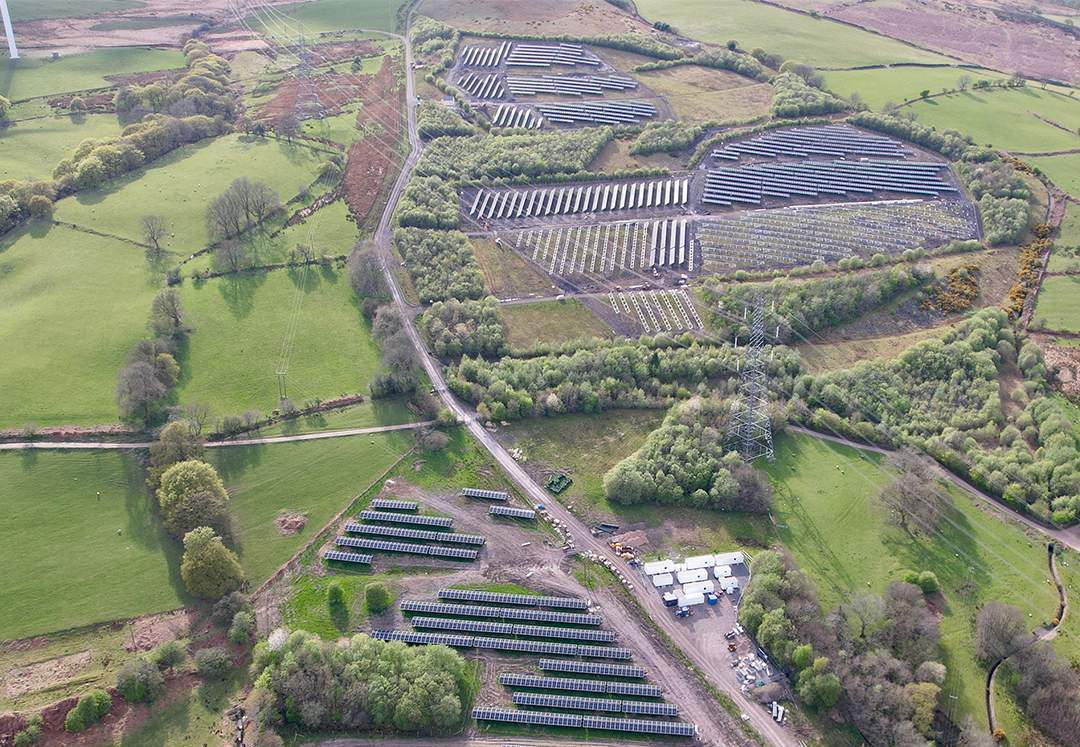
Built on a reclaimed 84-acre colliery tip, a solar farm in Rhondda is now switched on and supplying electricity directly to the Royal Glamorgan Hospital via a dedicated power line. The hospital board tells me it will fully power their operations on the sunniest days, and 15% of their energy use across the year. Panels were fully installed by Earth Day, 22 April 2025, just a few months after construction began. By October, it was fully operational.
A spokesperson for the hospital tells me: “By sourcing electricity through this project the hospital benefits from greater cost certainty and reduced exposure to volatile energy markets, helping to deliver ongoing financial savings and allowing saved resources to be focused on patient care.”
Gateshead Mine Water Heat Network, Tyne & Wear, England
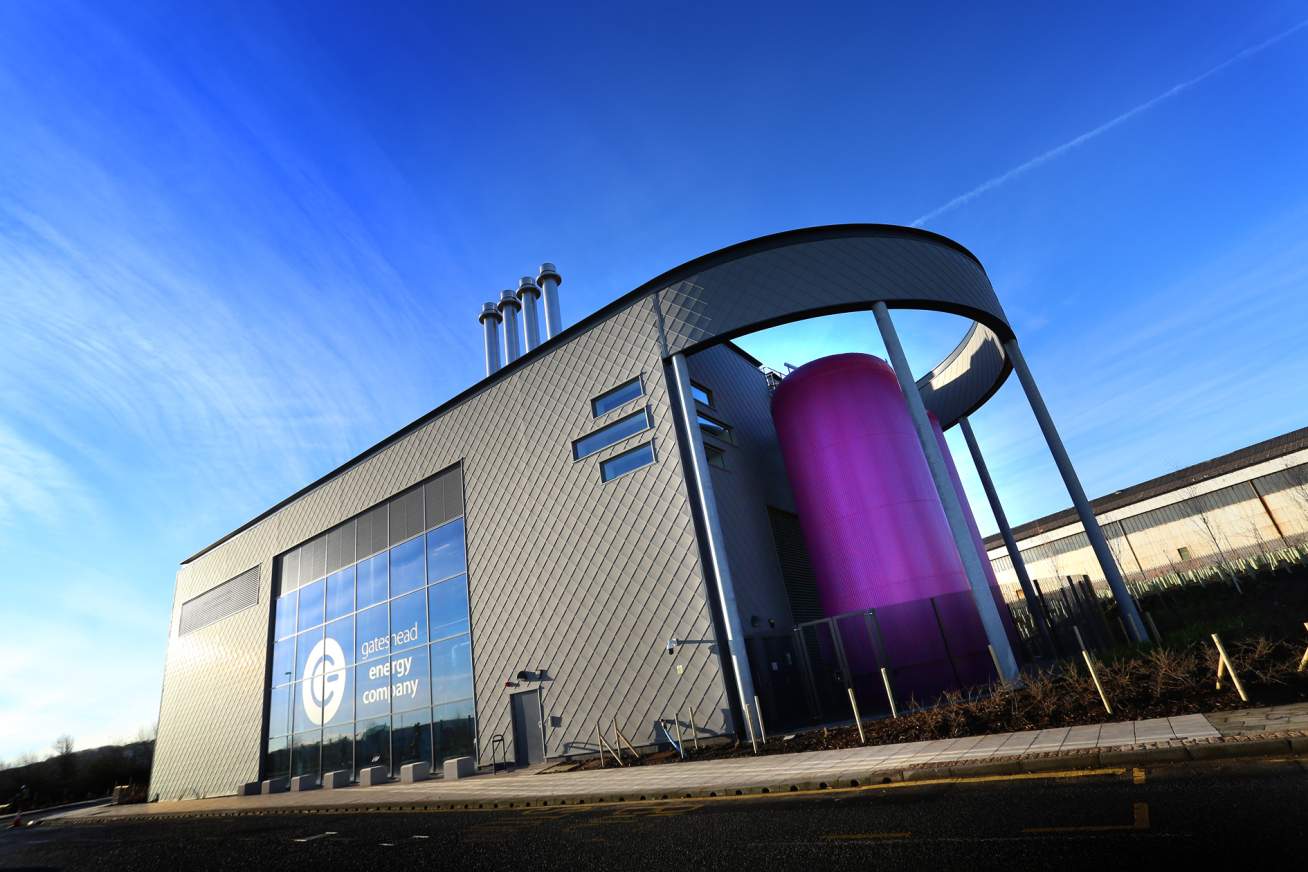
Gateshead Energy Company – owned by the council – uses water heated underground in the mines to power thousands of homes. It’s been operational since March 2023 and is the largest project of its kind in the UK.
Mine water, at 15 degrees C, is taken from drilled boreholes and passed through a heat exchanger which transfers heat, via a heat pump, into a network of underground pipes that supply hot water at 80 degrees C to over 350 homes and more than 25 buildings – including Gateshead College, the Glasshouse and the Baltic Centre for Contemporary Art. There are plans to expand to 270 more private homes, a conference centre and a hotel.
Don’t miss a story
A spokesperson told Byline Times: “Our prices are guaranteed to be 5% minimum below market prices…[It’s] also very reliable and efficient, and the tariff means customers are protected from big spikes in their energy bills that tend to happen when you are wedded to volatile international energy markets.” The solar park next to the heat pump building also means the machinery itself runs on 100% sustainable energy for several months of the year.
Miners from Poland visited last July to look at what could be done with former coal sites, and seemed inspired by the idea.
Lindsay Mine, Carmarthenshire, Wales
A mine water heat scheme became operational in March 2025, harnessing previously untapped heat from a mine water treatment scheme near Ammanford to provide low-carbon heating for a nearby business.
A spokesperson said: “Wales, with its industrial heritage and coal mining past, has recognised the potential of mine water heat, through its Heat Strategy for Wales, as a viable option to support a just transition to renewables.”
Black Law Wind Farm, Forth, Scotland
Across 1,850 hectares of abandoned coal mine land, 88 wind turbines are generating vast amounts of wind power in South Lanarkshire. The site is an old opencast coalmine, much of which has been restored to shallow wetlands. It’s been operational since 2005 — one of the first renewable projects of its kind on ex-mining land.