
 Subscriptions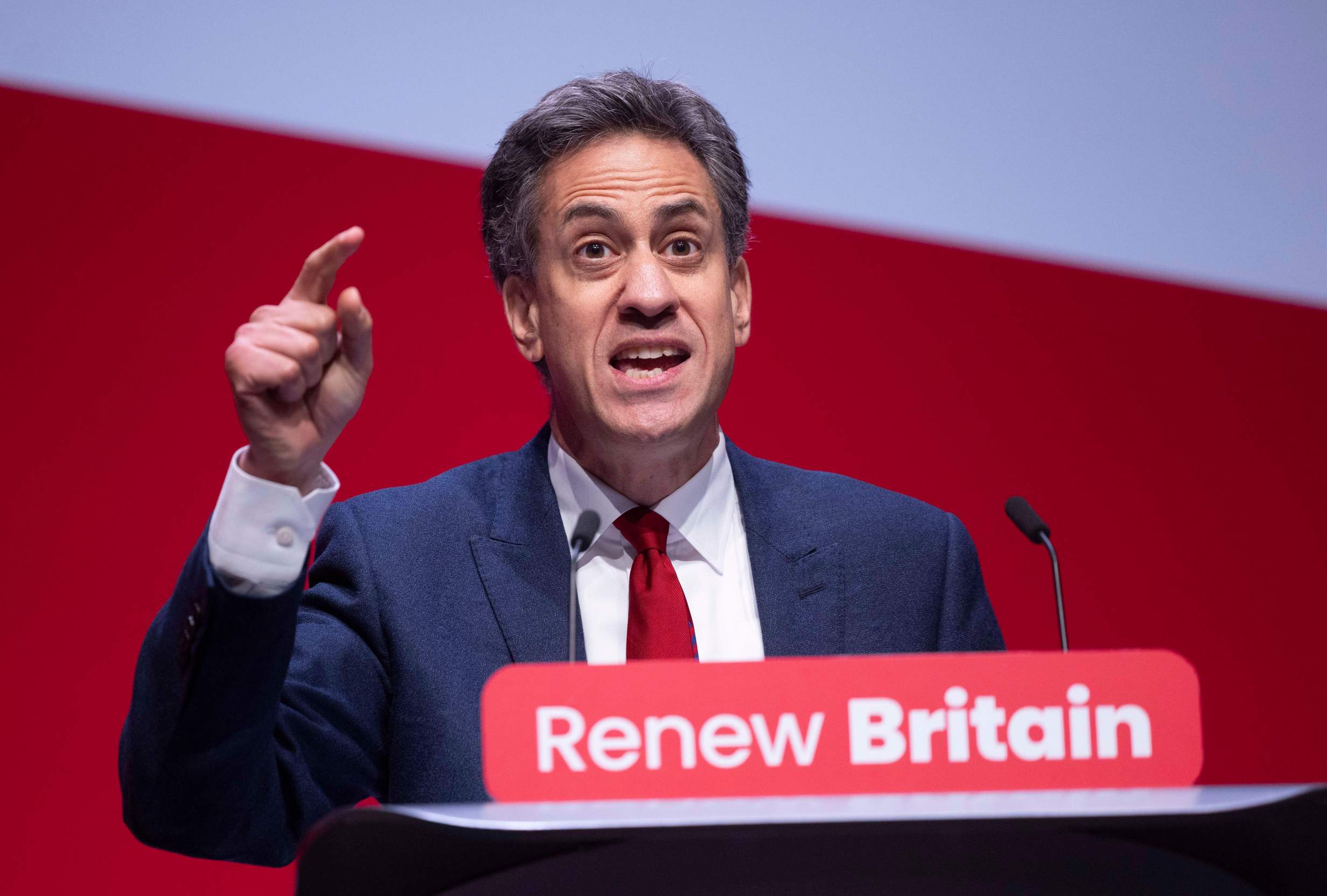
Read our Monthly Magazine
And support our mission to provide fearless stories about and outside the media system
Ed Miliband is having a bit of a moment. On Tuesday, the Energy Secretary gave a speech with one overriding message: “Every solar panel we put up, every wind turbine we build, every heat pump we install, every EV on the road makes our country more secure.”
For all the drama of the Mandelson saga and every other scandal that has rocked Labour since entering power, the long-promised ‘chaos with Ed Miliband’ is looking pretty good.
Whenever I share anything about solar power, I am met with a volley of screenshots: people sharing pictures of their low energy costs, and how little they’re importing from the grid. Despite everything going on in the world, their energy supply is, well, insulated.
For a while I was merely jealous that their homes are powered by the sun. Now I’ve joined the growing band of solar zealots.
On Monday, two roofers and an electrician arrived at 8:30am. By 1:30pm they were gone, and we had a house mostly fuelled by 13 PV panels on the roof. The system got to work immediately, in the background.
Like everyone else who gets solar panels installed, I am refreshing the accompanying app to see how many kWh the sun is providing, how much electricity we’re using, and how well the batteries are doing. I am, in short, a bore. But arguably with good reason.
On Tuesday, by 8:15am on a cloudy day in Somerset (in April), the sun was providing 70% more energy than we were using. So the battery was charging, ready for when the sun – or rather, clouds – dimmed in the evening. At 10am on Wednesday, solar was providing three times as much as was being used by two homeworkers.
ENJOYING THIS ARTICLE? HELP US TO PRODUCE MORE
Receive the monthly Byline Times newspaper and help to support fearless, independent journalism that breaks stories, shapes the agenda and holds power to account.
We’re not funded by a billionaire oligarch or an offshore hedge-fund. We rely on our readers to fund our journalism. If you like what we do, please subscribe.
The Boom
Solar is having a boom in the UK. In 2020, there were about 36,000 MCS-registered home solar installations for the whole year in the UK. Last month alone, there were nearly 24,000. We’d already nearly doubled the 2020 total in the first three months of 2026.
Solar Energy UK chief Chris Hewett tells Byline Times he is unsurprised by the surge: “They have such a dramatic impact on bills. Even before the latest energy crisis, last year saw a record 258,000 small-scale installations completed, largely on houses. The two million [total] mark will be crossed within weeks.”
Given the uncertainty caused by the Iran war and the impact on energy prices, “it’s a fair bet that this year will see another record,” the trade association boss said.
When our installers finished up, they drove off to Oxford for the second installation that day. They are booked up for months, but the bookings keep coming. There are reports of delays from DNOs – the regional electricity network operators – to allow people to export solar to the grid, due to a surge in connections. So it’s a good delay, if there can be such a thing.
The Economics
The reasons for the solar boom are pretty obvious. But one of them – and probably the most convincing on an individual level – is that the pay-back time for many solar systems (after which point all energy generated is effectively free) is often about five or six years now. A decade ago it was roughly double that.
It was worth it then. It is a no-brainer now, with the obvious addendum: “for those lucky enough to own their own home and save for it.”
The proliferation of smart tariffs makes getting a battery also incredibly worthwhile: it can be charged overnight on cheap rates (often 7p per kWh), powering your house the next day even when the sun isn’t shining. That price makes overnight heating extremely competitive with gas.
Competition has skyrocketed, VAT is 0%, and Britain now has an industry with the skills built around it (even if the kit comes from overseas).
Don’t miss a story
There is enthusiasm, too – including at the top of Government. Strong public-sector buy-in under Miliband’s energy department makes a difference. It sends a signal to the sector, to voters, to consumers. If he is on manoeuvres, renewable energy campaigners will be quietly cheering him on.
Miliband knows how to frame his renewable crusade: as a fight for energy independence. Away from the volatility of oil and gas markets. Away from reliance on hostile despots. Home-grown, clean power. Energy in abundance.
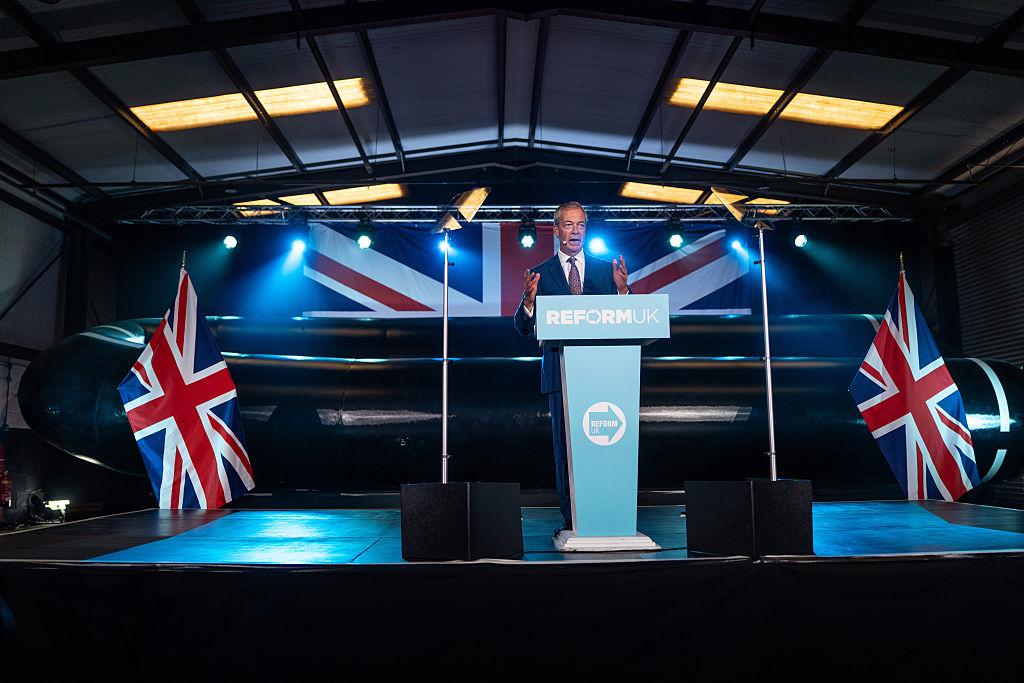
It is all within our grasp. There is a patriotic case that tears apart Reform and the Conservative Party’s obsession with squeezing ‘every last drop’ from our dwindling oil and gas stocks.
Breaking Down the Barriers
A major barrier though to further take-up of solar in Britain is that it has so often been a non-starter for millions of renters, and for those who don’t have the upfront capital.
Some major changes will end this once and for all. Firstly, solar panels will be mandatory on almost all new-build homes in England from 2027, under updated Future Homes Standard regulations. It is going to very rapidly become the norm.
Secondly, the Government is changing the rules to allow ‘plug in solar’ – panels that go on balconies and gardens and feed directly into your mains power. This will be for everyone, including renters. They’ll be capped at 800w but that could more than cover most baseload usage for households (excluding heating in winter). What will be pivotal to the success of this is whether renters will be able to install plug-in solar regardless of their landlords’ view on it. That’s the case in Germany, where at least half a million units were installed last year.
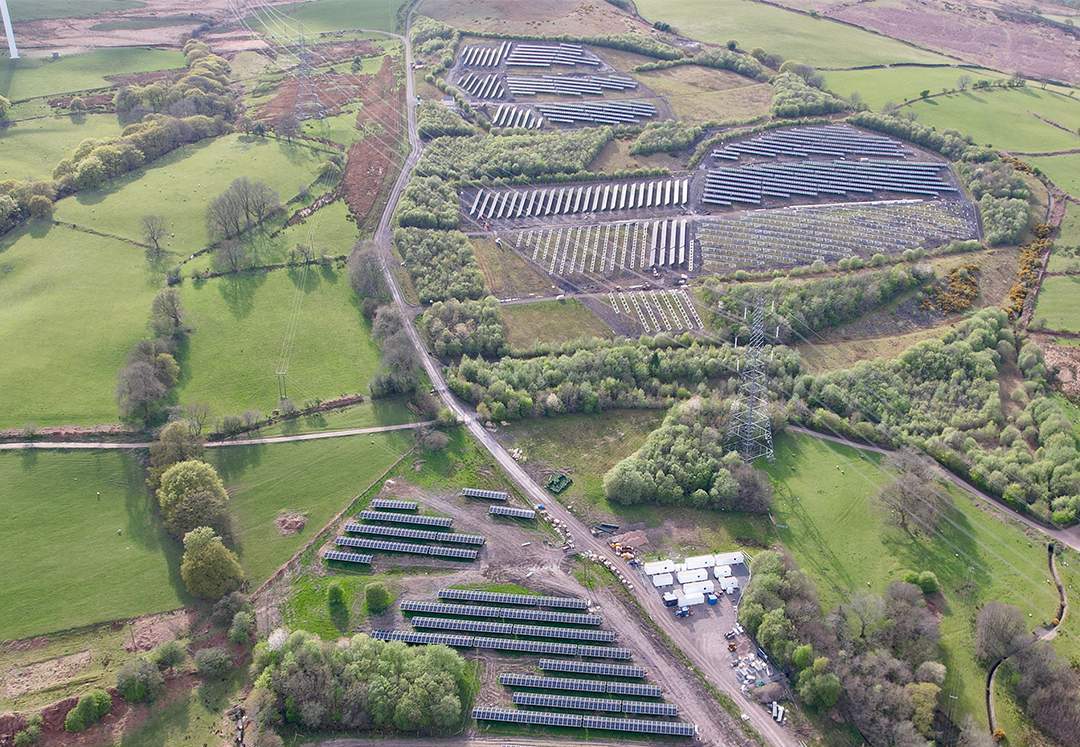
From Coal Tip to Clean Energy: The UK Projects Turning Former Mines Into Renewable Powerhouses
Solar farms, wind turbines and geothermal heat pumps are breathing new life into former collieries. So why don’t we hear more about them?
Thirdly, the Government is expected to provide more detail on 0% Government-backed loans for solar installations soon. That could make the economic arguments against domestic solar wither to dust. Consider it: if the monthly repayments are less than the amount saved from not importing electricity, then it is cost neutral even during the notional ‘payback phase’. After that, it’s free energy. Potentially for decades: the warranty on our panels is 30 years.
In the meantime, some employers apparently offer solar installs through the Cycle to Work scheme, while credit unions are providing low-cost loans. Several mortgage providers also allow you to add the cost of green works to your mortgage, or take out 0% loans through the bank for green home improvements. Solar subscription services appear to be on the rise too.
A Nation of Energy Producers
Of course, most people probably won’t get solar panels, at least not for a while. Greening the grid will still require big solar, wind and other clean energy projects on a far larger scale. We’re an industrial-scale economy, so we need industrial-scale infrastructure too. But it can still make a huge impact individually.
And when ‘vehicle-to-grid’ technology takes off, millions of people’s cars will be able to connect to the national grid – storing energy when it is in surplus and releasing it when demand is very high.
We will become a nation of energy producers; millions of little green power stations. Is that utopian? I don’t think so. It’s already possible, and it’s already happening on a small scale. The challenge is scaling it up.
Miliband has his eyes on the real prize – breaking the link between gas prices and electricity prices – so that even if gas prices spike, electricity prices won’t automatically follow.
The package announced by him on Tuesday includes expanding renewables on the public estate and brownfield land, overhauling grid connection processes, and making it easier for renters to install heat pumps and EV chargers.
The Green Energy Success Story
Britain is decarbonising rapidly. Emissions have already fallen 54% compared to 1990 levels. We are a green energy success story, leading the world in offshore wind. For those able to do so, getting solar panels reduces demand on the grid, easing prices for others. Plug-in solar will extend the benefits of that to millions more people.
There is an incredibly positive story to tell in the UK about green energy. The likes of Nigel Farage and Kemi Badneoch don’t want people to hear about it. But we absolutely have the means to break the addiction to oil and gas. The momentum is building, the political will is there, and the economic incentives are aligned.
That is why I have become a solar zealot, and why I will join the happy legion of nerds sharing screenshots of energy-independent homes. If it convinces one more person to join the ranks, it will have been worth it.
Britain is building its energy independence, little by little, home by home. And that is something that even Reform, should they get near power, will find very hard to undo.
Got a story? Get in touch in confidence on josiah@bylinetimes.com
holding farage to account #reformUNCOVERED
While most the rest of the media seems to happy to give the handful of Reform MPs undue prominence, Byline Times is committed to tracking the activities of Nigel Farage’s party when actually in power



 Contribute to our #ReformUncovered crowdfunder
 Subscribers Get More from JOSIAH
 Subscribers Get More from JOSIAH
Josiah Mortimer also writes the On the Ground column, exclusive to the print edition of Byline Times.
So for more from him…
