
 Subscriptions
 Subscriptions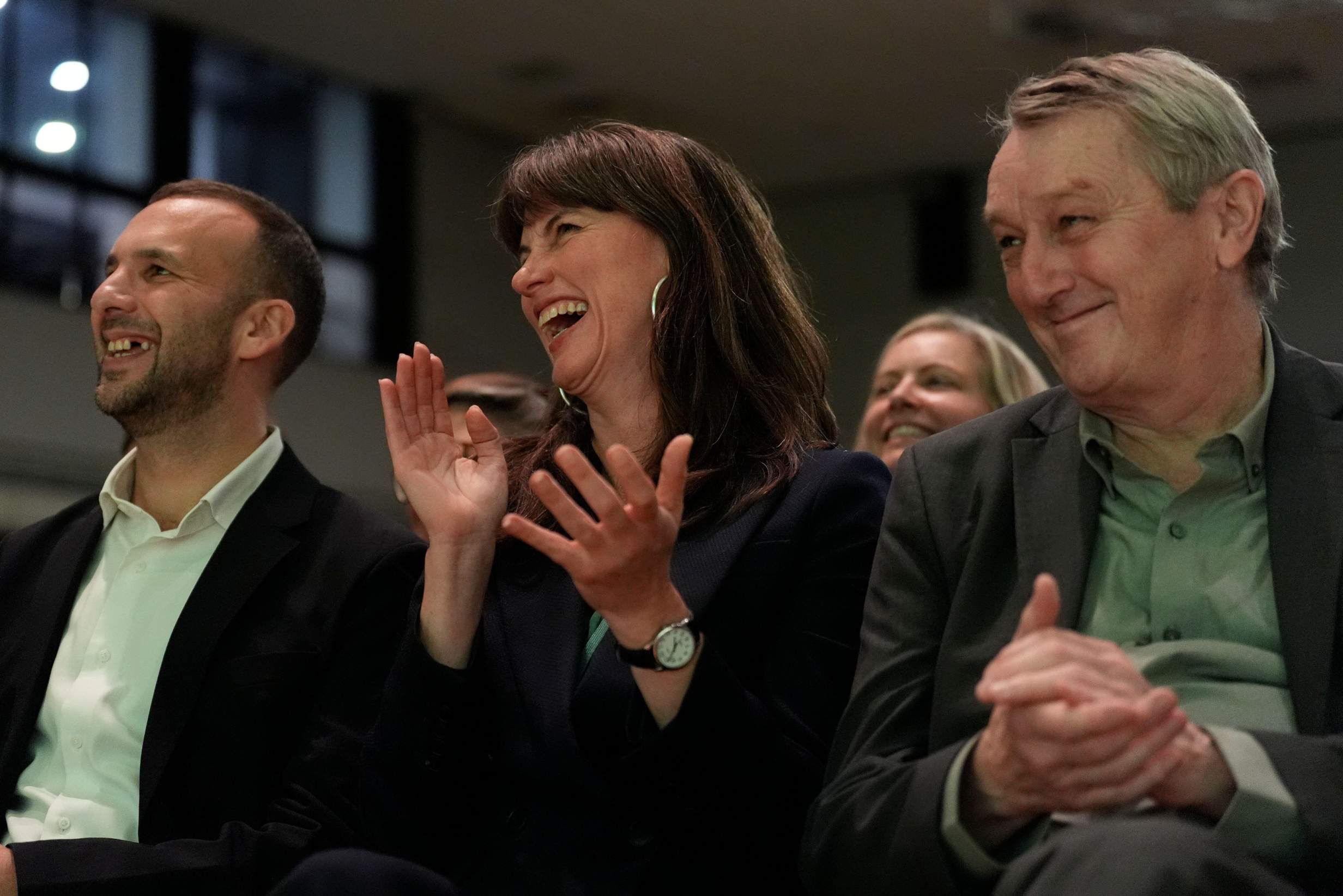

Read our Monthly Magazine
And support our mission to provide fearless stories about and outside the media system
The leader of the Green Party in Wales has said he would be “very reluctant” to go into coalition with the Labour Party after May’s Welsh Parliament (Senedd) elections.
Labour looks likely to be evicted from power after a quarter century in May’s Senedd election, with pro-independence party Plaid Cymru likely to emerge as the strongest party.
But under a new highly-proportional voting system the Green Party are poised to be “kingmakers”, potentially power-sharing with the Welsh nationalists. The Green Party also supports independence for Wales.
In an interview with Byline Times, Cardiff Senedd candidate Anthony Slaughter said they were seeing “what looks like the total collapse of Labour as a political force.”
At their campaign launch last Tuesday (31 March) in Cardiff, the Greens unveiled a full slate of candidates in Wales, predicting a “green wave” in Senedd members.
The party points to polling from YouGov and others showing that under the new proportional representation system, Wales Green Party could be the decisive group in the Senedd after the elections on 7 May, “putting the party in a strong position to deliver on its priorities for Wales: freezing rents, replacing council tax, lowering bus fares, and taking back control of water.”
ENJOYING THIS ARTICLE? HELP US TO PRODUCE MORE
Receive the monthly Byline Times newspaper and help to support fearless, independent journalism that breaks stories, shapes the agenda and holds power to account.
We’re not funded by a billionaire oligarch or an offshore hedge-fund. We rely on our readers to fund our journalism. If you like what we do, please subscribe.
Speaking to Byline Times, Wales Green Party leader Anthony Slaughter said that while they are “making it very clear we’re open to working with other parties,” they would be “very reluctant to just go into coalition with Labour.”
“Plaid Cymru’s current preference, from what I can see, is to form a minority government then work with other progressive parties on an issue-by-issue basis.
“There are lots of different ways of working together — everyone thinks [of a] coalition straight away, but it could be a cooperation agreement, a confidence-and-supply arrangement, or something else entirely.
“We are making it very clear we’re open to working with other parties — obviously not Reform or the Conservatives, and it’s quite possible there won’t even be any Conservatives there according to the latest polls. But we’re also making clear that our support doesn’t come free.”
Fleshing out Wales Green Party’s red – or green – lines, Slaughter said: “We won’t support the next Welsh Government just because they’re the least-worst option. We will have conditions…Things like protection for tenants — Wales still has no-fault evictions, which Welsh Labour could have abolished years ago.”
Don’t miss a story
He pointed to the potential for rent controls as a dividing line. “We also recognise how complex that can be, so one thing we’re calling for very publicly is a rent freeze on day one to give people some breathing space while the longer-term measures are worked out.”
The party also wants to sack non-profit water firm Dŵr Cymru (Welsh Water) before nationalising the service.
“It’s a complete mess. We have the supposedly not-for-profit model but we have the worst sewage in rivers and on coastlines in the UK, and the highest water bills, which are largely servicing debt.
“Taking it back into full public ownership is complex because the Welsh Government doesn’t have the budget, but we’re looking at having their licence revoked — which means working with Westminster — and then moving towards genuine public ownership.”
In any power-sharing talks, the Greens would “want to see cooperation on that” he said.
“We also want to make sure other parties don’t roll back on their nature and climate commitments, so any agreement would need something really strong and binding on that.”
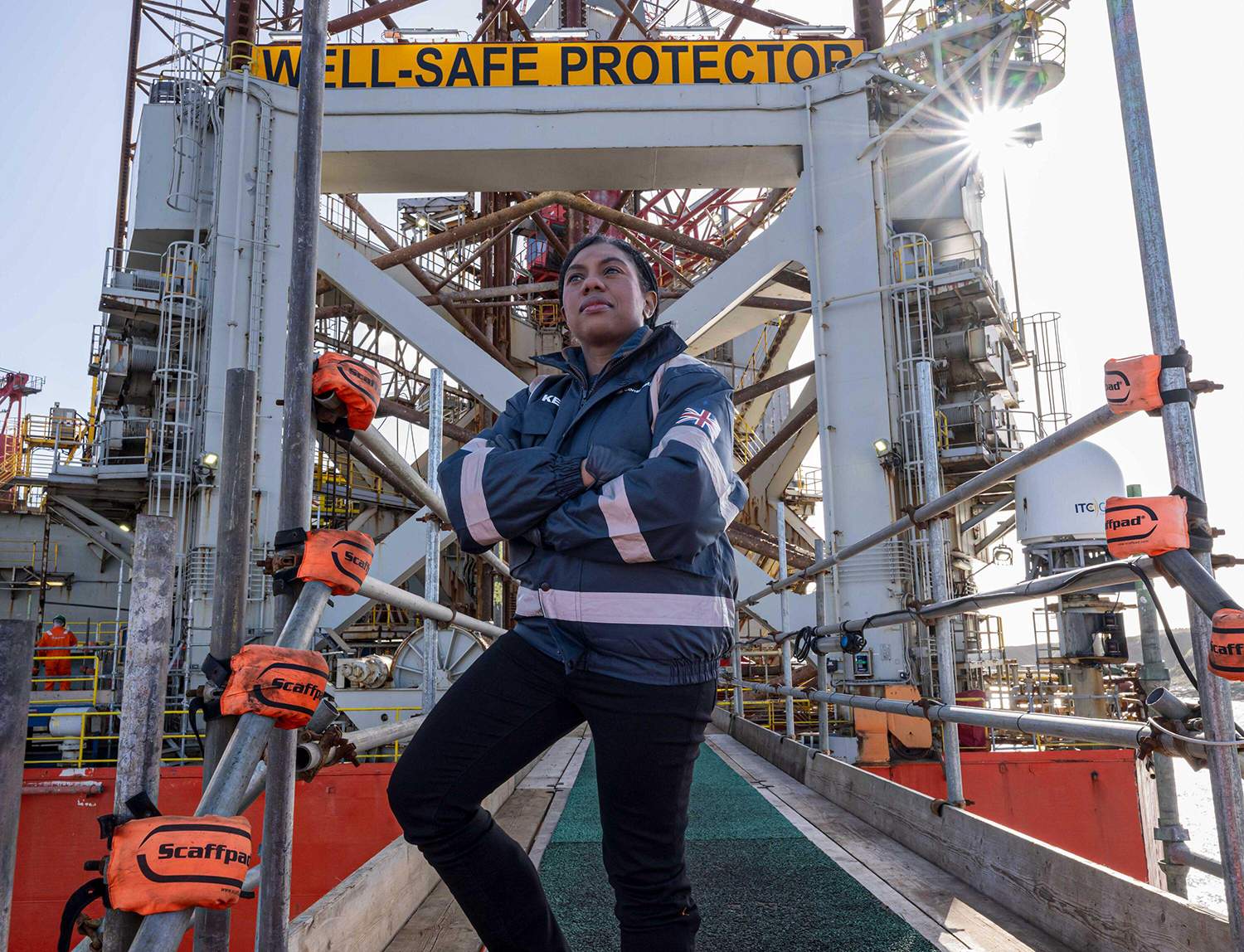
Kemi Badenoch Campaigns For North Sea Drilling at Company Owned by Oil and Gas Executive Who Donated £250,000 to the Conservatives
The Conservative party, which calls the Government’s plans for replacing fossil fuels with renewable energy “crazy” has also taken millions of pounds from funders and directors of anti-Net Zero lobby groups
The Greens’ last manifesto for the Senedd in 2021 called for Wales to hit net zero by 2030. That is now just four years ago. Is it still possible? Slaughter was frank in his response.
“No, it’s definitely not achievable now.”
“It might have been then if the right people were in government. One of the things about backtracking — Plaid had net zero by 2035 in their general election manifesto, but now that they’re looking like the next government, they’ve said that target can’t be met and they’re looking at net zero by 2040.
“I think [that] broadly aligns with where the Green Party of Wales is. But we’re nailing down to more specific things rather than a blanket figure.”
It appears to be a major revision of the party’s climate commitments.
“We need fully renewable electricity in Wales by 2035. It’s not this sweeping single [net zero] date anymore…Twenty-seven years ago, 2030 and 2035 seemed a lifetime away.”
But 2030 is “almost here” he points out.
Labour in England has committed to a near-100% non-fossil fuel powered electricity grid by 2030, meaning Wales Green Party’s ambitions here – 2035 – appear slower than Labour in Westminster. However, powers over energy are not fully devolved to Wales, and the privately-owned National Grid covers both England and Wales.
“This [new] target has been put together with the renewable sector, which considers it achievable and doable…Because other parties started talking about keeping fossil fuels or nuclear in the mix, that 2035 is a red line for us — there can be no rolling back from it. We want to see it happen sooner, but that has to be the absolute cut-off,” Slaughter told Byline Times.

Wales Offered Stark Choice Between ‘Reform-Led Government or Plaid Cymru’ – as Labour’s 26-year Rule Starts to Crumble
Plaid Cymru leader Rhun ap Iorwerth says Nigel Farage’s party could ‘undo Wales’s fledgling democracy’ as polling shows dramatic shift away from Labour
His comments raised a key point of difference between Plaid Cymru and the Greens – the role of nuclear power. Plaid Cymru is broadly supportive, not least for the 3,000 of jobs the sector is set to employ in Wylfa (Anglesea) as the site for the UK’s first Small Modular Reactor (SMR) nuclear power station. The area is set to host three Rolls Royce reactors initially, with scope for an additional five in future.
Asked if he’d try to get the project stopped, Slaughter said: “We’re quite clear in the [upcoming] manifesto: there’s no role for nuclear…We wouldn’t want to see them go ahead.”
He claimed nuclear power is “too expensive and too slow.”
The Wales Green party leader added: “If it were in a Green government’s hands — and I’m not sure it would be — we wouldn’t allow any new nuclear [power stations] and we’d want to decommission anything that already existed.”
“Onshore wind is the cheapest and quickest to get going and provides the cheapest electricity. This is a 20th-century argument we shouldn’t even be having anymore.”
However, he recognised that tidal lagoons – major hydropower projects like one mooted in Swansea – “would have taken ten years to build, but if we’d started [when first proposed] they’d be up and running now.”
Slaughter also hinted that Greens would have to overcome heavy local opposition to roll-out onshore wind and solar projects across Wales. “When things are explained and communities are engaged, opposition does reduce. But it also comes down to this – you are actually elected to lead and make decisions. You can’t be elected on a manifesto calling for more renewables and then back down because a couple of other parties have turned it into a culture war issue.”
The party will launch its manifesto for the Seneddon Tuesday (7th April), but the would-be parliamentarian confirmed they would be “calling for quite radical changes to the affordability of buses — for all ages,” in a possible nod to free bus travel.
“We want public transport to be much more accessible and affordable for everyone.”
The Greens in Wales have, as in England, seen their membership surge in recent months following the election of self-proclaimed “eco-populist” Zack Polanski.
Slaughter said Wales Green Party’s membership is approaching 7,000 and he predicts it could hit 10,000 by election day. It has trebled in the space of months, with weekly action days in Wales reportedly now drawing up to 180 activists.
The Zack Polanski-effect is being felt in Wales. That and the new fully-proportional voting system point to a fact much of Westminster has not woken up to yet: the Green Party could be in a real position of power in Wales – and indeed Scotland – after May.
Got a story? Get in touch in confidence on josiah@bylinetimes.com
holding farage to account #reformUNCOVERED
While most the rest of the media seems to happy to give the handful of Reform MPs undue prominence, Byline Times is committed to tracking the activities of Nigel Farage’s party when actually in power
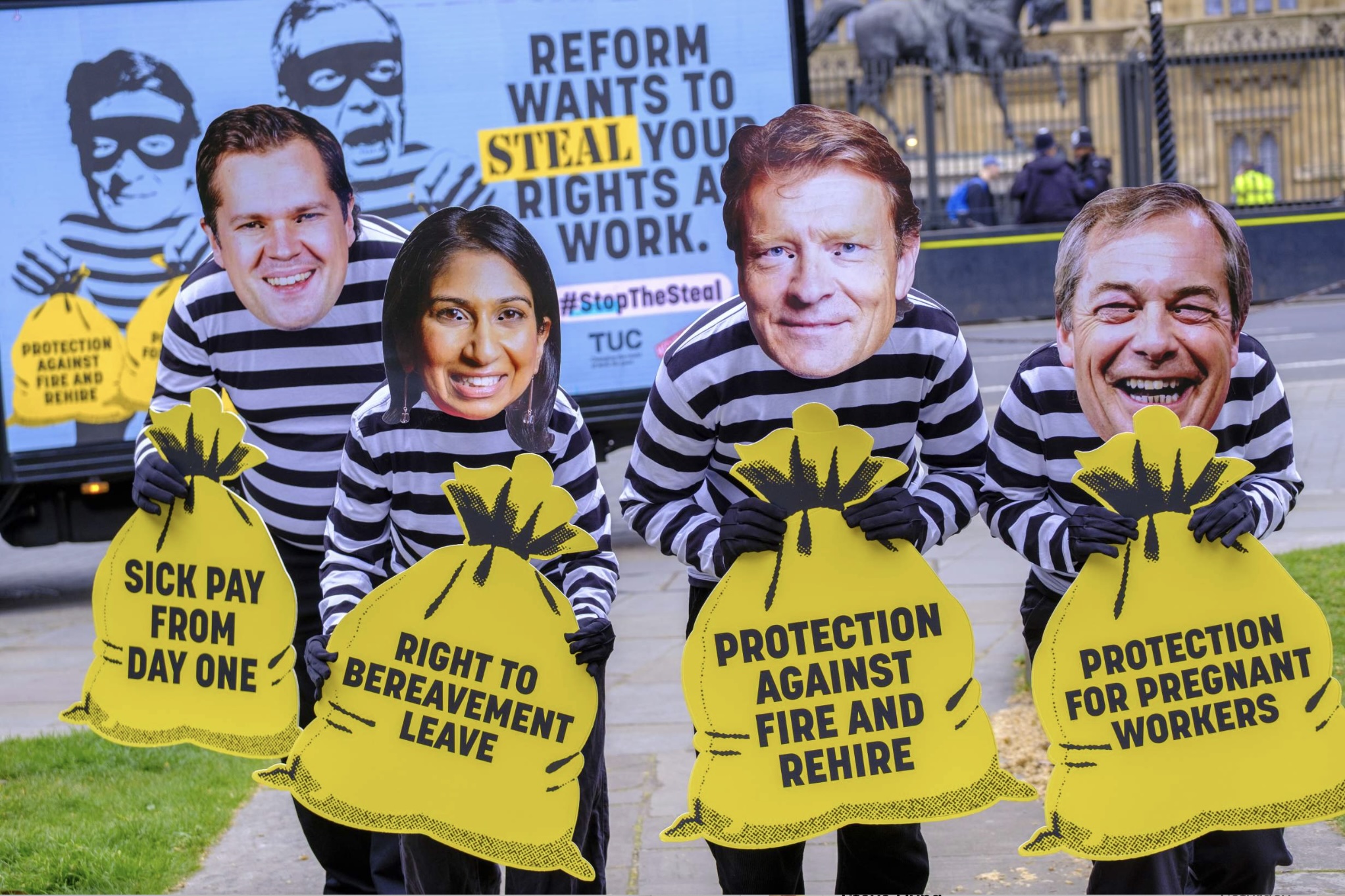



 Contribute to our #ReformUncovered crowdfunder
 Subscribers Get More from JOSIAH
Josiah Mortimer also writes the On the Ground column, exclusive to the print edition of Byline Times.
So for more from him…
