
 Subscriptions
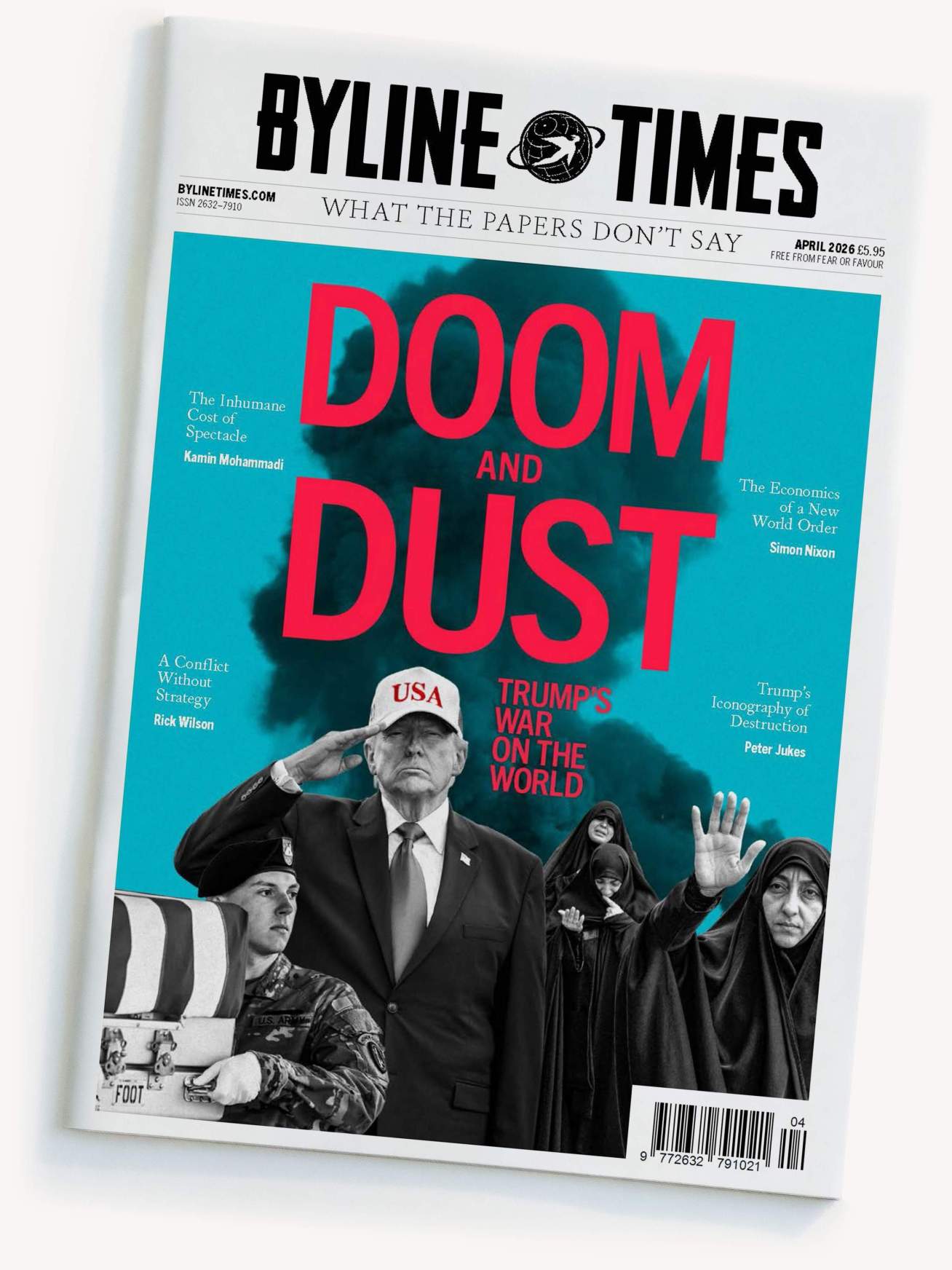
Read our Monthly Magazine
And support our mission to provide fearless stories about and outside the media system
It didn’t take long after Reform failed to win the Gorton & Denton by-election for Nigel Farage to pop up on the airwaves, raging that the party had been denied victory due to “sectarian voting and cheating” and so-called “family voting”.
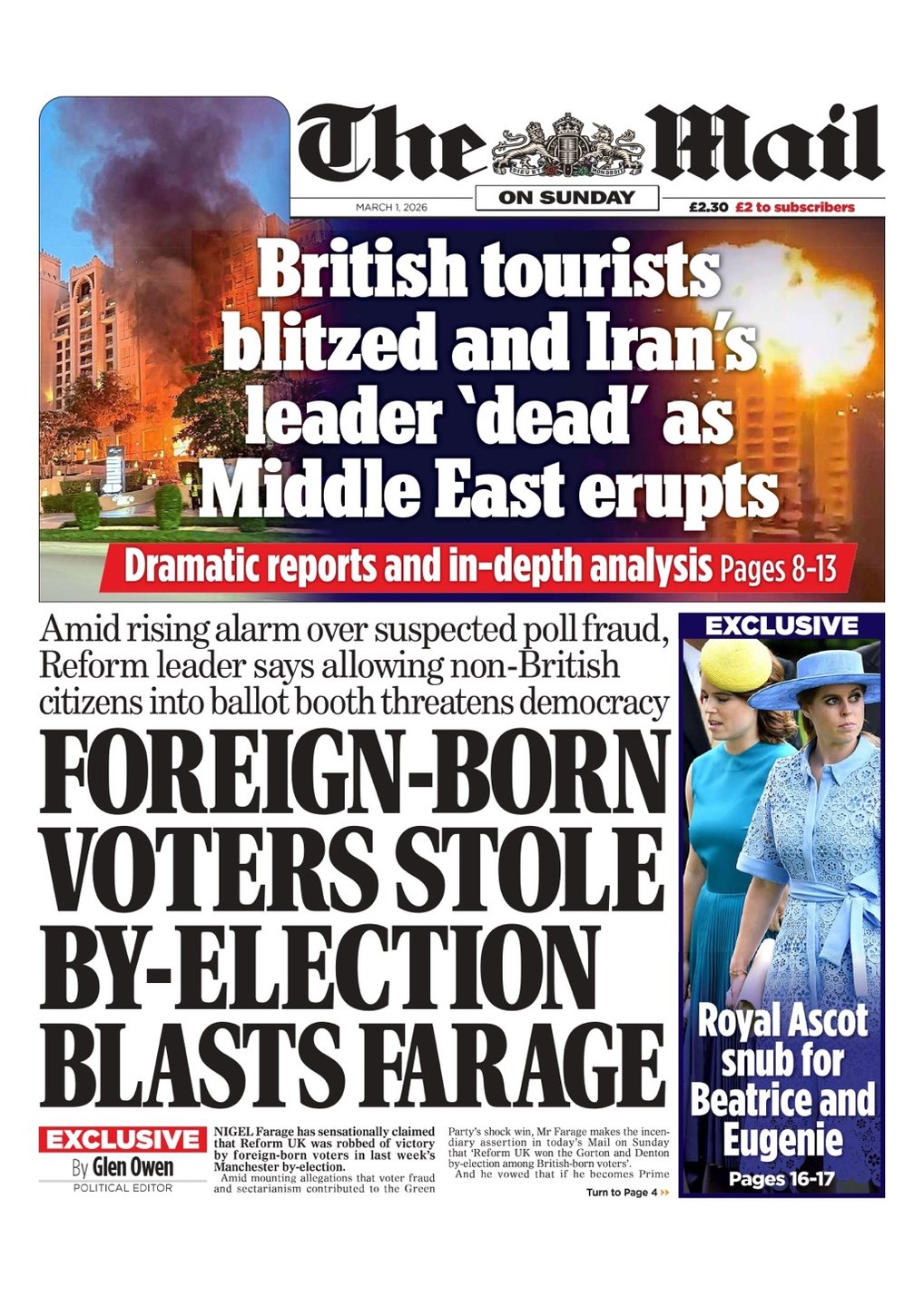
On Sunday, Britain’s right-leaning newspapers – particularly the Mail – helped trumpet Farage’s evidence-free claim that the election had been “stolen”, with Farage insisting without evidence, that: “Reform UK won the Gorton and Denton by-election among British-born voters.”
He went even further on Monday morning, telling a press conference in London that the election had somehow also been stolen by unemployed people, saying “I’m not sure that anyone who voted Green (in Gorton and Denton) works”.
Farage’s pronouncements, including his demand that only British-born people should be allowed to vote in future Parliamentary elections, have gathered huge amounts of media attention.
However, what almost none of the coverage has mentioned, is that this is all part of a well-practiced strategy of screaming foul whenever he is defeated in a democratic election.
Here are just some of the previous occasions he has cried wolf about “stolen” elections.
Don’t miss a story
‘Bent’ Elections
When Farage was leader of the UK Independence Party (UKIP) in 2015, UKIP lost the Oldham West & Royton by-election.
Farage then floridly questioned the integrity of the vote – calling it “bent” – and implying the result was influenced by the misuse of postal ballots in areas with large ethnic minority populations – something he repeated on Monday in relation to Gorton.
Here’s what actually happened.
Greater Manchester Police reviewed Farage’s complaints and decided not to pursue a prosecution. Again, UKIP didn’t even bother filing an election petition, the formal process to challenge election results.
The result stood without change. And while his claims of fraud got plenty of media attention, the exoneration of the election process received little fanfare.
Then there was the Peterborough by-election in 2019. After a narrow loss, Farage said the postal vote system was “wide open to corruption” and the Brexit Party launched a legal challenge.
Cambridgeshire Police investigated allegations of postal vote irregularities. They concluded there was no evidence of electoral fraud affecting the result.
Farage’s Brexit Party – predecessor to Reform UK – initially sought to challenge the result in court. But they eventually withdrew the challenge and a High Court judge forced the party to pay costs.
The result stood. No wrongdoing was proven.
ENJOYING THIS ARTICLE? HELP US TO PRODUCE MORE
Receive the monthly Byline Times newspaper and help to support fearless, independent journalism that breaks stories, shapes the agenda and holds power to account.
We’re not funded by a billionaire oligarch or an offshore hedge-fund. We rely on our readers to fund our journalism. If you like what we do, please subscribe.
More recently, the February 2024 Rochdale by-election saw George Galloway win. Reform UK figures including Richard Tice raised claims about alleged postal voting fraud. There was fire and fury. But there was no confirmed finding of electoral fraud affecting the outcome. Reform didn’t bother filing an election petition to challenge the result. And in May, when Galloway lost his seat, where were Reform’s claims of election fraud? Or, in his eyes, had the Workers’ Party – desperate to hold onto their only MP – just not bothered with it this time?
The investigations relating to postal voting, bribery claims and other complaints from Farage have all ended with police concluding that no offences had been committed.
However, Farage achieved his aim of pushing divisive narratives about supposed voter fraud by ethnic minority communities, while lessening criticism of his party’s own failures to win democratic elections.
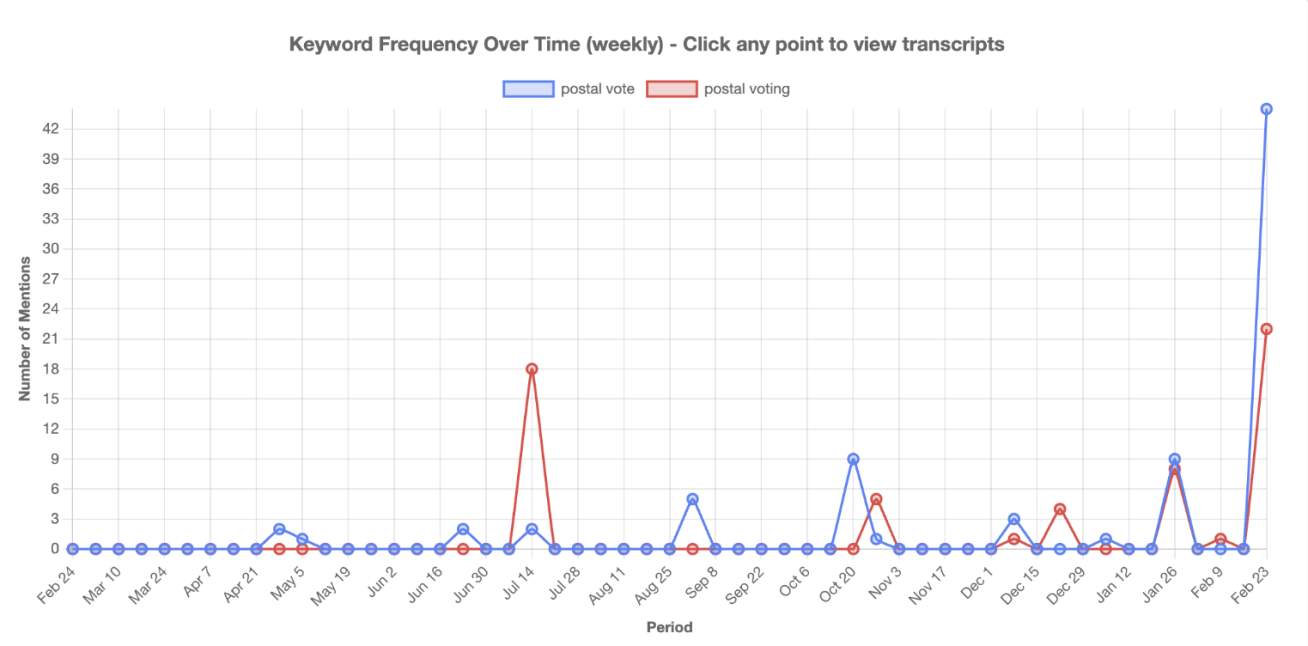
In recent days, Farage’s employer GB News has repeatedly aired his and allies’ claims of postal vote fraud and discussed banning it altogether (despite it being a lifeline for older and disabled voters). It has included suggestions that postal voting should be banned and that the election should be run again.
Examples analysed by campaign group Stop Funding Hate came swiftly just after polls closed. On election night itself, regular guest Chloe Dobbs said: “When it comes to postal votes, I mean I’m sure there will have been swathes of households where, say, the man of the house just filled out the whole… you know everyone’s votes. It would have happened just behind closed doors. So the scale of this is probably huge.” Probably?

Naz Shah MP on Gorton and Denton Claims: ‘How Do Supposedly “Sectarian Muslims” End Up Voting for a Radically Progressive Party with a Gay Jewish Leader?’
The Labour MP told Byline Times that, from her experience of ‘clan-based politics’, it was not present in the Manchester by-election as Reform UK claims
Guest Anna Firth also told the channel, without evidence, that voter fraud happens “all the time.” “The postal votes are filled in inside… behind closed doors, in family homes and there very often [it] is the male in the household who will be sorting out all of the postal votes.” After saying these claims on air, she later admitted that some of her figures came from “Mr Chat…ChatGPT. So you’ll have to check it.” Host Patrick Chrystys – barely an hour after voting had even stopped – then asked if the election should be re-run.
And on the 27th February, when the result was clear, former Conservative MP and GB News host Miriam Cates told viewers: “Postal voting has become routine. The Labour Party in the past has been accused of harvesting those votes. That privilege now seems to have gone to the Greens” in Gorton & Denton.
Mentions of postal votes on GB News over the past year
On the Gorton and Denton by-election, police in Manchester say they are reviewing a complaint about alleged ‘family voting’. However, Reform’s own chairman publicly contradicted Nigel Farage over the weekend when asked by the BBC if supposed “unprecedented levels of illegal family voting” had changed the result, saying “If I’m being candid, probably not,” David Bull said.
None of this is to say there aren’t problems with Britain’s voting system. But as the Electoral Commission has made clear: “In the past 5 years, there is no evidence of large-scale electoral fraud. Of the 1,318 cases of alleged electoral fraud reported to police between 2020 and 2024, 8 led to convictions and the police issued 3 cautions.” At most, that is a dozen proven cases of voter fraud in the UK, in five years, across two general elections and with millions of votes cast.
For Anglo-Trumpians like Farage, the point isn’t securing evidence of voter fraud, or to improve Britain’s (generally widely respected) voting process.
It is to sow doubt, mistrust, and division while moving the story on from his own failures.
Sadly too many media outlets appear willing to play ball.
Got a story? Get in touch in confidence on josiah@bylinetimes.com
holding farage to account #reformUNCOVERED
While most the rest of the media seems to happy to give the handful of Reform MPs undue prominence, Byline Times is committed to tracking the activities of Nigel Farage’s party when actually in power

 Contribute to our #ReformUncovered crowdfunder
 Subscribers Get More from JOSIAH
 Subscribers Get More from JOSIAH
Josiah Mortimer also writes the On the Ground column, exclusive to the print edition of Byline Times.
So for more from him…
