
 Subscriptions
 Subscriptions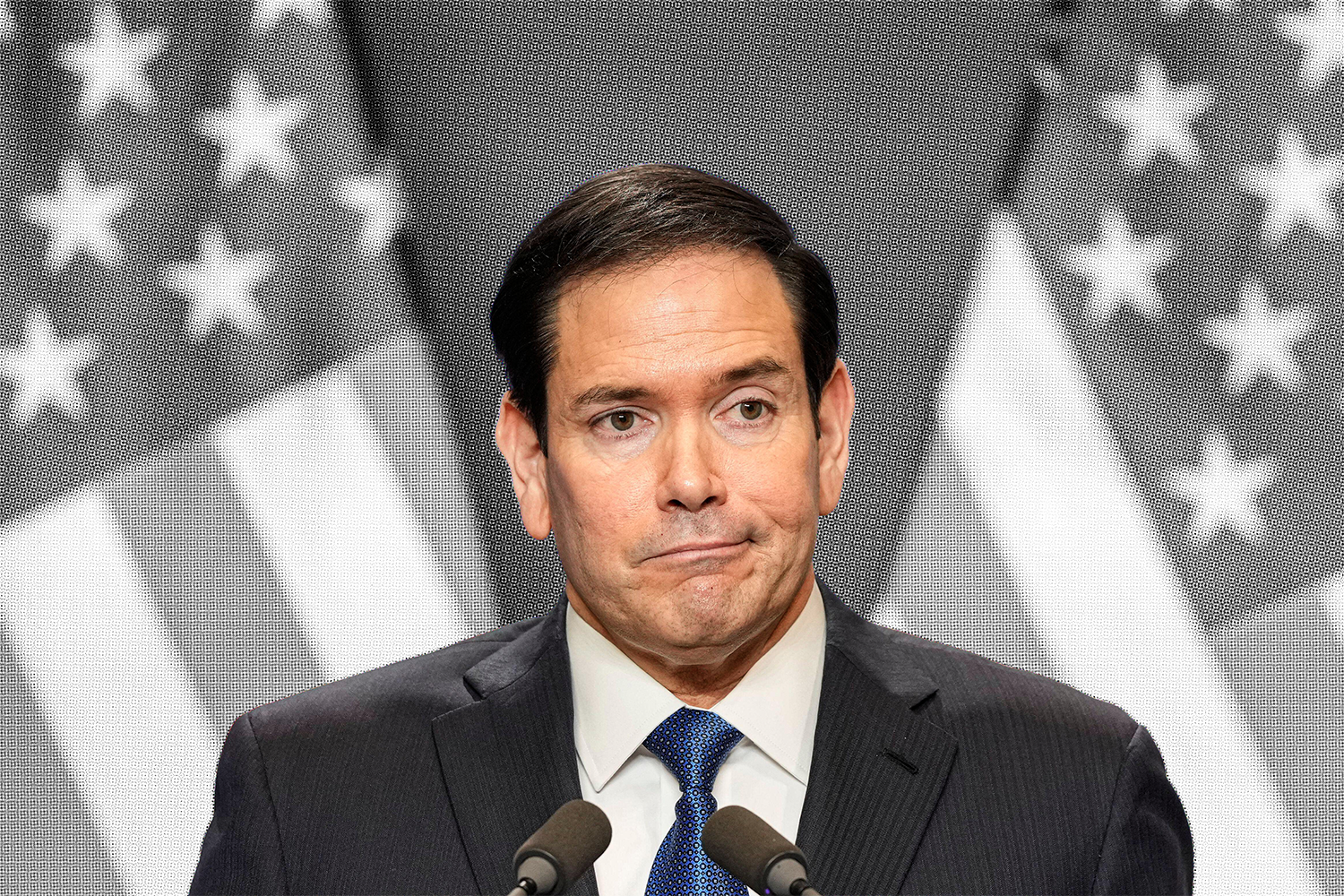
Read our Monthly Magazine
And support our mission to provide fearless stories about and outside the media system
In June 1963, President John F Kennedy gave one of the most iconic speeches of the Cold War era, when he stood in front of tens of thousands of Germans in West Berlin and declared “Ich Bin Ein Berliner.” The speech took place twenty two months after the erection of the Berlin Wall, a concrete barrier separating East and West Berlin, which came to symbolize the ideological division between communism and democracy.
The heart of his speech was a declaration of US solidarity with the people of Germany, who suffered most acutely from the impact of the Wall, alongside an affirmation that “freedom is indivisible, and when one man is enslaved, all are not free….All free men, wherever they may live, are citizens of Berlin, and, therefore, as a free man, I take pride in the words “Ich bin ein Berliner.”
Twenty four years later, in 1987, another American President, Ronald Reagan, gave another historic address in Berlin, standing before the Brandenberg Gate, in which he similarly heralded the virtues of liberty, democracy and free trade over communism, and went on to urge the Russian leader, Mikhail Gorbachev to “Come here to this gate! Mr. Gorbachev, open this gate! Mr. Gorbachev, tear down this wall!.” He went on to declare that “in this age of redoubled economic growth, of information and innovation, the Soviet Union faces a choice: It must make fundamental changes, or it will become obsolete.”
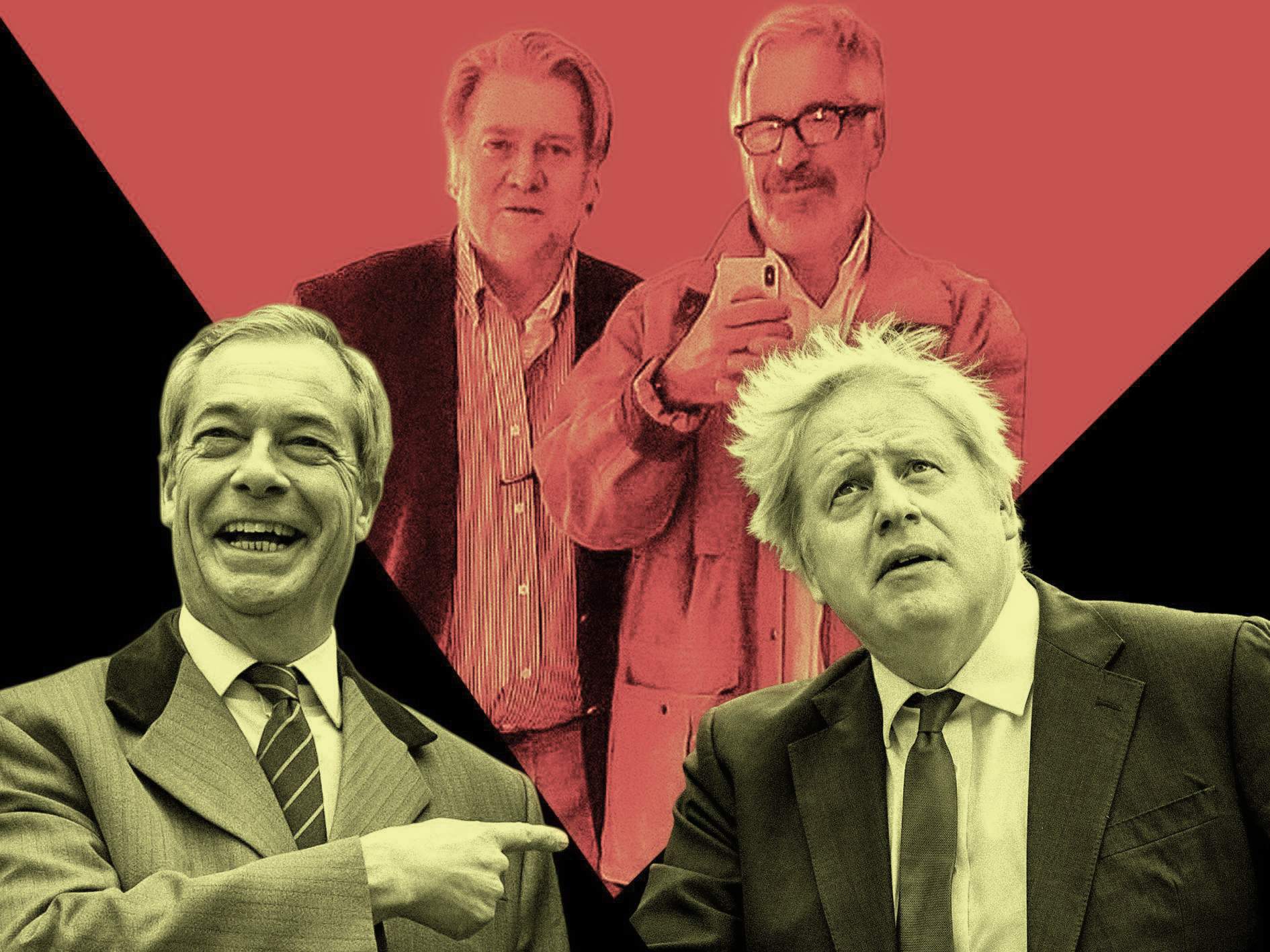
Bannon, Epstein, Farage and Johnson and the Plot to ‘Topple’ Theresa May
The far-right former Trump adviser told Jeffrey Epstein that “we are overthrowing May right now” as he worked with Boris Johnson to remove the then Conservative Prime Minister from office
Fast forward to 2026, at another period of heightened Russian aggression, which has led to the largest land war in Europe since the end of World War 2, and a third high profile American speaking in Germany, Secretary of State, Marco Rubio, at the Munich Security Conference, delivered a completely different message. Instead of calling out Russia for its unprovoked invasion of Ukraine, instead of urging Russia to change its ways, and instead of unequivocally reassuring Europeans that America will always stand with them in the face of common threats, Rubio insisted that it is Europe which needs to change, Europe which is at risk of terminal decline, and Europe which risks losing its partnership with America if it continues on its current trajectory.
Rubio used the occasion to pour scorn on all the values, beliefs and principles which most Europeans, and American leaders before the Trump administration, have held to be at the core of the West’s strength and prosperity. He implied that Europeans were weak for clinging on to such naive notions as the “rules-based global order – an overused term”, having an alleged “dogmatic vision of free and unfettered trade”, and being gripped by a so-called “climate cult.”
He also railed at the extent of migration into Western countries, saying it “threatens the cohesion of our societies, the continuity of our culture, and the future of our people.”
Never mind that America itself was founded on mass migration, and not just of white Europeans – the Scots-Irish, Germans, Dutch, French, and Italians who Rubio chose to mention, and who MAGA figures like to fantasize are the only people who are truly American. Never mind that many of America’s leading scholars, thinkers, entrepreneurs, scientists, artists, and leaders, including Rubio himself, are the descendants of immigrants from other parts of the world, including Africa, Asia, and Latin America. Never mind the fact that much of America’s growth in the early years was achieved on the back of the labour of imported slaves. Never mind that America’s expansion was at the expense of the indigenous peoples who lived here before the first Europeans arrived.
Never mind that an increasing amount of mass migration is being driven by the impact of climate change in countries around the world. Never mind that climate change is also being felt in America itself, which is experiencing an increasing number of extreme weather events, including an unprecedented snow drought this year in the West, jeopardising water supplies and increasing the risk of wildfires.
Never mind that many of those seeking sanctuary in the West are trying to escape the kind of oppressive, impoverished societies which Rubio’s predecessors, Kennedy and Reagan, denounced, and his own parents fled from, when they left Cuba. Never mind that what draws them to the West is the same set of values of liberty, democracy, freedom, including religious freedom, and respect for the rule of law, which Reagan and Kennedy in their remarks celebrated as differentiating the West from the communist bloc. Never mind that in Kennedy and Reagan’s vision, freedom is the birthright of all mankind, no matter what their race, colour, or creed.
Never mind that, even if Western leaders wanted to, it’s almost impossible to stop all movement of all people across borders, when they are desperately fleeing war, violence, abuse, acute hunger, or poverty.
Far from tearing down a wall, Rubio would have us put new walls up – not to prevent people leaving, as in Soviet times, but to stop people coming in. Instead of suggesting we should work better together to address the root causes of migration, and instead of attacking the cruel, corrupt leaders of failing nations who make life so miserable for their peoples, Rubio instead blames Europeans for being too sentimental and “shackled by guilt and shame.” He, of course, represents an administration which has abandoned international efforts to combat climate change, slashed its aid to needy people around the world, and cut its funding to many of the international organisations which work hardest to help people survive close to where they live.
For Rubio, it is not commitment to democracy, human rights, and respect for the rule of law, which underpin the transatlantic alliance, but a narrow definition of a common religious, racial and cultural heritage.
For Rubio, great civilisation only belongs to those of white, European, christian heritage.
For Rubio, it is impossible for people of different backgrounds to integrate successfully into white, Christian societies, to respect the same values of democracy, freedom and the rule of law, or contribute meaningfully to their adopted country’s growth and success.
For Rubio, the history of Western imperialism is not something to be deplored, but celebrated. Where previous US leaders actively encouraged the process of decolonisation after World War 2, and have sought to portray America as a different kind of great power that does not seek territorial conquest, Rubio in his speech decried “anti-colonial uprisings”, hailed the period when the West was expanding “its missionaries, its pilgrims, its soldiers pouring out from its shores to cross oceans, settle new continents, build vast empires extending out across the globe” and called for a new era of bold Western leadership and expansion. He seemed to be embracing precisely the same kind of nationalistic, great power politics which led Europe into two world wars.
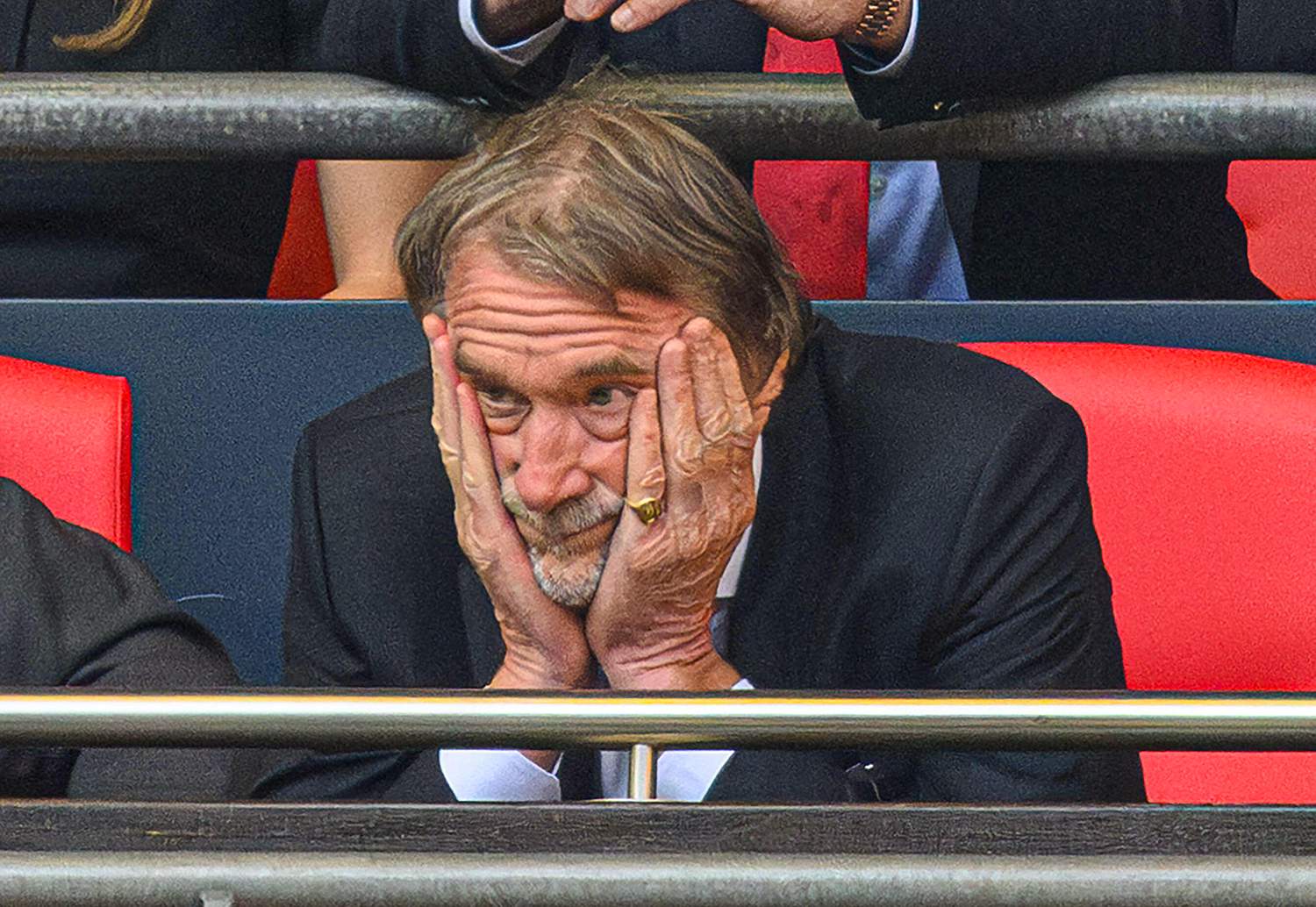
The Lesson Jim Ratcliffe Could Learn From My Immigrant Father-in-Law
The billionaire Manchester United owning tax exile says Britain has been “colonised” by immigrants but he could learn much from the hard working migrants who have made their lives in this country, argues Sangita Myska
Yes, Rubio dressed up his remarks with warm nods to the historic friendship between America and Europe (“our cherished allies and our oldest friends”) as well as flattering tributes to the contributions of great European artists, thinkers and explorers to the world. Yes, he’s not wrong to suggest that Europe does need to spend more on its own defence. It does need to revitalise its economy. It does need to reform its welfare society in the face of an aging population. It does need to build strategic resilience, and ensure it is no longer so reliant on complicated supply chains, or global trade networks. It does need to have a clear eyed view of the challenges of today’s world, and the weaknesses of the international institutions trying to uphold global order.
But this also means having a clear eyed view of where America is heading under the Trump administration. For all Rubio’s ostensibly warm reassurances about wanting to work with Europe, his speech was just further evidence of how far Europe and America are actually drifting apart.
I’m sure Rubio hopes his remarks will come to be regarded as significant as those of Kennedy and Reagan before him. He even began his speech with a deliberate reference to the Berlin Wall, and the collaboration between the US and Europe which helped to defeat communism. Some press reports have suggested that he received a standing ovation at the end, though what I saw from the recording was some fairly half-hearted clapping, with the audience politely standing on its feet probably out of sheer relief that his remarks were not worse.
From my perspective, in the withering words of Senator Lloyd Bentsen to Republican nominee Senator Dan Quayle during the 1988 US vice-presidential debate, Rubio proved himself to be “no Jack Kennedy”, let alone a worthy Republican heir to Ronald Reagan – in either rhetorical gifts, or in substance.
ENJOYING THIS ARTICLE? HELP US TO PRODUCE MORE
Receive the monthly Byline Times newspaper and help to support fearless, independent journalism that breaks stories, shapes the agenda and holds power to account.
We’re not funded by a billionaire oligarch or an offshore hedge-fund. We rely on our readers to fund our journalism. If you like what we do, please subscribe.