
 Subscriptions
 Subscriptions
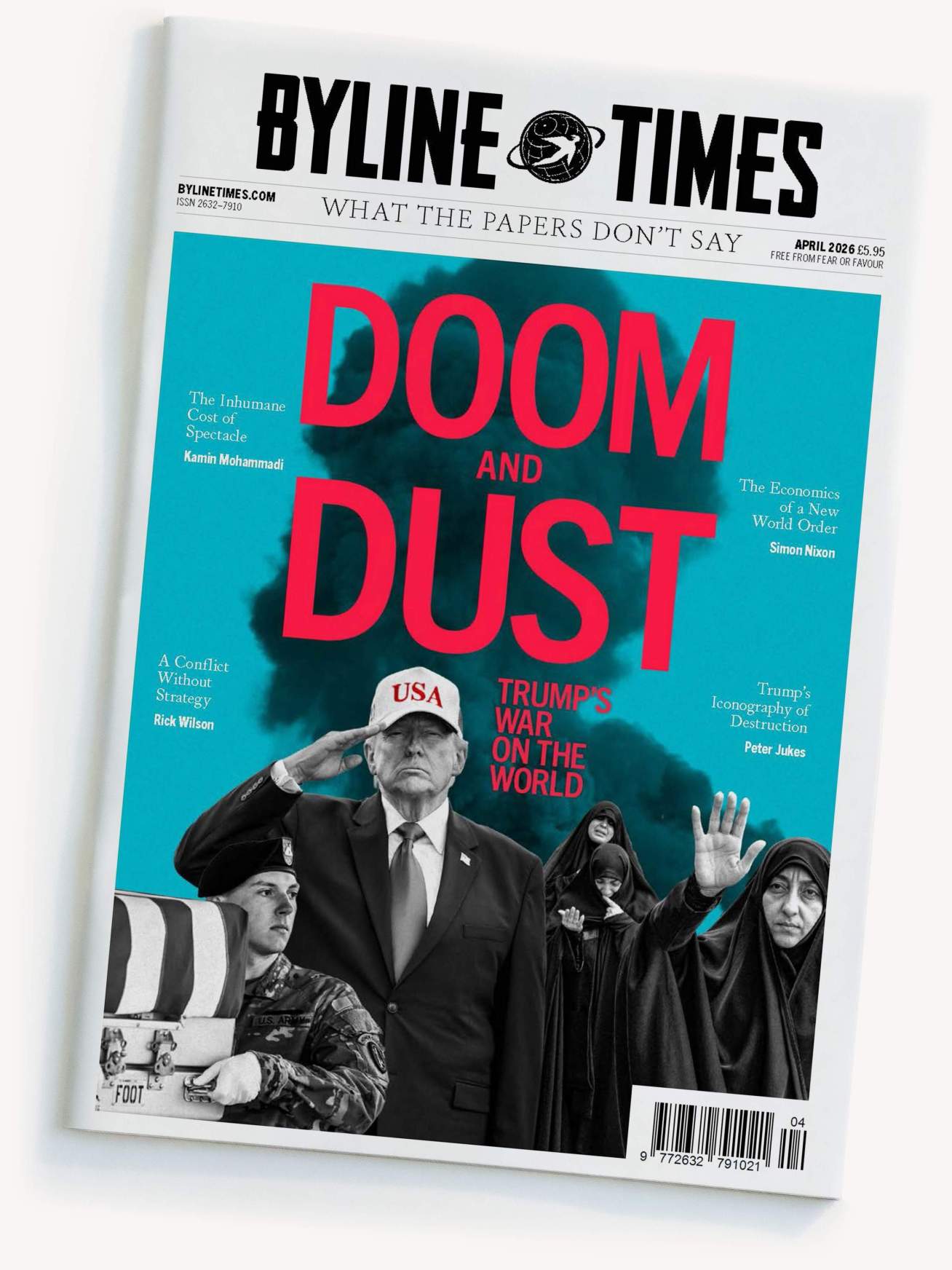
Read our Monthly Magazine
And support our mission to provide fearless stories about and outside the media system
You did not dream the last fortnight: that really just happened. Fresh from illegally abducting a foreign head of state, the President of the United States turned his attention to seizing part of the territory of a close NATO ally while declaring economic war on those European allies who dared to object.
The Greenland fiasco not only represented the lowest point in UK-US relations in 70 years, it quite literally threatened to blow apart Europe’s post-war geopolitical and security architecture.
Thankfully, Donald Trump has now – at last – confirmed that he will not invade Greenland. He also walked back his threats to impose fresh, punitive tariffs on the UK and other allies.
But these feel like temporary reprieves. Trump’s presidency has three years to run and more instability surely awaits. The old world, with its reassuring alliances and certainties, no longer exists.
The new world brings fresh and urgent demands for the continent of Europe – in particular, the European country that, ten years ago, chose to leave the only trade bloc capable of rivalling the United States.
Engage, for one moment, in a small thought experiment. Imagine that we had not left the EU. That in 2016, we narrowly voted to remain, and then stumbled through the following ten years with our economic and geopolitical framework essentially unchanged.
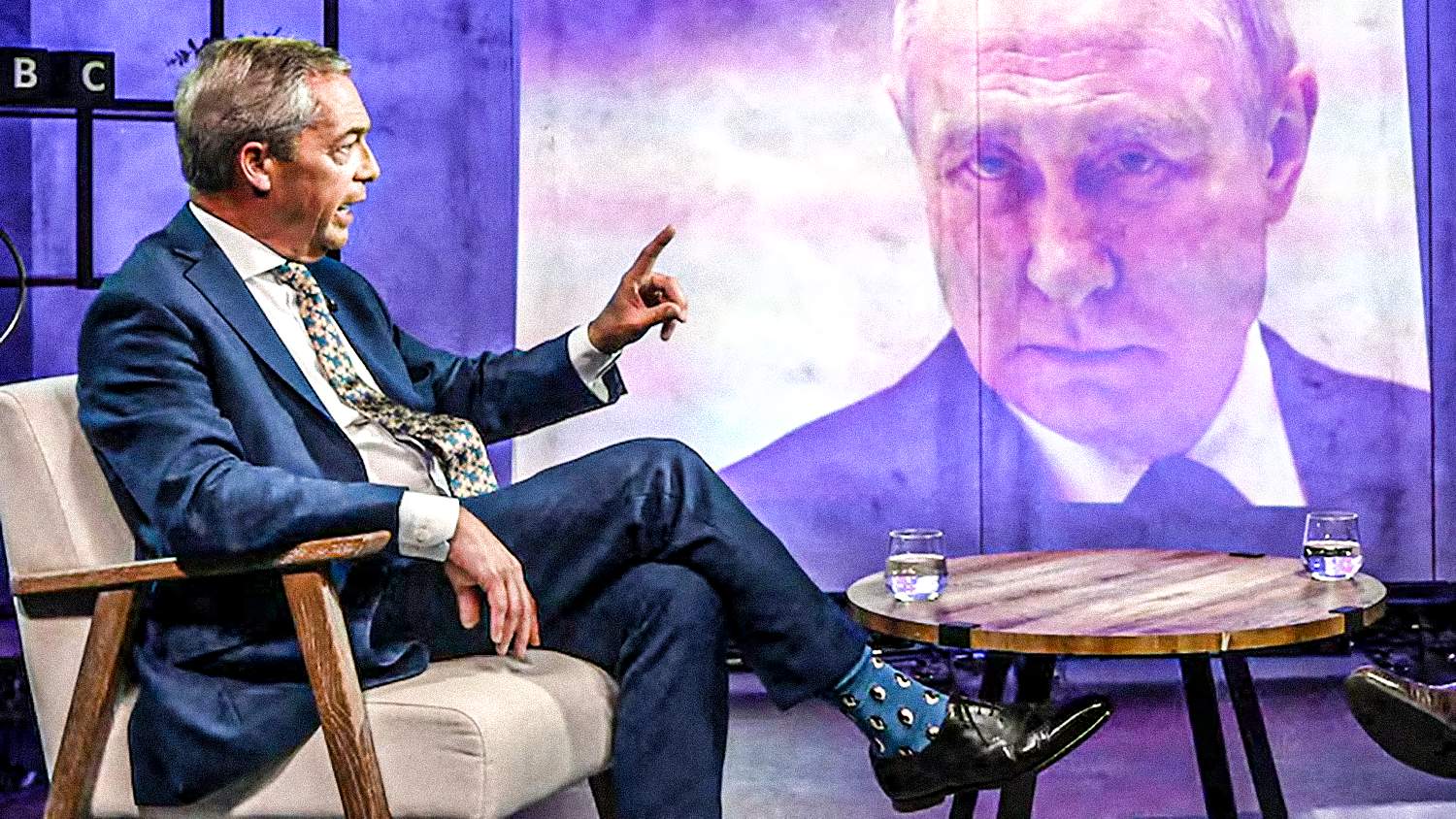
Why Is the Government Really Refusing to Investigate Russian Interference in Brexit?
Keir Starmer’s decision to exclude Russian interference in the 2016 EU referendum from his inquiry into foreign interference in our elections should ring alarm bells, argues Sergei Cristo
Imagine the last decade of geopolitical turbulence, but where we were neither obsessing about tearing ourselves from our regional bloc, nor finding our way once we had.
Would Theresa May have debased herself to invite Trump on his first state visit to the UK, all for the comprehensive trade deal to mitigate Brexit’s damage – a deal which never came? Would the UK’s global voice and reputation have been stronger or weaker? Did our economy – pummelled by so many events out of our control – need the additional voluntary hit or not?
Imagine just the last year. Would Keir Starmer have had to prostrate himself before the new American king, offering an unprecedented second state visit, if the UK were not so weakened on the global stage by Brexit? Would Trump have still been able to get everything he wanted – pomp, prestige and royalty – without offering anything except, as it subsequently transpired, political and economic threats and personal insults.
Now imagine the last two weeks. When Trump issued his threats of tariffs for the crime of upholding Denmark’s territorial integrity and Greenland’s self-determination, all Starmer could do was protest the move and appeal to Trump’s better nature. Compare that with the muscular responses of France and Germany, who resolved to respond in kind. They knew they could plausibly do so thanks to the power of the EU behind and alongside them. The UK could only act in isolation. Given the vast power imbalance against the US, that meant, in practice, failing to act at all.
Never has the UK been so exposed. Even in 2016, in a more benign global environment, Brexit was a catastrophic error. Ten years later, it looks incalculably more damaging. Both Britain and the EU are weaker at a time they need collective strength more than ever. Brexit’s only beneficiaries have been Russia, China and, as it turns out, an actively hostile United States.
Brexit Failures
Who, apart from Nigel Farage, would be advocating for Brexit right now if we were still in the EU? The verdict of voters would be overwhelming.
The power of the EU was something the UK considered to be a threat instead of what it was: an opportunity.
The bloc enables free nation states to pool some of their sovereignty and resources in return for meaningful power. In a peaceful, multilateral world that guarantees a voice and influence. In a dangerous, conflict-ridden one it guarantees the ability to fight back. The generous argument for Brexit was that it represented the legitimate exchange of less power for more sovereignty. The truth was that we lost both. The ‘sovereignty’ Britain won amounted to nothing.
Where, then, do we go from here? The US is no longer a dependable ally. Washington is more closely aligned with Russia than Europe. And European leaders cannot forget that the US President just threatened to collapse the Western alliance.
TS Eliot once remarked that “humankind cannot bear very much reality”, and so it goes with global leaders. Starmer and his counterparts may continue to deceive themselves that the old alliances and norms will hold fast with just the right amount of flattery and diplomacy; that Trump’s malign force can be blunted or contained with sycophancy. Maybe, for the first time, a bully really will stop demanding more if his victims give him what he wants. More likely, he will not.
The answers to this are not simple. Labour may eventually decide to press for concrete reintegration, for example through the Single Market or Customs Union, but that is fraught with risk. Nigel Farage and the Conservatives would love nothing more than a totemic issue to rally anti-EU voters. It may also not be time to scratch the old wounds that tore the Labour Party to shreds. But the conversation needs to happen eventually.
ENJOYING THIS ARTICLE? HELP US TO PRODUCE MORE
Receive the monthly Byline Times newspaper and help to support fearless, independent journalism that breaks stories, shapes the agenda and holds power to account.
We’re not funded by a billionaire oligarch or an offshore hedge-fund. We rely on our readers to fund our journalism. If you like what we do, please subscribe.
This is also about more than the economy. If NATO is to all intents and purposes defunct, something – something European – must replace it. Nobody is talking about an EU army that deploys troops without national governments’ approval. But the EU already has a comprehensive security and defence apparatus – the CSDP – which the UK enthusiastically co-devised. Under the terms of last year’s UK-EU security and defence partnership, the UK can contribute widely and deeply in CSDP missions. Such common cause is no longer an option but a necessity.
Following the Greenland debacle, Danish Prime Minister Mette Frederiksen remarked: “We have learnt something during the last couple of days and weeks. When Europe is not divided, when we stand together, and when we are clear and strong also in our willingness to stand for ourselves, the results will show.”
Of course, Britain needs to stand up for itself. But in meaningful and avoidable ways it also stands alone when it needs to stand with its friends. It will be difficult or perhaps impossible for the UK to rejoin the EU anytime soon – and yet the status quo cannot hold. If, in the new era of great-power politics, we cannot show strength, meaningfully defend international law or stand up to powerful bullies, we will be devoured.