
 Subscriptions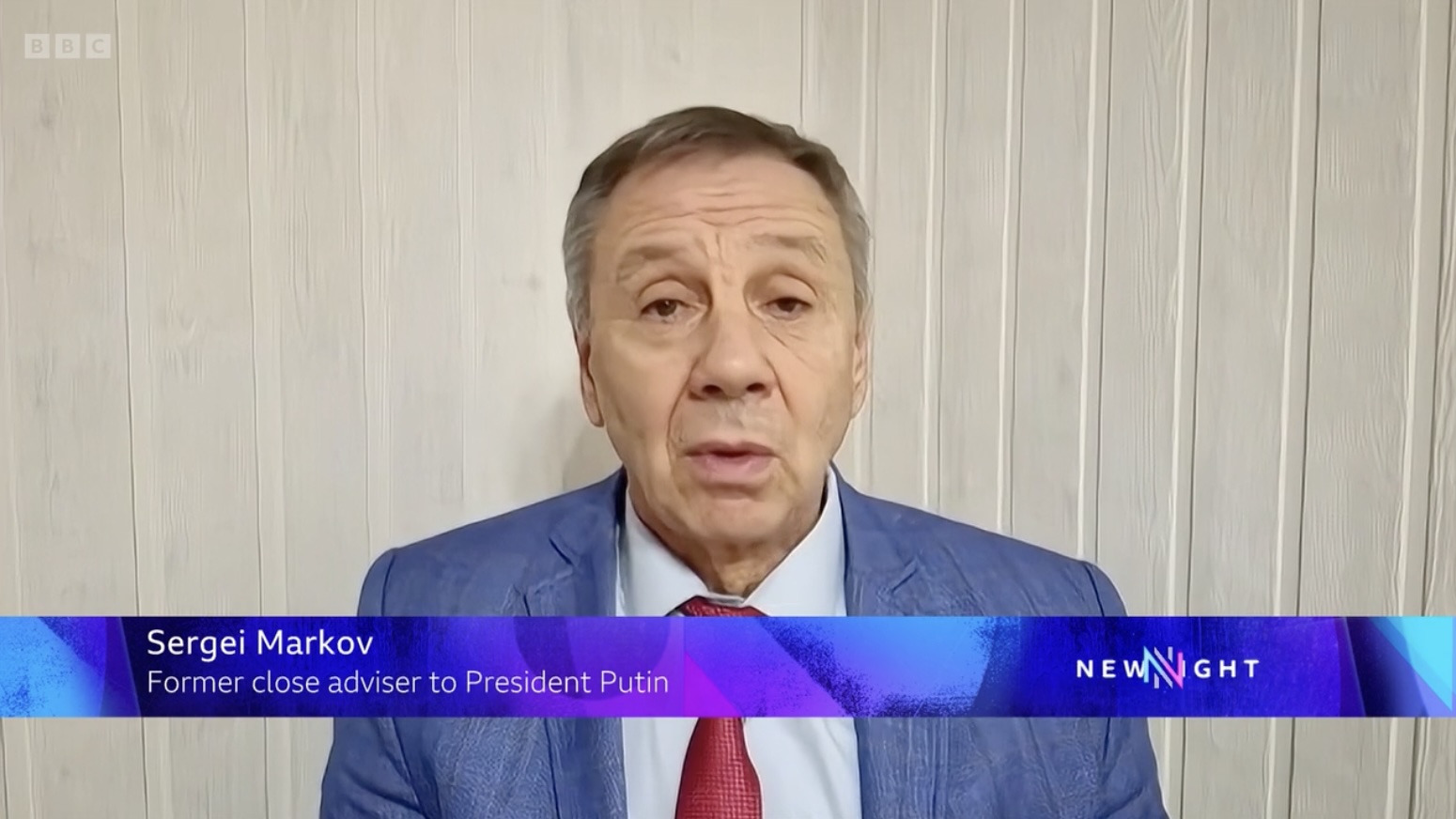
Read our Monthly Magazine
And support our mission to provide fearless stories about and outside the media system
As the BBC thrashes around trying to impose deep cuts to tackle funding problems which are teetering from a crisis into an emergency, its confusion over the concept it thinks of as “balance” has once again led to some strange editorial decisions.
Let’s start with Newsnight. Since the rebranding that stripped the programme of its once-signature in-depth reporting, Victoria Derbyshire and the presenters who fill in for her have defied expectations, and delivered some good discussion and challenging interviews.
Sadly, the programme let itself down earlier this week by booking the former Russian MP and unofficial Kremlin propagandist Sergei Markov to talk about Russia’s role in the UK’s 2016 Brexit referendum campaign.
It was apparently an attempt to balance Prime Minister Andy Burnham’s confirmation to The Rest is Politics podcast, that there had been Russian “interference in the 2016 referendum.”
I have written before about this concept of balance pursued by the BBC. It is based on the mistaken idea that there are two sides to every argument, and that the truth can somehow be established by presenting both sides, and letting the audience decide for themselves.
At its heart is an idea that the truth must lie somewhere in between.
It is a lazy strategy at the best of times, but it is a dangerous and foolish one in a world where misinformation, disinformation and propaganda – in other words, lies – are weaponised and ruthlessly deployed to achieve strategic geopolitical goals. Where you have one side lying and the other trying to be honest, the approach favours the liar, because the truth is not the midpoint between a fact and a lie.
When I saw that Newsnight had interviewed Markov my initial reaction was to compare the grotesque balancing of Burnham with Markov to interviewing Nazi propaganda minister Josef Goebbels to get the “other side” to Churchill’s speeches in 1940. On reflection, it was even worse than that: Markov is such a low-level figure that it was more like bidding for Goebbels, being told he was unavailable, and settling for Lord Haw Haw.
All the interview delivered were accusations that either Burnham was lying, or that he was repeating a lie told to him by British intelligence. No evidence, no insight, just more muddying of the waters by a man trusted by the Kremlin to spread disinformation.
This problem with balance found its way in another form onto the BBC website later in the week.
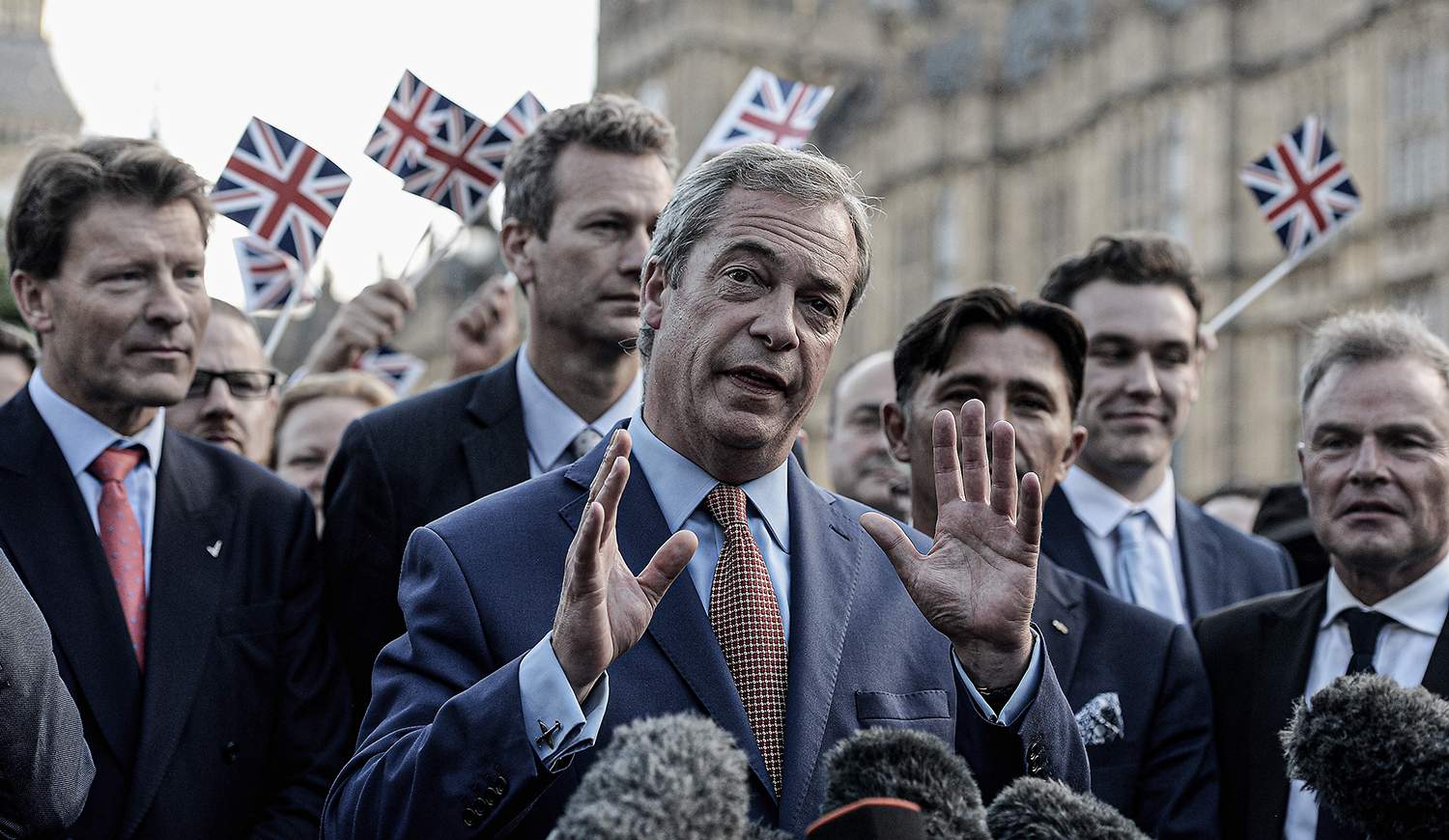
‘A Clear Answer’: Russia Intervened in the Brexit Vote
Prime Minister Andy Burnham has broken ten years of establishment omertà over Putin’s plot to get Britain out of the EU, reports Peter Jukes
ITV broke a story, based on under-cover reporting, showing some Reform councillors and candidates using racist, violent and sexist language.
Firstly, it’s worth noting this was an ITV report; exposing Reform in this way would not be on the BBC’s agenda. The website, though, thought the story was important enough to cover with a write-up jointly written by political editor Chris Mason. Clearly, the story needed to include the Reform reaction, but the idea of balance meant the reaction became the story.
The piece began: “Reform UK has said ‘there is no room for racism’ in its party…”
The normal way to write this story would be to outline the case against Reform, rather than bypassing that stage and going straight into Reform’s attempted rebuttal.
While there is a natural journalistic instinct to move a story on, leading with the denial the first time it was reported by the BBC puts Reform on the front foot. It suggests action being taken to protect a reputation tarnished by a few outlying individuals. Leading with the (new for the BBC) evidence of racism and sexism in Reform would have painted a different picture.
When I was writing for the BBC website a dozen-or-so years ago, pieces were structured to tell the whole story fairly in the first four paragraphs. It was thought that most readers would not read further than that, so it was important to make the top of the story a coherent summary. The typical way of doing that would be to use the fourth paragraph to state the other side’s view of the issue at stake.
The piece on Reform published on 15th October leads with Reform’s answer, then goes into the allegations, then also fills the fourth paragraph with a lengthy quote from a Reform spokesman. In other words, it tells the story in a way that helps Reform get the retaliation in first.
ENJOYING THIS ARTICLE? HELP US TO PRODUCE MORE
Receive the monthly Byline Times newspaper and help to support fearless, independent journalism that breaks stories, shapes the agenda and holds power to account.
We’re not funded by a billionaire oligarch or an offshore hedge-fund. We rely on our readers to fund our journalism. If you like what we do, please subscribe.
These decisions were taken in a context of turmoil within the BBC, which is mired in a process of inflicting deep cuts across its output to address its falling licence fee revenue (which itself has not kept up with inflation for many years).
Director General Matt Brittin, who has spent the past 18 years of his career rising through the ranks at Google, has yet to demonstrate he understands how central public service broadcasting and authoritative journalism are to the BBC’s existence.
So far, those cuts seem to be bypassing ossified layers of management, and are instead aimed at front line journalism and public service radio programmes. Put bluntly, if the BBC stops providing public service content, what is it for?
There is no one (with the possible exception of David Attenborough) who cares more about the BBC and its values than John Simpson, its world affairs editor. This month he celebrated sixty years with the corporation, and told The Radio Times “I think the licence fee has had it.”
The fact that even he acknowledges the precariousness of the BBC’s future funding should sound alarms among its top management, and in government, which have both yet to show any leadership on this issue.
The BBC is immeasurably important to British cultural life and to Britain’s influence around the world. It needs secure funding, leadership that understands its role, governance that maintains its independence and reform of its editorial guidelines to re-establish impartiality and coherent decision-making.
At the moment, they are all lacking.