
 Subscriptions

Read Our Monthly Magazine
And support our mission to provide fearless stories about and outside the media system
The latest round of BBC cuts have drawn lots of criticism, much if which was from those who mourned the passing of the midnight Radio 4 news. The decision to target a group of freelancer correspondents in some of Europe’s more interesting nooks and corners largely went under the radar – but it actually tells us a lot about the way the cuts are being implemented, and raises some very concerning issues.
The first point is that it makes no financial sense to axe this group of journalists. They don’t get sick pay or paid holidays. They don’t get paid a retainer, but base themselves in interesting parts of Europe, make themselves experts on their patch, and then get paid only when they are commissioned to do a piece.
When they do one, they almost always do it without help from camera operators, producers or safety advisers, increasingly doing everything themselves on their smartphones, saving the BBC colossal sums of money. They are effectively one-man-bands performing symphonies to orchestral standards.
It’s also a very poor editorial decision. These are journalists who have decades of experience and are soaked in the values and culture of the BBC. They are flexible, creative, and willing to put themselves in harm’s way (they are all required to be trained to work in hostile environments). This last point is something that I’m certain the BBC’s most senior managers do not appreciate – how many Google employees, for example, would risk endangering themselves for their company?
The BBC recently issued a press release proudly proclaiming that it has “grown its global audience to reach over half a billion people every week for the first time since contemporary records began.”
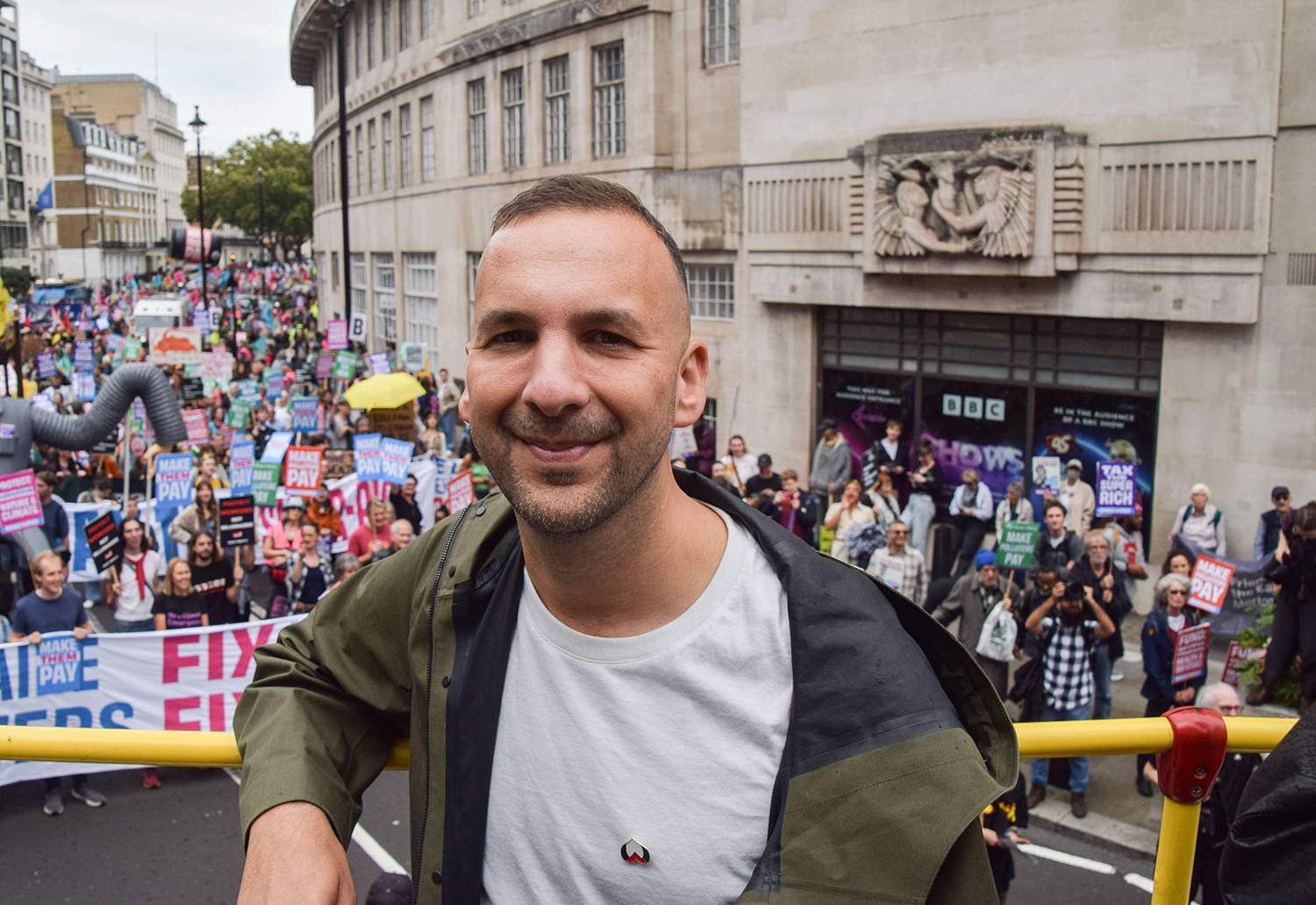
BBC Laura Kuenssberg Show Accused of Anti-Green Bias After Cancelling Zack Polanski Interview
The new Green Party leader was the only major party leader not to have been granted a conference interview on the flagship BBC show
Jonathan Munro, Interim CEO, BBC News and Current Affairs, added “people come to our journalism in record-breaking numbers for the breadth and depth of BBC reporting. We have consistently delivered distinctive and impartial coverage and, importantly, retained our position as the most trusted news provider in the UK and around the world.”
It has been able to do all that because it has expert, dedicated journalists in places like the Balkans, Poland and Switzerland who know their regions backwards, have spent years building up contacts and can “consistently deliver distinctive and impartial coverage” and outstanding value for money. So why are they first for the chop?
The answer lies with the people making the decisions, who opted to go for “low-hanging fruit” – correspondents who are easy to get rid of because they are not members of staff and don’t need to be given pay-offs.
It’s an old BBC joke that it has always been true that you could sack a third of the BBC’s workforce without anyone noticing. The problem is, the wrong third would always be selected. It is the useless and bloated layers of management that need to be chopped – but those are the people who decide who goes, and there is no culture of self-sacrifice for the greater good among this group.
In the recent BBC press release I mentioned above Jonathan Munro took the time to “thank BBC teams across the world for delivering outstanding journalism just when the world needs it most.”
However, the thank yous were entirely absent when the five freelance correspondents were told they were being cut, and there was no thought at all about “delivering outstanding journalism”.
By my reckoning there are at least three distinct layers of management between Munro and the correspondents who are being cast aside, and there are also several more layers of senior management above Munro (making him either a lower-upper-level manager, or possibly an upper-middle-level one).
I have been told by someone who took part, that a conference call was held two days after the correspondents received the terse emails telling them they would be out of jobs in six weeks’ time.
In the course of the call one of these lower-middle managers said “the reality is that, you know, the BBC has been told to cut a huge amount of money. On the other hand, I would also point out that there is absolutely no strategy here”.
They continued, “so that is a kind of fundamental problem with what we’re dealing with… we haven’t had the senior leadership clearly that would have driven that kind of decision-making process. What I would hope is that managers do realise that with a more concrete vision of where we’re going, then perhaps some of what we’re doing is not the most efficient way forward.”
If it was serious about saving, the BBC would (and should) cut its self-interested management, not its dedicated and trusted field journalists. The performance of the corporation’s “leaders” does not merit current levels of remuneration, so managerial pay levels should also be cut.
And this stuff really matters, because while its domestic political coverage has often been substandard in recent years, the BBC’s international coverage has indeed helped it grow its reputation as one of the world’s most trusted news providers. Casually cutting the journalists who have built that trust has to be an act of self-harm.
ENJOYING THIS ARTICLE? HELP US TO PRODUCE MORE
Receive the monthly Byline Times newspaper and help to support fearless, independent journalism that breaks stories, shapes the agenda and holds power to account.
We’re not funded by a billionaire oligarch or an offshore hedge-fund. We rely on our readers to fund our journalism. If you like what we do, please subscribe.
Of course, the BBC’s Director General, Matt Brittin is new in the job, and brings with him his experience as a Google executive. He will have to quickly prove that he fully values the organization he now has to lead.
It’s also worth saying that the cuts would not be necessary if the government woke up to how valuable the BBC is to the UK’s soft-power influence around the world and adequately funded it.
In reality, the BBC just needs more money, and then secure funding for the future. But if it has to make cuts, the place to wield the axe is among the managers who prioritise their own advancement and survival above the interest of the corporation and its audiences.