
 Subscriptions
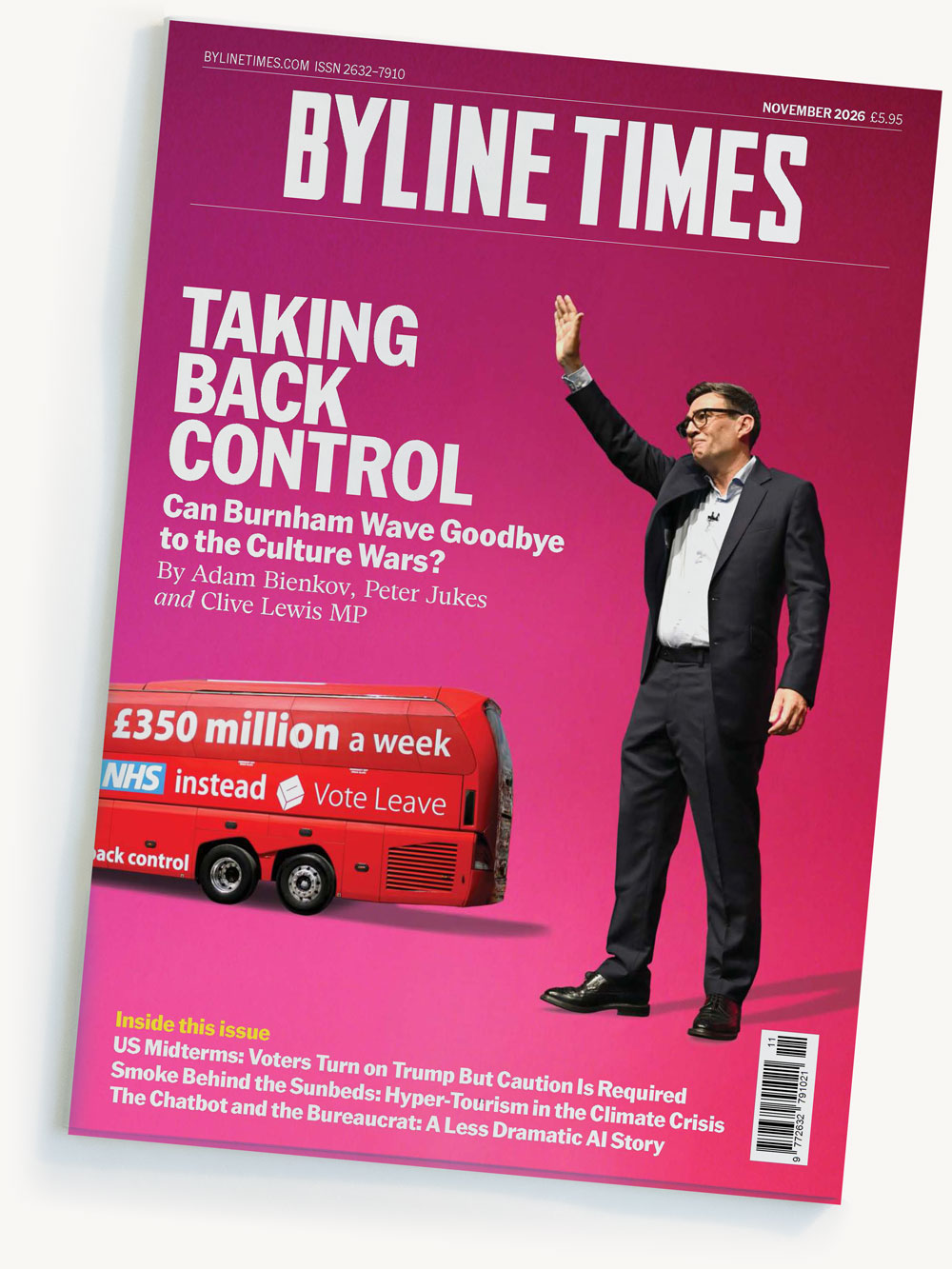
Read our Monthly Magazine
And support our mission to provide fearless stories about and outside the media system
Byline Times has been reporting on the finances and associations of Nigel Farage and his political projects for the best part of a decade.
At the time, our investigations were met with the sound of tumbleweed blowing over the desks of Westminster. However, that is now starting to change as other outlets finally start to ask serious questions about a man often touted as Britain’s next Prime Minister after 2029.
Five referrals have now been made to the Standards Commissioner, covering four separate, bubbling crises for the far-right leader: the £5m undeclared, pre-election ‘gift’ from crypto billionaire Christopher Harborne; allegations he failed to declare some of his properties; his lobbying of the Bank of England on crypto policy (after receiving the Harborne millions) – and now his undeclared financial support from convicted fraudster George Cottrell.
Any one of these could end up toppling the Reform UK leader, particularly if the sanction is enough to warrant a suspension from the house long enough to allow a recall election to be triggered.
On Cottrell, the relationship goes well beyond friendship. In 2019, Byline Times reported that he effectively acted as treasurer for the Brexit Party’s fundraising. He was arrested in 2016 while with Farage and Richard Tice — then chair of the Brexit Party and co-founder of Leave.EU — and charged with 21 counts covering money laundering, bribery, blackmail and wire fraud.
As we reported on these pages more than two years ago, Cottrell served just eight months, in a plea deal that involved showing the FBI the methods he’d used to launder money. Cottrell has since written a book, called ‘How to Launder Money’. He says it’s to help those fighting corruption, but one reviewer wrote that it could just as easily be read as an instruction manual.
ENJOYING THIS ARTICLE? HELP US TO PRODUCE MORE
Receive the monthly Byline Times newspaper and help to support fearless, independent journalism that breaks stories, shapes the agenda and holds power to account.
We’re not funded by a billionaire oligarch or an offshore hedge-fund. We rely on our readers to fund our journalism. If you like what we do, please subscribe.
Now the Sunday Times reports that Montenegro-based Cottrell funded Farage’s private security, staff, transport and accommodation in the year before he became an MP, and let him use a five-storey house near Buckingham Palace.
Reform’s Robert Jenrick went on the Sunday shows to attack the reporting and claim the two are “just friends”. Farage, for his part, has used a classic PR trick of claiming he is ‘seeking legal advice’ about the story – attempting to rubbish it as libel without actually responding to the substance of the claims themselves.
A Pattern of Contradictions
However, Jenrick’s defence doesn’t stand up to scrutiny. Most people’s friends don’t fund several members of staff for them. Most people’s friends are not convicted fraudsters. And most people believe that MPs – especially party leaders – should be held to a far higher standard of transparency and scrutiny than ordinary punters. As parliament’s own rules state, if in doubt about a donation, declare it.
There’s a clear pattern in Farage’s own account of his finances too. Last year, I reported comments from Farage before he had decided to stand for the 2024 election. He said there was “no money in politics… if you’re straight” — meaning if you’re not corrupt.
Don’t miss a story
It later emerged he’d secretly received £5m from a crypto billionaire around the time he decided to run for Parliament. After being elected, he subsequently met the Bank of England Governor to lobby for crypto deregulation and argue against a policy (a Bank of England-owned digital currency) that could directly challenge the power of crypto-capitalists.
Farage’s own words claiming politics was a poverty pursuit unless you’re on the take are now coming back to bite him.
Labour’s Phil Brickell is one of the MPs who has reported Farage to the Standards Commissioner. He told Byline Times: “Farage’s repeated failure to declare his interests should be the end of his political career…
“The sheer breadth of interests Farage has outside of Parliament – in addition to his 16 paid roles on the register of members’ interests – is unprecedented.”
This stuff is starting to cut through. Voters are asking: why has Farage suddenly become a crypto evangelist after taking millions from cryptocurrency entrepreneurs? It does not pass the sniff test.
His changing story on the £5m does not help him, but it is now one of many avenues of investigation. Properties he purchased which do not appear on his register of interests — on top of roughly £1m a year from GB News – only add to the sense that none of this smells right.
What Would Reform Look Like Without Him?
Nigel Farage has withstood many scandals in his time. As Brickell puts it: “Farage is an incredibly resilient politician. He got elected to Westminster on his eighth time of trying. So nobody should underestimate his perseverance.
“Yet Farage has never known the scrutiny of the kind he is receiving. His repeated courting of tech billionaires, his many jobs away from Westminster, and his constant focus on courting the Trump administration have all led to the shine coming off Reform’s leader.”
Three by-election defeats in a row suggest that is true.
Farage runs Reform UK like his personal fiefdom. Brickell calls it his “political plaything”. “He’ll do whatever he wants, with regulatory consequences an afterthought.”
That can work very well. Until it doesn’t.
It’s of course worth noting that the parliamentary probes into Farage are at an early stage. He hasn’t gone anywhere. And many other regulators show little interest in looking. The Financial Conduct Authority says it doesn’t regulate crypto yet, and the Electoral Commission has told this outlet it isn’t investigating a raft of donations from troubled firms to Reform UK.
However, just today the Government announced it was accepting the recommendations of the recent Rycroft review into foreign interference in full. And they will extend a ban on overseas voters donating more than £100,000 for a year after they return to the UK. That will directly hit the likes of Reform mega-donors Christopher Harborne and (previously Hong Kong-based) Ben Delo.
So now it is worth asking: what does Reform UK look like without its number one figurehead?
We already know part of the answer to that. When Richard Tice led Reform UK, the party was polling around 12%.
After Nigel Farage took over, the party hit 30% in less than a year.
Now the house of cards he has built at Reform UK faces heavy winds. If he falls, the whole edifice could come tumbling down after him.
Got a story? Get in touch in confidence on josiah@bylinetimes.com
holding farage to account #reformUNCOVERED
While most the rest of the media seems to happy to give the handful of Reform MPs undue prominence, Byline Times is committed to tracking the activities of Nigel Farage’s party when actually in power

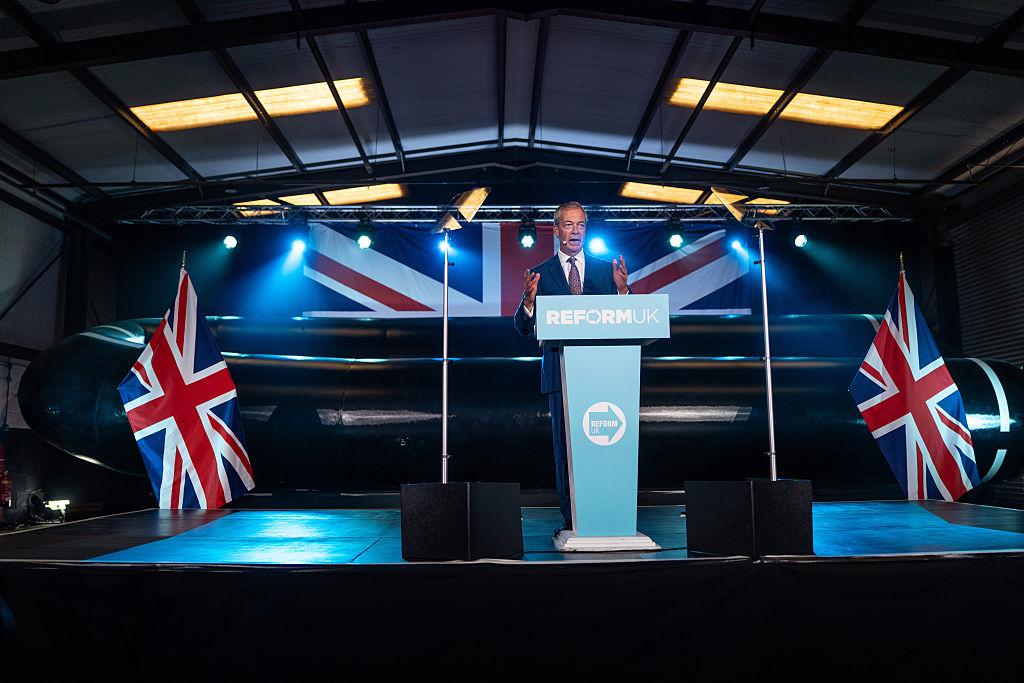

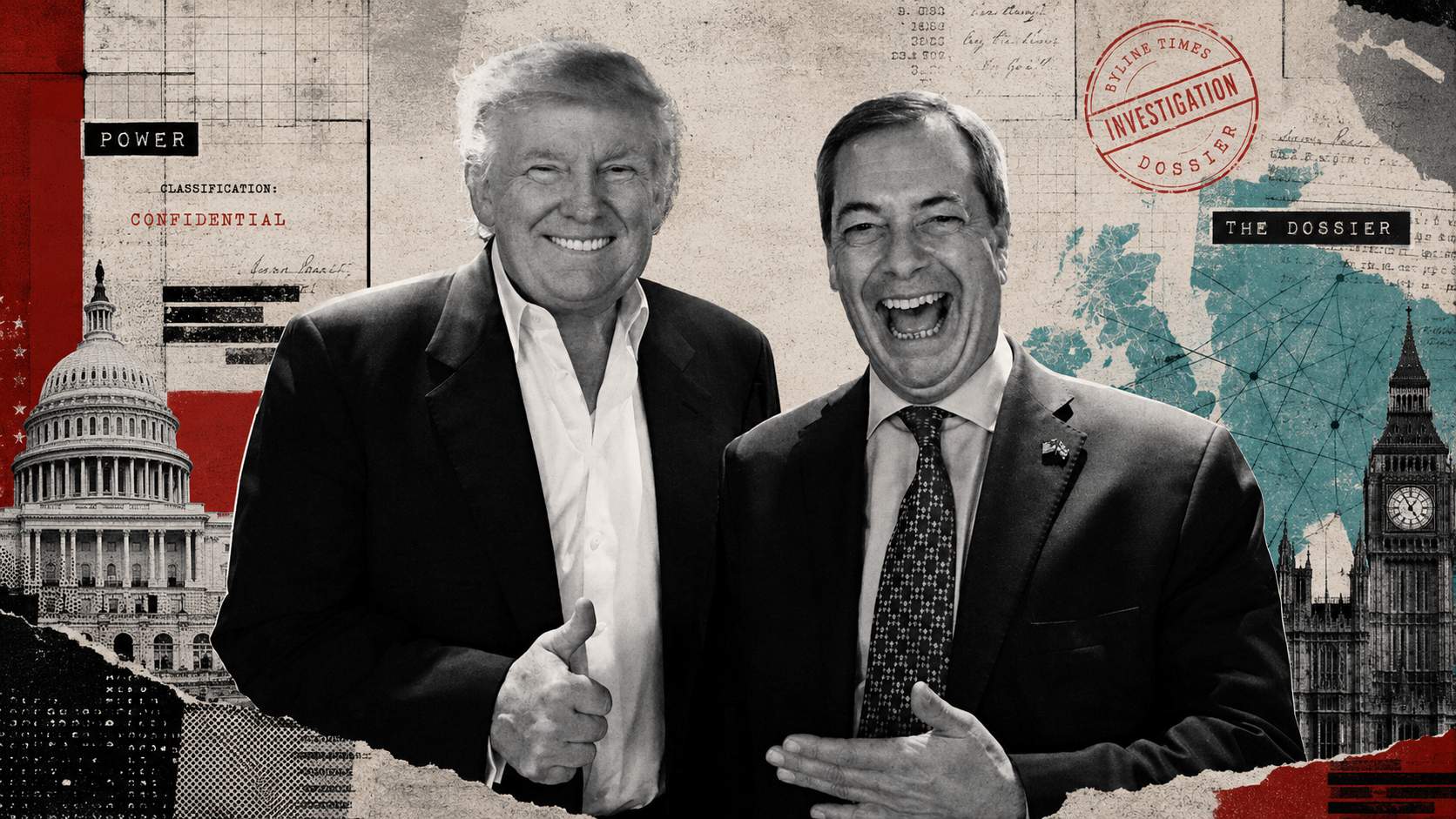
 Contribute to our #ReformUncovered crowdfunder
 Subscribers Get More from JOSIAH
 Subscribers Get More from JOSIAH
Josiah Mortimer also writes the On the Ground column, exclusive to the print edition of Byline Times.
So for more from him…
