
 Subscriptions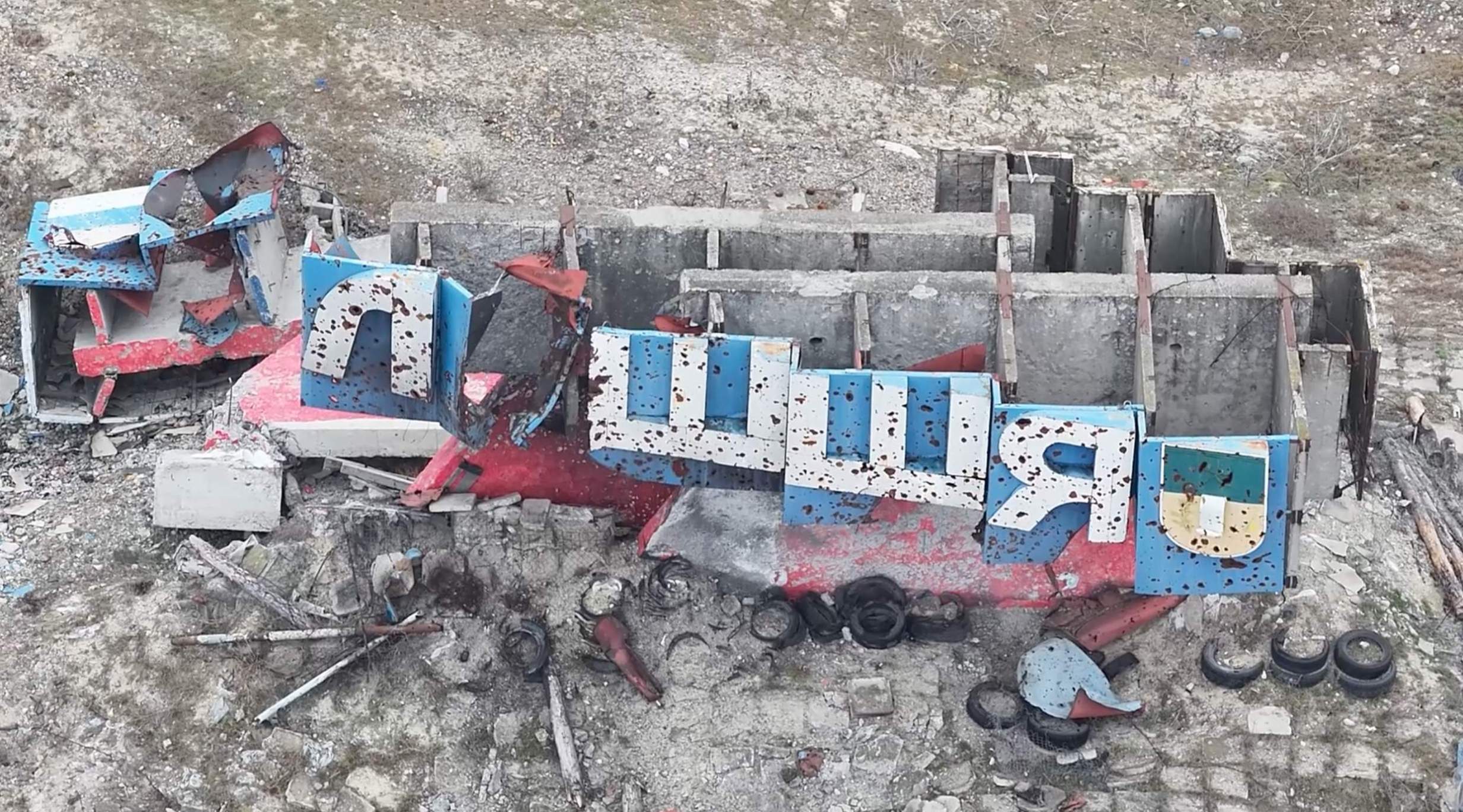

Read our Monthly Magazine
And support our mission to provide fearless stories about and outside the media system
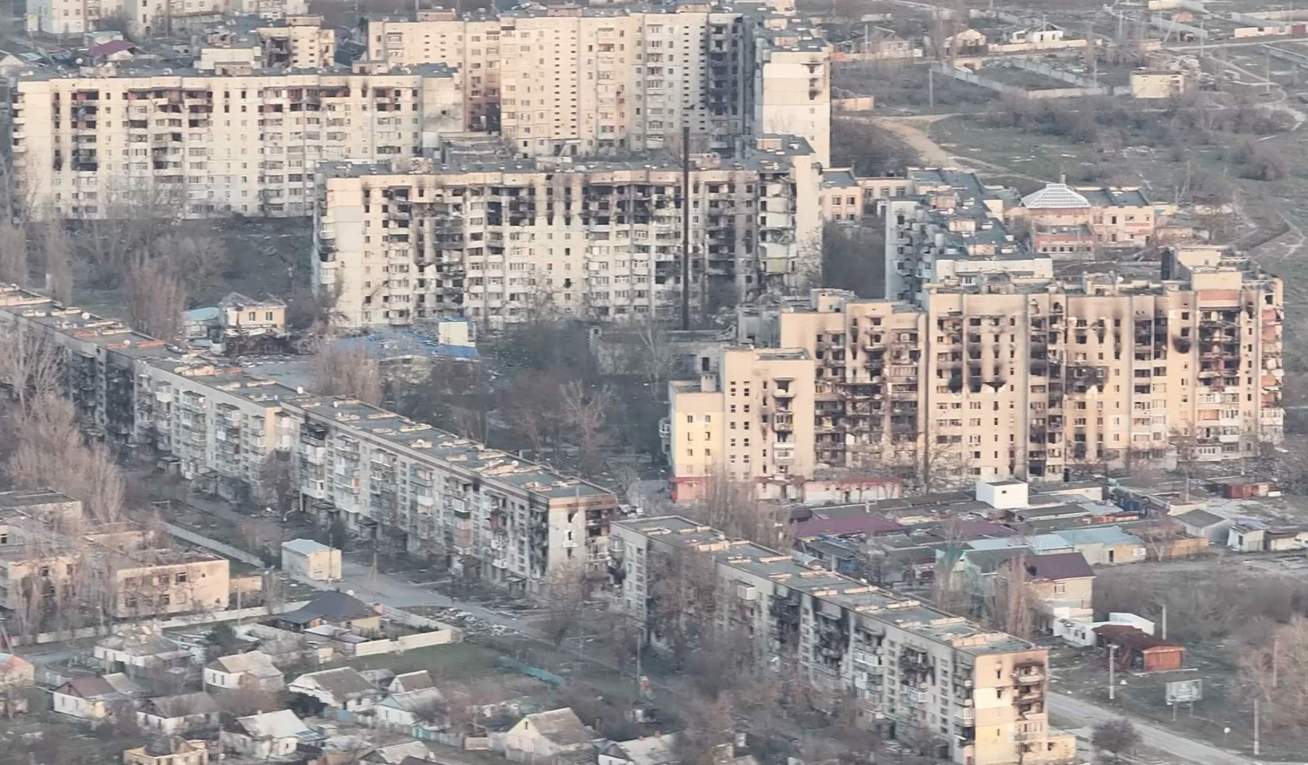
Oleshki, on the left bank of the Dnipro, has been under Russian occupation since 2022. Survivors describe it not as a front line, but as a drone siege zone.
Obtaining and verifying information from the drone-besieged area is challenging. The official authorities in the Ukrainian-controlled parts of the Kherson region maintain the connection, but telephone lines and the internet are down most of the time.
Many of the residents lost their phones during the Nova Kakhovka dam flood in summer 2023. Some manage to pick up the Ukrainian telephone connection or internet by risking a climb to the upper floors, where they can be attacked by drones. Speaking openly can lead to a Russian torture chamber.
“Russians are blocking all the access roads so that no one can leave or enter,” said Oleksandr Tolokonnikov, the spokesperson for the Kherson Regional Military Administration. “We cannot officially state deaths or report on the circumstances as there is currently no official Ukrainian authority in the occupied territories to produce official records. We can only rely on the testimonies of people who may be under pressure from the occupying authorities.”
The Escape Corridor
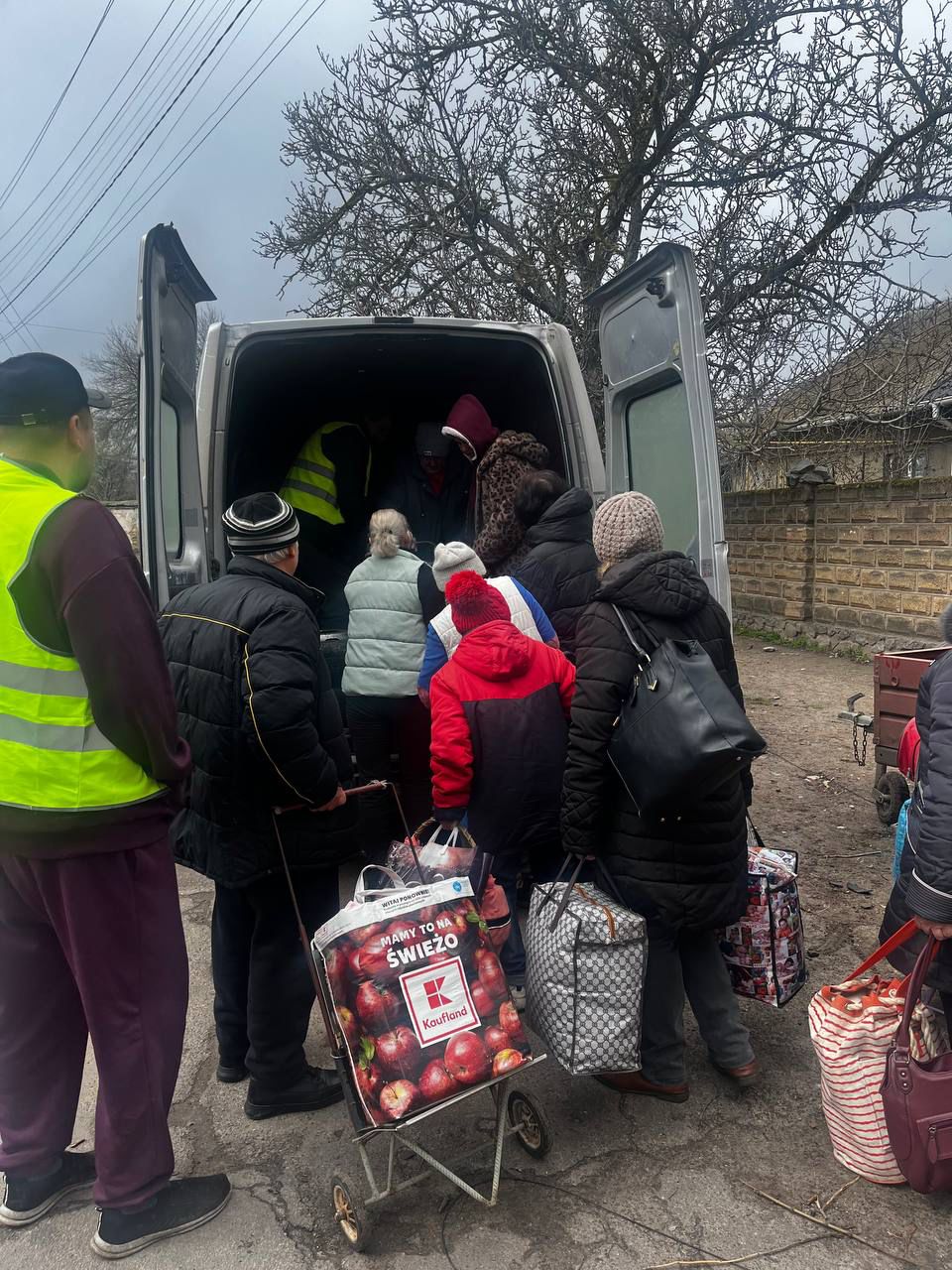
After obtaining information that a group of twenty Ukrainians was allowed to leave the besieged Oleshki, Byline Times travelled to the Ukrainian-Belarusian border – to the only humanitarian corridor for Ukrainians to escape from the Russian-occupied territories – to speak to the eyewitnesses. They drove in a minivan through the occupied Crimea, Russia, and Belarus, going through the multiple document checks and “filtration” points for 48 hours.
At the Domanovo border control point, Ukrainians from the occupied territories in Zaporizhzhia, Kherson, Donetsk, and Luhansk regions can re-enter Ukraine. Among those returning, 70% are from the occupied Kherson region, according to the official numbers provided by Helping to Leave, a volunteer organisation. According to Maria, one of the volunteers, people arriving from Oleshki, Hola Prystan, Stara, and Nova Zburyivka differ from others. They are extremely stressed, in poor physical condition, and their clothes are soiled.
A 14-year-old girl hugged her mother after four years of being apart, a stuffed hedgehog in one hand and a Ukrainian flag in the other. An elderly woman arrived in a wheelchair, her daughter unable to bring her home herself after being denied access to her house in occupied Donetsk.
A dog named Ryzhik (a Redhead) greets everyone.
“This dog is a real therapist,” said Serhii, a volunteer coordinator. “He feels people, and they need it. I consider them prisoners of war returning home. Some laugh, some cry, some kiss the soil.”
Volunteers welcome everyone with warm hugs and food, distribute bags with toothbrushes and soap, and help with getting Ukrainian telephone cards, tickets, and documents. They work around the clock, helping hundreds of thousands, providing everything from a shoulder to cry on to lifts to the bus station in a nearby town, Kovel.
Only three out of twenty made it to Domanovo after midnight: others were detained by the Russian authorities on the way, or remained in hospitals.
“They were hungry, exhausted,” said Mariya. “Faces worn. Afraid of drones outside. They told me their car moved through the mined roads as if flying on two wheels.
‘It is Hell’
Mykola* and Tetiana*, both in their sixties, with visible anxiety, agreed to speak on the condition of anonymity, after getting some sleep at a transit center in a nearby village.
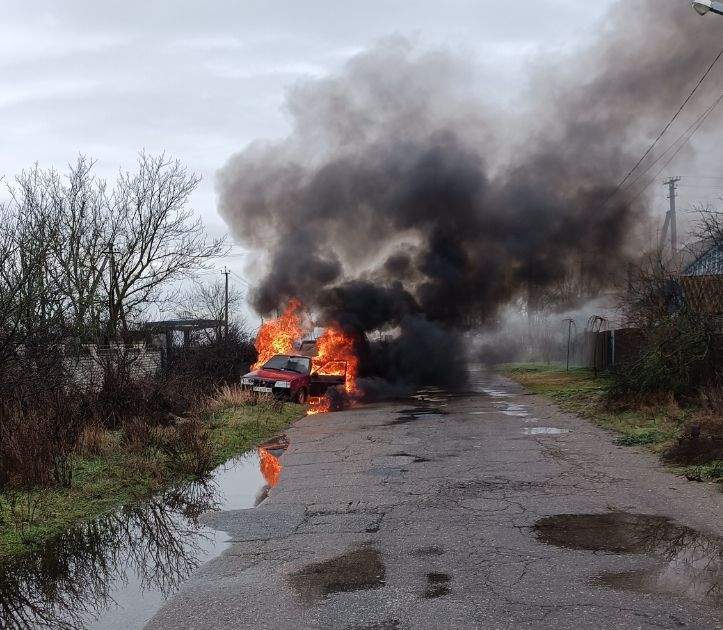
“Our neighbors were killed trying to escape in December,” Mykola said. “The car hit mines. It was torn apart.”
“It is hell,” said Tetiana. “Horror. No food. People live off preserves in the pantry. Some catch and cook pigeons. The Russian military does not have food, either; even though, occasionally, drones deliver plastic bags with some products. Russians break into basements, steal whatever they can find, and say, ‘Ukrainian pickles are delicious.’”
When, occasionally, a car manages to get through the mined roads and Russian block posts to deliver flour and sausage, 400-500 people line up by the hospital in the pre-dawn hours. Kids beg for food.
Serhii, a Helping to Leave volunteer, confirmed hearing similar accounts from evacuees. Some cook potatoes and porridge on open fires outside, ration food, and count every morsel. Others search abandoned homes, risking walking through drone-patrolled streets.
“Drones follow you whenever you go,” said Mykola.
“Drones are everywhere,” said Tetiana. “One hovered above me in my garden. I fell to my knees and started praying, crossing myself. It stayed above me, then left. The next day, a Russian drone pilot walked by my house, looking at me, grinning, and making a cross sign, mocking me.”

Ukraine Launches Landmark Legal Action to Hold Russia Accountable for ‘Ecocide’
With environmental damages now estimated at £108 billion, Ukraine is hoping to pioneer the global prosecution of ecocide as a weapon of war
According to multiple sources, Russian drone pilots are using Ukrainian civilians as moving targets to train their flying skills. People avoid lights, block windows, and restrict movement indoors.
The streets are under dual surveillance: drones overhead and Russian soldiers on the ground.
“If you look at them, they ask why you are staring,” said Mykola. “If you look down, they ask what you are hiding.”
He described being stopped at gunpoint.
“They removed the safety catch on the weapon and told me to show them a place to stay.”
Oleshki residents who managed to escape in December 2025 told Domanovo volunteers that the Russians tore up residents’ documents if they appeared at the block posts too often and took away a bicycle from a man they saw twice in one day. Quite a few men disappeared.
Yet, the residents from the high rises still risk going outside to get water. Some private houses have wells, but the pumps run on generators, and there is no more gasoline. The power went out in October 2023. People collect rainwater and dew, melt snow, and use water filters. The toilets are not working, and plastic bags are utilised.
Healthcare Failure
“Getting medical help without a Russian passport is impossible,” said Tetiana. “When an aerial bomb hit near my place, I got a concussion but was denied services because I did not accept a Russian passport.”
“The doctors follow orders,” confirmed Mykola.
People die from stress, strokes, and heart attacks. There is a more clandestine claim: many say that Russian medicine does not work or produces the opposite effect.
“Russian pills for high blood pressure elevate it instead of lowering and cause heart palpitations,” said Serhii.
A woman from the Donetsk region also said that the pills she was forced to take led to hallucinations but did not reduce pain. A retired college chemistry professor in his late 70s, who arrived earlier from another village in the Kherson region, said, “My cousin, a pharmacist in Moscow, told me not to take Russian pills when I got sick. The good quality medicine stays in Russia; the bad mix is delivered to the occupied territories. It’s their strategy and a state policy.”
Displacement System
Federal Law No. 518-FZ, signed by Vladimir Putin on 15 December 2025, allows occupation authorities in Donetsk, Luhansk, Kherson, and Zaporizhzhia to classify property as “ownerless” and transfer it to state control. Evacuated homes can then be reassigned to Russian citizens and state personnel, including military staff, officials, security forces, teachers, and doctors.
Displaced residents lose long-term claims to property they were forced to abandon. At the same time, the Kremlin promotes broader migration policies described as “creating conditions for the return of residents” to occupied regions.
Displacement of local populations combined with incentivised settlement by Russian citizens through housing, employment, and financial support is aimed at demographic restructuring, a violation of international law.
Burial Crisis
A great number of people froze to death during the winter, with no gas, heating, or firewood. Others die stepping on the mines or are killed by drones. Under the siege conditions, death certificates cannot be obtained from the office in a regional centre. Special services arriving on site may take days or weeks, and the bodies are outside and being consumed by wild animals and stray dogs.
“They do not bury their own dead,” said Mykola. “The Russians took aerial photos of a body being eaten by dogs and claimed this was a Ukrainian civilian and blamed the Ukrainian military. We all knew it was a Russian soldier: there was a necklace badge.”
This account is confirmed by the photo evidence provided by the 34th Marine Brigade.
“Our friend died in December,” said Tetiana. “He was buried in February in a bag. There are no coffins anymore. People wrap bodies in whatever and bury them this way.”
“The morgue is just a barn with a pile of bodies and no power, staying there for months,” said Mykola.
“Children live in this horror. No school, no online studying as there is no internet,” said Tetiana. “We want the Russians to leave. We want our life back.”
Amid ongoing peace negotiations with the United States and intensifying pressure for Ukraine to concede its occupied territories, the humanitarian catastrophe in these areas remains critically under-reported. Ceding these territories would effectively abandon the civilian populations to systematic violence and ethnic cleansing.
ENJOYING THIS ARTICLE? HELP US TO PRODUCE MORE
Receive the monthly Byline Times newspaper and help to support fearless, independent journalism that breaks stories, shapes the agenda and holds power to account.
We’re not funded by a billionaire oligarch or an offshore hedge-fund. We rely on our readers to fund our journalism. If you like what we do, please subscribe.