
 Subscriptions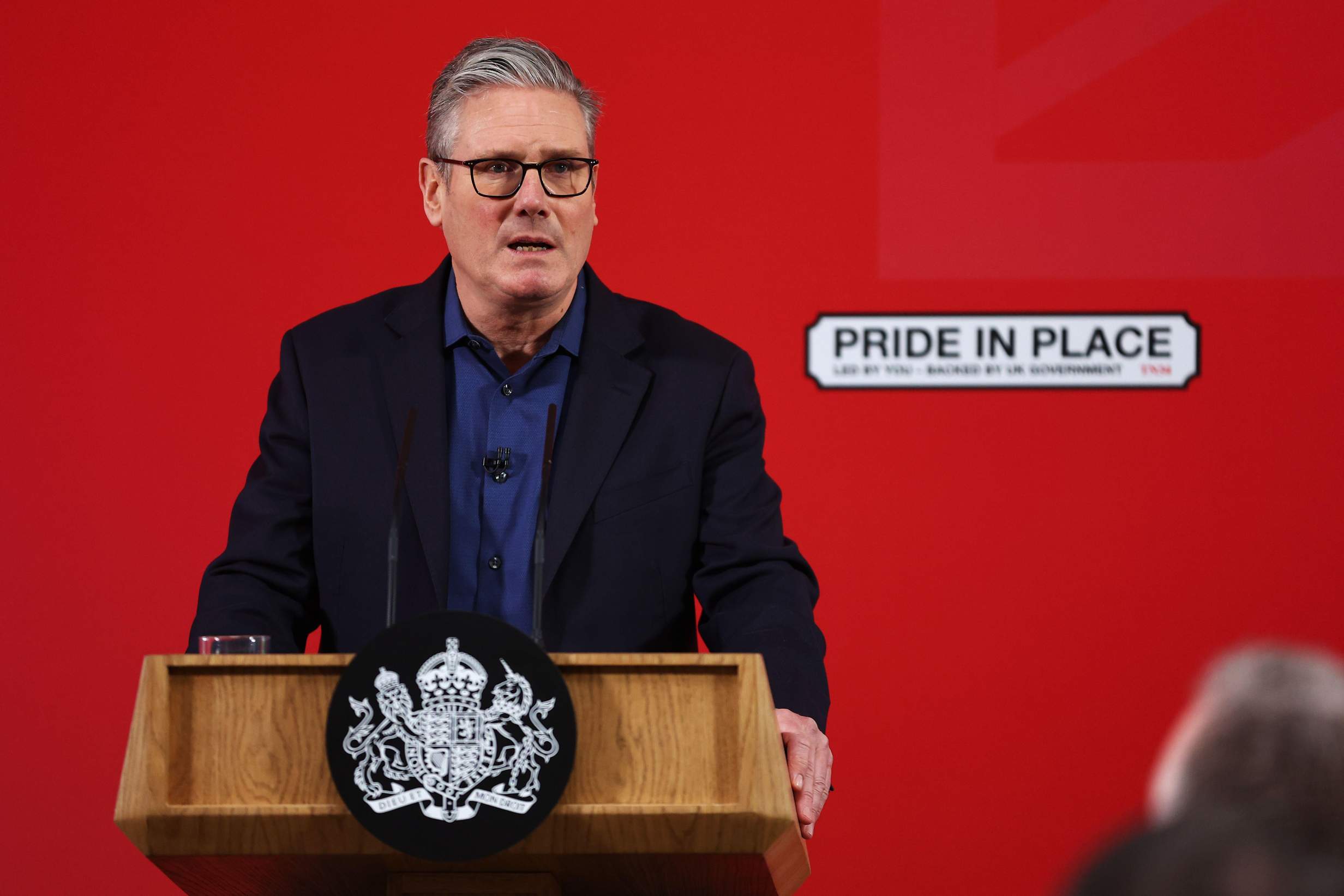
Read our Monthly Magazine
And support our mission to provide fearless stories about and outside the media system
The lowest point of Keir Starmer’s premiership could also potentially be the start of a something much brighter.
This can only happen if he survives the current political uproar over the Peter Mandelson affair – and if he draws the right lessons from it.
These are both big ifs.
However, there is certainly a significant degree of hypocrisy from those currently assailing the Prime Minister for his alleged poor judgement in appointing Mandelson as the British Ambassador to Washington. This is particularly the case for many Conservative and Reform UK MPs who, for years, covered up the numerous ethical failures of Boris Johnson’s premiership – including his Russian connections, the award of pandemic contracts to cronies, and the Partygate scandal.
Within Reform, there is a shocking refusal to question any of Leader Nigel Farage’s own dubious associations with many of those implicated in the Epstein Files – such as Donald Trump’s former campaign manager Steve Bannon – his Russian connections, and his questionable moral character, including substantial recent accounts of his racist behaviour while at school.
Many of those now lambasting Starmer also had little to say about Jeffrey Epstein when Mandelson’s appointment was first announced. The main questions back then were not about his moral character, but about whether his business dealings with China would be a problem in Washington, where China is increasingly seen as a strategic rival.
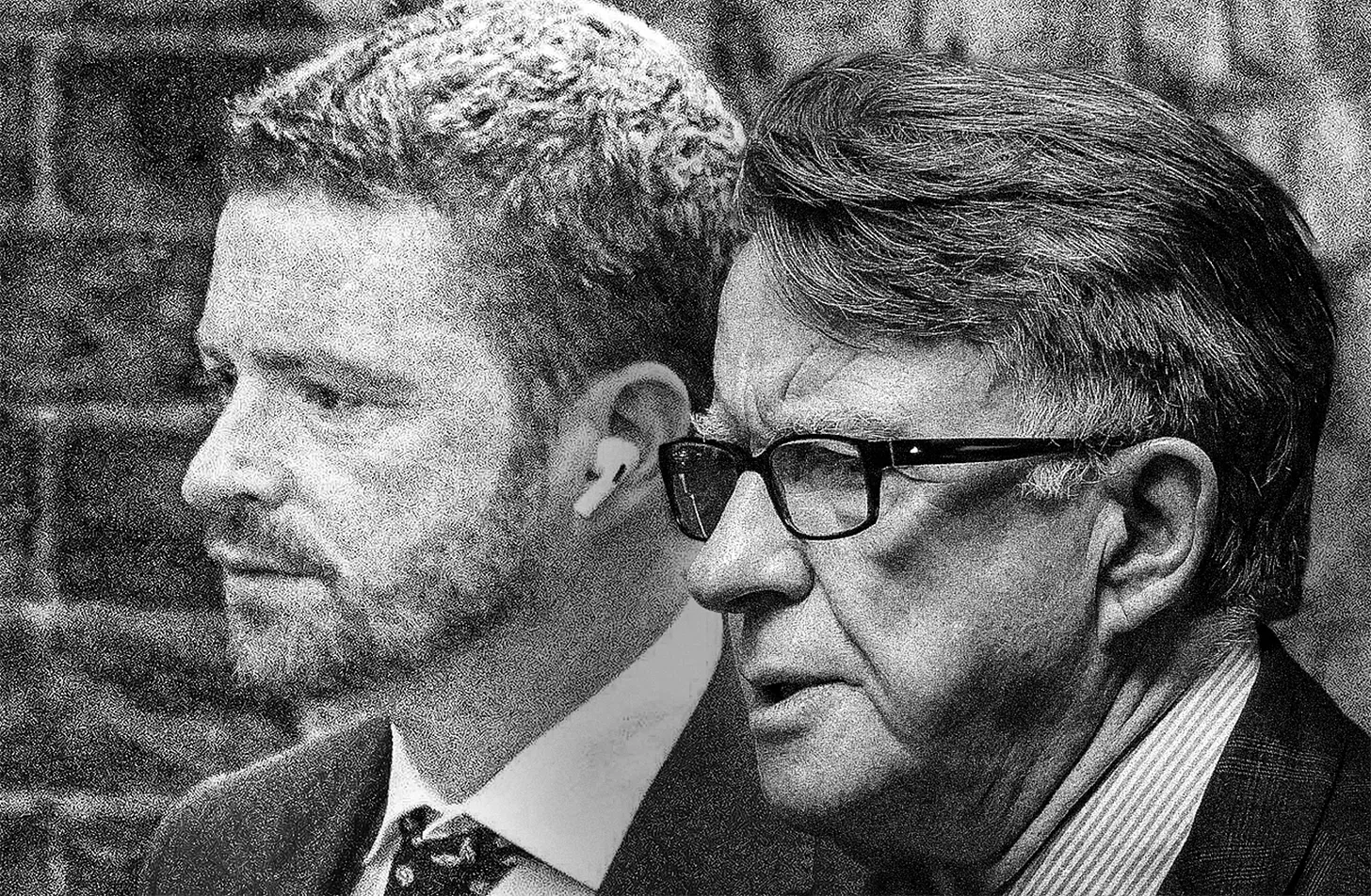
Peter Mandelson’s Downfall Puts Morgan McSweeney’s Future in Doubt
Keir Starmer insists he is sticking by his chief adviser in the wake of the Mandelson scandal, but others have their doubts, reports Adam Bienkov
Many tacitly understood that Mandelson’s questionable qualities were precisely what might make him most successful at forging a connection with the ethically-challenged Trump administration.
At the time, some even hailed Mandelson’s appointment as a surprisingly bold and clever move by Starmer.
It is no surprise that the most shameless example of hypocrisy comes from Farage, who two years ago claimed that Mandelson was a “good choice” as US Ambassador, but this week decried the Prime Minister’s judgement as “seriously wrong” and called for him to stand down.
Nevertheless, much of the outrage today over the latest revelations about Mandelson’s dealings with the late sex offender and financier, does seem genuine – if only because the breadth of his transgressions is truly astonishing – whether it is his actions in leaking market sensitive information to Epstein when he was serving as Business Secretary under Gordon Brown, continuing his friendship with Epstein years after the latter’s first conviction for having sex with minors, or blatantly lying to Starmer about the extent of his closeness to Epstein.
The scandal also breaks against a deluge of other shocking revelations from the Epstein Files which suggest Epstein and some of his associates were involved in active efforts to subvert liberal democracy – for example, by actively backing Brexit, supporting far-right parties across Europe, and possibly colluding directly with Russian intelligence services.
This, then, is not just a grubby sex scandal that can be addressed by removing the chief offenders from public life. It is part of a bigger ring of shady dealings involving Epstein, potentially impacting democratic institutions across Europe.
The anger is understandably strongest within the Labour Party as Mandelson’s worst betrayal was of his own colleagues in the party. Starmer’s Government came into office in 2024 promising to restore standards in public life. Mandelson’s actions now risk forever tarnishing Labour by association.
Suddenly, everyone across the public spectrum is remembering all the reasons why Mandelson was twice before forced to resign from office because of dodgy financial dealings, and asking themselves how on earth Starmer could have been so foolish as to trust him yet again.
The drip, drip, drip of further revelations about Mandelson’s connections to Epstein, and what Starmer knew at the time of the appointment, may ultimately doom his premiership, which is already under pressure due to wider concerns about his uninspiring leadership.
Even if he manages to survive this crisis, his political authority will be substantially weakened. His closest advisor, Morgan McSweeney, who was behind Mandelson’s appointment to the ambassadorship, will almost certainly have to go, to assuage his strongest critics.
But Mandelson’s disgrace raises far bigger questions than just Starmer’s judgement about the entire Westminster political class, which has shown itself to be repeatedly willing to turn a blind eye to ethical lapses when it has suited it politically.
This extends to much of the UK’s established press, which has too often colluded in burying some political stories or hyping up others, in return for political favours and access to prominent individuals.
The third wheel in this self-serving mix is the Royal Family.
Palace officials – for all their veneer of selfless service to the country – have an equal vested interest in spinning negative stories away, and preserving their status and financial privileges: the trade-off being granting the media access to select royal events which allegedly help sell papers and help keep the mythology of the monarchy alive in the eyes of its subjects; while providing distraction for the government from more negative stories.
I do not doubt that the King is genuinely appalled by his brother Andrew Mountbatten-Windsor’s behaviour. But he only acted to strip him of his titles, and remove him from his luxury lodgings in the grounds of Windsor Castle, after his transgressions came to public light. Like Mandelson, Mountbatten-Windsor’s main crime seems to be that he was found out.
Both Mandelson and Mountbatten-Windsor’s falls from grace are symptomatic of a far deeper malaise in the British political system, which has revealed itself to be deeply vulnerable to the classic corrupting lures of sex, power, and money, with potential consequences for British security itself.
If Keir Starmer is to reset his premiership, restore his authority, and prevent future scandals, he must now take resolute action, long overdue, to address the circumstances which allowed individuals such as Peter Mandelson and Andrew Mountbatten-Windsor to rise so far and keep their privileges for so long.
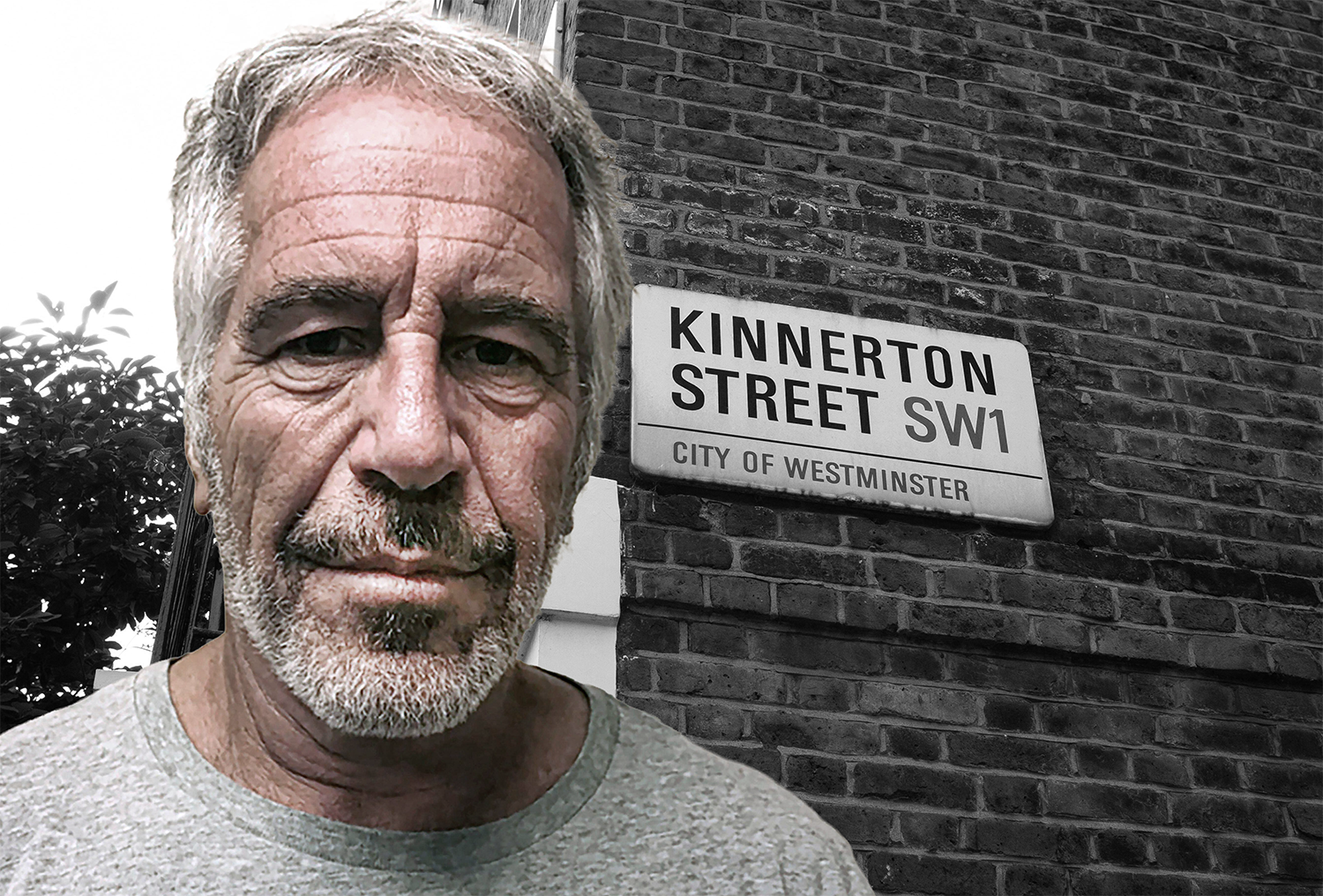
The Devil’s Butler: How Jeffrey Epstein Used London to Hide in Plain Sight
The Epstein files expose how the UK capital served as a playground and protector for the disgraced late financier and his wealthy associates
In recent years, the independently-funded, cross-party Commission on Political Power, of which I am a member, has published a series of papers on how to strengthen governance in the UK, including by addressing corruption in political life, reforming the House of Lords, establishing greater guardrails around executive power, and increasing citizens’ engagement in public life.
Among its key recommendations are to:
- Codify more of the UK’s constitutional procedures, many of them unwritten, in a statute establishing the main principles of the UK system in broad, but definitive, terms, and consider introducing a super-majority to pass laws involving constitutional matters.
- Place the roles of the Prime Minister, Cabinet, and MPs, which currently have no legal basis, on a statutory footing, with their roles and powers more clearly defined.
- Put the Independent Advisor on Ministers’ Interests, and the Commissioner for Public Appointments, and the governance codes for these roles, including the Ministerial Code setting out standards of conduct for Ministers, on a statutory footing.
- Establish an open recruitment process for the appointment of special advisors.
- Increase the powers of Parliament, for example, to set its own timetable, to approve the appointment of the Prime Minister and Cabinet members, and increase scrutiny of legislation, including by curtailing the use of so called ‘Henry VIII’ clauses, skeleton bills, or statutory instruments, which limit parliamentary oversight over the details of legislation.
- Change the funding of political parties to safeguard UK politics against big money influence, foreign money and disreputable donors, including by introducing a cap on donations to political parties, establishing a public register of donors and donations, and conducting better oversight of the true source of donations.
- Strengthen oversight of MP’s second jobs and Ministerial interests, to deter lobbying and conflicts of interests , with greater transparency over engagements with donors, and membership of All Party Parliamentary Groups.
- Make the Advisory Committee on Business Appointments fully independent of government, and put on a statutory footing, to prevent situations of a ‘revolving door’.
- Make the Electoral Commission fully independent from government and enhance its enforcement powers.
- Review the role of the House of Lords, and consider options to make it a more democratic and accountable body, for example, by making it an elected upper chamber, reducing its size, ending hereditary peers, introducing term limits, or changing the way appointments are made – at the very least, by removing the power of patronage for the awarding of peerages to prevent appointments being made for political, personal or monetary reasons.
- Review the future of the monarchy, and whether the UK is best served by continuing with its current structures, moving to a more ceremonial head of state, with its prerogative powers transferred to an independent body, creating increased accountability over the monarchy’s role and finances, or abolishing the monarchy altogether and introducing an elected head of state.
Such sweeping changes to the UK’s political structures cannot be left in the hands of any one political party, which would inevitably be tempted to favour only those changes likely to benefit it the most. Such reforms should also secure public buy-in.
So, rather than the Labour Government proposing reforms by itself, Keir Starmer should announce the establishment of a Royal Commission independent of government, charged with discussing these matters, and empowered to call expert witnesses, hear evidence, and use citizens’ assemblies to consult and engage regular voters.
The Royal Commission could be tasked to come up with recommendations on reform within a certain timeframe, to be put back to Parliament for consideration and adoption on a free vote basis.
Alternatively, political parties could set out their stall on the various proposals in advance of the next general election, giving voters a direct way to express their preferences.
This body could also consider whether to introduce changes to the UK’s electoral system, for example, by moving to a proportional vote basis, examining the nature of the relations between the UK’s constituent parts, and whether more power should be devolved to the regions, and also whether any measures are required to strengthen oversight of the UK media sector, such as those considered by the Leveson Inquiry.
Despite commanding a massive majority in Parliament, Starmer currently has few significant achievements to his name. By launching such a major initiative, the Prime Minister could change the current narrative around his lacklustre leadership, galvanise political debate, inspire ordinary citizens to be more engaged in the political process, and potentially create a lasting legacy for the benefit of all future generations.
Does he have the courage, vision, and leadership to do so?
ENJOYING THIS ARTICLE? HELP US TO PRODUCE MORE
Receive the monthly Byline Times newspaper and help to support fearless, independent journalism that breaks stories, shapes the agenda and holds power to account.
We’re not funded by a billionaire oligarch or an offshore hedge-fund. We rely on our readers to fund our journalism. If you like what we do, please subscribe.