
 Subscriptions
 Subscriptions

Read our Monthly Magazine
And support our mission to provide fearless stories about and outside the media system
Up to a million people are still living in UK tower blocks covered in dangerous flammable cladding, some eight years after the Grenfell Tower fire, a damning report by peers reveals today.
The failure to resolve the issue, almost a decade on from the tragedy that killed 72 people in the tower block in West London, is partly blamed on failures by the new Building Safety Regulator (BSR) to speedily approve renovations.
The new agency was set up following the inquiry into the fire by Dame Judith Hackitt in 2018. However, instead of taking eight to twelve weeks to approve renovations to tower blocks, many cases take nine months and in one case 62 weeks -highlighted by lawyers Irwin Mitchell in written evidence to peers.
The Lords report also blames the building industry for the huge delays, saying there has been a shortage of newly trained skilled housing inspectors.
The peers say: “We heard consistent and repeated complaints that the BSR could take more than nine months to make decisions on whether construction projects should be allowed to go ahead, significantly longer than the statutory target of twelve weeks for these decisions.
“In many cases, this has delayed or disincentivised refurbishments, safety upgrades and the remediation of dangerous cladding in high-rise buildings, leaving residents in unsafe buildings for longer and increasing costs for leaseholders.”
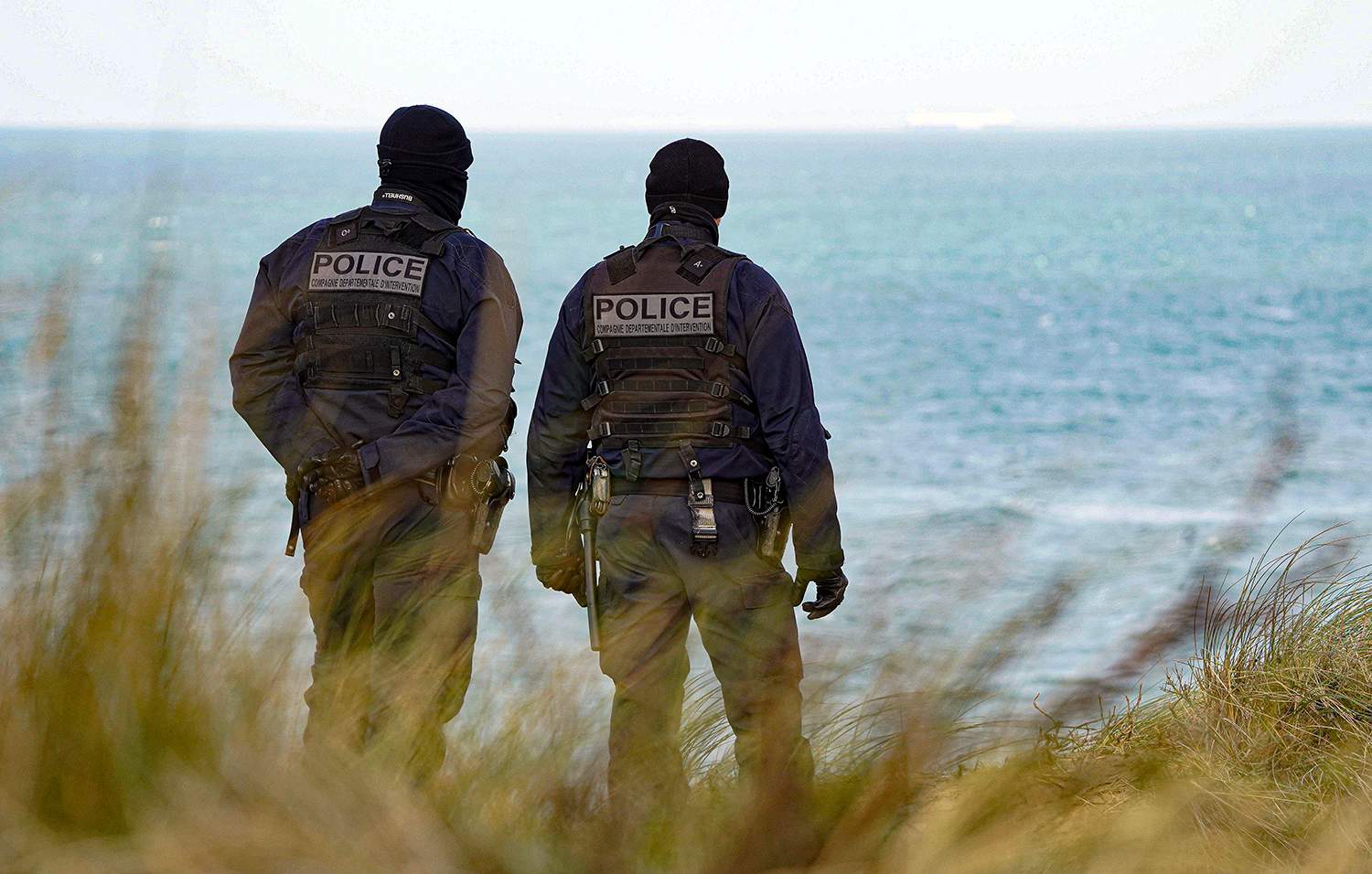
Keir Starmer’s Government Is Funding ‘Violence and Death’ on the French Border, Say Human Rights Groups
Billions of pounds is being spent on anti-migrant measures which campaigners warn are contributing to dozens of deaths of vulnerable people seeking to come to the UK
“Many applications are being rejected or delayed due to basic errors and applicants’ inability to evidence how they are considering elements of fire and structural safety, which reflects poorly on the construction industry.”
The campaign group Grenfell United told peers that up to one million flat dwellers are impacted by these delays and still living in unsafe conditions.
Labour Chair of the Industry and Regulators Committee, Baroness Taylor of Bolton said: “The tragic loss of 72 lives at the Grenfell Tower fire laid bare the urgent need to reform building safety regulation in England, particularly for high-rise buildings. The introduction of the Building Safety Regulator was a necessary and welcome step.
“However, the scale of the delays caused by the BSR has stretched far beyond the regulator’s statutory timelines for building control decisions. This is unacceptable. We welcome that the Government and the BSR are now acting to try and make practical improvements, but this will not address the anxiety and frustration that residents and companies have experienced.
“It does not improve safety to delay vital remediation and refurbishments, nor to deter the delivery of new housing in high-rise buildings. We expect to see further action from the Government and the BSR to ensure that construction projects in high-rise buildings can be brought forward more quickly, without compromising on vital safety improvements.”
The delays are bad news for the Government’s plans to build 1.5 million homes by 2029, particularly in big cities where there are a large number of tower blocks.,
Peers were told The Greater London Authority’s statistics on housing found that residential starts in London dropped from 48,745 new homes in 2022–23 to 27,543 in 2023–24. Residential starts in London fell further in 2024–25 to 21,026—just 43% of the 2022–23 figure.
Some of the blame for these figures falls on the safety regulator.
Matt Voyce, Executive Director of Construction at Quintain, which is developing an 85-acre estate in Wembley Park, said that his experience of the BSR had been “challenging, frustrating and costly”.
ENJOYING THIS ARTICLE? HELP US TO PRODUCE MORE
Receive the monthly Byline Times newspaper and help to support fearless, independent journalism that breaks stories, shapes the agenda and holds power to account.
We’re not funded by a billionaire oligarch or an offshore hedge-fund. We rely on our readers to fund our journalism. If you like what we do, please subscribe.
He argued that the delays put an “increased ask” on investors without any certainty on the timetable or a successful outcome, which “will deter investment into housebuilding and stall projects, and potentially people will lose their jobs.”
It was also revealed that some workers at BSR were being diverted to look at bathroom renovations in high rise flats.
The peers say: “In a context of severe resource limitations and delays within the BSR, it strains credulity that Category B works such as bathroom renovations in higher-risk buildings are being subject to the scrutiny of the BSR’s multidisciplinary teams. This ties up scarce skilled professionals on non-safety critical applications.”
A Government spokesperson said: “It is unacceptable that people are having to live in unsafe buildings for any period of time.
“The Building Safety Regulator’s new leadership has immediately focused on speeding up decision making and we will work closely with the Regulator to go further to reduce unnecessary delays without compromising safety.
“This includes recruiting 100 new staff by the end of this year and launching a new building acceleration package to overhaul the Regulator’s performance.”