
 Subscriptions
 Subscriptions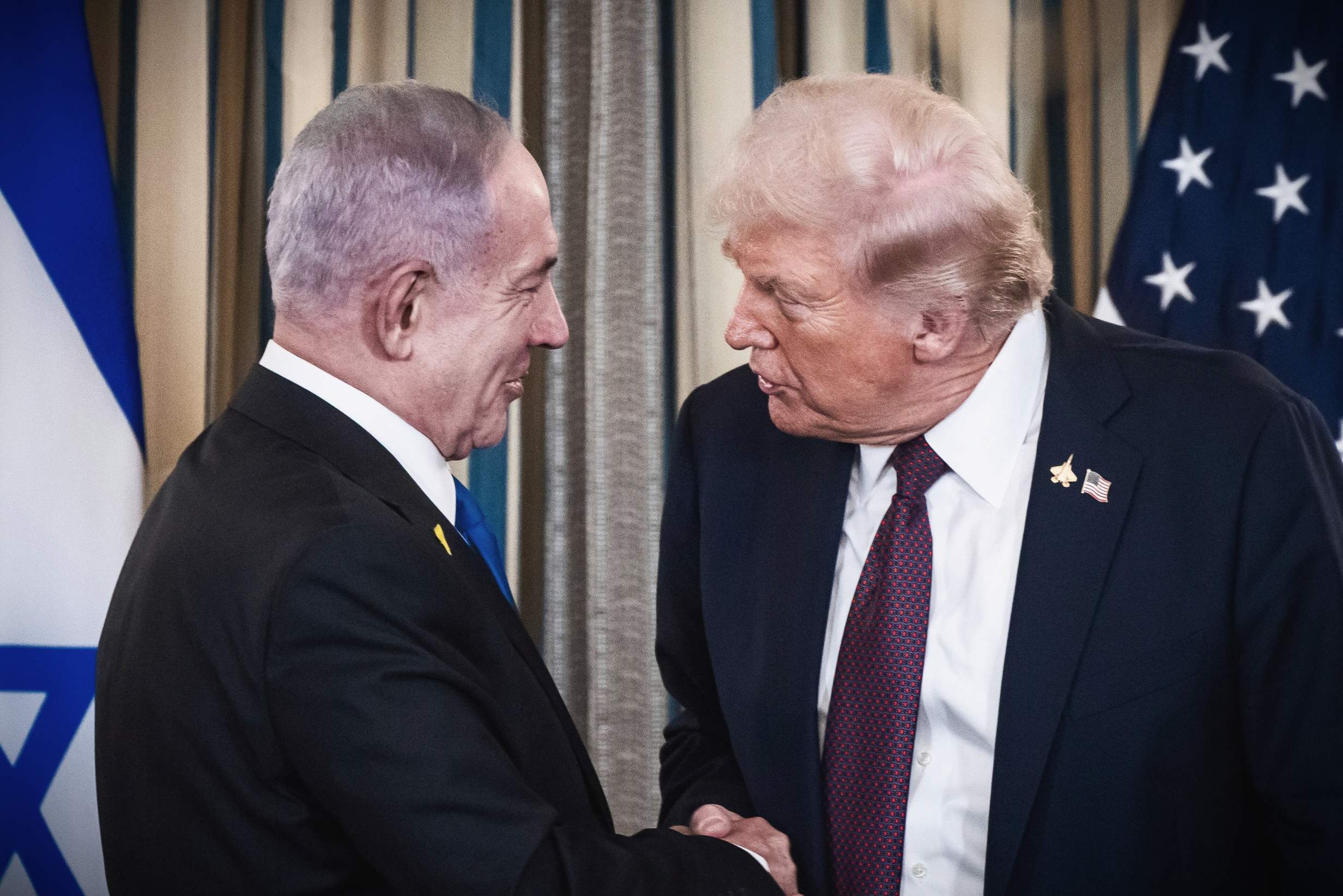
Read our Monthly Magazine
And support our mission to provide fearless stories about and outside the media system
It will be very easy for some to dismiss US President Donald Trump’s 20-point peace plan for Gaza, and there are dozens of reasons why the plan could fall apart.
Hamas probably won’t accept it. Even if they do, they might not be able to deliver on all of the commitments expected from them – for example, they claim that they no longer know the whereabouts of all the Israeli hostages. Some of their members, or members of other militant factions in Gaza – such as Palestinian Islamic Jihad – may prefer to fight on, defying their leaders’ wishes.
In Israel, right-wing extremists will be willing it to fail, and will pounce upon any opportunity to proclaim that Hamas has breached the terms. They may be willing to bring down Benjamin Netanyahu’s Government, rather than give up on their dream of annexing all of Gaza and the West Bank. They might demand a high price for their support, such as a commitment to more settlements on Palestinian land.
The Israeli Prime Minister himself probably only went along with the proposal following his meeting at the White House in order to please Trump, and buy himself political time.
He has already reneged on certain aspects of it, for example reiterating his opposition to Palestinian statehood, which is mentioned in the plan as a possible long-term outcome, and declaring that Israeli Defence Forces will be allowed to stay on in Gaza, contrary to what is stated in the plan.
Netanyahu will doubtless be delighted to latch onto any foot-dragging by Hamas to declare that the plan has failed.
There are also dozens of elements of the plan which are less than satisfactory.
Trump is not known for his attention to detail or patience – making it doubtful whether he is best suited to be the head of the proposed “Board of Peace” overseeing the process.
Some will question the proposed involvement of former UK Prime Minister Tony Blair.
There is no explicit commitment to a two-state solution.
There are many unanswered questions which have always bedevilled previous peace attempts – for example, the future status of Jerusalem, the size and shape of any future Palestinian state, the status of settlements in the West Bank, the future role of the Palestinian Authority, and whether Palestinians abroad will be given any ‘right of return’.
Anyone with knowledge of the history of the Israeli-Palestinian conflict is probably right to be pessimistic about the chances of success.
And yet, what alternative do we have?

From Maggie to MAGA: The Transformation of the Conservative Mind
James Bloodworth examines how the rise of the radical-right is not a sudden aberration but the product of decades of neoliberal policy and the collapse of alternatives
Anyone like me, who is sickened by the bloodshed and destruction of the past two years, must yearn for a way to bring the conflict to an end.
America is the only player with the power and connections to bring all the sides together. Trump personally has forged unusual ties with leaders across the region, which he can leverage to secure support for the deal.
And I believe that there are many core aspects of the deal which make it a good starting point.
Points in Support of Trump’s Gaza Plan
- It is right to insist that Hamas must give up the hostages. Their seizure and prolonged detention has been illegitimate and barbaric. It is unrealistic to expect Israel to agree to any kind of permanent end to the conflict without their release.
- It is also right to insist that Hamas is no longer allowed any future role in the governance of Gaza. Their horrific actions on 7 October 2023 made it unacceptable for them to stay in power. But, even before that, their rule has been oppressive, undemocratic, and disastrous for Gazans. By their own actions, they have shown themselves completely unconcerned for the welfare of either Palestinians or Israelis, and utterly unfit to remain in any positions of authority. However, Hamas members who lay down their weapons and commit to peaceful co-existence are given the opportunity for amnesty; while others, who wish to leave, are given the opportunity for safe passage out of Gaza. This is a remarkably generous concession by Israel, given the amount of blood on the hands of Hamas terrorists, but probably an essential precondition for Hamas to be able to accept the deal.
- In return, Israel is obliged to immediately suspend its military operations in Gaza, withdraw its forces to an agreed upon line, paving the way for further stated withdrawals as further conditions of the peace deal are met. The plan ultimately envisages Israeli forces withdrawing completely from all parts of Gaza, save for a security perimeter presence, which is not an unreasonable demand, given Israel’s natural desire not to see a repeat of the 7 October attack from Gaza. The key point is that the deal explicitly requires Israel to give up any notion of permanently re-occupying or annexing Gaza.
- Israel also commits to release hundreds of Palestinian prisoners, including 250 prisoners serving life terms, and all women and children detained after 7 October 2023. This gives Hamas the face-saving opportunity, unpalatable though it is, to claim it has ‘won’ something in return for its agreement to the deal.
- It paves the way for the immediate resumption of humanitarian aid into Gaza, under the auspices of the United Nations and its agencies, rather than relying on the flawed Israeli-run Gaza Humanitarian Foundation; and for the re-opening of the Rafah border crossing, providing a vital lifeline for Gaza’s desperate civilian population.
- It paves the way for significant amounts of reconstruction aid to start entering Gaza, to allow for the rebuilding of Gaza’s critical infrastructure – such as water, electricity, and sewage – and proposes a longer-term economic development plan to “rebuild and reenergise” Gaza, allowing it to become a more sustainable economy, with preferential tariff and trading rates with third countries, designed to attract investment, and create new jobs and opportunities for Gazans.
- It rejects any notion that Gazans should be forced to leave their homeland, putting an end to right-wing Israeli fantasies of expelling the entire population of Gaza, in a form of ethnic cleansing. It explicitly suggests that Gazans should be free to come and go as they wish.
- It proposes the establishment of a temporary transitional governing authority, comprised of apolitical Palestinian technocrats, supported by international experts. Competent, professional governance is exactly what Gaza needs to try to stabilise the territory and rebuild some semblance of normal life. It also proposes the creation of a temporary “International Stabilisation Force” to deploy in Gaza, to provide internal security – again, an essential element to try to restore law and order in the territory.
- The process is to be overseen by a new international transitional body, “The Board of Peace”, headed by Trump himself, and including well known international figures such as Tony Blair. Some may question the ability of Trump to lead the body effectively, or the composition of the Board, but it ensures his continued engagement in the process and gives him a vested interest in its success.
- It keeps open the possibility for the Palestinian Authority eventually to take over control of Gaza, once it has undergone a thorough reform programme and, critically, keeps alive the notion of eventual Palestinian statehood, which the plan recognises as the long-held aspiration of the Palestinian people.
Many Palestinians and their supporters will decry the plan as failing to commit explicitly now to Palestinian statehood.
Many Israelis and their supporters will be appalled by the idea of giving amnesty to Hamas fighters, and will continue to reject the idea that there can ever be a two-state solution.
Middle East experts will decry the lack of detail in the plan and the many critical omissions.
The series of steps which are required to be taken by each side are fraught with risk. Any delay or setback could disrupt the entire process. Both sides will be looking for signs of bad faith by their opponents.
But, the plan has secured the initial support of the Israeli Government, many Arab and Muslim governments, and key international players, such as the UK, and members of the EU – all of whom will play a critical role in shepherding the process, and contributing to Gaza’s reconstruction. The plan actively envisages and welcomes their participation, and acknowledges contributions by others so far – such as Jordan and Egypt’s role in training Palestinian police forces, and Saudi-French statehood proposals.
Many will be sceptical of Donald Trump’s motives in proposing this plan, and whether he will have the patience and determination to see it through. No doubt, his burning desire to win a Nobel Peace Prize is a big factor. But if Trump can make this work, he will deserve it.
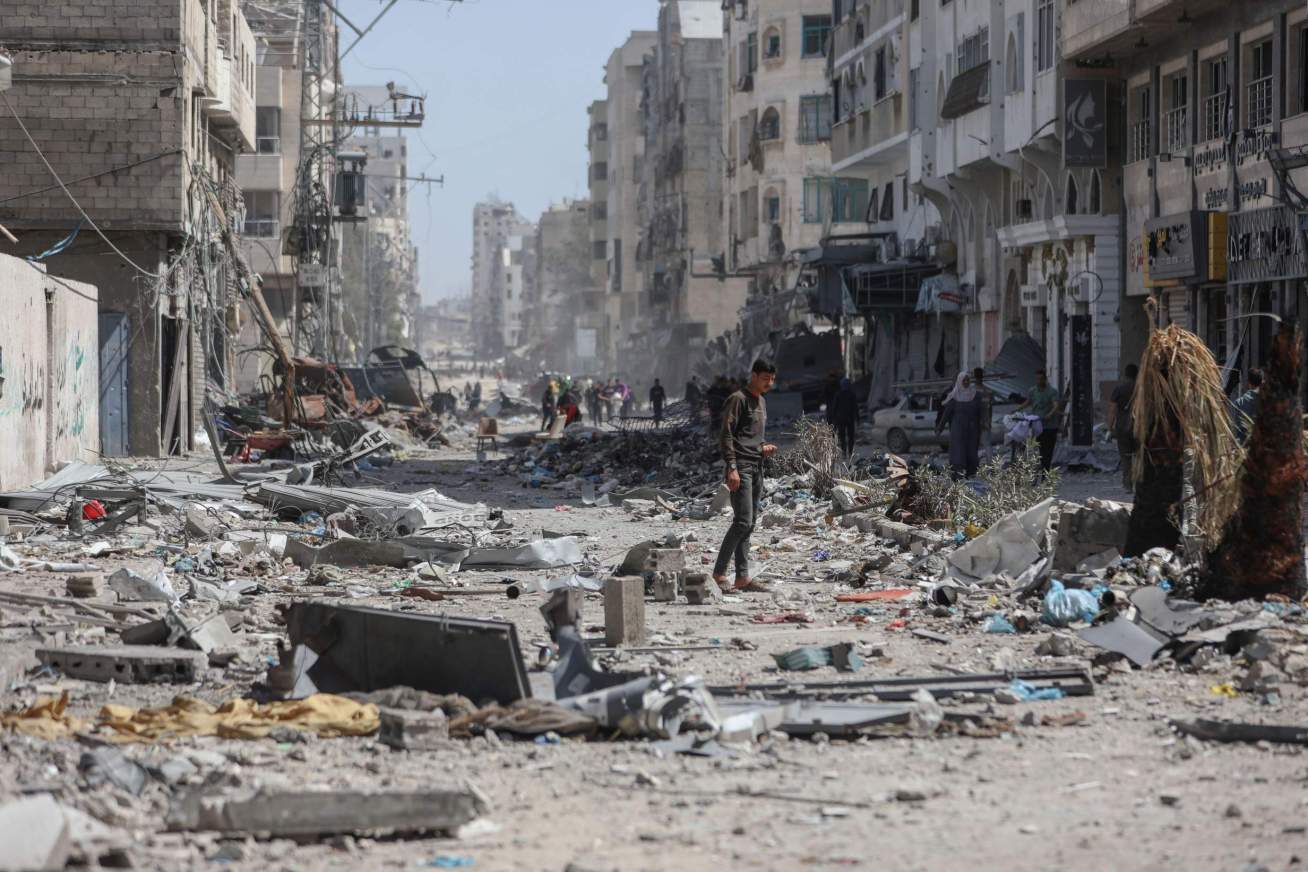
Of course, it is a long shot. But, the despair, death, and destruction has gone on far too long. Anyone who cares about Israelis or Palestinians should want this plan to succeed. This is a plan worth supporting.