
 Subscriptions
Read our Monthly Magazine
And support our mission to provide fearless stories about and outside the media system
Who knows what lay behind Andy Burnham’s surprise announcement last week that he would soon be setting out options for a new long-term relationship between Britain and the European Union.
Was it part of some cunning plan to reverse Brexit, or was he winging it? It’s hard to know with this prime minister. What is clear is that, whether he realises it or not, the logical endpoint of the debate he has started is a manifesto pledge to “go all the way” and rejoin.
After all, having declared that the current Brexit settlement, negotiated by Boris Johnson, is “not good enough” and has done “more harm than good”, he can hardly advocate for the status quo.
In any case, the status quo is not an option because, as Brexiteers used to be fond of telling us, Brexit is a process, not an event – and it is a process that is going to become inexorably worse for Britain as time passes. Indeed, it may be this realisation that led the prime minister to surprise his own cabinet with his decision to reopen the European question.
Not only had the limited reset initiated by Keir Starmer, designed to “make Brexit work” run out of road after securing only modest advances, stymied by Labour’s current red lines. But the entire process was in danger of being derailed by a row over the EU’s new “Made in Europe” provisions designed to protect the bloc’s autonomy and boost its resilience in the face of Chinese mercantilism, Russian aggression and US coercion.
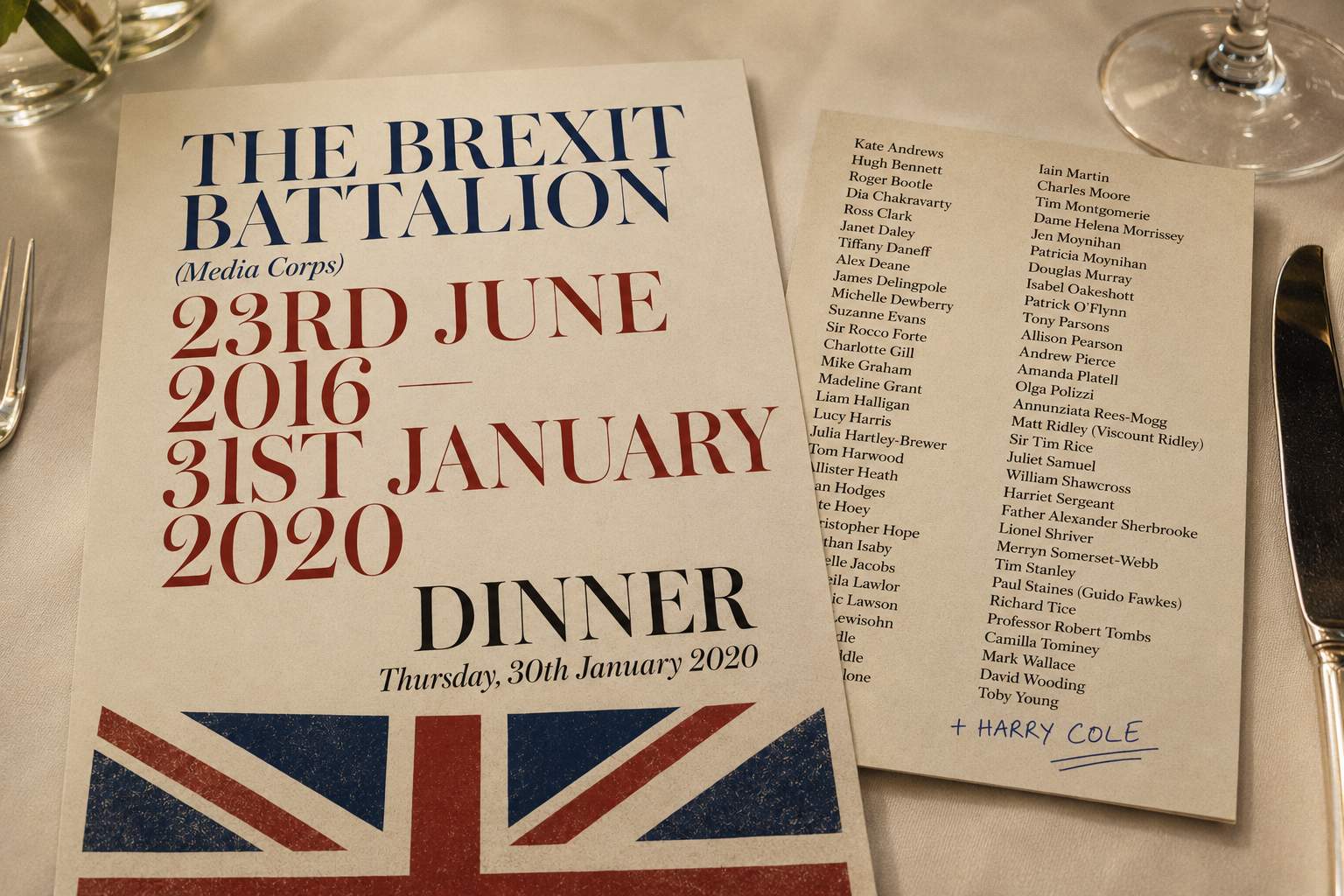
Whatever Happened to the Brexit Battalion Media Corps?
Ten years and six prime ministers on, Byline Times looks at the fate of Brexit’s most prominent media cheerleaders
Suddenly, being outside the bloc is becoming an uncomfortable place for Britain to be, particularly if, like Burnham, your goal is to boost the country’s own resilience through reindustrialisation.
But the other options Burnham is considering don’t work either. A customs union with the EU would ease some of the problems associated with the Made in Europe policy, but beyond this the economic benefits would be slight. They would also come at the expense of requiring Britain to follow EU trade policies without having a say over them: a lot of political pain for not much gain.
Rejoining the single market would bring much bigger benefits, but would turn Britain into even more of a rule-taker – including over the country’s large financial services sector. That is not something any responsible British government could agree to.
So that leaves Rejoin. Could Burnham persuade the public to back it?
Much, of course, would depend on the terms. But Brexiteer scare stories claiming that Britain would be forced to join the Schengen travel zone or adopt the euro are surely wide of the mark. New members are committed to both in principle, but in practice, as Sweden’s three decades outside the euro and Ireland’s Schengen opt-out show, neither need happen without Britain’s consent. The real risks lie elsewhere.
A backdrop of an EU in crisis, whether as a result of renewed market turmoil or the rise of the far right, would make rejoining a hard sell. Meanwhile, the biggest challenge could be persuading the EU that Britain was serious about rejoining and would not Brexit again.
Nonetheless, Burnham would start with some clear advantages. A megapoll undertaken by YouGov for Best for Britain found that only two per cent of voters think Brexit has been a great success, and only 29% think Britain was right to leave. Almost half of voters would back rejoining, rising to 65% of likely voters.
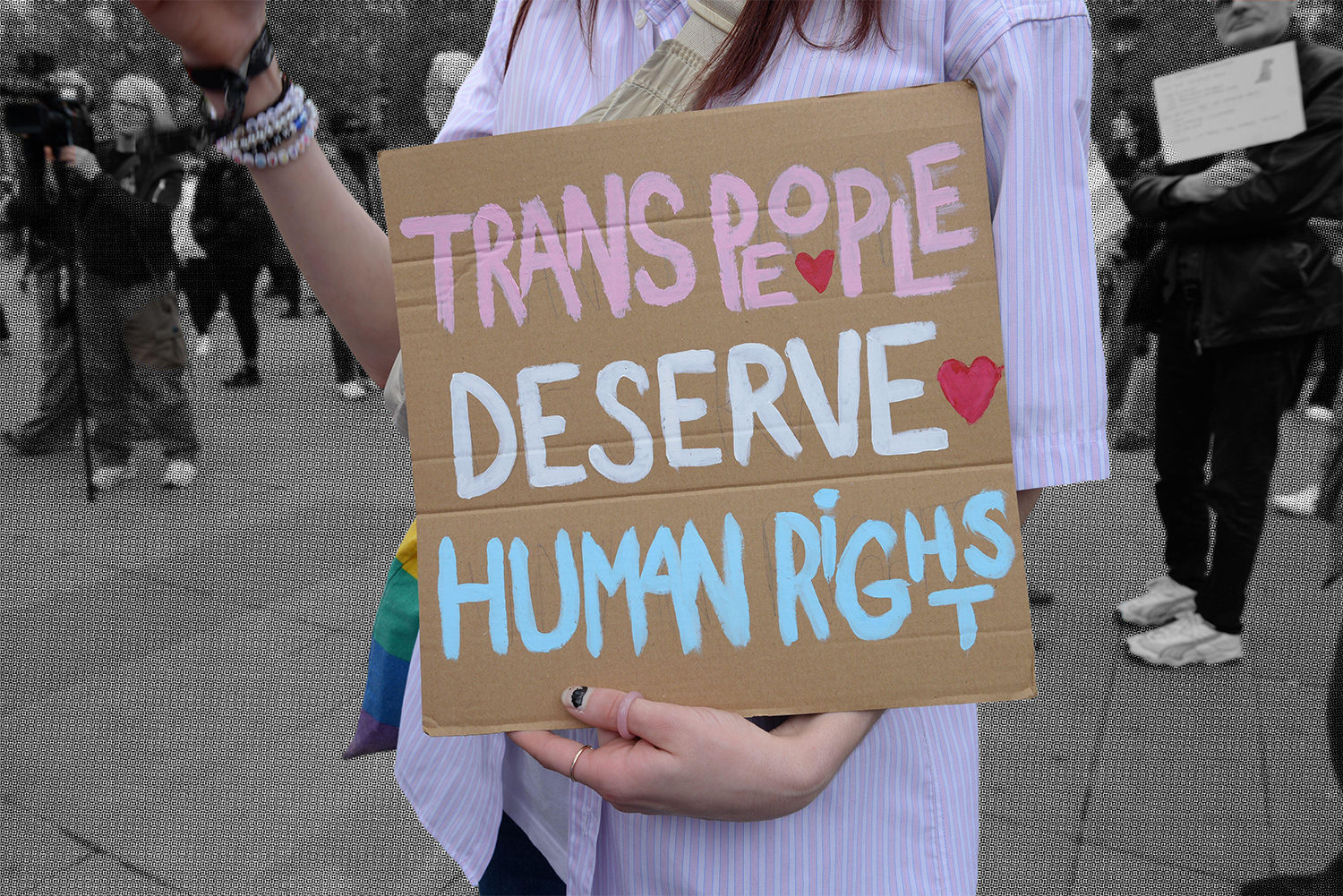
‘Ten Years On, Brexit’s Real Legacy Has Been an Assault on Human Rights’
The rise of nationalism that followed Brexit has brought with it a concerted campaign to undermine our fundamental human rights, argues Daniel Sohege
The poll also shows that Labour would be more likely to win a majority at the next election on a commitment to rejoin. Indeed, for all their bravado, neither Reform nor the Conservatives are likely to welcome the prospect of having to defend a Brexit that even its most ardent defenders accept has failed to deliver the promised benefits.
Perhaps that is why most of the sound and fury from Brexiteers so far has focused on the undesirability of reopening such a divisive issue. There’s no doubt this is a potent argument for many, including many erstwhile remainers.
In the summer, I spent a day reporting on the quixotic campaign of the Rejoin EU candidate, John Stevens, in the Clacton by-election.
What I heard on the doorstep on Farage’s home turf was no great love for Brexit, even among those who had voted for it, but a deep and understandable reluctance to reopen old wounds and repeat the trauma and divisiveness of the 2016 referendum.
Yet this assumes that the Conservatives and Reform wouldn’t reopen old divisions or reignite their battles with Europe. Nothing could be further from the truth.
Both parties are committed to withdrawing Britain from the European Convention on Human Rights, a treaty that underpins every element of Britain’s post-Brexit relationship with the EU, including the vexed question of Northern Ireland, where it is woven into the Good Friday Agreement. Indeed, Articles 771 and 772 of the Trade and Cooperation Agreement make clear that a serious breach of human rights commitments would be grounds for its suspension or termination.
What is clear is that Britain’s relationship with the EU will be on the table at the next general election regardless of what Burnham does.
What he has to decide is whether Britain’s security in all its dimensions, in an increasingly turbulent world, can best be protected through the obsessive pursuit of some purist notion of sovereignty, or through pooling some sovereignty with like-minded allies in pursuit of greater collective resilience.
The world of 2026 is very different from that of 2016. The polls suggest most Britons already know which they would choose.