
 Subscriptions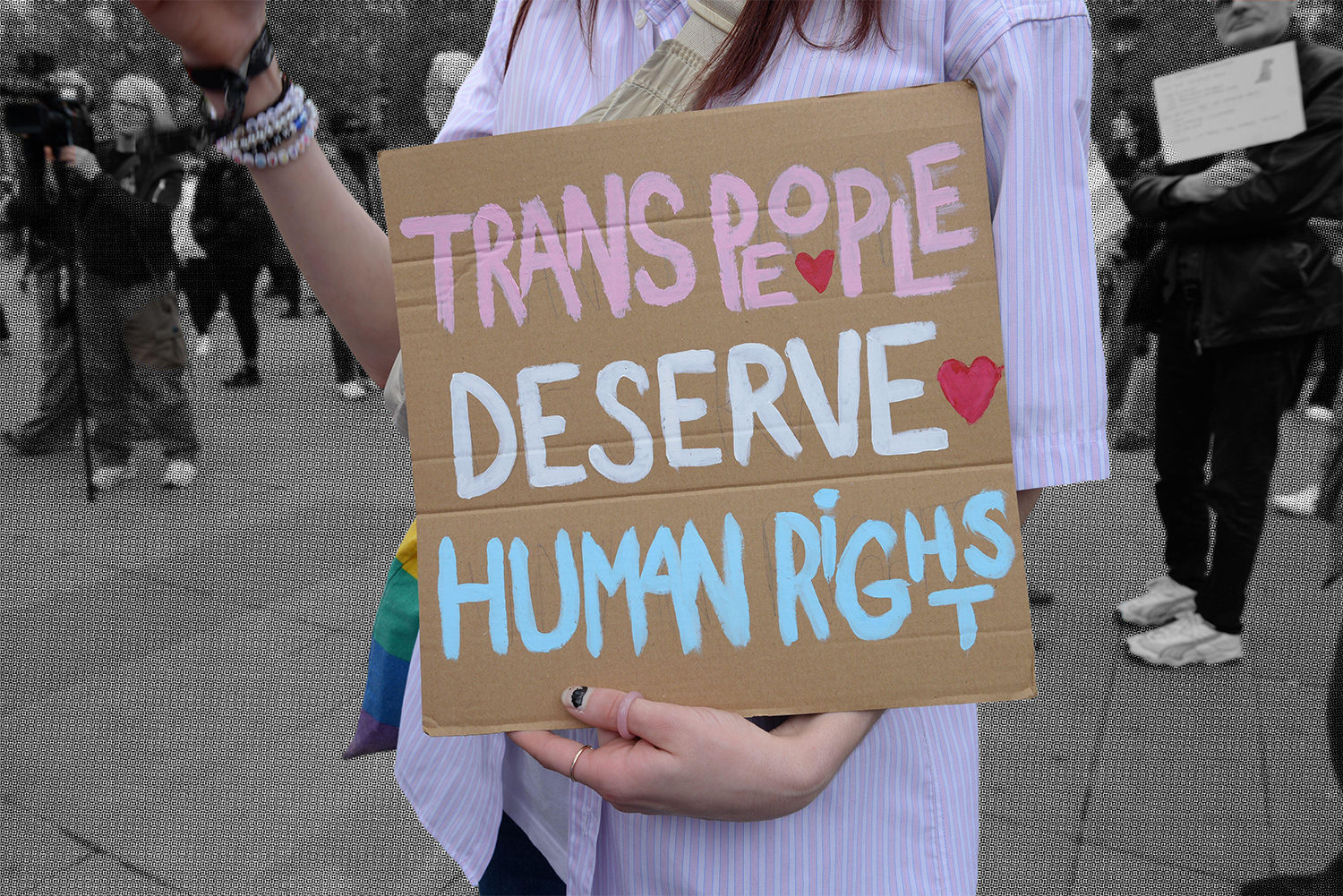
Read Our Monthly Magazine
And support our mission to provide fearless stories about and outside the media system
Ten years after the Brexit referendum, the economic and political consequences remain fiercely debated. Less contested, however, is the extent to which Brexit has become intertwined with a broader erosion of human rights protections and the rise of populist politics both in Britain and beyond. Maintaining human rights is now a “betrayal of Brexit” in the eyes of some.
Brexit was not the sole cause of this global shift towards nationalism, authoritarianism and exclusionary politics. It was, in many ways, a symptom of it. Yet it has become a powerful symbol for movements seeking to weaken rights protections and frame equality as an obstacle to popular will.
In the UK, Brexit has contributed to a sustained decline in rights protections, particularly for marginalised groups. Human rights have increasingly been portrayed as incompatible with the outcome of the referendum, creating a political environment in which rights themselves are treated as negotiable.
Immigration was central to the Leave campaign and remains an issue through which many of these debates are framed. Yet the post-Brexit years have demonstrated that concession after concession has failed to satisfy those demanding ever harsher restrictions.
Net migration has fallen significantly and is now lower than it was before Brexit. Nonetheless, increasingly hostile immigration policies continue to dominate political debate. Calls to leave the European Convention on Human Rights (ECHR) have moved from the political fringes into mainstream discussion, while the Labour Government has proposed restricting access to ECHR protections for some asylum seekers.

Whatever Happened to the Brexit Battalion Media Corps?
Ten years and six prime ministers on, Byline Times looks at the fate of Brexit’s most prominent media cheerleaders
This is despite evidence that the ECHR has had only a limited impact on UK immigration policy. Over the past four decades, the European Court of Human Rights has ruled against the UK only a handful of times in immigration-related cases. Yet facts have repeatedly been overshadowed by grievance politics and symbolic battles over sovereignty.
The consequences extend far beyond migration, however. Before Brexit, UK courts were required to interpret equality legislation consistently with EU directives and case law from the Court of Justice of the European Union. That framework helped strengthen anti-discrimination protections and created important safeguards for marginalised communities.
One area where the change has been particularly visible is LGBTQIA+ rights. In 2016, the UK ranked among Europe’s leaders on ILGA-Europe’s Rainbow Map, measuring each country’s ranking on LGBTQIA+ rights. A decade later, it has fallen dramatically to 22nd place.
Trans rights have become a particular flashpoint. The Supreme Court’s ruling on the meaning of “sex” within the Equality Act has already been used to justify further attempts to exclude trans people from organisations and public spaces. Legal experts and human rights advocates have argued that the judgment departed from long-established understandings of how trans people were protected under equality law.
The subsequent response from the Equality and Human Rights Commission, including proposals that would effectively exclude trans people from many public facilities, has intensified concerns that rights once considered settled are now vulnerable to political pressure.
Brexit did not create anti-trans sentiment. Nor is every EU member state a model of LGBTQIA+ inclusion. However, leaving the EU removed an important layer of legal alignment and accountability that helped anchor equality protections. While countries including Spain, Denmark and Finland have expanded legal recognition and protections for trans people, the UK has increasingly moved in the opposite direction.
A similar pattern can be seen in disability rights. Since Brexit, the UK has drifted away from evolving European standards on accessibility and inclusion. Recent court decisions have prompted warnings from disability rights organisations that fundamental protections are being weakened, raising concerns about the security of rights many assumed were firmly established.
The broader lesson is that rights cease to be universal when they become conditional on who someone is. Once governments succeed in restricting rights for one group, the precedent exists to restrict them for others.
ENJOYING THIS ARTICLE? HELP US TO PRODUCE MORE
Receive the monthly Byline Times newspaper and help to support fearless, independent journalism that breaks stories, shapes the agenda and holds power to account.
We’re not funded by a billionaire oligarch or an offshore hedge-fund. We rely on our readers to fund our journalism. If you like what we do, please subscribe.
None of this means the UK lacks domestic equality or human rights legislation. Rather, it highlights how vulnerable those protections can become when detached from wider regional frameworks and international scrutiny.
Nor should Brexit be viewed in isolation. Across Europe and beyond, populist movements are attacking human rights protections and targeting minority communities. The EU itself is far from immune. Increasingly restrictive migration policies and proposals for offshore-style “return hubs” demonstrate how readily governments can sacrifice rights in pursuit of political expediency.
Yet Brexit’s significance extends beyond Britain. For decades, threats by far-right nationalist parties to withdraw from the EU were dismissed as unrealistic. Brexit demonstrated that such projects were achievable. Across Europe, mainstream parties have responded by adopting elements of populist rhetoric in an attempt to neutralise the far right. More often than not, this has simply legitimised and strengthened it.
Any honest assessment of the referendum’s legacy must recognise how it has been used to undermine human rights, normalise discrimination and weaken the principle that rights belong to everyone. Understanding that legacy is essential if we are to prevent the next decade from seeing further erosion of the protections many once took for granted.