
 Subscriptions
 Subscriptions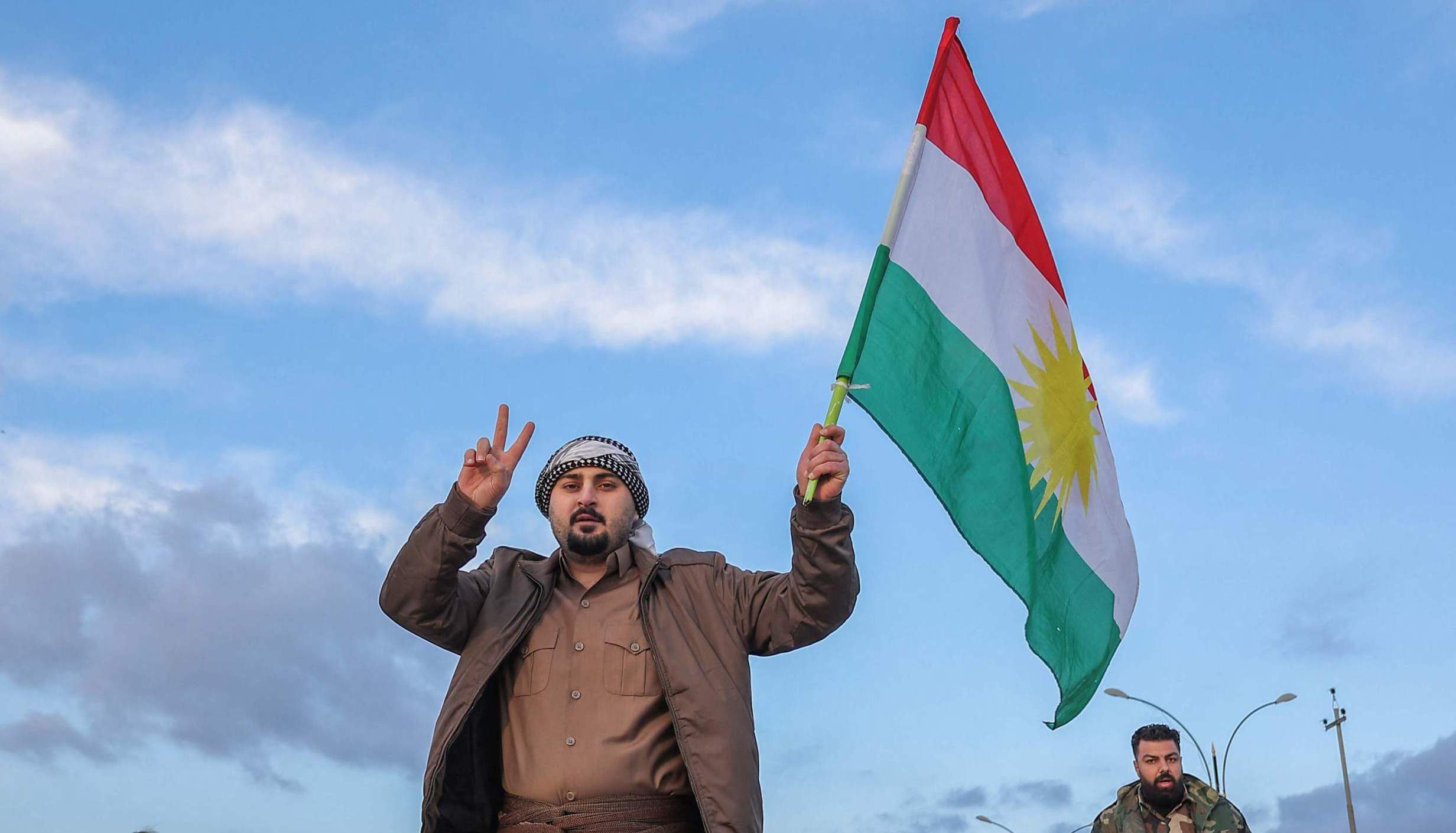
Read our Monthly Magazine
And support our mission to provide fearless stories about and outside the media system
On March 4, the Israeli news channel i24NEWS claimed thousands of Kurdish fighters had launched a ground offensive into Iran from mountains near Marivan, a city on Iran’s border with Iraq. The Jerusalem Post ran confirmation from Israeli and American officials. The story spread.
Except the offensive didn’t happen.
Asos Hardi, the founder and publisher of Awene, the leading independent newspaper in Iraqi Kurdistan, checked with multiple well-informed sources in the region. All denied the offensive had taken place. “Several times they reported that the ground operation started,” Hardi told me from Sulaymaniyah, the second largest city in Iraqi Kurdistan, where he has published for two decades. “Which is completely baseless and dangerous for the people here.”
Hardi won the 2009 Gebran Tueni Award from the World Association of Newspapers and sits on Human Rights Watch’s Middle East advisory committee. He has published through two decades of pressure, legal prosecution, and a physical assault that left him with 32 stitches, all for his reporting on Kurdish politics. When Israeli and American officials, speaking without their names attached, tell Western reporters that an offensive has started, and the region’s most decorated independent publisher says it has not, the publisher should lead.
On March 5, the four main Iranian Kurdish armed groups all denied that any offensive had begun. Iraq’s Kurdistan Regional Government confirmed that no Iraqi Kurd had crossed the border. Rudaw, a prominent Kurdish news outlet based in Erbil (the capital of Iraqi Kurdistan), carried matching denials, with the Democratic Party of Iranian Kurdistan adding that the reports appeared designed “to create divisions within the coalition“. That coalition, formed on 22 February by five Iranian Kurdish opposition parties, represents the alliance Washington and Israel hope to activate against Tehran.
The false reports carry real consequences, because Iran responds whether or not they prove true. On March 6, Tehran threatened to target “all the facilities” of the Kurdistan Region of Iraq if fighters cross the border. On March 8, Iran’s Revolutionary Guard struck three Kurdish locations inside Iraq and warned: “If separatist groups make any move against Iran’s territorial integrity, we will crush them.”
A drone targeted a hotel in Erbil frequented by foreigners. Schools, universities, and institutes across the Kurdistan Region shut down. A major gas field halted operations, cutting electricity to the region.
The people who will pay the price for the false reporting live in Sulaymaniyah and Erbil. Not in Tel Aviv. Not in Washington.
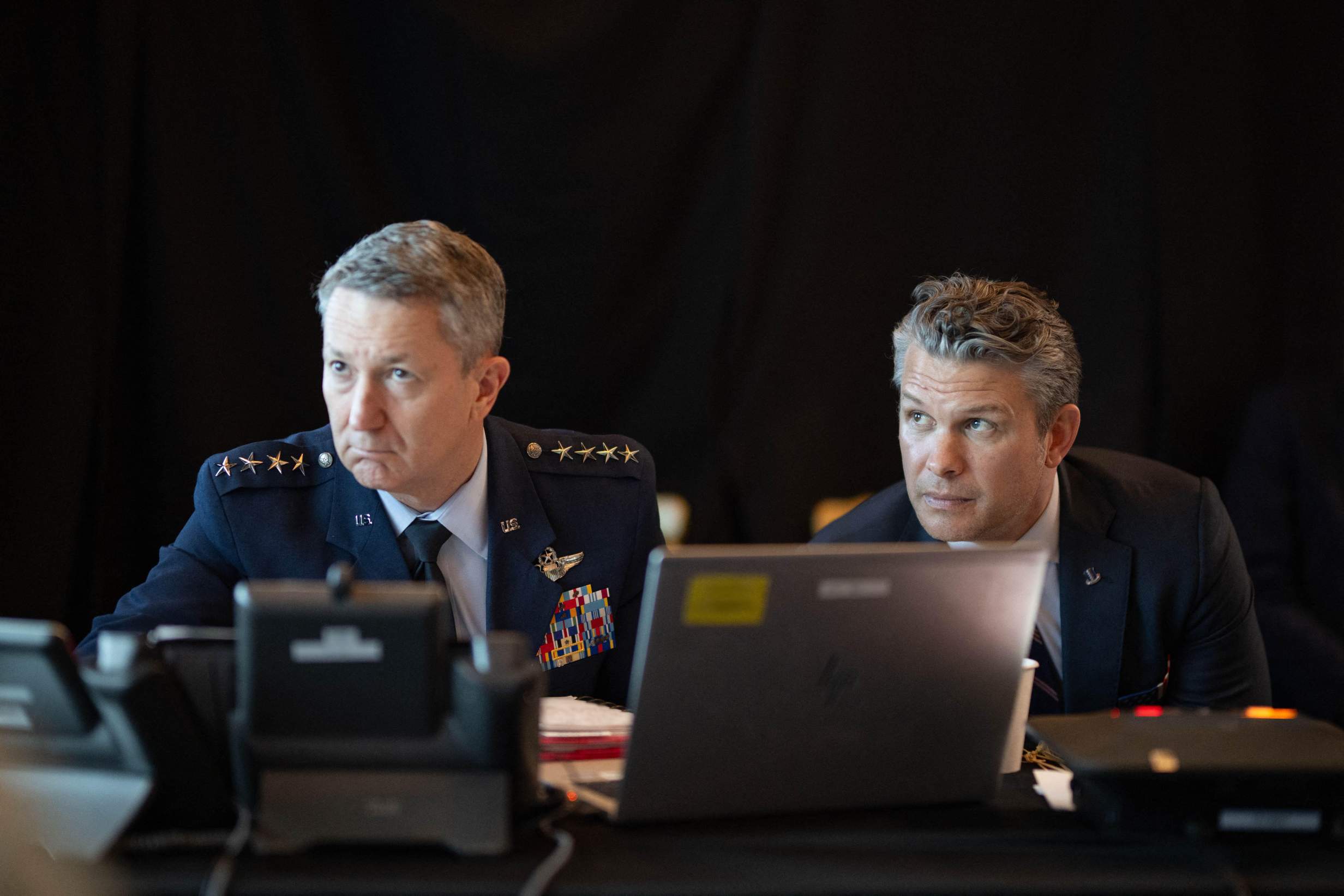
‘The Justification for the War against Iran Has Changed from Day to Day, with No Clear End Goal or Exit Strategy’
From Washington DC, former diplomat Alexandra Hall Hall assesses the arguments used to justify the attack on Iran
What Washington Proposed
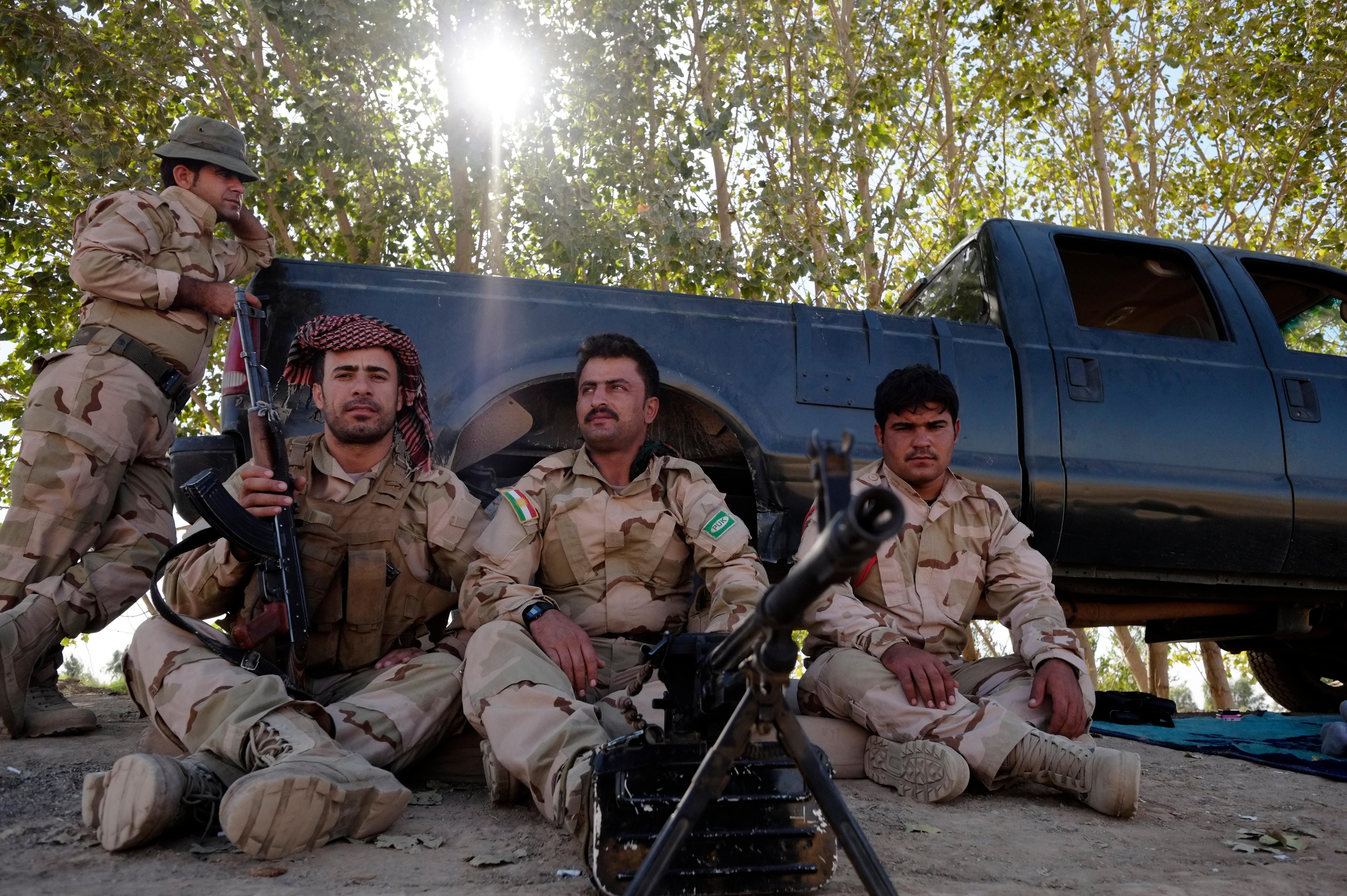
A few years ago I sat with Peshmerga, the Kurdish military forces of northern Iraq, in the mountains above Erbil. An open fire. Sweet wine. And one by one, through the night, each man told me the story of how he became a fighter: a brother tortured and murdered, a children’s band destroyed when Saddam Hussein’s forces struck their bus from the air, the sole survivor carrying the reason for fighting in his body.
The Kurds number about forty million people spread across Iraq, Iran, Turkey, and Syria. They represent the largest stateless nation on earth. And these men, along with every Kurd in the region, became a line item on a whiteboard in Washington this week.
According to CNN, the CIA has worked to arm Iranian Kurdish opposition forces with the aim of triggering an uprising inside Iran. The plan originated with Israeli Prime Minister Benjamin Netanyahu and Israel’s intelligence agency, Mossad. The CIA joined later, according to Axios.
Netanyahu had lobbied Trump for months. On March 1, the day after the US-Israeli bombing campaign against Iran began, Trump called the leaders of Iraq’s two dominant Kurdish parties and the head of an exiled Iranian Kurdish group. The strategic logic, as US officials described it to CNN: use Kurdish fighters to stretch Iranian forces, create a buffer zone for Israel, and trigger a popular uprising. Israeli officials promised the Kurdish groups military support and political backing for self-governance in a future Iran.
Six weeks earlier, on January 20, the same President’s special envoy, Tom Barrack, had announced that Washington’s partnership with the Syrian Kurds, who had fought as America’s primary ground force against ISIS, had “largely expired“. Those Syrian Kurdish fighters lost over 12,000 of their own defeating ISIS on Washington’s behalf. Fourteen years of Kurdish self-governance in northeastern Syria then collapsed.
One administration. Six weeks apart. Abandon the Syrian Kurds in January. Ask the Iraqi Kurds to fight in March.
How the Kurds Hear This
Hardi placed that Syrian betrayal at the centre of Kurdish hesitation. “In addition to the examples of 1975, 1991, and the referendum,” he told me, “it was just yesterday Donald Trump betrayed Rojava.” Rojava means “the West” in Kurdish: it refers to the Kurdish territories in Syria.
The earlier examples run deep.
In 1975, the US armed Iraqi Kurds against the government in Baghdad, then cut them off overnight when Iran secured a territorial concession. Henry Kissinger, asked about the abandoned Kurds, said: “Covert action should not be confused with missionary work.”
In 1991, President George H.W. Bush encouraged Kurds and Shia Muslims to rise against Saddam Hussein. They rose. Washington watched them slaughtered.
In 2017, the Kurdish independence referendum in Iraq passed with 93% support. Iraqi forces retook the disputed territories. Washington said nothing. Masoud Barzani stepped down as President of the Kurdistan Region, though he retained leadership of its most powerful political party, the KDP. His nephew, Nechirvan Barzani, now holds the presidency.
“I think all the Kurds, including politicians, would like to see the fall of the Iranian regime,” Hardi told me. “At the same time, everyone knows Kurds cannot bring it down. Therefore, they act with caution. I don’t think they will take any practical steps until they are sure the end of the regime is near.”
The caution runs through every official statement. President Nechirvan Barzani told Iran’s foreign minister that the Kurdistan Region “will not be a party to the conflicts.” On 7 March, he and Iraqi Prime Minister al-Sudani agreed by phone that Iraqi territory must not serve as a launchpad for attacks on neighbouring countries. A senior official from Iraq’s Kurdistan government told CNN: “Very dangerous, but what can we do? We cannot stand against America.”
Trump’s own contradictions reinforce the hesitation. “One day he says the Iranian regime must go,” Hardi observed. “Another day he says he has no problem with a new leader in Iran, even if from a religious background. Trump’s messages are full of contradictions.”
A US official told Axios that policymakers believe Netanyahu overestimated the number of Kurds who would fight, “but it’s not nothing.” Another official acknowledged that the Kurdish groups “could end up as cannon fodder”.
On March 5, Trump told Reuters he thought it would be “wonderful” if Iranian Kurds joined the war effort. “I’d be all for it.” On Saturday 7 March, aboard Air Force One, returning from Dover Air Force Base where he attended the transfer of six American soldiers killed by an Iranian strike in Kuwait, Trump reversed himself.
“I have ruled that out, I don’t want the Kurds going in,” he told reporters. “We’re very friendly with the Kurds, as you know, but we don’t want to make the war any more complex than it already is.” Asked whether the US would provide Kurdish forces with air cover, he said: “I can’t tell you that”.
“Wonderful” on Thursday. “Ruled out” on Saturday. The promise disappeared in 48 hours.
ENJOYING THIS ARTICLE? HELP US TO PRODUCE MORE
Receive the monthly Byline Times newspaper and help to support fearless, independent journalism that breaks stories, shapes the agenda and holds power to account.
We’re not funded by a billionaire oligarch or an offshore hedge-fund. We rely on our readers to fund our journalism. If you like what we do, please subscribe.
What Nobody Mentions
Hardi raised a dimension absent from Western coverage. “Everyone talks about Iranian threats to the region and the world, which is realistic and must be contained,” he said. “But no one says anything about the consequences of the fall.”
The collapse of Iran’s regional influence stretches through Iraq, Syria, and Lebanon, a network sometimes called the Shia Crescent. Its disappearance could trigger a wave of Sunni extremism. “Fall of the Shia Crescent may pave the way to the rise of an extremist Sunni wave that could go out of control,” Hardi warned. “Especially after the fall of Assad in Syria and the rise of Sunni extremists to power. Starting from Turkey all the way to Syria, Iraq and Gulf states.”
The planners in Washington and Jerusalem built a strategy around Kurdish proxy forces without accounting for either the fractures within Kurdish politics, the weight of five decades of broken promises, the Syrian betrayal six weeks ago, or the regional consequences of the power vacuum they hope to create. A Chatham House analyst told Al Jazeera the plan “has not featured in any major planning to support any broader endgame” and “reveals that the US war against Iran has been poorly thought out”.
Meanwhile, the leader of one of the Iranian Kurdish coalition’s member groups told Al Jazeera on 7 March that a ground operation remained “highly likely” but no decisive decision had been taken. By Saturday, Trump had already walked away.
“Up to now,” Hardi told me, “Kurdish leaders are dealing with the crisis relatively rationally and with legitimate concerns. Hope that they would continue, and be able to do so.”
The Kurds dealt with it rationally. Washington did not. The promise arrived on 1 March. It disappeared on 7 March. Six days. The men in the mountains above Erbil could have told you it would.