
 Subscriptions
 Subscriptions
Read our Monthly Magazine
And support our mission to provide fearless stories about and outside the media system
There’s a lot in the Representation of the People Bill, the Government’s flagship legislation to overhaul UK elections. It was debated by MPs for the first time on Monday, and if passed, will lower the voting age to 16, introduce automatic voter registration, allow more forms of identification to be used as voter ID, and implement some long-overdue changes to political donations.
This first debate on the bill saw a major (and surprising) win for democracy campaigners. Groups like Unlock Democracy have long pushed for Labour to reverse Conservative changes from 2022 which allow the Government of the day to set the strategy and policies of the (supposedly independent) elections watchdog, the Electoral Commission.
The Government quietly confirmed they would repeal that measure – a bulwark, perhaps, against a future far-right Government.
But there are some pretty significant gaps too, many of which have been highlighted by Labour MPs themselves.
ENJOYING THIS ARTICLE? HELP US TO PRODUCE MORE
Receive the monthly Byline Times newspaper and help to support fearless, independent journalism that breaks stories, shapes the agenda and holds power to account.
We’re not funded by a billionaire oligarch or an offshore hedge-fund. We rely on our readers to fund our journalism. If you like what we do, please subscribe.
11. Scrapping First Past the Post
Labour ministers – and Keir Starmer himself – have long rebuffed calls to overhaul the voting system and replace it with proportional representation. But there’s no doubt that pressure is growing for reform.
Numerous MPs across parties called for a move to proportional representation, or at least to hold a National Commission on Electoral Reform, arguing First Past the Post is increasingly unfit for a multi-party political landscape.
Labour’s Chris Curtis MP was one of them, telling ministers: “The Government should look at a National Commission to look at our voting system. We no longer live in a two-party electoral system” – yet First Past the Post voting acts as if we do. He pointed to potential electoral “chaos” as a multi-party system is pushed through the meat grinder of Westminster’s winner-takes-all system.
The Liberal Democrats’ Sarah Olney noted the Commons had previously voted to make progress with her Elections (Proportional Representation) Bill, while the Greens also pushed hard for PR. The Government says there are no plans for that. The All Party Parliamentary Group for Fair Elections, and campaign group Make Votes Matter, are among those planning to keep up the fight, nonetheless.
10. Crypto Donations
Possibly the most widely shared concern across party lines is the risk of corrupt cash entering our politics through cryptocurrencies.
Cryptocurrencies can be swapped through digital exchanges, and across different legal jurisdictions, making it easy to hide the true source of cash.
Labour’s Emily Thornberry, Rushanara Ali, Cat Smith, and Lib Dem Lisa Smart are among those demanding an outright ban. The Government says the forthcoming Rycroft review (due in the next month) would address this – but critics say we can’t afford to wait given the known risks. Reform UK accepts donations in crypto, while the other major parties do not.
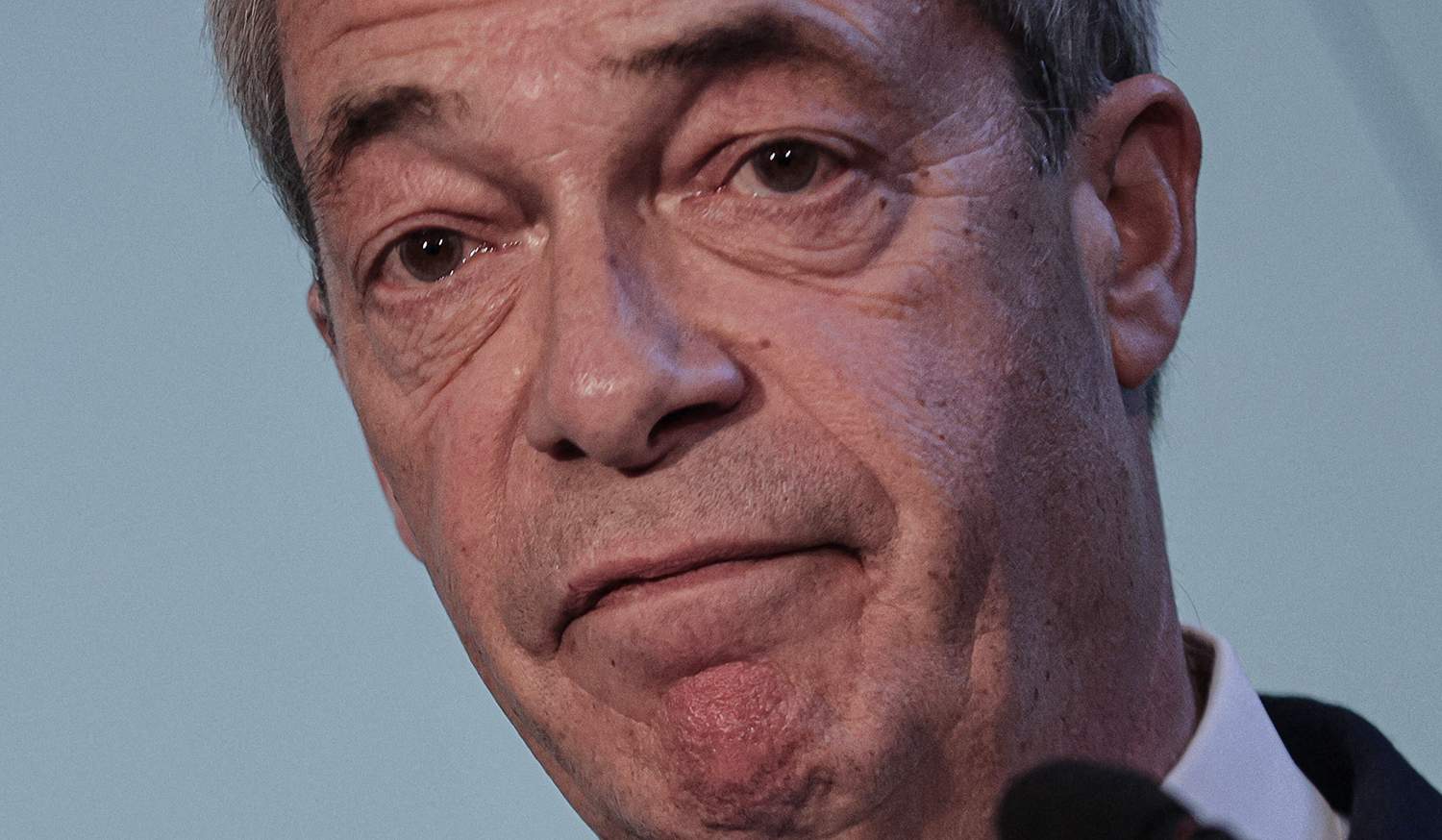
Nigel Farage’s Long History of Crying ‘Fraud’ Whenever His Party Loses Elections
The Reform UK leader has a long record of blaming his own party’s election defeats on “cheating” by ethnic minorities, yet no evidence of it can ever be found
9. Donation Caps
The Liberal Democrats and several Labour backbenchers argued that “know your donor” transparency requirements alone are inadequate without hard limits on the size of donations from individuals and corporations. In other words, it’s little good simply knowing who is giving money, if they can still effectively buy a political party.
Lisa Smart described the absence of caps as leaving democracy “for sale.”
Green MP Ellie Chowns noted that lack of a donations cap is being firmly felt right now.
‘It is really quite extraordinary that the Thailand-based crypto investor Christopher Harborne has been allowed to donate £9 million to Reform UK” – as he did last year, and the largest ever single donation to a political party. She also noted, wryly, that for all Nigel Farage’s venom about the state of UK democracy, Reform’s MPs largely failed to turn up to the debate.
8. Scrapping Voter ID
The Liberal Democrats and the SNP’s Brendan O’Hara argued the Conservative-era voter ID scheme should have been abolished entirely rather than merely expanded, citing Electoral Reform Society figures that 16,000 people were turned away at the 2024 election – against just 10 convictions for impersonation between 2019 and 2023.
Ministers plan to allow UK bank cards and some forms of digital ID to be used to prove your identity at the polling station, reducing the numbers who are effectively disenfranchised. But it doesn’t eradicate that problem.
Don’t miss a story
7. Lords Reform
Lib Dem Lisa Smart noted the Bill contained nothing on reforming or introducing elections to the House of Lords. Labour is currently legislating to scrap the near-100 remaining hereditary peers, but for many that does not go far enough.
Smart said that in its current state the Lords was “frankly indefensible.” Your Party’s Jeremy Corbyn expressed a similar view.
6. AI Deepfakes
On this one it was a Conservative leading the change for the bill to go further. George Freeman MP spoke from personal experience as a victim of a deepfake “attack”. He and Labour’s Emily Darlington argued the Bill lacked specific criminal offences for AI-generated political disinformation and deepfakes targeting candidates.
As things stand, there is nothing to stop parties or their outriders creating reams of AI-generated videos of their opponents supposedly saying (or doing) horrendous things – unless they are of a sexual nature.
5. Think-Tank Transparency
Several MPs including Labour’s Matt Western have raised concerns that foreign money could be funnelled through think-tanks into political parties without any regulation — a route the Bill does not try to close. The thinking is that even if rules on donations are tighter for political parties, there is little to stop money from Russia, China or any other hostile state pouring into Britain’s opaque web of think tanks.
Labour’s Ben Goldsborough MP told the Commons he “suspect[s] Russian money is being used to fund think-tank activity in the UK,” while Lisa Smart added: ‘It is entirely possible that very wealthy individuals or state actors abroad put money into think-tanks.”
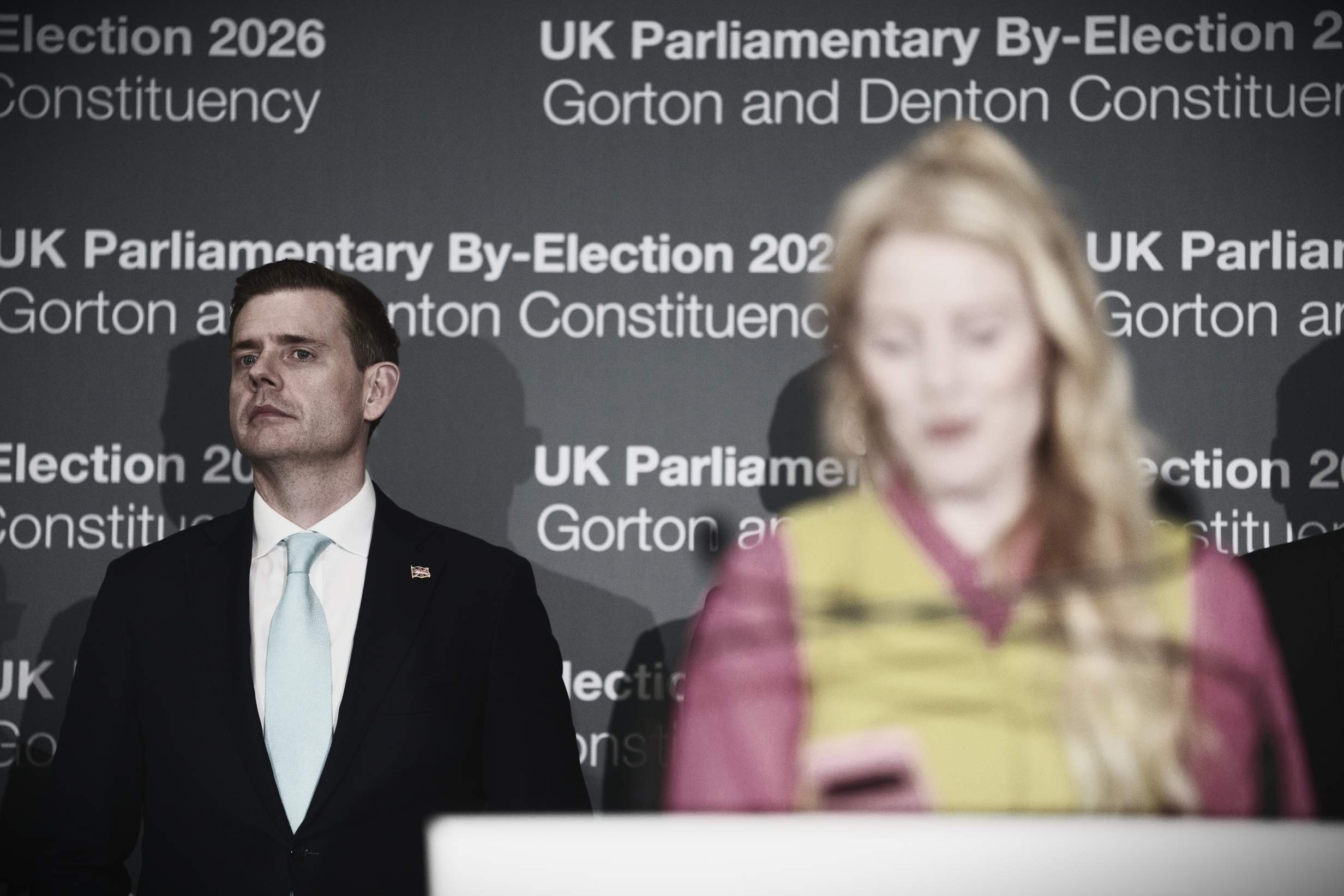
Reform Attacks Byline Times For ‘Attempting to Derail a Democratic Election’ – Before Blaming ‘Family Voting’ and ‘Muslim Sectarianism’ for Gorton and Denton Defeat
Having imported its own ideas for a DOGE and ICE from the US, Farage’s party now appears to be copying the Trumpian tactics of alleging vote-rigging in elections
4. Imprints
YouGov research in 2020 found that 81% of the public think it’s important that adverts clearly identify the party which put it out. It would seem absurd to many that this is not currently the case.
But in the 2021 London mayoral election, letters were sent appearing to come from City Hall and Transport for London, but which were in fact Conservative campaign material from mayoral candidate Shaun Bailey (now a Lord). The campaign group Reform Political Advertising wants to see, as a bare minimum, a requirement for campaign material to have to say the party name (not just the candidate and promoter’s names as is the case now).
3. Lying in Politics
There is nothing to stop parliamentary candidates completely lying in their campaign materials right now, except if it is effectively slandering another candidate. They can make up statistics, make up fake organisations, make up quotes from fake people endorsing the party. All perfectly legal.
New Zealand and Australia both have a different approach, with independent bodies able to sanction campaigners for outright lying to the electorate to win votes.
Monday’s debate touched on misinformation – but few are yet pushing for a formal adjudication body – with teeth – to tackle misleading campaign content.
2. Compulsory Voting
A thorny one. What do politicians do about the fact that more than a third of voters do not turn up to vote?
Groups like the Institute for Public Policy Research have noted that the issue of low turnout is particularly severe among lower-income groups, reducing their voice in politics and the attention that politicians pay to them. It creates a vicious cycle of voters feeling ignored, further disengaging from politics, thereby becoming easier to throw under the bus.
Labour’s Valerie Vaz and Bell Ribeiro-Addy both raised the Australian model of mandatory voting – though acknowledged it was unlikely the controversial measure would find its way into the Bill.
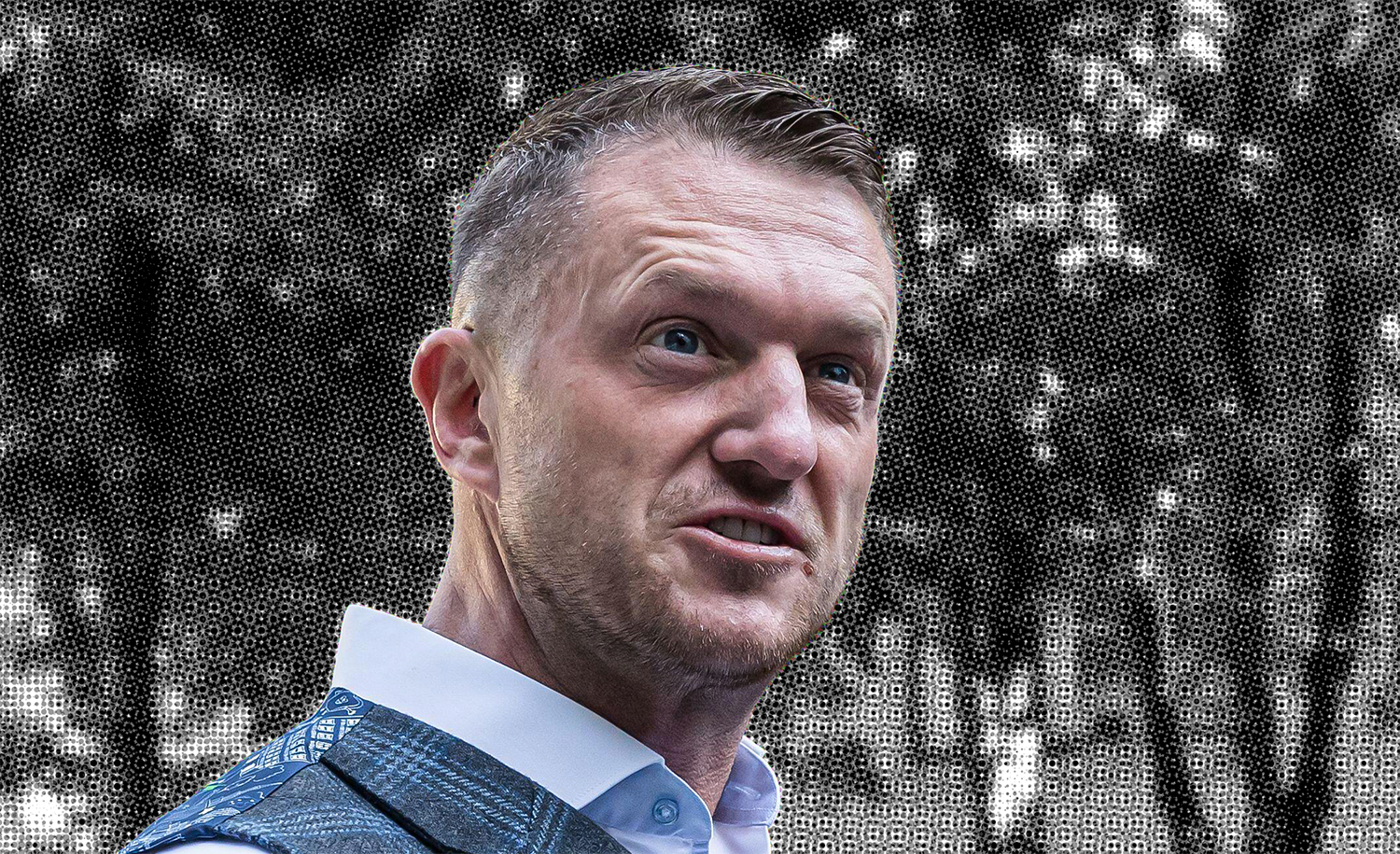
Tommy Robinson Amplifies Death Threat Against Keir Starmer During US Tour With Trump Insiders
The convicted far-right criminal shared the threat as he was handed extraordinary access to the US State Department by the Trump administration
1. Candidate Diversity
SNP MP Kirsteen Sullivan and Lib Dem Zöe Franklin pressed for the Government to implement section 106 of the Equality Act 2010, which would require parties to publish diversity data on candidates. The measure is still not implemented, 16 years after the Act passed. In their view, it’s difficult to make progress on diversity in politics if we don’t know where we stand (literally and figuratively).
Other suggestions included introducing an independent ‘ad library’ so that voters can see what parties are pushing to voters online, all in one place, a proposal backed by the campaign Reform Political Advertising. Another was to move elections from Thursdays to weekends, since there is some international evidence that this boosts turnout. There are currently ‘early voting’ pilot schemes underway at a local level which may go some way to exploring that.
For many, the bill is a step in the right direction – and the Conservative move to oppose the bill was roundly and categorically dismissed on Monday (by 410 votes to 105).
But we are just a few months on from a former Reform UK leader (in Wales) being convicted of bribery, lobbying for Russia in the European Parliament. Foreign interference isn’t a hypothetical issue in Britain, it’s a reality.
As things stand, there will remain plenty of loopholes for the wealthy and the secretive to exploit after this bill becomes law.
Got a story? Get in touch in confidence on josiah@bylinetimes.com
holding farage to account #reformUNCOVERED
While most the rest of the media seems to happy to give the handful of Reform MPs undue prominence, Byline Times is committed to tracking the activities of Nigel Farage’s party when actually in power

 Contribute to our #ReformUncovered crowdfunder
 Subscribers Get More from JOSIAH
Josiah Mortimer also writes the On the Ground column, exclusive to the print edition of Byline Times.
So for more from him…
