
 Subscriptions
 Subscriptions
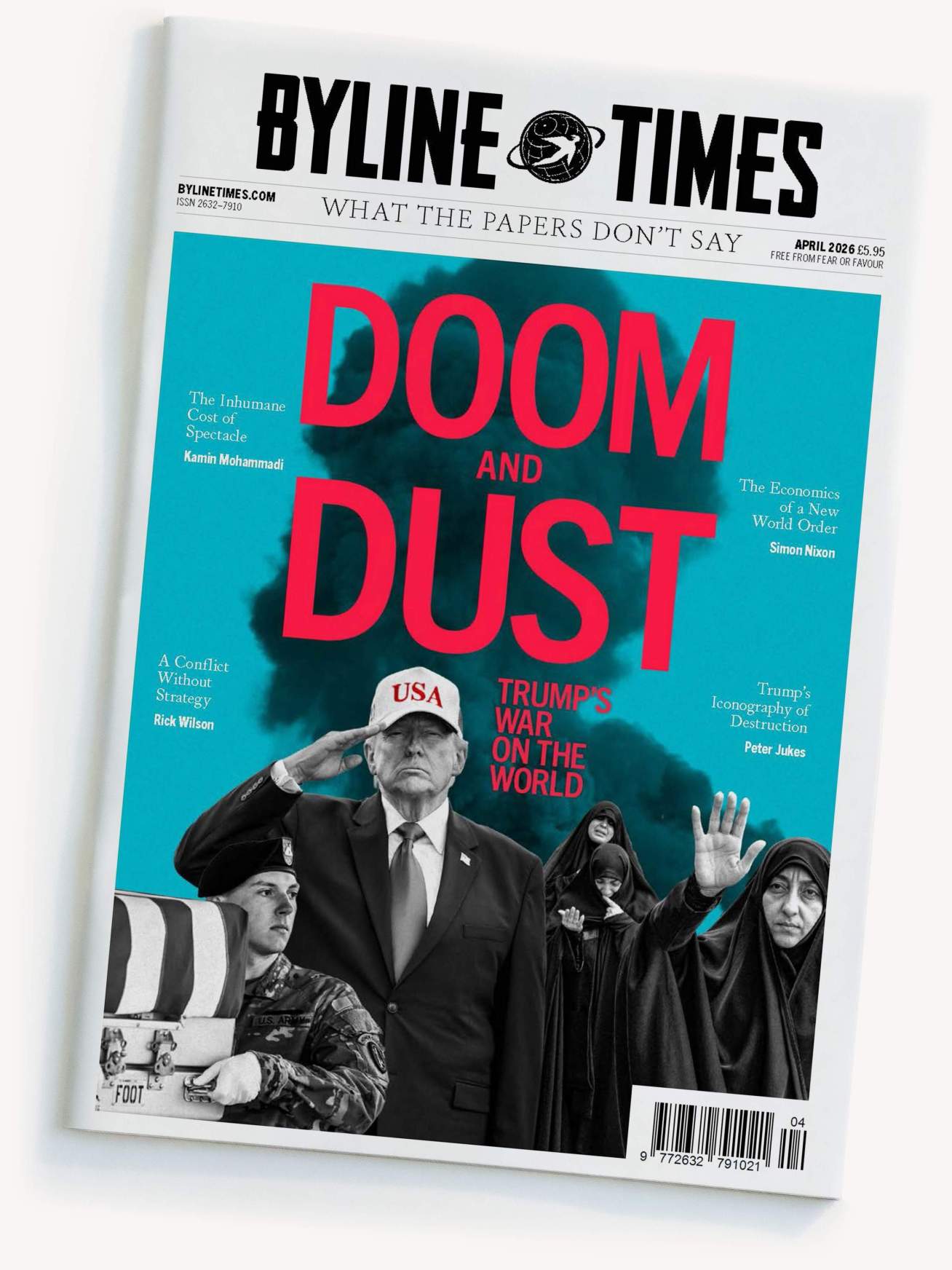
Read our Monthly Magazine
And support our mission to provide fearless stories about and outside the media system
If things were going well for Keir Starmer then he would have nothing to fear, and indeed much to benefit, from the return of a political big beast to Westminster like Andy Burnham.
If the Prime Minister had a clear plan for the country then the return of a rival, even one as determined to become Prime Minister as Burnham, would barely ruffle the feathers of those cooped up in Downing Street.
Previous Prime Ministers have acted differently.
When Boris Johnson, as London Mayor, announced his own return to Westminster, there was no attempt by David Cameron to block him from doing so, despite Johnson’s own plans to become “world king” being well established.
Instead Cameron actively encouraged him to come back and then sought to use his talents in Government for the benefit of his own party and leadership.
Johnson proved to be an irritant, but he never seriously threatened Cameron’s leadership for the simple reason that the then Prime Minister was in a position of strength.
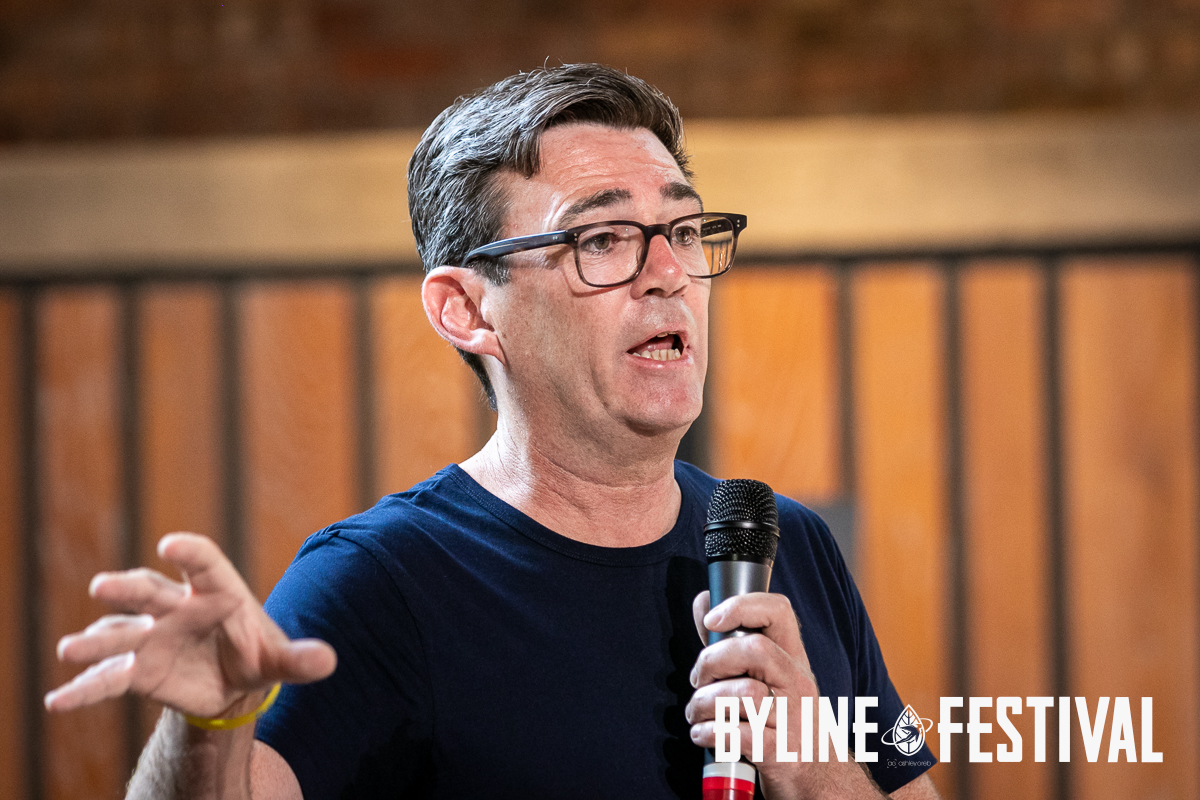
Andy Burnham: These Dangerous, Alienating Times Call for Radical Change of Our Politics
From imposter syndrome and proportional representation, to fixing the fundamentals and the ‘incestuous’ Westminster media-political class – Labour’s Greater Manchester Mayor believes the right can be defeated at the ballot box if bold changes to connect with the public and their day-to-day lives are made now
Of course Johnson did arguably end up playing a part in Cameron’s downfall, backing the Brexit campaign which ultimately toppled him.
But that failure, just like the decision to accept Johnson back to Westminster, was ultimately in Cameron’s hands. Had Cameron fought a better campaign, or even opted to remain in Downing Street post-referendum, then he could have remained as Prime Minister for years more to come.
The same cannot be now said of Starmer. His decision to block Burnham from becoming a an MP has been taken, not from a position of strength, but from a position of potentially irreversible weakness.
By blocking the Greater Manchester Mayor, he has made it all but impossible for Labour to cling on to their previously safe seat in Gorton and Denton, with Nigel Farage’s Reform, or even potentially the Greens, poised to take it instead.
Either of these outcomes would severely weaken the Prime Minister’s position and bring the point at which Labour MPs move against him to a head.
An Alternative Path
It didn’t have to be this way. Had Starmer instead welcomed Burnham’s return and then gone on to win the Gorton by-election together, then both the Prime Minister and the Labour party would have emerged in a stronger position.
He could then have offered Burnham a seat in the Cabinet, just as Cameron did with Johnson, and sought to hold him to his word of wanting to help the Government succeed. Had Burnham either refused, or then used his new position to undermine that Government then it would have been Burnham, rather than Starmer, whose position would have been weakened.
Of course such a path would have carried risks, but those risks could have been manageable. Instead the Prime Minister has chosen a path that looks all but certain to end in disaster for his Premiership
It may sound simplistic to the point of absurdity, but in politics winning comes from winning. It does not come from losing. If Labour loses the Gorton by-election, after blocking the man most likely to have won it, then no amount of Downing Street shenanigans are going to save Starmer from a concerted attempt to remove him as leader. The Prime Minister’s Chief of Staff, Morgan McSweeney, may feel that he has won a battle, but he now faces losing the wider war as a result.
These considerations may not worry those in Downing Street too much. Over the last few years it has become clear that the overwhelming priority of those around the Prime Minister is to pursue their own factional aims, rather than to secure what is best for the Labour party, or the Government.
At the last general election, the party’s campaign was almost completely derailed thanks to the leadership pursuing a series of attempts to oust left-wing Labour MPs and candidates. Their later decision to suspend left-wing Labour MPs who voted to scrap the two child benefit cap, also helped trigger a splintering of the party’s base that boosted the fortunes of the Greens, before the Government was ultimately forced to U-turn on the policy anyway.
ENJOYING THIS ARTICLE? HELP US TO PRODUCE MORE
Receive the monthly Byline Times newspaper and help to support fearless, independent journalism that breaks stories, shapes the agenda and holds power to account.
We’re not funded by a billionaire oligarch or an offshore hedge-fund. We rely on our readers to fund our journalism. If you like what we do, please subscribe.
Burnham may or may not have proven to be the answer to Labour’s problems and the rise of Reform. By blocking his return to Westminster we may never know.
Yet one thing is clear. The approach to politics pursued by the Prime Minister and his closest advisers certainly isn’t.
Deeply factional, short-sighted, and without any clear direction for the country itself, Starmer’s leadership has proven to be the opposite of the “government of service” he promised upon entering Downing Street.
It remains to be seen whether the decision to block Burnham will prove to be the moment that triggers the end of Starmer’s time as Prime Minister.
But whether it is this decision, or something completely different, the events of the last week have shown clearer than ever before how this Government got itself into such a position of weakness, just a year and a half after winning such a historic victory.
Burnham’s future path now seems uncertain. Starmer’s now looks all too clear.