
 Subscriptions
 Subscriptions
Read our Monthly Magazine
And support our mission to provide fearless stories about and outside the media system
Britain’s biggest middle-market newspaper stands accused of phone hacking, landline tapping, burglaries, and the theft of medical records in a nine-week High Court trial which began on Monday.
But in a week that on Wednesday saw Prince Harry become emotional in the witness box as he talked about the impact of media intrusion on his wife Meghan, tensions are rising not just between the Mail and its critics, but between the publisher and its own bankers.
NatWest, the Mail’s long-standing lender and the principal funder of the Telegraph bid, has the power to pull the plug if internal auditors conclude the legal risks are too great. And City scrutiny has intensified as allegations of industrial-scale criminality inside the Mail’s newsrooms are tested in court.
Against this backdrop, the Mail on January 8 publicly attacked its financial backer with a story headlined “NatWest Dirty Money Farce”. The two-page article recycled a five-year-old case in which Britain’s fourth-largest bank paid a record £264.8 million fine for accepting criminal proceeds.
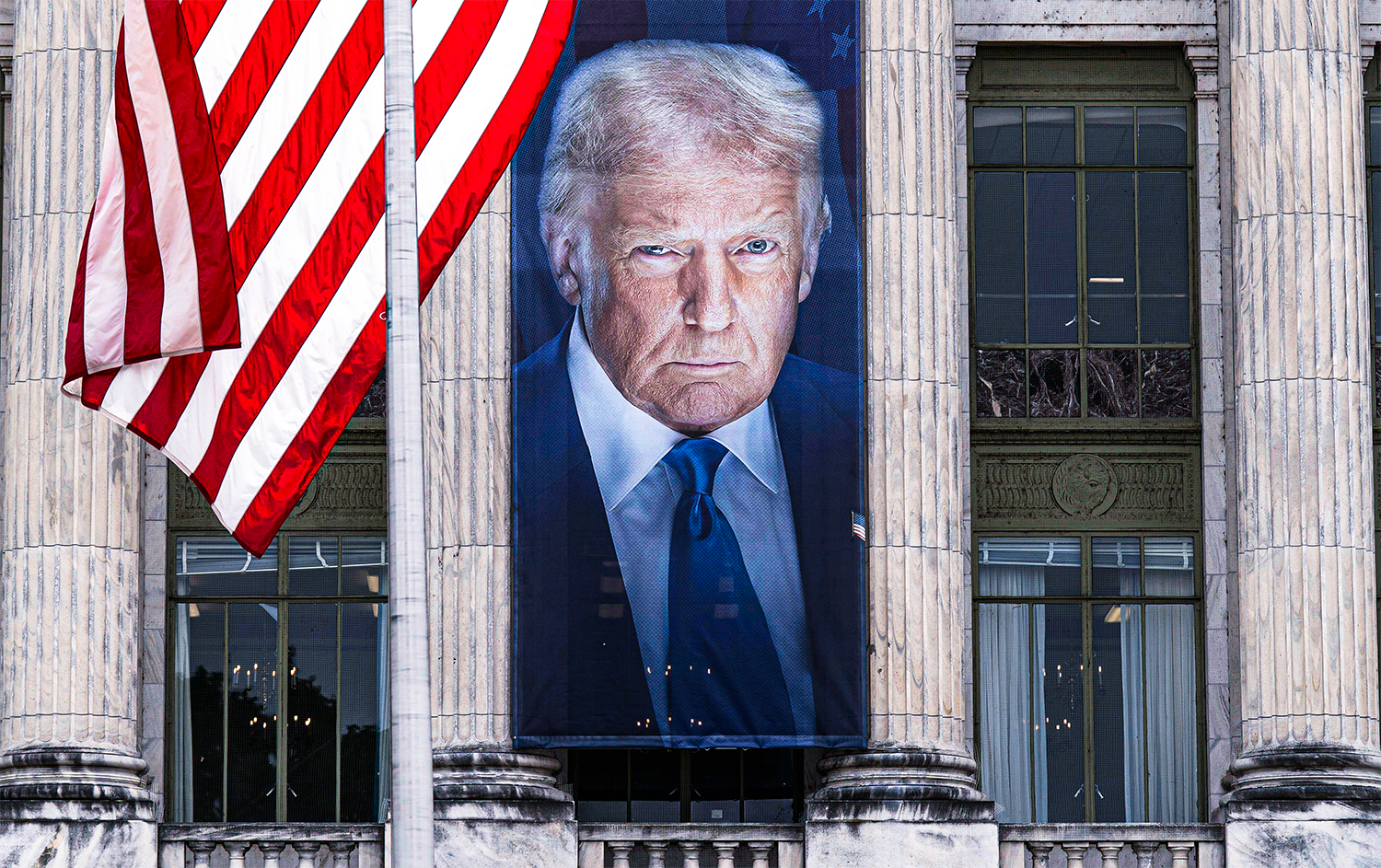
‘Trump Has Already Rigged the 2028 Presidential Election’: US Defence Insider
Regardless of how people vote, the chances of a Democrat Government coming to power in 2029 is now virtually nil, argues Brynn Tannehill
NatWest, however, is not the only party to the Telegraph deal facing allegations of serious wrongdoing. In the ongoing litigation brought by Prince Harry and Baroness Doreen Lawrence—whose son Stephen was murdered in a racist attack—more than £3 million in payments from the Mail to private investigators have been disclosed over the past three years.
Mr Justice Matthew Nicklin’s verdict now hangs over Lord Rothermere’s biggest ever newspaper acquisition.
His company, Daily Mail and General Trust (DMGT), has agreed to assume the debts of Telegraph Media Group’s current investor, RedBird IMI, paying £400 million up front and a further £100 million within two years.
The deal must still pass detailed due diligence by City lawyers and accountants who are acutely sensitive to allegations of criminal activity while the impact of the proposed takeover on competition and the public interest will be investigated.
City public relations expert Brian Basham said: ‘The timing of this deal, which comes in the middle of a nine-week trial for phone hacking, couldn’t be worse.
‘NatWest will not like this. The reputational damage to their client, of being on the news every night for months, about unlawful intrusion, is a risk.’
Mr Basham, who previously gave evidence in a phone hacking trial against the Mirror after warning its then chief executive of a cover-up, added: ‘But it will the liability of future claims which the bank will be very worried about.’
City insiders say NatWest is weighing whether the Mail could survive a “contingent liability” running to as much as £1 billion if hundreds of additional claims are launched. The estimate is based on the scale of payouts made by Rupert Murdoch’s companies following the News of the World hacking scandal.
Shares analyst Paul Scott has reviewed DMGT’s accounts and concluded that a £1 billion hit ‘would probably either bankrupt DMGT, or at least stretch it to the limit.’
DMGT has secured a funding package with NatWest, its preferred lender, and has finalised the terms of the transaction. But the City remains wary as the litigation approaches, set to begin in just over a week.
The case has already cost the Mail around £30 million, despite involving only seven “test” claims at the Royal Courts of Justice. Associated Newspapers Limited (ANL), DMGT’s main newspaper subsidiary, is defending actions brought by Prince Harry, Baroness Doreen Lawrence, Sir Elton John and David Furnish, Elizabeth Hurley, Sir Simon Hughes, and Sadie Frost.

‘That Phone Could Hold the Truth’: Levi Davis Family Says Investigator Withheld Evidence
A private investigator who offered to help the family of missing rugby and reality TV star Levi Davis is accused of taking possession of his iPhone and then failing to return it
Hundreds more potential claimants are waiting in the wings, and the case risks spiralling out of control.
Paul Scott warned that the company’s options could narrow fast. ‘The Mail could possibly sell off profitable bits, like the events business, or the digital business. Or do savage cost cutting to maximise cashflow. But it might even be that the lenders would cancel unused borrowing facilities if cash was being diverted to pay legal costs rather than invested in the business for return.’
Parallel phone hacking litigation against Rupert Murdoch’s News Group Newspapers dragged on for nearly 20 years. The Mirror Group, now Reach, has spent around £200 million over a decade, and the revenue-draining court battle is still ongoing with 61 cases still live and set to be tested at a trial of preliminary issues starting on January 26.
More than 400 potential victims of ANL have been identified by the claimants’ lawyers, after evidence was uncovered suggesting they were hacked and blagged by the Mail titles. The claimants allege phone hacking and other unlawful practices stretching back decades.
Brian Basham added: ‘The other point is—and NatWest will know this—is that client due diligence is not a one-off exercise. They must continue to monitor the Mail, including the upcoming trial, for unusual or unexplained activity, escalate concerns to senior management or the board, and cooperate with regulators and law enforcement.’
The Telegraph bid is DMGT’s biggest ever acquisition in headline price terms, and one of the largest UK newspaper takeovers in recent years
It is nevertheless dwarfed by the Rothermere family’s £810 million take-private of DMGT and the £1.4 billion sale of its RMS risk-modelling business to Moody’s.
ENJOYING THIS ARTICLE? HELP US TO PRODUCE MORE
Receive the monthly Byline Times newspaper and help to support fearless, independent journalism that breaks stories, shapes the agenda and holds power to account.
We’re not funded by a billionaire oligarch or an offshore hedge-fund. We rely on our readers to fund our journalism. If you like what we do, please subscribe.