
 Subscriptions
 Subscriptions
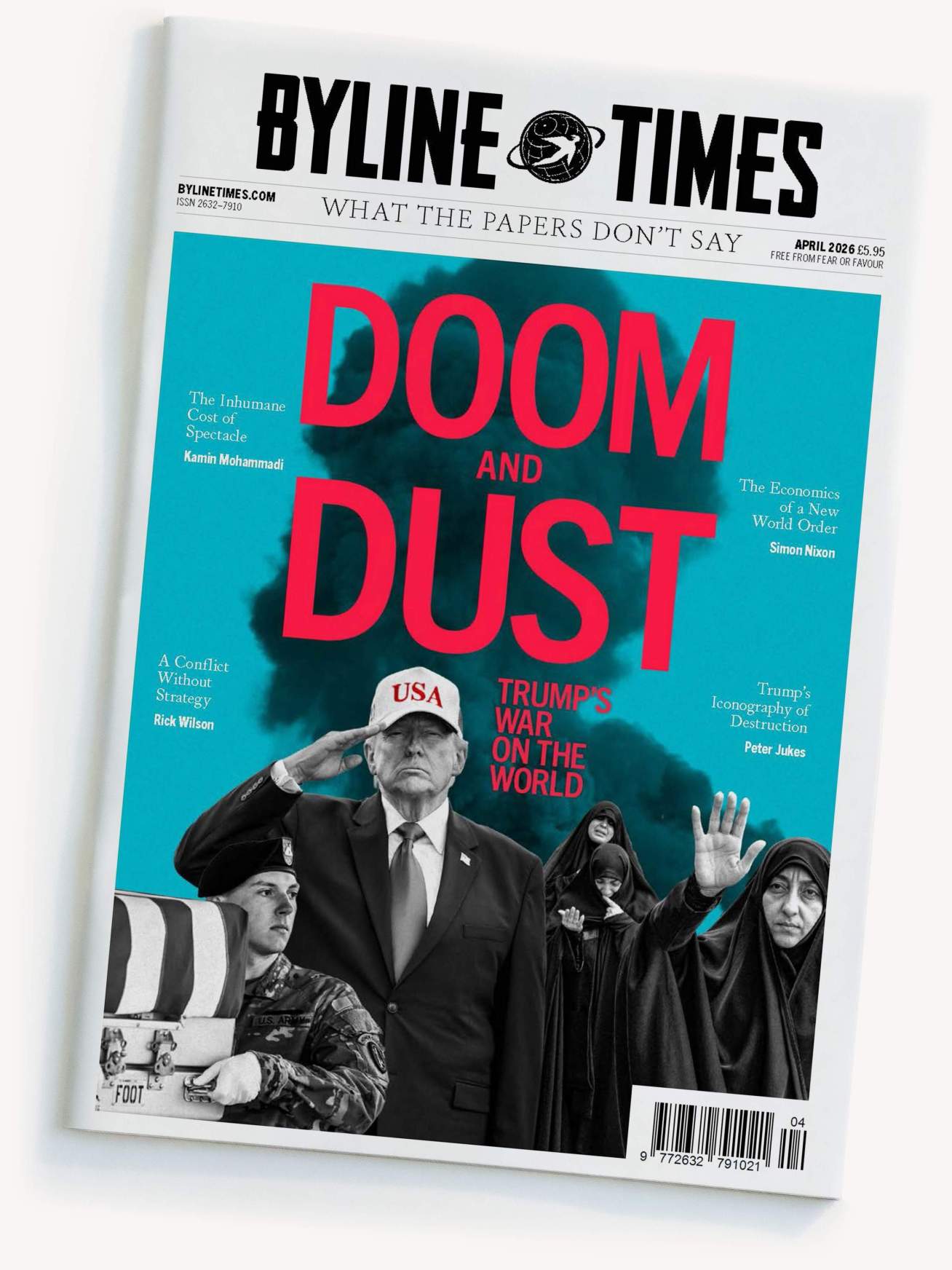
Read our Monthly Magazine
And support our mission to provide fearless stories about and outside the media system
I was in a car with charity workers somewhere between Calais and Dunkirk. We were on our way to a women’s centre: a small sports pavilion that offers women in the camps a chance to shower, do their hair, put on make-up, have a gossip, a brief moment of normality in a hostile place.
My companions were chatting in French, which I struggled to follow. So, when they exclaimed, “Huit.” I had to ask, “Eight what?”.
Pregnant women, they said.
My heart sank. I asked whether they would cross in the small boats. They told me the women hope so. It is safer to cross before the babies are born. Some, though, are forced to take babes in arms.
At the centre we met women from all over the world. I spoke with another Rachel (Raheli), a physics teacher from Afghanistan, fleeing the Taliban with her daughter, a midwife. She squeezed my hand tightly as she described the fear of the journey. Another woman spoke of her longing to return to Eritrea, to work and support her family back home. There were two mothers with babies already born.

Nigel Farage-Backed ‘Raise the Colours’ Campaign Pivots to Racially Abusing Migrants and Harassing Aid Workers on French Beaches
Far-right activists were seen stabbing dinghies and releasing dogs to intimidate migrants and aid workers
Women on the move. Pregnancies shaped by danger and displacement. A search for safety in a world that insists there is “no room”. Standing there, listening, it struck me that this is, at its heart, a Christmas story.
Migration and asylum are not modern anomalies. They are as old as humanity itself. Yet we have allowed our politics to strip them of their humanity, turning people into numbers, threats, slogans.
These women in Calais are in crisis, but they are not a crisis. Each is a person. And how we treat them tells us everything about the kind of country we are choosing to be.
Our Government has poured £476m into making the border as hostile as possible: aggressive policing, tents ripped away, water stations destroyed, and the horrific use of military-grade tear gas on children as young as two months old. Still, people cross, only now they do so more dangerously, with greater suffering.
Humanitarian organisations, including those working with Calais Appeal, do everything they can to counter this violence with scant resources. Their work is lifesaving.
As 2025 draws to a close, it is impossible not to reflect on how sharply our political language has hardened. Cruelty has been rebranded as “toughness”. Indifference as “pragmatism”. Moral abdication as “realism”. That showing basic humanity to pregnant women living in appalling conditions is now considered “radical” should alarm us all.
Too often, policies are justified not by whether they work, but by whether they sound punitive enough to satisfy an increasingly volatile media ecosystem. People seeking safety are framed as a problem to be managed, rather than lives to be protected.
That is also why earlier this year, I opposed the policy of housing people seeking asylum in army camps.

The ‘Pink Ladies’ Laundering Anti-Migrant Views Into the Mainstream
An anti-migrant movement backed by Reform and Conservative politicians and regularly invited onto news channels is funded by a far-right group and has platformed a Neo-Nazi activist
I believe in dignity. Placing traumatised people, including pregnant women, children and survivors of torture, in isolated, militarised settings without proper support is neither humane nor effective. It entrenches fear, worsens mental health, and makes integration harder, not easier.
Worse still, this cruelty is profitable. Clearsprings and just two other providers have made a combined £383m from Home Office asylum contracts, while delivering what has been described as “miserable” conditions. How did we end up paying corporations to inflict harm on people who need protection?
It does not have to be this way. Housing people in communities works. It always has. I think of the welcome extended to 250,000 Ukrainian refugees, the welcome parties, the support networks, the solidarity, and I ask why we cannot replicate that humanity now?
Integration, combined with the right to work and contribute, would allow people to stabilise, access healthcare, build relationships and contribute to the places they live. It is better for public services, better for cohesion, and better for people.
The choice to use camps is not about logistics. It is an expensive political signal, one of exclusion, suspicion and control.
In Calais I met people who had tried, and failed, to access safe and legal routes. People pushed into informal economies, criminalised for surviving, trapped in a system designed to exhaust them into disappearance.
What struck me most was not desperation, but patience. People waiting. Waiting to be heard. Waiting for a door to open. Waiting for a political system to remember its obligations.
As we look towards 2026, progressive politics faces a choice.
Labour appears intent on mimicking the language and instincts of the far-right, hoping voters will reward their version of fear-driven politics. I do not believe this offers a future, morally or electorally.
The alternative is to rebuild a politics rooted in humanity: one that speaks honestly about migration, inequality and belonging, and refuses to trade dignity for short-term approval.
ENJOYING THIS ARTICLE? HELP US TO PRODUCE MORE
Receive the monthly Byline Times newspaper and help to support fearless, independent journalism that breaks stories, shapes the agenda and holds power to account.
We’re not funded by a billionaire oligarch or an offshore hedge-fund. We rely on our readers to fund our journalism. If you like what we do, please subscribe.
That means rejecting the idea that compassion and competence are opposites. It means insisting that policies can be both humane and effective. And it means remembering that public trust is not built through cruelty, but through fairness and consistency.
Christmas is a time when we tell stories about welcome, refuge and generosity. But stories only matter if they shape our actions. The woman I met in Calais will give birth soon. Her child’s first experiences of this world are in our hands. Whether they are shaped by fear and isolation, or by welcome and support, is a political choice.
As 2026 approaches, we face a moral reckoning. My hope is that Britain chooses humanity again.