
 Subscriptions
Read our Monthly Magazine
And support our mission to provide fearless stories about and outside the media system
I’ve held back from commenting on the revelations about Nigel Farage’s past racism. Not because the story shocked me. For many in this country, it merely confirms what we’ve suspected for years. But some will be hearing these allegations for the first time, and it’s to you that I want to speak.
Over the past weeks we’ve seen a steady stream of former classmates and teachers describe Farage’s behaviour at Dulwich College: Nazi salutes, chants, anti-semitic slurs aimed at Jewish pupils, racist taunts at anyone who was not white. Some recall him saying “Hitler was right” or making jokes about gas chambers. Others simply describe a pattern of targeted, persistent abuse.
These are not new concerns. A teacher’s letter from the early 1980s warned school authorities that the teenage Farage should not be made a prefect because of what she called his “racism” and “fascism”. What is new is the political context. Farage is no longer just a fringe protest figure. He leads a party riding high in the polls, and he openly talks about expecting to walk into Downing Street.

The Government’s ‘Integrity Gap’ Is Leaving the Door Open for Nigel Farage
By offering watered down Faragist rhetoric combined with a programme of managed decline, Keir Starmer’s Government has left a political vacuum which the Reform leader is now stepping into, argues Labour MP Clive Lewis
Most of us have said or done things when we were young that we look back on with regret. That is part of growing up. We make mistakes, we cringe at our former selves, we learn, we change. Some of those early attitudes fall away. Others become the foundations of who we later become.
What is now emerging about Nigel Farage is not a single stupid comment or one heated moment. Former classmates are describing a pattern of behaviour. Not just a bully, but a racist bully of the ugliest kind, directing hatred at black and Jewish pupils as a kind of sport.
That does not automatically mean he holds every one of those views today. People can change. But when someone tells you who they are, over and over again, it is wise to listen. So look at his politics. Look at his rhetoric. Look at the company he keeps and the division he trades in.
For decades Farage has built his career on singling out migrants and minorities, from the infamous “Breaking Point” poster that depicted desperate refugees as a threat, to repeated claims that we are being “overrun” or that parts of Britain are no longer recognisably British. Look at Reform’s immigration policy, which even the Prime Minister has felt compelled to call “racist” and “immoral”. Consider his willingness to stand alongside and give cover to people in his own party who make openly racist comments, only distancing himself when public outrage forces his hand.
Taken together, it paints a picture of a man whose worldview did not grow out of those teenage foundations, but from them.
So, what does that mean now?
If you already oppose Farage, these stories will only harden your resolve. If you adore him, nothing I say will shift you. But there is a group of people I do want to reach: those considering voting for Reform.
I am not going to patronise you. I understand why many are thinking about it. If you have watched your pay stall, your bills rise, your community decline and your politicians shrug for years, you might well think: what have I got to lose? Why not give the system a kick? Why not try something different?
You may feel the country has taken a wrong turn. That we have lost something precious and need to put it right. You may feel that people like you have been talked down to, ignored, or written off.
Those instincts are not wicked. They are not inherently racist. They come from frustration, disappointment and a desire for dignity and control in your own life. I meet people every week who feel that way. I represent many of them.
But here is the truth that cannot be dodged. Most people in this country are good, decent, fair-minded. They do not want to see hate imported into the heart of their politics. They do not want their children growing up in a country defined by fear and division. They may be angry, but they still know there is a line.
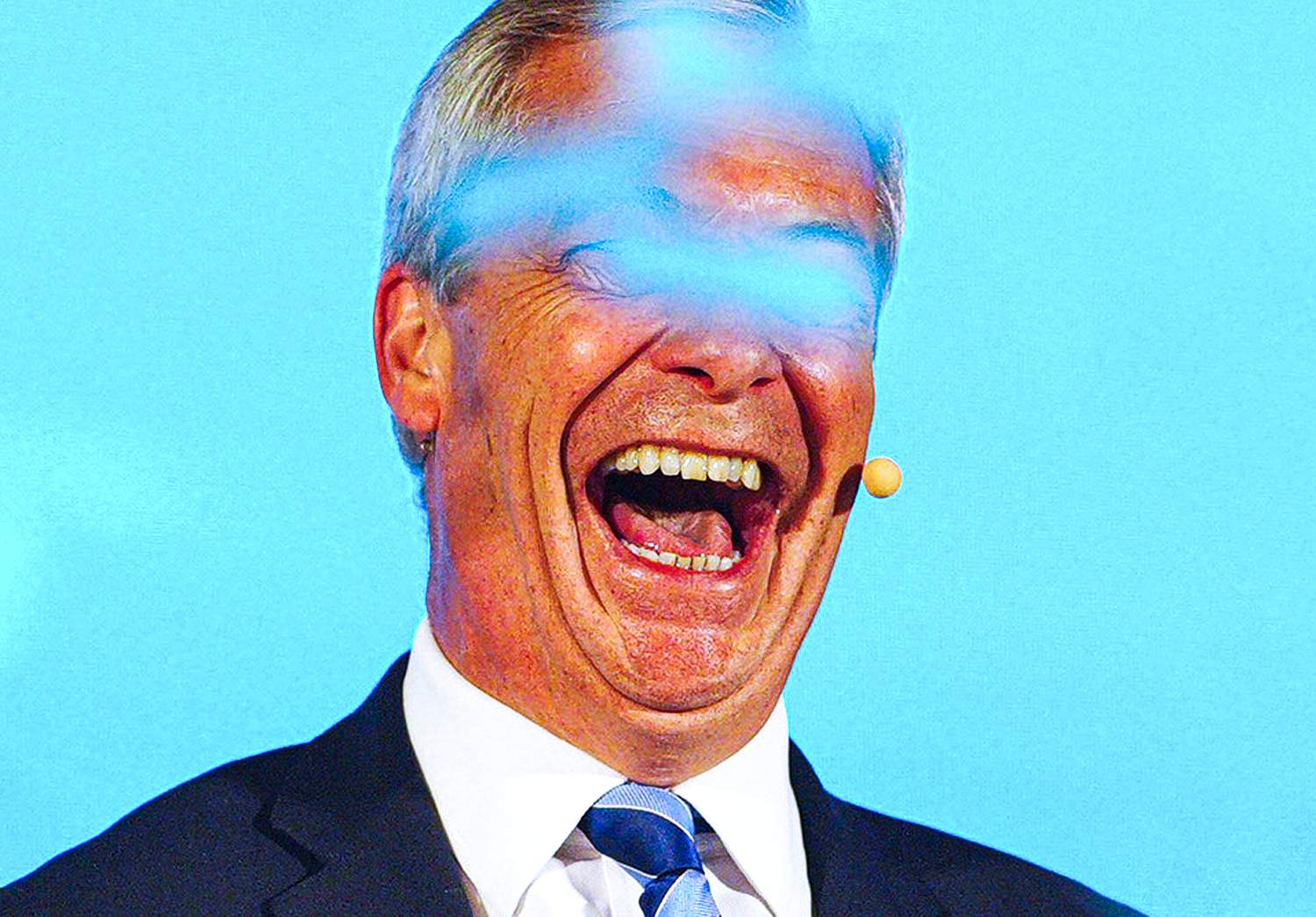
holding farage to account #reformUNCOVERED
While most the rest of the media seems to happy to give the handful of Reform MPs undue prominence, Byline Times is committed to tracking the activities of Nigel Farage’s party when actually in power
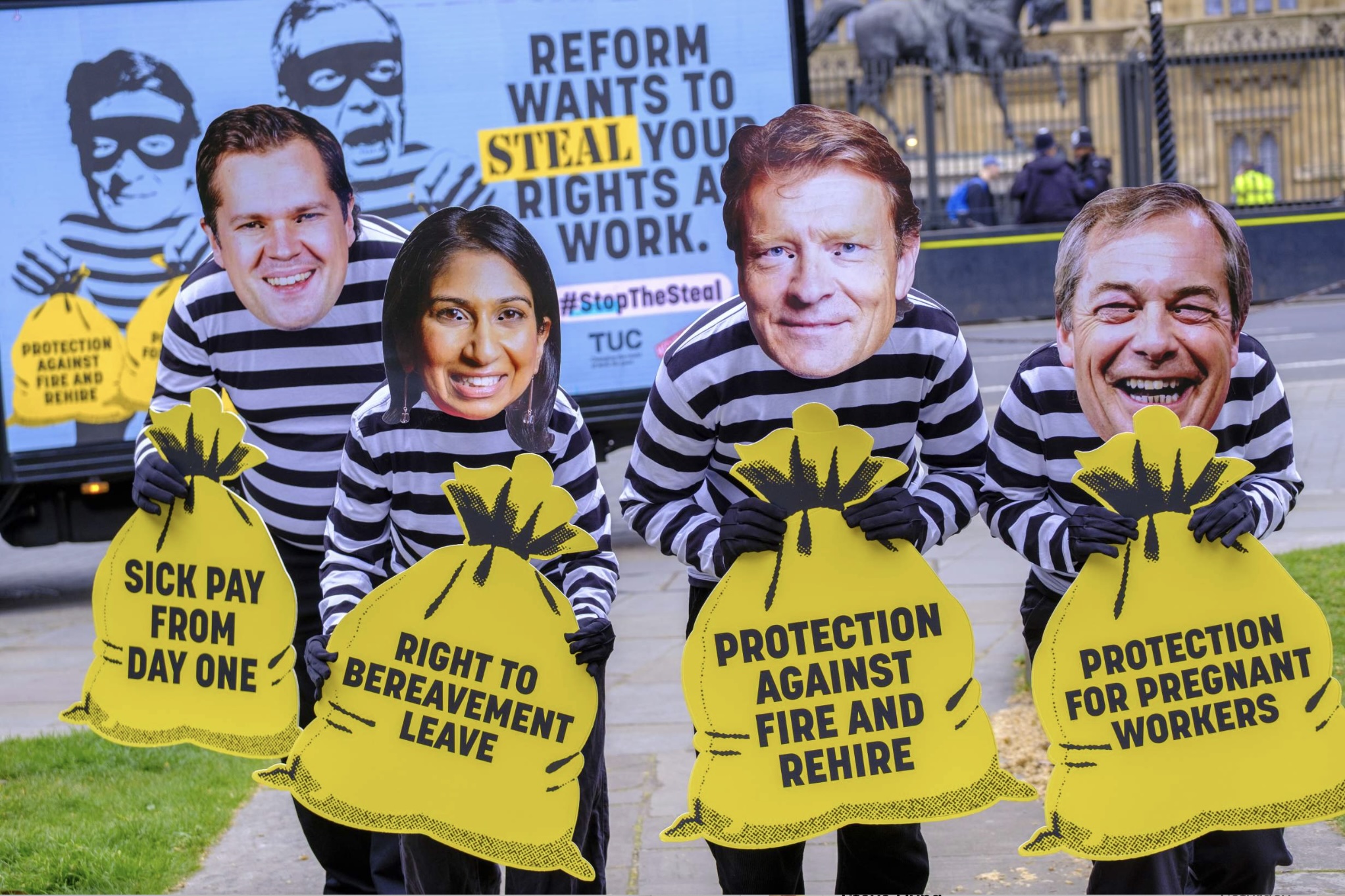

 Contribute to our #ReformUncovered crowdfunder
So ask yourself this, quietly and honestly: is Nigel Farage a changed man?
When these allegations resurfaced, Farage was not prepared to simply say: “I am sorry. I was wrong. I hurt people.” Instead, we saw legal threats, shifting explanations and attacks on journalists and broadcasters. He has said he may have been “offensive” as a teenager, but insists he never said anything racist “with malice”, and his aides have tried to dismiss the abuse as playground “banter”.
Eleven Holocaust survivors have now written to him, asking for the truth and an apology. They know, better than most, that hateful words are not harmless jokes. They are how something darker begins.
So, has he shown any sign that he truly regrets the person he was? Or has he built a career by sharpening those same instincts into a political weapon?
Because if he has not changed, then every vote for Nigel Farage is not a protest. It is permission. It hands real power to a man whose teenage cruelty looks less like a youthful phase and more like a blueprint.
This country is far from perfect, but it is worth fighting for. It is better than the politics Farage offers, where every problem is reduced to a question of who can be blamed, where your neighbour becomes your enemy, and where people who look or sound different are turned into targets.
Once a politics of hatred takes root at the top, a country does not easily come back from it. We have seen, in other times and other places, how quickly democratic norms can erode when leaders normalise contempt and cruelty.
You know this in your gut. We all do.
ENJOYING THIS ARTICLE? HELP US TO PRODUCE MORE
Receive the monthly Byline Times newspaper and help to support fearless, independent journalism that breaks stories, shapes the agenda and holds power to account.
We’re not funded by a billionaire oligarch or an offshore hedge-fund. We rely on our readers to fund our journalism. If you like what we do, please subscribe.
Nigel Farage is not fit to lead this country. A vote for him, or for those who still cheer the views he held as a teenager, would stain the country we love with something we may never fully wash away.
In the end, this is about far more than one man’s schooldays. It is about what we are prepared to normalise in order to feel heard.
Every democracy has moments where it has to decide what is more important: the need to punish a failing political class or the duty to protect the basic standards that keep a society decent. We are at one of those moments now. We can be a country that demands change without sacrificing its conscience, or one that shrugs and says “anything goes” as long as it hurts the right people.
So, when you think about your vote, do not just ask what it might do to “them” in Westminster. Ask what it will do to us, to the kind of Britain your children grow up in. If we reward a politics built on the same instincts that made a racist bully of a schoolboy, we should not be surprised at what follows.