
 Subscriptions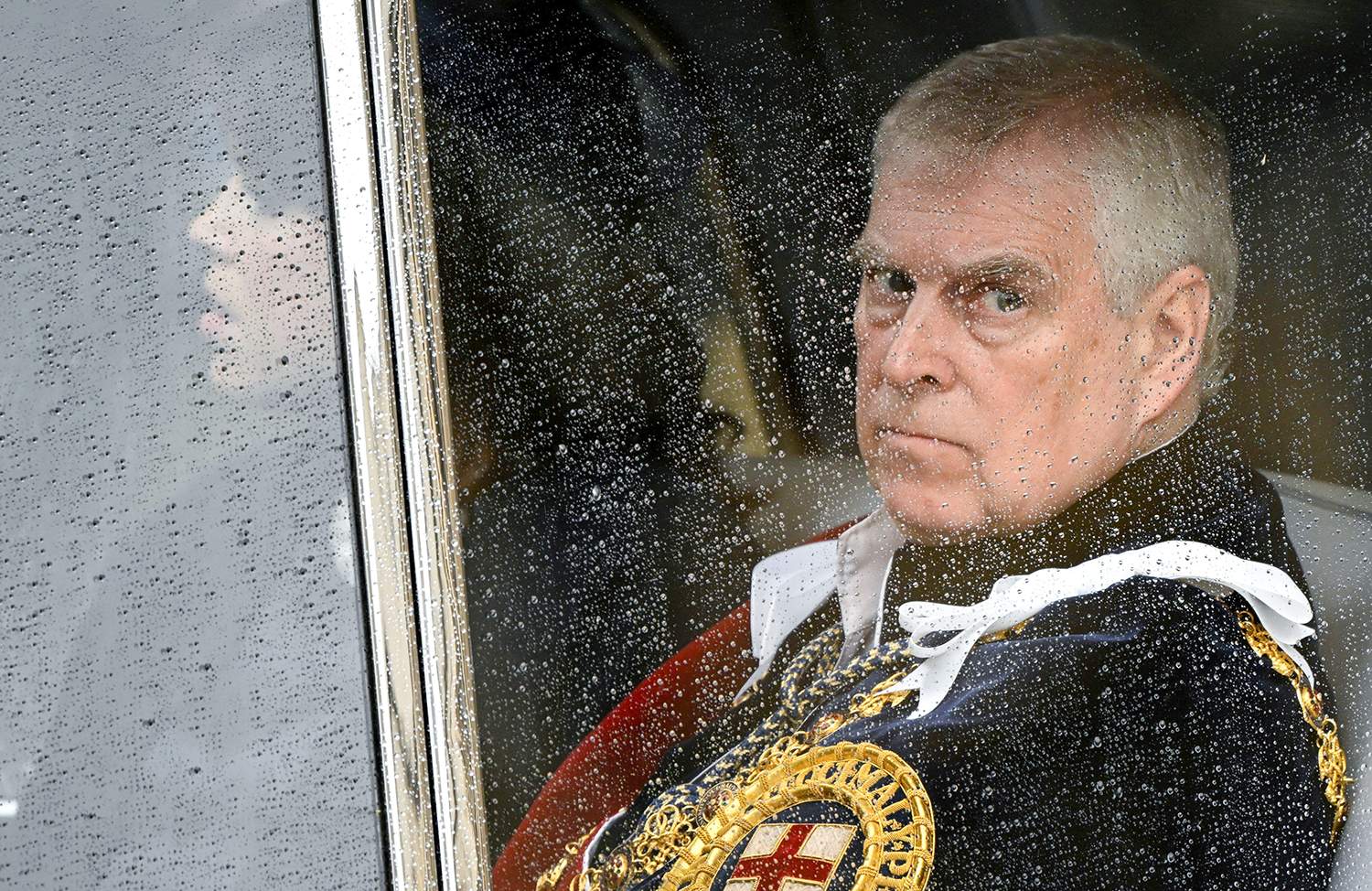
Read our Monthly Magazine
And support our mission to provide fearless stories about and outside the media system
The disgraced former Prince, Andrew Mountbatten Windsor is entitled to nearly £500,000 compensation for the early termination of his lease on Royal Lodge in Windsor Great Park, but is unlikely to get a penny because of the dilapidation of the property, according to a letter released by the Crown Estate to MPs today.
Andrew lost his titles and the use of his home after King Charles decided continual disclosures about his longstanding association with the deceased paedophile Jeffrey Epstein was damaging the reputation of the Royal Family.
He has until the end of October next year to leave the property according to the terms of the lease. He would have been entitled to £488,342.21 but the letter states that the deterioration of the property means he is unlikely to get any money.
The lease, which was released to MPs on the Public Accounts Committee, shows that the 100 acre estate, as well as the main house, includes a front gate lodge, six other lodge gates, a gardener’s cottage, a police lodge for the Royal Protection Squad, a chapel lodge and a miniature cottage.
The disclosure has led the Conservative chairman of the committee, Sir Geofrey Clinton -Brown, to decided to hold an inquiry into the Crown Estate and its relationship with the Royal Family.

Boris Johnson and Alexander Lebedev Must Be Investigated in a New Public Inquiry into Russian Influence
If you think the Gill conviction is bad, linking the Reform UK Party leader’s closest aide to the Kremlin, wait till you hear about another Leave campaigner and his connections to Putin’s inner circle
The lease made the former prince responsible for all the repairs to the properties and to maintain orchards and woodland.
Miscellaneous provisions under the lease banned auctions, public shows or spectacles and political meetings on the premises. It also banned gambling, betting or wagering on the site. Placards on building were banned and a clause added the premises should not be used for “ any illegal or immoral purposes.”
It discloses that the notional rent in 2002 would have been £260,000 a year but after the former prince agreed to spend £7.5 million on repairs it was reduced to a peppercorn rent which may not have been collected.
The letter says a meeting to discuss the surrender of the lease and a preliminary inspection of the property was held on November 12 – a fortnight after the King made the announcement.
Following questions from MPs, the Crown Estate has also released details of other properties occupied by the Royals in Windsor Great Park.
The Prince and Princess of Wales have signed a 20 year lease on Forest Lodge in July this year and intend to use it as their primary residence. It is being let at market rate rents, set by estate agents Hamptons and Savills.
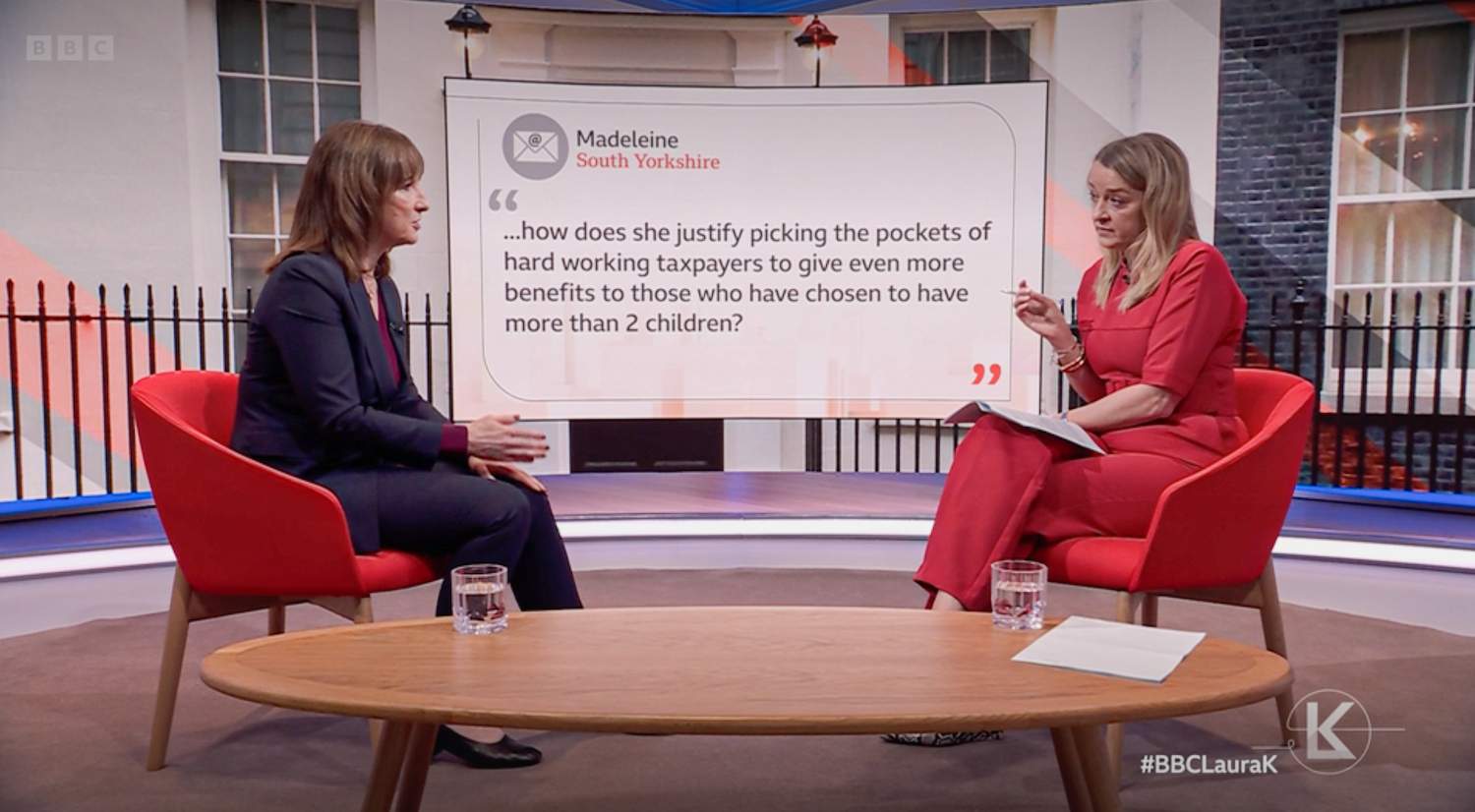
Rachel Reeves and the Daily Mailification of the BBC
For all the focus on its supposed “left wing bias”, the BBC’s heavy coverage of Conservative allegations of dishonesty against Rachel Reeves shows how its political coverage is still largely led by the right-wing press
Prince Edward, now the Duke of Edinburgh, initially leased Bagshot Park, in 1998 for 50 years at an initial rent of £90,000 a year. He spent £1,380,000 towards renovations and the Crown Estate spent £1.6 million on repairs. In 2007 the lease was negotiated for 150 years at a premium of another £5 million.
Princess Alexandra and her family have leased Thatched Cottage Lodge in the park since 1971. The lease was renegotiated in 1995 for £670,000 with a fixed rent of £1010 a year for the first 25 years rising to £6000 for the last 25 years.
Andrew Mountabtten Windsor also leased two cottages on the Sunninghill Park near the Windsor Estate. One has been surrendered, the other, which is let to a member of his staff, has not been surrendered by him.
Sir Geoffrey said: “We would like to thank The Crown Estate Commissioners and HM Treasury for their considered responses to our questions. “In publishing these responses, the Public Accounts Committee fulfils one of its primary purposes – to aid transparency in public-interest information, as part of its overall mission to secure value for money for the taxpayer.
ENJOYING THIS ARTICLE? HELP US TO PRODUCE MORE
Receive the monthly Byline Times newspaper and help to support fearless, independent journalism that breaks stories, shapes the agenda and holds power to account.
We’re not funded by a billionaire oligarch or an offshore hedge-fund. We rely on our readers to fund our journalism. If you like what we do, please subscribe.
“Having reflected on what we have received, the information provided clearly forms the beginnings of a basis for an inquiry. The National Audit Office supports the scrutiny function of this Committee.
“We now await the conclusions the NAO will draw from this information, and plan to hold an inquiry based on the resulting evidence base in the new year.
“In publishing these responses, the Public Accounts Committee fulfils one of its primary purposes – to aid transparency in public-interest information, as part of its overall mission to secure value for money for the taxpayer.”