
 Subscriptions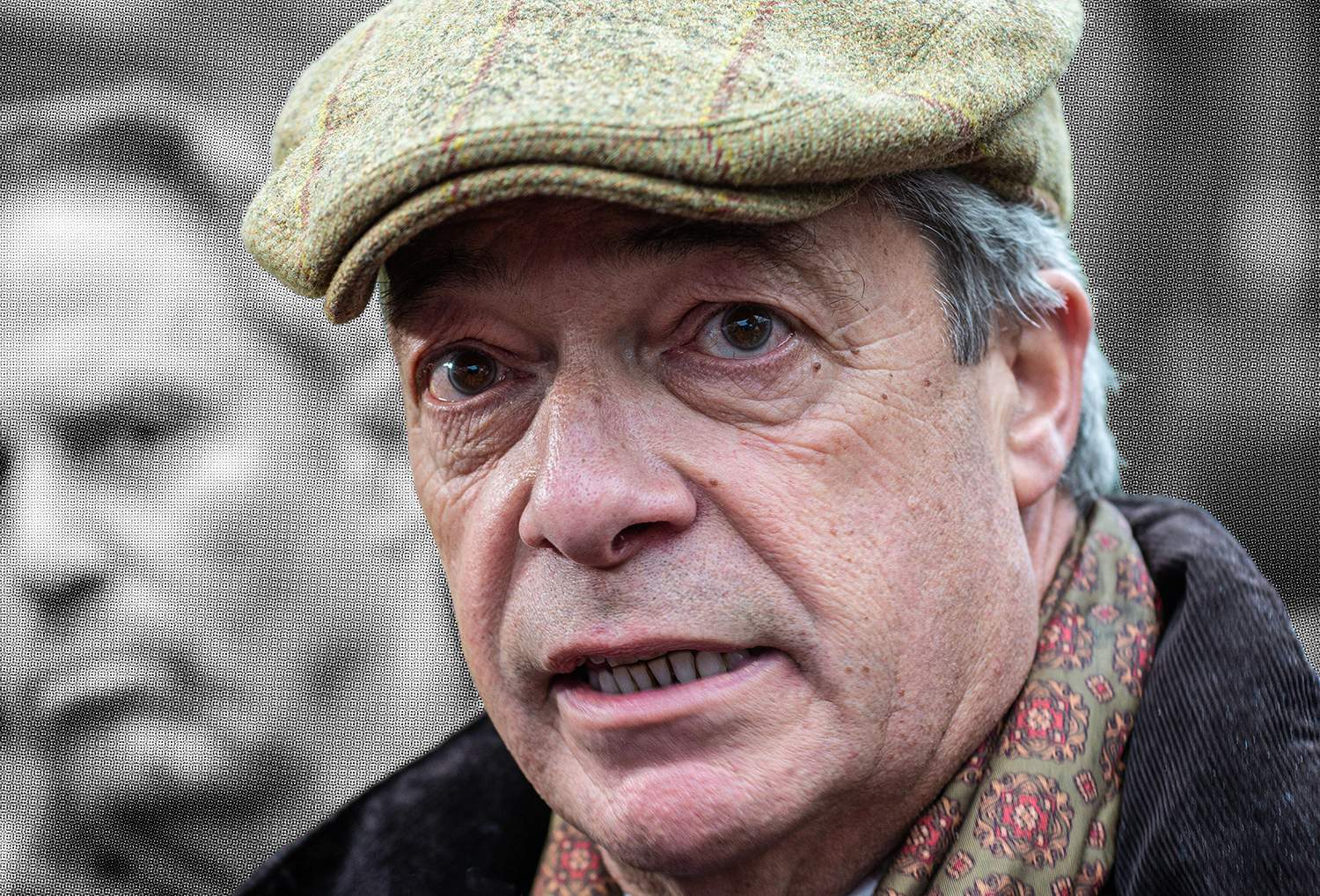

Read our Monthly Magazine
And support our mission to provide fearless stories about and outside the media system
Mist gathers over a chalk stream at first light, the surface broken by rising mayflies. A barn owl drifts low over a hedgerow. These moments of quiet resilience are becoming rarer. One in six UK species is now at risk of extinction and average populations have fallen by 19% since 1970 – evidence of a deepening crisis in Britain’s natural world.
Into this landscape steps Reform UK. Nigel Farage claims his party is the “voice of the people”, promising a government that would defend British culture, identity and values. But behind the populist slogans and patriotic rhetoric lies a devastating agenda for nature that, according to conservation groups, risks accelerating the decline of already fragile ecosystems.
A recent YouGov poll found that 70% of adults surveyed in Great Britain want stronger environmental protections. Yet Reform UK, which says it is preparing for government, has no credible plans to reverse biodiversity loss, safeguard vital habitats or restore degraded ecosystems.
A Plan to Scrap the Foundations of Conservation
At the centre of Reform UK’s policy platform is a pledge to scrap, “with immediate effect”, more than 6,700 retained EU regulations – among them the Habitats Directive, the Birds Directive and long-standing water-pollution controls that form the backbone of Britain’s environmental protections.
Removing these critical nature laws would ease restrictions on development and intensive agriculture, potentially opening the door to habitat destruction on a significant scale.
It would place some of Britain’s most important protected areas at risk, including:
- Sites of Special Scientific Interest (SSSIs), which safeguard nationally important wildlife and geological features
- Special Areas of Conservation (SACs), created to protect rare habitats and species of European significance
- Special Protection Areas (SPAs), designated to conserve vulnerable and migratory bird populations
These protections underpin the survival of natural landscapes that still support the UK’s remaining biodiversity strongholds.

‘The ‘Eco-Populist’ Cost-Cutting Budget Rachel Reeves Should Really Deliver’
Only a radical approach to our broken privatised energy system can make British bill-payers genuinely better off, argues Donnachadh McCarthy
Fragile Habitats on the Front Line
Among the natural ecosystems most vulnerable to deregulation are chalk streams – a globally rare habitat found mostly in England – along with ancient woodlands, limestone pavement and coastal landscapes such as salt marshes and dune systems.
The UK’s peatlands, which act as significant carbon sinks and support species like the golden plover and sundew, could also face renewed exploitation for peat cutting.
River systems, already under pressure from sewage discharges and agricultural run-off, would deteriorate further without enforceable clean-water standards.
Turning Farmland into a Biodiversity Battlefield
Reform UK’s plans also target Agri-Environment Schemes (AES) – including the Sustainable Farming Incentive (SFI), Countryside Stewardship (CS) and Landscape Recovery – which currently pay farmers to restore wetlands, maintain hedgerows and protect pollinators.
Scrapping environmental conditions tied to farm subsidies would effectively end these schemes. Natural England’s most recent assessment found AES were boosting wildlife populations such as birds and butterflies, increasing landscape-scale biodiversity and improving water quality and flood resilience. All of this, campaigners say, would be lost under Reform UK.
Farage has additionally promised legislation to ban nature-conservation and rewilding projects on farmland deemed “productive”, and to prevent Natural England – the Government’s statutory adviser on the natural environment in England – from “taking action that damages farmers”.
Critics argue this goes to another extreme – that it would entrench destructive intensive farming practices, promote harmful monocultures that degrade the land, and increase the use of harmful pesticides and fertilisers, overall undermining efforts to address the biodiversity crisis.
ENJOYING THIS ARTICLE? HELP US TO PRODUCE MORE
Receive the monthly Byline Times newspaper and help to support fearless, independent journalism that breaks stories, shapes the agenda and holds power to account.
We’re not funded by a billionaire oligarch or an offshore hedge-fund. We rely on our readers to fund our journalism. If you like what we do, please subscribe.
‘A Scrappage Plan to Speed Up the Demise of UK Wildlife’
For British organisations working on protecting UK nature and wildlife, Reform UK’s platform represents a profound threat.
Paul de Zylva, nature campaigner for Friends of the Earth, describes the party’s environmental policies as “a scrappage plan to speed up the demise of UK wildlife.”
De Zylva argues that a healthy natural environment underpins a healthy economy and rejects the idea that environmental safeguards are mere bureaucratic obstacles. He stresses they are essential to protecting habitats and repairing Britain’s degraded ecosystems:
“Reform UK may claim to stand for the British people, but scrapping nature-friendly farming, tearing up environment safeguards, and turning a blind eye to the twin climate and nature crisis won’t help anyone, and it’s not what the British public want.”
Oliver Newham, UK rewilding policy and advocacy lead at Rewilding Britain, likewise warns that abandoning targeted, nature-friendly farm schemes in favour of untargeted direct payments would be “shortsighted” and risk undermining the foundations of nature recovery. He said:
“If anything, public funding support for this needs to be strengthened if we are to secure food production and reverse nature’s decline. What we need is a multipurpose, multifunctional, land-use approach where farming and nature are supported, resourced and work hand in hand to build climate and nature resilience, while ensuring the future of our food production. For example, paying farmers for providing natural flood management solutions and for working together to restore habitats at scale across our landscapes is for the benefit of all.”
Reform’s Nature Blindspot
Although wildlife does not recognise national borders, Reform UK’s “take back control” message dismisses the international cooperation needed to confront the global nature crisis.
Agreements such as the Convention on Biological Diversity rely on countries working together to protect cross-border ecosystems and migratory species. Reform UK’s approach also conflicts with the Government’s legally binding commitment to protect 30% of land and sea for nature by 2030 (30by30) – a pledge made under the Kunming-Montreal Global Biodiversity Framework (GBF) at COP15 in 2022.
A government stepping back from these obligations would, conservation experts warn, leave Britain isolated and diminish its credibility as a conservation partner.
Matthew Browne, head of public affairs at The Wildlife Trusts, highlights what he calls a “striking omission” of nature from Reform UK’s policies, despite polling showing that voters – including those inclined to back Reform UK – care deeply about wildlife protection. “All parties aspiring to form the next government need to outline how they will safeguard wildlife and wild spaces,” he said.
Beccy Speight, chief executive at the Royal Society for the Protection of Birds, warns that Britain is already “one of the most nature-depleted countries in the world” and that governments have repeatedly failed to reverse this decline. She says public concern over the climate and biodiversity crises is rising and adds that “any political party not visibly committed to addressing these urgent issues risks losing voter trust.”
The Reform UK plans would accelerate questionable policies being pursued by the Labour Party, which has been accused of abandoning biodiversity by forcing legislation through parliament that environmental NGOs and ecologists say amounts to giving developers a “license to kill” wildlife . The proposed Planning and Infrastructure Bill aims to cut perceived “red tape” for developers in England and Wales by scrapping wildlife protections, which Prime Minister Keir Starmer and Chancellor Rachel Reeves claim are blocking or slowing down housing and infrastructure projects.
After months of discussion, the House of Lords voted in favour of Amendment 40 which would have ensured that laws protecting rare habitats and species could not be ignored by developers.
However, the Labour Party instructed its MPs to vote against the Lords’ amendment, which was defeated in the House of Commons last week by 244 votes to 132.
In what appears to be a clear case of political hypocrisy, Richard Tice and Sarah Pochin voted for the amendment, and in defence of the very category of environmental protections that Reform UK has already vowed to abolish at scale.
Reform UK did not respond to an invitation to outline any current plans it has to address the UK’s nature and biodiversity crisis.