
 Subscriptions
 Subscriptions

Read our Monthly Magazine
And support our mission to provide fearless stories about and outside the media system
Former Green Party Leader, and Byline Times columnist Caroline Lucas has called for a new pact with the EU that could deliver abundant cheap, clean energy and reduce pollution dramatically, all while robustly tackling the climate crisis.
In a new campaign video, European Movement UK Co-President Caroline Lucas has urged the Government to work towards a new climate partnership with the European Union, warning that key environmental and energy challenges – including the climate crisis, nature restoration, dirty air and water, and high energy costs – “can’t be fixed by one nation alone.”
It comes as Britons brace for another winter of soaring gas and electricity prices, and as more than 80 countries push for a roadmap to quit fossil fuels at the UN’s COP30 climate conference this week.
The push for renewed cooperation is set out in full in A New Agenda for UK–EU Energy, Climate, and Environment Cooperation. It was authored by Lucas’ European Movement UK – a cross-party pro-European organisation founded in 1949 to promote closer ties between Britain and the EU.
Britain’s self-imposed exile from Europe’s integrated systems is at the heart of Britain’s soaring prices, the report shows, warning of “mounting evidence of divergence” in everything from energy trading to pesticide regulation.
The campaign group proposes a new “Energy, Climate and Environment Partnership” that would restore win-win cooperation without re-entering the single market.
Here’s what they’re proposing.
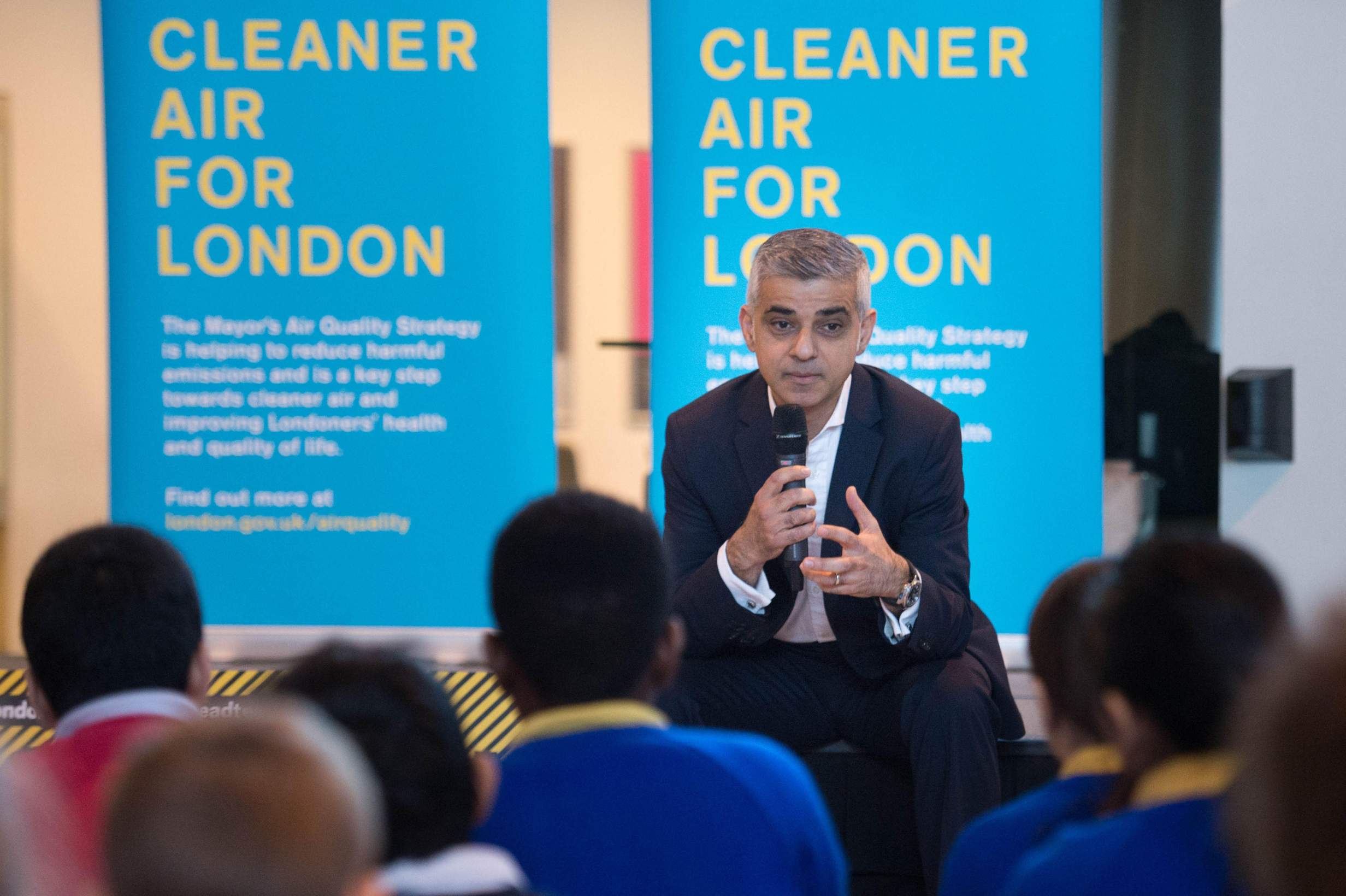
The Government Has Cut Air Pollution Funds to Councils by 99% as Illegal Levels of Pollution Shorten Lives
New data shows just £1.5 million was given to councils in England in the past year to tackle air pollution – down from a high of £225 million in 2021
Cheap, Clean Energy
One major focus is the fractured state of UK–EU energy cooperation. Since Brexit, the UK has been operating outside the EU’s Internal Electricity Market (IEM), which streamlined the flow of electricity to the UK by automatically allocating it where it is cheapest and most needed. The upshot? UK energy prices are rocketing.
Energy UK, a trade association for the UK energy industry, says that being outside of the EU market is adding £120 million – £370 million to energy bills.
As part of Keir Starmer’s ‘Post-Brexit Reset’ in May, the UK Government began negotiations to rejoin the IEM.
While this will likely involve financial contributions from the UK, European Movement UK argues that rejoining the IEM would reduce volatility and unlock more investment in offshore wind.
Modelling in the report suggests this could cut up to £13bn from the cost of building out North Sea infrastructure by 2050, a vast improvement on planning offshore grids in isolation which risks Britain falling behind its neighbours.
North Sea Powerhouse
Another key proposal is that the UK seek full membership of the North Seas Energy Cooperation (NSEC), a regional forum promoting the development of offshore wind power amongst ten North Sea countries. Britain currently retains observer status, excluded from key decisions and long-term planning. The report says that UK developers are currently unable to exert influence over the development’s objectives or its potential impacts on marine life.
Lucas argues today that the UK should “play a full role in transforming the North Sea into Europe’s clean energy powerhouse.”
As stressed by RenewableUK, a trade association for the renewable energy industry, large-scale wind development is inherently cross-border. The UK therefore risks slower deployment without structured European cooperation. This report finds that reconnecting with EU mechanisms could cut up to £13 billion from the cost of meeting offshore wind targets by 2050.
ENJOYING THIS ARTICLE? HELP US TO PRODUCE MORE
Receive the monthly Byline Times newspaper and help to support fearless, independent journalism that breaks stories, shapes the agenda and holds power to account.
We’re not funded by a billionaire oligarch or an offshore hedge-fund. We rely on our readers to fund our journalism. If you like what we do, please subscribe.
Environmental Restoration
But the report’s concerns extend far beyond energy. It documents a growing regulatory gap between the UK and EU since 2020 on key nature protections. While Brussels has raised standards on chemicals, air quality, pesticides, ecodesign and water pollution, the UK has missed deadlines, scrapped targets or weakened protections. In some cases, allowable pesticide residues in UK food now exceed EU limits by large margins.
At the same time, withdrawing from the European Environment Agency (EEA) and the EIONET scientific network has created “gaps” in the UK’s environmental intelligence, the report says, leaving British regulators riding ‘nature blind’ with less access to shared European datasets on water quality, air pollution and chemical safety.
Local authorities and conservation groups have also been cut off from the EU’s LIFE programme, which channelled over €350 million into UK nature and climate projects between 1992 and 2020.
The Politics of a Reset
Ministers insist that Brexit has given Britain the ‘freedom’ to design its own energy and environmental rules. In practice, the danger is Britain is shutting itself out of critical European innovations. Industry bodies have been increasingly vocal in calling for deeper alignment, not less.
The European Movement report warns that without a shift in approach, the UK could face up to £10 billion in unnecessary costs over this Parliament alone, alongside slower progress on reducing dangerous carbon emissions and greater exposure to energy price shocks – like the one that occurred in the wake of Putin’s invasion of Ukraine.
Whether Lucas’ intervention – and the broader campaign around it – can alter that trajectory remains to be seen. But as bills rise, rivers choke with sewage and the UK’s climate reputation dims on the world stage, the political case for partnering with Europe to supercharge clean energy and environmental restoration is growing harder for ministers to dismiss.