
 Subscriptions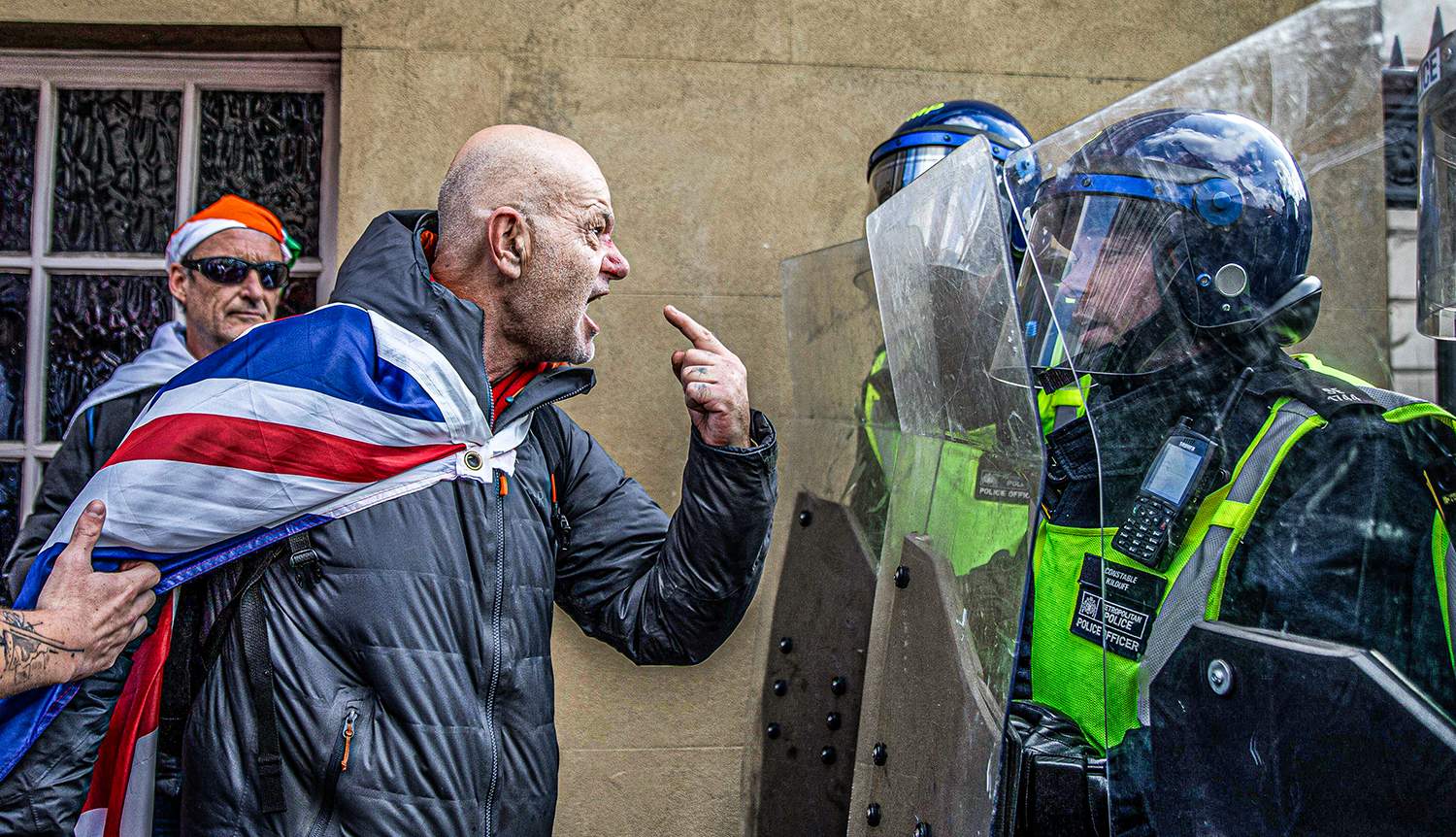
Read our Monthly Magazine
And support our mission to provide fearless stories about and outside the media system
We’ve been tracking culture war attitudes in the UK in a major series of studies with Ipsos since 2020 – and our latest survey shows a frightening increase in the sense of national division and decline in the UK.
Two-thirds of those surveyed think the UK is now divided by culture wars, up from just 46% five years ago. Half now say that we’re changing too fast and would like the country to be the way it used to be, both up from around a third in 2020. This comes together in 84% of Brits thinking the country is divided, the highest level we’ve ever measured.
These are big shifts in a short time, and they have accelerated markedly in the last couple of years. In our previous studies, perhaps the most surprising, and heartening, element was that we weren’t seeing increased tension, despite increasingly divisive politics, media and social media.
That’s now changed – but why?
First, the fact this is a recent change points to it not being only about the economic situation. We haven’t had great economic or living standards news for years, so it won’t account for the shift. Of course, economic realities and our own finances are definitely vitally important factors – where if people felt better off, there would be less cause for resentment and sense that it’s a zero-sum game, where others are taking your share.
But too much focus on these drivers echoes the Brexit debate, where the Remain side emphasised the economic case, which talked past a large proportion of the public who were more concerned about how the country was changing, with immigration levels at its heart.

The BBC’s Attempts to Appease the ‘Right-Wing Coup’ Against It Are Now Seeding Its Own Destruction
By attempting to appease those forces seeking to destroy them, the BBC has helped trigger a crisis that now threatens its very future, argues Adam Bienkov
The net migration figures did spike to extremely high levels in 2022 and 2023, so there has been a real change that coincides with increased concern: our study shows the highest sense of tension between immigrants and people born in the UK that we’ve measured.
But this does raise the question of whether this increasing sense of division is a bottom-up expression of genuine concern from the public, or whether it’s created or encouraged top-down, through increasingly extreme rhetoric in the media, social media and politics. This echoes a long debate among US academics on whether their culture wars were started and cemented from the bottom or the top – and the end conclusion is that it’s a bit of both.
So, rhetoric does seem to matter – and it’s very clear that it has become more extreme. Views that would have been moderated and taken down from social media platforms a year or two ago no longer are. There is increasingly solid academic evidence for what we can all see in our own experience of platforms and politics – that our information environment has become more extreme and divisive. And there is very solid evidence that exposure to those extreme views does shift individual attitudes and moves the social norm.
Within this overall increased sense of division, we’re also now seeing incredibly different perspectives across party lines and age groups. Three-quarters of Reform supporters say there is a “great deal” of tension between immigrants and people born in the UK, twice the level of Labour, Lib Dem and Green supporters. Six in ten young women say that transgender rights have gone as far as they should or have not gone far enough, while six in 10 older men say transgender rights have gone too far.
We now have a political structure that gives a clear home to views that were less clearly defined previously, with the rise of Reform a particularly vital shift. Again, the impact of Reform is not unlike our experience of the EU referendum, where the Brexit debate didn’t create the divisions that came to the fore – they’d been bubbling under for some time – but it did both reveal and then reinforce the divisions. It created “Leave” and “Remain” camps which gave a name and identity to the different sides. We now have something similar, with Reform giving a clear outlet and encouragement to the increasing cultural concerns among a significant proportion of the population.
ENJOYING THIS ARTICLE? HELP US TO PRODUCE MORE
Receive the monthly Byline Times newspaper and help to support fearless, independent journalism that breaks stories, shapes the agenda and holds power to account.
We’re not funded by a billionaire oligarch or an offshore hedge-fund. We rely on our readers to fund our journalism. If you like what we do, please subscribe.
We don’t have the two massive monolithic blocs of Republicans versus Democrats that they have in the US, so we have a less clear cut “culture war” of two political tribes who cannot see the other side’s perspective, leaving no room for compromise. But, for the first time, our more fragmented political structure has a very wide spectrum of views represented in significant vote shares, with the Greens increasingly representing the other end from Reform. For example, an incredible 88% of Reform supporters say they’d like the country to be the way it used to be, compared with just 20% of Green supporters.
So what can we do? The culture wars literature from the US is very thin on how to row this back – in fact, the clearest advice is don’t start a culture war, as they quickly become incredibly difficult to stop. They also suggest an appeal to the virtue of leaders in politics, media and social media to moderate the rhetoric. This seems forlorn, even laughable, in the current context – but it is also the case that there’s very limited evidence that extreme divisiveness is a hugely successful electoral strategy. There are lots of counter cases, where moderate, hopeful and less divisive appeals have worked. The key point is that no-one actually wins a culture war in the end, because they never fully end.
There is one final, very important point here. While the divisive shift in opinion is very real and worrying, it is still the case that the majority of the public are much more balanced and less exercised about these issues than the political, media and, particularly, social media discussion suggests. In our findings, it’s only ever around one in five who think there’s a great deal of tension or think we’re very divided. We need to take these shifts we see in this study seriously, but not trip into thinking all is lost or talking ourselves into a greater sense of division than we see in reality.