
 Subscriptions
Read our Monthly Magazine
And support our mission to provide fearless stories about and outside the media system
Days after Trump’s excruciating readout of his phased intentions towards ending the war in Gaza and achieving a broader lasting peace in the Middle East – the long-term picture is still far from clear.
Arab officials are convinced the ceasefire is not yet a peace deal – and may never become one.
It’s a negotiating process, fraught with pitfalls and seen by many as totally inadequate to the settling of the longest-running conflict in modern history.
Both Israel and Hamas, who have grudgingly signed the first phase of the initiative, have strong objections to many of Trump’s declared aims in the 20-point peace plan.
For one thing, Trump did not consult Palestinian President Mahmoud Abbas, whose PLO is the sole legitimate representative of the Palestinian people, on the plan.
Arab leaders who met Trump in New York recently had to negotiate on his behalf.
Another major issue: Netanyahu made it clear he will never allow the creation of a Palestinian state and will not allow his forces to withdraw to pre-October 7 positions.
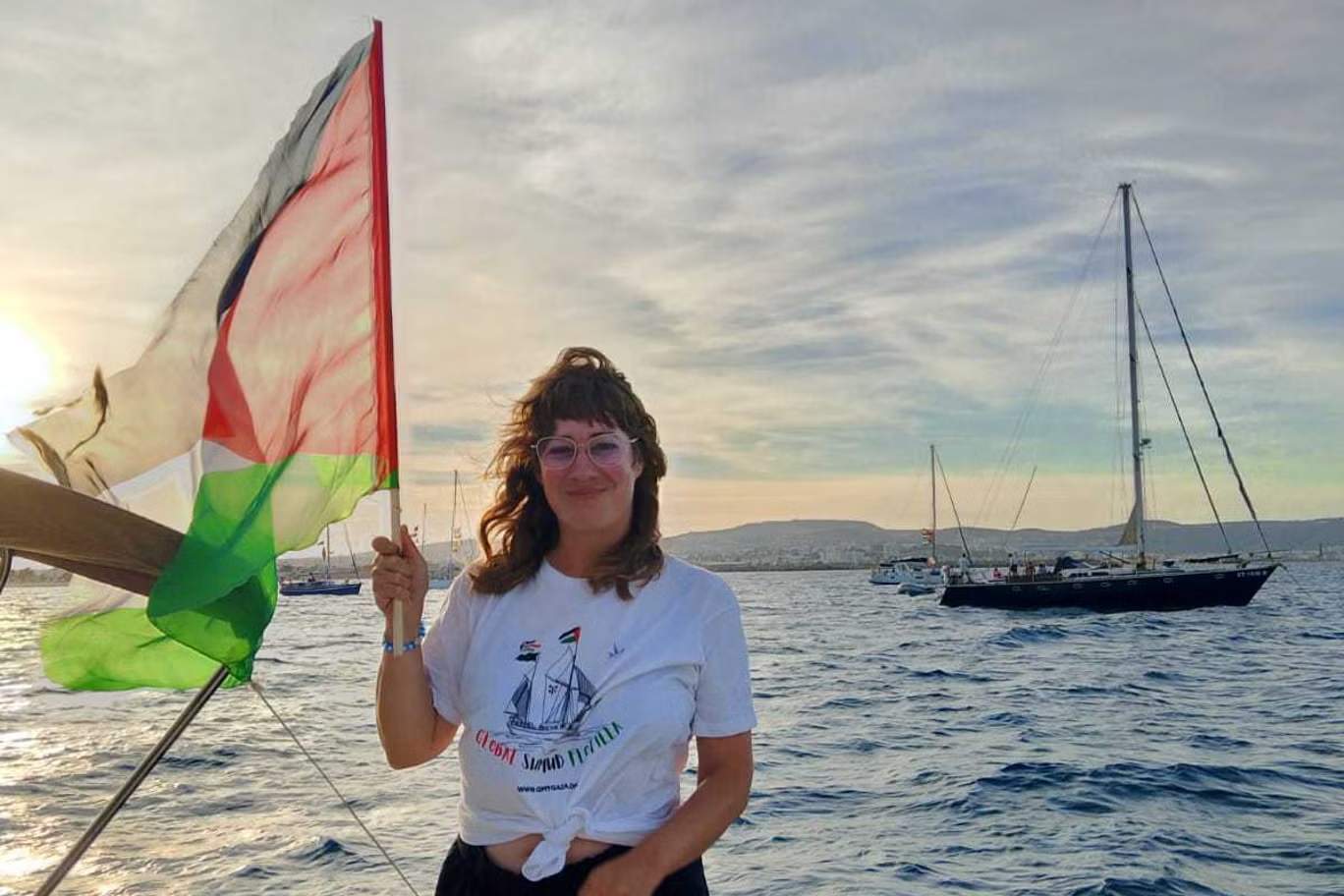
Family of Gaza Activist From Starmer’s Constituency Criticises Him for Not Helping Flotilla Detainees
“The fact that his constituents and people from the country he is prime minister of were being held in Israeli prison, you think he would have something to say about it”
He also ignored Trump’s instructions to stop bombing the Gaza Strip when the plan was unveiled.
The attacks continued, even when negotiators were putting the final touches to the first phase of the deal – Israeli withdrawal to agreed lines, the release of Israeli hostages and bodies in return for Palestinian prisoners.
For its part, Hamas, under intense pressure from Doha and Turkey, accepted the plan, but also let it be known it was deeply unhappy with the formula and needed further negotiation.
In short, this is a work in progress that could be derailed at any point.
In the long term, the plan aims to fully demilitarise Gaza and pave the way for the reconstruction and creation of a multi-billion-dollar riviera and eventual Palestinian self-governance under regional and US oversight.
But Arab countries are dismayed that there was only a token mention of Palestinian statehood, and no reference at all to Israel returning to its pre-1967 borders. They insist on a two-state solution while acknowledging in private that this will never happen.
“It will not look at all like the independent state we were promoting for years, living beside Israel”, says one senior Arab official privy to the talks.
In the best case, it will be a small state, most possibly confederated with nearby Jordan.
To his credit, Trump is probably the only leader who could bring the different factions even this far.
He wants the war to end. He wants to consolidate Israel’s battlefield gains and use them as a springboard toward a regional security and economic framework that permanently integrates Israel into the Middle East, widening the Abraham accords he launched in his first presidency.
He wants to save Israel from Netanyahu and his hardline policies in Gaza that have turned the world against the Jewish state.
Conservatives Accused of ‘Trumpian’ Tactics After Barring Second Byline Times Journalist From Conference
The National Union of Journalists described the bans as a threat to media freedom which “undermines the Conservative Party leader’s repeated pledge to fight for free speech”
But his trademark inconsistency, does not fill either side with confidence. Nor does the plan, which was written as one Arab official puts it, with “intentional constructive ambiguity”.
He has told Israel that he will not allow it to annex the West Bank.
But how long will that resolve last? And why did he not follow his predecessors, George Bush and Jimmy Carter, in ordering a settlement freeze and the removal of Jewish outposts?
“There is a total disconnect between the plan and what is going to happen on the ground,” one senior European diplomat told me.
It’s now clear that while Israel has been fighting in Gaza, it has also been changing the political realities elsewhere in the region. Last year, as the world was distracted by the daily conflict, it established a record-breaking 48 new settlements and forced the displacement of over 40,000 Palestinians, some of the 3.3 million currently living in the West Bank.
Over 700,000 Israeli settlers now live on illegal settlements in the West Bank. In 2024, a total of 6,100 acres were classified as Israeli land in the occupied territories compared to around 5,900 acres between 2000-2023.
ENJOYING THIS ARTICLE? HELP US TO PRODUCE MORE
Receive the monthly Byline Times newspaper and help to support fearless, independent journalism that breaks stories, shapes the agenda and holds power to account.
We’re not funded by a billionaire oligarch or an offshore hedge-fund. We rely on our readers to fund our journalism. If you like what we do, please subscribe.
America First, Palestine Last?
Meanwhile Trump has made clear that whatever he does, he will prioritise US interests.
So, what does that mean for the Palestinians. At what point might he lose interest in the quagmire of Palestinian factionalism and rivalry, that has blighted their cause for so many decades?
Arab leaders are pushing the Palestinian Authority to engage in serious reform including an end to corruption, and to run the West Bank and Gaza in a more democratic manner, but this could take a long time.
In the best of cases, the Gaza plan will develop, and Trump can initiate a long-term process leading to some form of Palestinian statehood.
This open-ended process could encourage powerhouse Saudi Arabia and other Muslim heavyweight countries to normalise ties with Israel.
Economic dividends will now be traded for peace, replacing the decades-old formula which traded land. That concept belongs to the past.
Never forget that to Trump this is first and foremost a business deal – hence the negotiators he chose were both real estate developers – son in law Jared Kushner, and his old friend Steve Witkoff. And business deals can quickly go sour.
Yes, there are fresh hopes for peace, but the odds of success are slim.