

Read Our Monthly Magazine
And support our mission to provide fearless stories about and outside the media system
“It still feels unsafe. The disproportionate scrutiny will continue… I’m worried that it’s not done yet.”
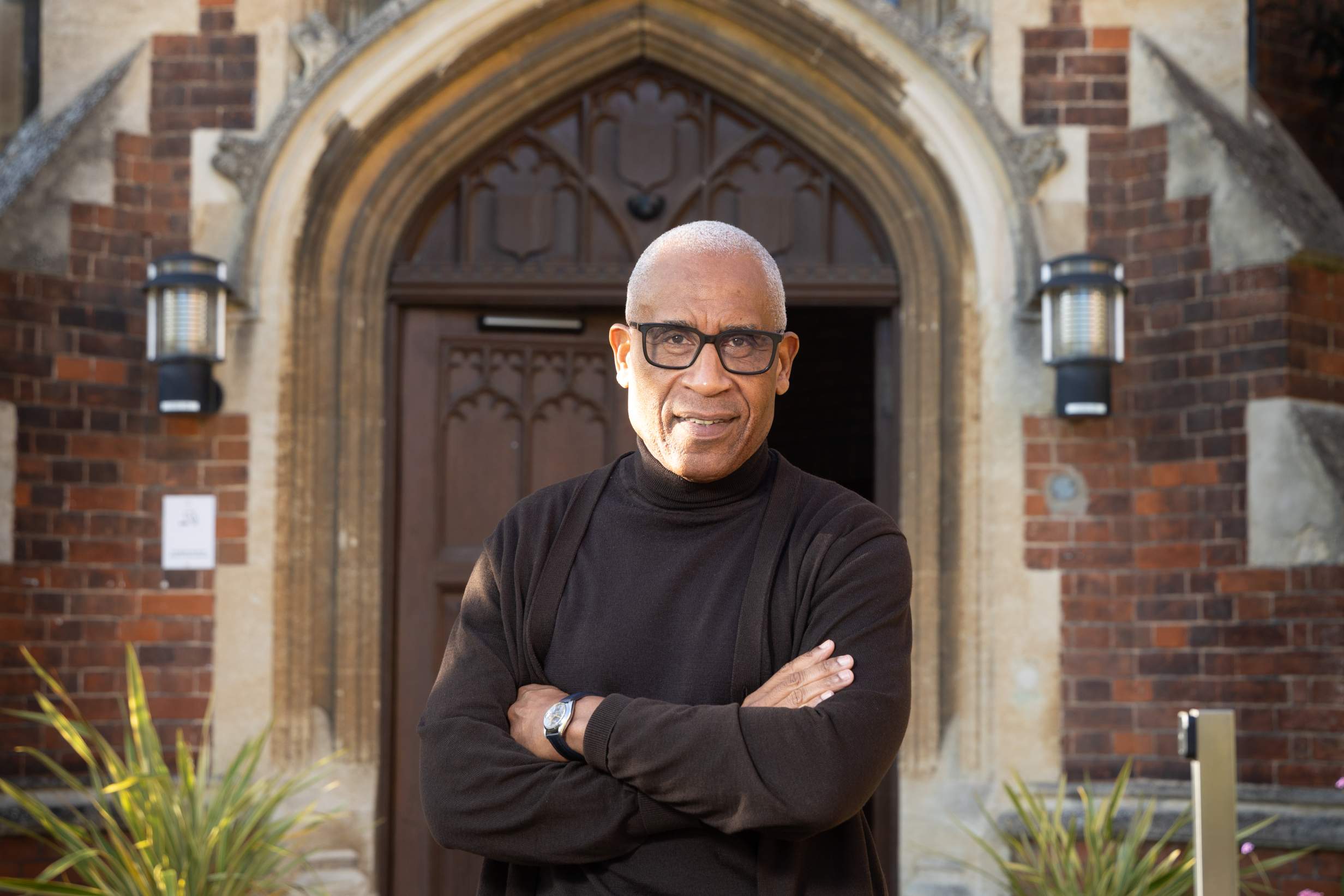
Lord Simon Woolley would not be surprised if more questions are raised about his ‘fitness’ to lead Cambridge University’s Homerton College, where he is marking five years as Principal. There have already been several in media articles.
The first black man to head an Oxbridge college, he found himself at the centre of a stark and shocking ‘culture war’ this summer surrounding the suicide of his friend and colleague, Cambridge’s former Professor of Sociology of Education, Jason Arday, himself the youngest black professor in the institution’s history.
Woolley was one of his most dedicated – and vocal – supporters. “It’s still difficult for me,” he said when asked about what happened to Arday as we sat across from each other at a large mahogany table in his office at Homerton at the end of October.
“The starting point is that it was a tragedy entirely avoidable.”
Following claims of serial plagiarism, first made by academics aligned with race science, and then a wider campaign of intense media scrutiny, Arday resigned from Cambridge on 5 August.
Characterised in the right-leaning established press as “the nutty professor” and “the gift that keeps on giving”, outlets on the left – including the Guardian – also contributed to speculative reporting amid the often dehumanising commentary.
Last month, Byline Times reported on the recent conclusion of another independent investigation by scientific publisher Taylor & Francis into one of Arday’s papers which The Times claimed showed evidence of plagiarism. A spokesperson said that, after considering the allegations raised by the newspaper, it had found “no grounds” for adding to a correction notice it had already made to the paper in 2024. The issuing of a correction had not been a finding of plagiarism.
While journalists argued – and continue to do so – that there was a public interest in reporting on the plagiarism allegations, the scrutiny did not stop even with Arday’s resignation from the role that placed him in the public spotlight.
Another of his Cambridge colleagues, Professor Simon Baron-Cohen, had already warned that “one in four autistic people have planned or attempted suicide” and “this is relentless bullying of a vulnerable autistic man and raises safeguarding issues. It’s time to stop”.
On 14 August, Jason Arday was found dead at his home in south London.
“It’s particularly personal because I nurtured the young man 15 years ago when he came to Operation Black Vote and said ‘I want to change the world’,” Woolley told me, referring to the organisation he co-founded in 1996 to empower black communities to have greater political representation.
“So we went on a journey and I watched him almost every step of the way become a brilliant man. In many ways, the challenge Oxbridge, and Cambridge in particular, has is about not accepting diversity and the roots to these roles with a good heart. And so some of us feel – and I know Jason did – that we would be happiest with zero margin for error, but if you have less than zero it’s: ‘you’re a problem, prove yourself – prove you’re not guilty’.
“It was heartbreaking to see the level of scrutiny, unjustified, and then the pile-on. There were some despicable articles – one of those that deeply saddened me was by Trevor Phillips, who likened Jason to a grifter, suggesting he learned that from slavery [Philips wrote in The Times that Arday exhibited “black grifter chic” in an article that was amended to remove the term following his death]. I desperately hope there’s learning from all quarters.”
Woolley believes the “fanfare” accompanying Arday’s appointment in 2023, and the nature of his death just three years later, raises questions about how progress is truly embedded by institutions that have the right intentions but then themselves fall into “traps”.
“All our institutions have to look at ourselves… [when it comes to] judging diversity on a different standard,” he said. “We have to pause, to reflect, and ask: are we setting people up to fail? Not because they’re not brilliant, but because they’ll be over-scrutinised to look for faults and, in some cases, to invent faults.
“There’s been a chilling effect with black academics and leaders. If there is a sustained, coordinated movement that seeks to undermine us and ‘get us’, it’s not good for us, but it’s not good for society either.”
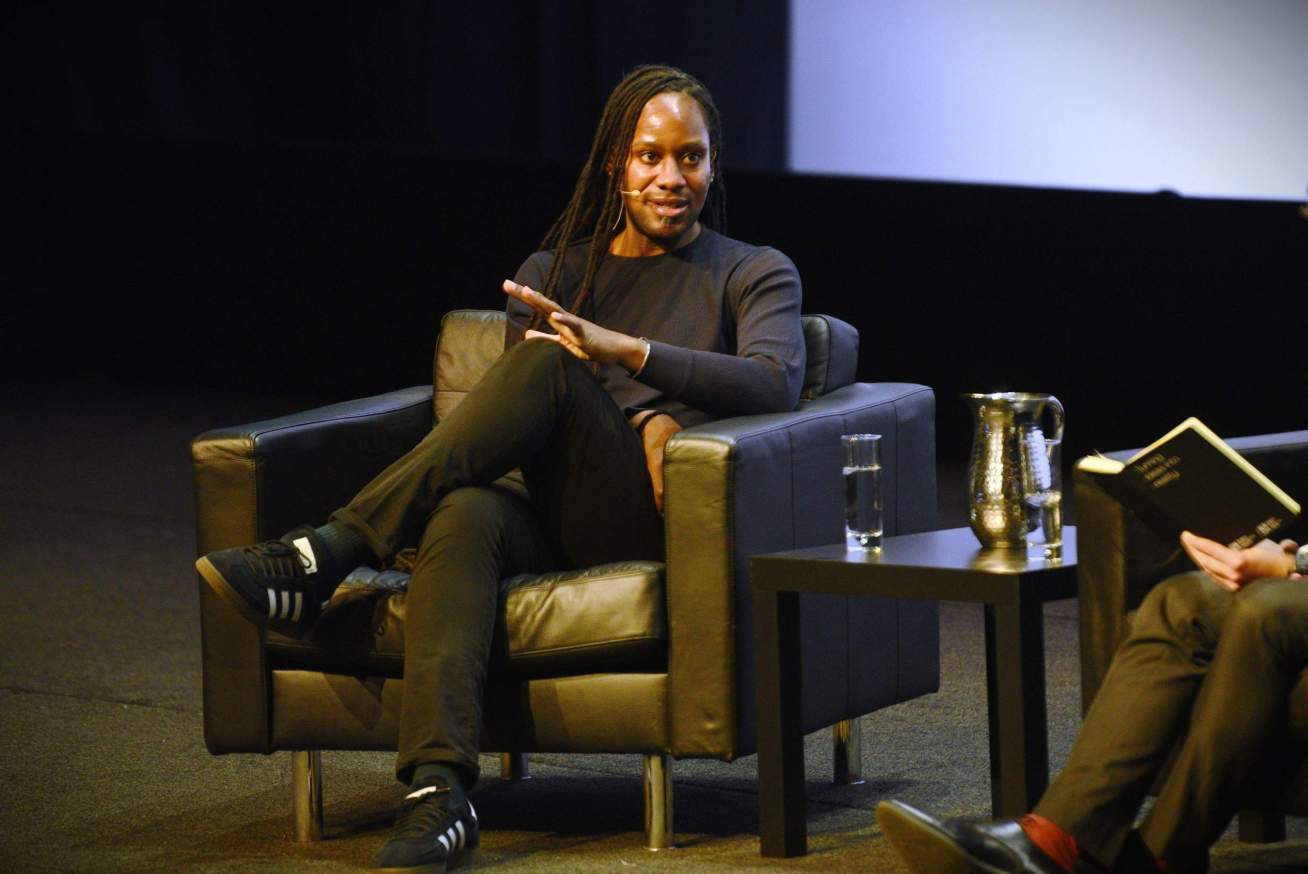
Conscious of his public profile, critics, and of systemic racism, Arday was someone who had chosen to live a deliberately low-key life: “Jason said to me, ‘I’m the most private person – I just love my work’. I’m a politician, as a scrutiniser of legislation, although my day job is here [Woolley sits as a crossbench peer in the House of Lords]. But Jason wasn’t a politician. He was just a kind academic who loved his job.
“In many ways, it wasn’t just about Jason, it was about people being unsettled with the brilliance of diversity and then looking for fault. Many of us have been subject to that. So there is a broader question across our academic institutions that overly-scrutinise us in the roles they asked us to come into because they wanted our acumen, talent, decency, and energy; and then, in the next breath, set traps and make allegations and accusations.”
While Cambridge initially said Arday was the “victim of a vile campaign to undermine his credibility”, it later announced an investigation into his academic qualifications. Two days before his death, on 12 August, Vice-Chancellor Professor Deborah Prentice called Arday a “damaging and difficult case” and said the university would investigate the “circumstances around his appointment” and time at Cambridge.
After his death, Woolley said that Arday had been the victim of a “lynching” and a “public assassination” by those who decided he “doesn’t deserve to be alive”. Adding to criticism of these remarks on social media by journalists and commentators, Andrew Gilligan described Woolley as “not fit” to lead a Cambridge college in the Spectator magazine.
Woolley stood by his comments, writing at the time that “we desperately tried to keep our friend Jason from harm – we failed. And then in his honour we sought to speak truth to power”.
How does he feel about the reaction to his words now?
“My language was commonly used metaphors that most people understood,” Woolley told me. “There were those who didn’t want to understand that public lynching was a metaphor for a sustained attack on an individual in a public space – that’s what it was. I’ve always known I’ve had to be careful with my language. I am not judged by the same standard.
“I didn’t mention race, unlike the Chancellor of Cambridge University – my good friend Lord Chris Smith – who said it was a ‘racist feeding frenzy’. He was more explicit. That gives you an illustration that we’re not judged by the same standard. I would not have the luxury to say that. My colleague did, I’m glad he did. No pushback. I used a well-known metaphor of public lynching and I’m slaughtered for ‘not being fit’ for this role. This is what we are subject to. This is why it is too often not safe [to speak out].”
READ: ‘There Will Be Another Jason Arday’
Woolley said he deliberately omitted the word “racist” from his comments because he knew using the term would “inflame” the situation. It is indicative of the ‘catch-22’ people of colour – particularly, perhaps, those in positions of power – often find themselves in: armed with the lived experience of discrimination because of their race, they are not taken at their word when raising the issue of racism – because of the accusation by others without this experience that ‘they would say something or someone is racist’.
For Woolley, it is as stark as: “We’re not valued the same. We can’t speak an undeniable truth. It has no validity. In fact, it’s weaponised.”
“Back when William Macpherson spoke about institutional racism in the police [following the inquiry into the racist murder of Stephen Lawrence in 1993], we knew there was institutional racism in the police long before he said it – but we couldn’t say it,” Woolley told me. “Or if we did, we weren’t believed.
“It took a white judge to call out institutional racism before it landed in society. And here we are, 27 years later, and we’re still having a similar discourse in which we have to wait for another white lord, this time Chris Smith, to call out what was patently obvious to many people: that it was a racist media frenzy.
“A black person such as myself could not call it out without being attacked, vilified, and invalidated… [without it being] twisted into ‘Simon Woolley said you’re all murderers’ – as though [those in the media and commentators] physically murdered Jason, which I clearly never said and I never meant.
“I did say Jason was hounded to his death: it’s just a matter of fact. Jason was neurodiverse, he wasn’t mentally ill. But the mental illness came from being shockingly hounded.”

‘The Fancy Car and the Big Home Is Not the Driver’
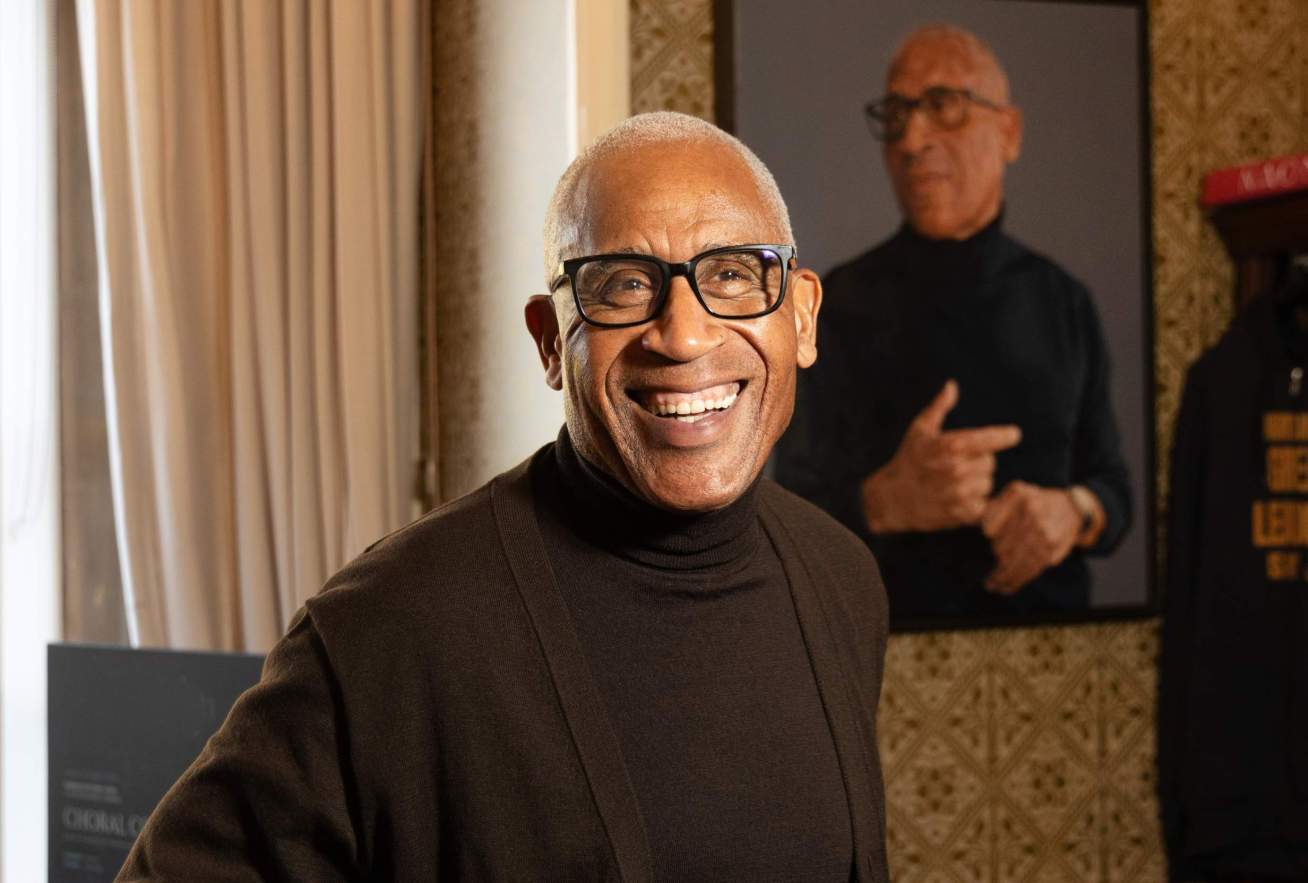
Lord Simon Woolley inhabits an office of colour and warmth in Homerton.
A prize-winning portrait of him hangs in one corner, looking exactly as he appeared on the day of our interview. African art sits adjacent to a bust of Nelson Mandela crafted by a Homerton graduate. Photographs celebrate college diversity events and capture Woolley being knighted by the late Queen in 2019 (for services to race equality). Overflowing bookcases stand opposite the iconic image of the 1968 Olympic-winning American sprinters Tommie Smith and John Carlos giving their historic black power salute.
The room is full of character: a word Woolley and I would return to at length.
Before we sat down, the Principal recalled how he recently took a student who walked into his office struggling with his mental health to play ping-pong – as the young man found it easier to open up over a game or two.
Far from exuding the demeanour of an activist, Woolley is softly spoken, open but sharp, quaint and professional. There is no title before his name on the door of this office, he told me, “because I felt I’m the first among equals here in an ecosystem in which everybody has value”.
Having been Homerton’s Principal since 2021, he describes his approach as “reimagining education” – what education consists of; and what it means to be educated at an elite institution such as Cambridge.
“A friend who worked for the Guardian said she felt coming to Cambridge was like she had a walk-on, walk-off part in a costume drama,” Woolley told me. “I think that’s how many people feel. It is difficult to belong, and to be present in a way we try to articulate here – that all this is bricks and mortar, important as it is, but it’s the students who bring it alive, who make it what it is. If it’s not curated well, it can alienate.
“Oxbridge, these institutions, in no small measure, have been built on, dare I say it, hierarchy. The pathway for many of these young men and women was they were told ‘you’re better than’ – I guess, in some cases, ‘you’re born to rule’ – and so [there has historically been an engrained sense of] ‘we’re entitled, we’re privileged, but that’s okay’.
“Clearly, coming from a council estate, without a privileged education – I left school with no ‘A’ Levels – I feel there’s more to education than just privilege and hierarchy. I want anyone to come here, from all walks of life, including the privileged young men and women, and the working-class men and women, and feel they can belong, because they are bright, yes, but also because they are potentially brilliant.”
Woolley was born in 1961 in Leicester to a nurse who had come to Britain as part of the Windrush Generation. He was sent to an orphanage aged two, and later adopted and raised by Phillis and Dan Fox. Leaving school at 16, he worked as an apprentice car mechanic, before moving to London and becoming a successful salesman. He later studied for degrees at Middlesex University and Queen Mary University of London.
It is this combination of life experience informed by – and necessitating – a social conscience, alongside academic education, which inspires what he describes as his “ambitious” programme at Homerton. He told me about a speech he gave recently at a law firm on his “hero” Martin Luther King Jr’s 1947 comments on “the purpose of education”.
“To save man from the morass of propaganda, in my opinion, is one of the chief aims of education… to teach one to think intensively and to think critically,” King wrote. “But education which stops with efficiency may prove the greatest menace to society. The most dangerous criminal may be the man gifted with reason, but with no morals… intelligence is not enough. Intelligence plus character – that is the goal of true education.”
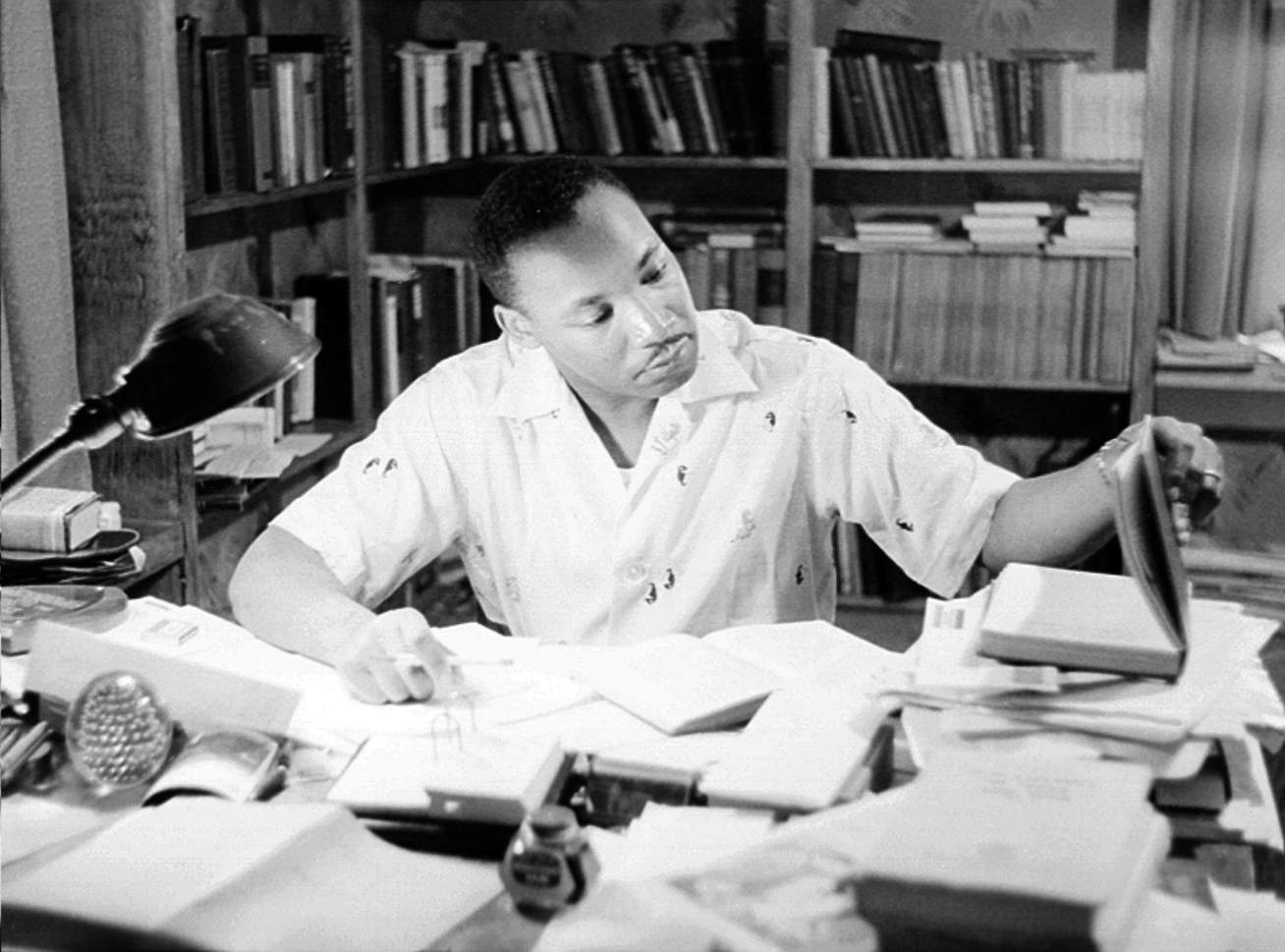
Woolley jokingly asked the event’s attendees: “I wonder who King was speaking about in the White House or within the tech bros? Because they have a lot of power, many of them are smart, but they don’t seem to be serving society.
“That premise – academic excellence plus character – is the bedrock of my tenure and what we’re trying to do at Homerton.”
According to Cambridge’s undergraduate admissions statistics for 2025, Homerton is among the leading colleges for ‘widening participation’. In absolute terms, it has admitted more students from disadvantaged backgrounds than any other college between 2023 and 2025: 113 from the most deprived areas, 77 from the areas with the lowest participation in higher education, and 77 from areas flagged as disadvantaged. It has also welcomed more students of black heritage than any other college during the same period.
Homerton credits this to “innovative outreach” initiatives. Woolley also believes he understands the feelings of young people from less privileged backgrounds who don’t feel ‘good enough’ for places like Cambridge.
“One of the reasons I left my job as a salesman at Rank Films back in the day was because I came to Cambridge,” Woolley recalled. “I saw people on the bikes, and bearing in mind I was a young man in my late 20s and I was a good salesman – I had two flats in London – yet, I came here and felt less than because I had left school at 16. I saw those people and thought ‘they are smarter than me’. I told my boss I wanted to do an ‘A’ Level, and he said ‘you’re a great salesman, you’re going to be a manager’. And I said: no, I wanted education. In the end, he asked me to choose, and I gave up my job and went to Epping College where I did an access course.
“Then I got to Middlesex and did a [Spanish and Politics] degree and, at the end of it, I came to the realisation I had got it wrong: I wasn’t less than. Because I’d been around people who had had access to the world’s greatest books and they weren’t necessarily kinder, better citizens, better human beings. When I came to Homerton five years ago, I thought about what the true essence of Oxbridge was, way back, which was actually about character-building rather than getting ready to fill your boots.”
For Woolley, this character-building involves Homerton’s students understanding “their full potential early doors” – so they can decide “what will make them happy and what might make them happy is seeing the effects they have on other people’s lives, particularly those less privileged. It doesn’t preclude them from having the fancy car and a big home – but the fancy car and the big home is not the driver”.
With its ‘Changemakers’ extracurricular programme, the college aims to put this wider approach to education into practice. Students explore their strengths and values; build skills and connections; and understand challenges such as climate change, growing inequality, and political instability. It includes informal seminars, mentoring, and speaker masterclasses.
“I’ve been astonished to meet with people in their latter years who’ve literally said to me, ‘I’d like to give money to the college because I’m not sure writing consultancy reports for my life has been meaningful’ – they’ve got to the latter years of their life and realised they’ve kind of sleepwalked into something that has detracted from maybe their true calling,” Woolley said.
It is easy for critics to paint a picture of Woolley – who ‘owns’ his identity, both in terms of race and class, even as he is clear that he is not confined by it – as ‘driving diversity’ at Homerton. But, he emphasised, what he is doing is not about diversity per se or to do with ‘being black’.
At this year’s matriculation dinner for the college’s new first-year intake, he met an undergraduate who told Woolley he had chosen Homerton because of him. “‘My brother had met you when you gave a talk at Eton College’,” Woolley recalled his words. “Here was this Etonian who had found his way to Homerton because of the values we adhere to. Yes, I love the council house kids, the state school kids, who beat a path to our door – but I want what we are doing here to be truly inclusive.”
Woolley wants this more holistic approach to allow students to “understand themselves and what makes them happy, their strengths, how they see the world, and how they can interact with that” – in the hope this will allow them “to make the calls that speak to them” and “think about the kaleidoscope of things they could do”.
“We are intentional about that juxtaposition: the idea that students can have a more societal view about using their privilege rather than gravitating – and I don’t mean this as a pejorative – towards getting the biggest salary,” he added.
It is also about cultural change and creating a college which is experienced as non-hierarchical. In his first week, Woolley told me, he shadowed the college’s cleaners, cooks, and gardeners: “If you want a culture which young men and women can learn from, you have to lead by example. And not embed the hierarchical ‘call me Lord Woolley and you’ll view me differently’ way of doing things.”
READ: Jason Arday and James Orr – The Two Professors and a ‘War on Ideas’
‘Institutions for the First Time had Pulled Back the Curtains’
“My son said to me after I got this role, ‘you only got the job because of Black Lives Matter’,” Woolley recalled.
He knows he garners public attention – both positive and negative – in large part because he is the first of his kind at Homerton: a black man who is not an academic, from an under-privileged background, who has also been knighted, and is a peer of the realm, leading an Oxbridge college.
Is it ever a burden? Woolley sees it as a privilege with real pressures.
“I’m very clear that, for many, it’s a symbol of hope,” he told me. “You can’t be what you can’t see. On a day-to-day, I’m not shackled by it because there’s great work to be done – and more than being black. My mother taught me to be the very best version of me and I hope that translates, most importantly, with students, but also in no small measure with our researchers and operational staff and those beyond.”
The murder of George Floyd in the United States by a white police officer in 2020 sparked a moment in which “institutions felt they had to open the doors more” because “when they looked at their senior staff, their boards – there were very few of colour, very few women of colour”.
“They pulled the curtains aside and, lo and behold, there was a deluge of talent that had always been there,” Woolley said.
This is why he told his son that he was both “right and wrong” in suggesting Woolley’s role at Homerton could be interpreted as a diversity-friendly ‘tickbox’ appointment at a time of a renewed social reckoning around racism. He was right, “because the institutions for the first time had pulled back the curtains and seen all the talent” and “the fact they dared to see us now was a moment in history”.
“But the talent like mine – and others, like Sharon White, Karen Blackett [who have achieved positions of prominence in business and academia outside of Cambridge] – we’d all had a 25-year backstory of often doing extraordinary stuff,” he added. “So you couldn’t have been [considered for leadership roles at that time], unless you had a backstory of doing; of achieving.”
It is these “roots” Woolley was referring to in also understanding Jason Arday’s rise.

“I remember Homerton saying to me, ‘you’ve helped transform the political landscape of Westminster with Operation Black Vote’,” Woolley recalled. “We started with four black, Asian, and minority MPs, and when I left, there were 64 and soon to be a brown Prime Minister [Rishi Sunak, who was not mentored by the organisation]. In no small measure, we played a significant part in that. Establishing the race disparity unit with Theresa May that would be for all communities, tackling inequities, is something we can all be proud of.
“So Homerton said, ‘can you help bring us into the 21st Century with your energy?’ And I thought: where do I sign?”
It is “100%” right that elite institutions held a mirror up to themselves, he believes. But Woolley is acutely aware that, for some of his critics, this is instead framed largely as being about a performative ‘wokeness’ – the term which in previous decades was labelled ‘political correctness’ – whereby institutions provide an apparently undeserved platform for diverse figures, who these critics perceive to have been elevated without the accepted credentials, so that these institutions can signal their efforts to progressively tackling structural inequality.
“In reality, not all institutions embraced this” opening up, Woolley said. Cambridge deserves credit for doing so, even as it has lessons to learn.
To those who question why he is there, Woolley is clear that he has brought a gravitas with him to Homerton, which the college was seeking, because his life and achievements are distinct from the trajectories of traditional Cambridge grandees.
“I’ve worked in many areas, with different shades of politics,” he told me. “I’ve had difficult conversations with the Royal Family. When I came here, within two months, the then future King visited. His people said they wanted to unveil a plaque and that, although he didn’t normally, he wanted to say something on it. So on the plaque – seen by all the students now – are the then future King’s words from 2020: ‘the diversity of our society is its greatest strength’.
“If you accept that it’s a strength, you need people from different backgrounds, different walks of life – and I felt somebody like myself could bring energy, could bring the future King, a former Prime Minister [Theresa May visited Homerton in 2022]. Some young people who may have thought ‘I don’t want to go to Oxbridge because it’s stuffy’, now are thinking they do want to go to Cambridge because of the environment we’re trying to create at Homerton.”
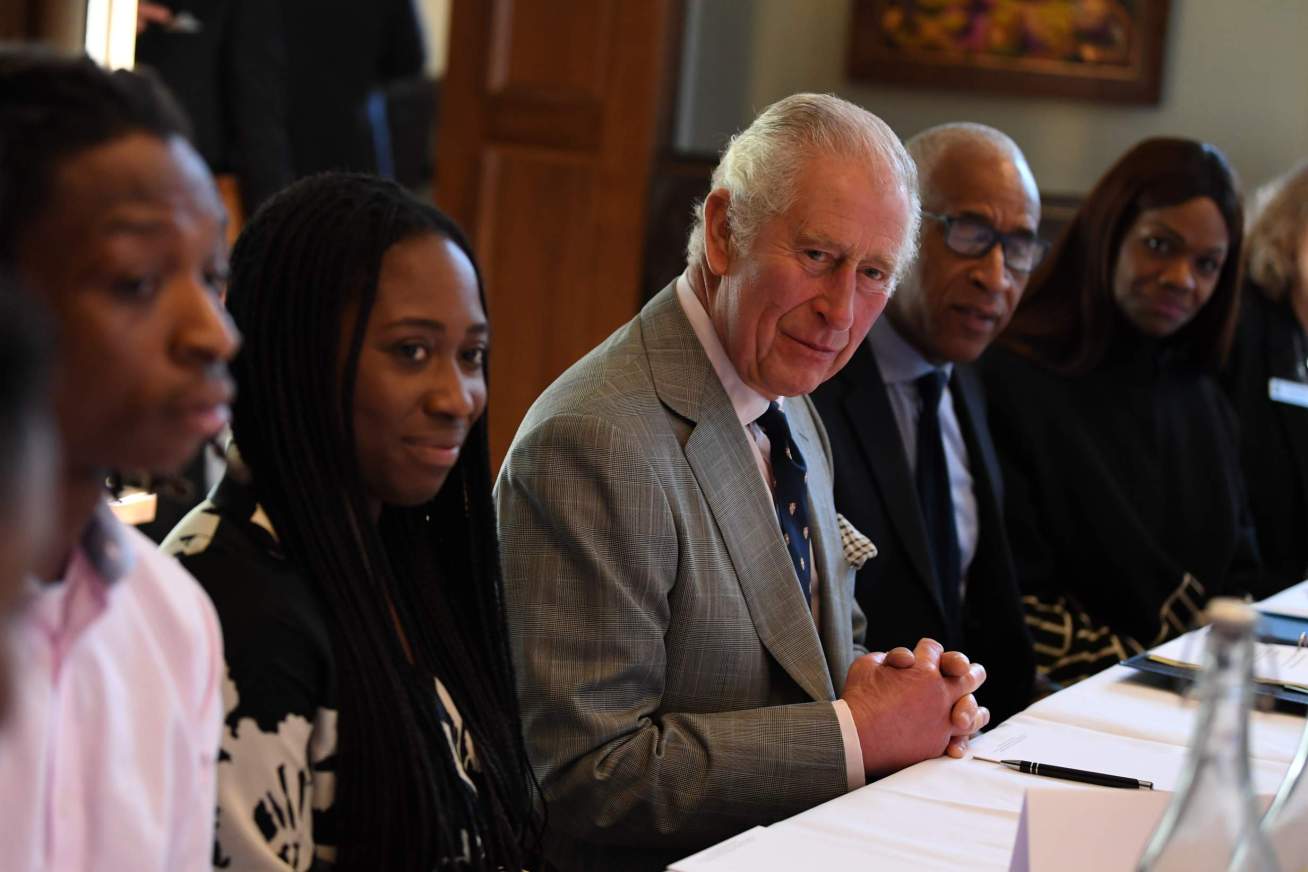
When asked why some are hostile to the idea of appointments such as his own, Woolley was blunt in his assessment: “I think people liked the status quo because it shielded privilege. For some, it’s uncomfortable because they’ve not wanted to say ‘I’m losing my privilege’ – and so they’ve said, ‘well, why are we doing this?’. It’s a way around saying ‘I feel like I’m a loser in this’. The tragedy is that, in that articulation, [it becomes:] ‘I’m losing and so I need to blame’.
“Actually, the world of academia is enhanced by greater diversity. Groupthink is not the best think, and having people that bring something fresh, a sensibility, a dynamic, helps those big decisions, people learn more, it gives greater understanding. That’s exactly what you want for the rigour and curiosity that is at its centrepiece, and because we’re training the leaders of tomorrow for a challenging world.”
‘There Has Been Turbulence’
Woolley is proud of his time at Homerton but open about what he describes as the “growing pains” the college has been experiencing.
“I guess what I didn’t expect [when I started] was that you’re not the CEO by any measure, and there is a parochialness at Cambridge, as an 817-year-old institution,” he said.
According to the college’s most recent annual report and financial statements, published last June, Homerton is running an operational deficit of £2.8 million (the figure was £1.1 million in 2024). At the same time, its total income increased to £21.1 million (compared to £19.3 million in 2024), mainly due to a gain on its pensions assets.
“All 31 colleges are independent and have their own ways of doing things, and this college is no different,” Woolley told me. “I’ve had to grapple with, alongside my senior team, growing pains for want of a better way of putting it. That has meant hard yards and difficult conversations about strengthening the infrastructure that will lead us from A to B and greater success.
“There has been turbulence, little storms in teacups – but if you zoom out, the college is in great shape. We have a good endowment but, like most Oxbridge colleges, we do need to strengthen professionally and institutionally [in terms of systems and processes], and financially.
“All of these colleges have challenges, and the only way to deal with these challenges is to be transparent and to look at things head-on, and we’ve done that and put things in place. I speak to the heads of other colleges, both in Cambridge and Oxford, and they say ‘we are all dealing with what you are dealing with, Simon’.
“Our governance and guidance and investment puts us in a good place – we don’t have to ask other colleges for money – but after COVID, like many colleges, we’ve had to recover a deficit.”
Woolley said he inherited a governance structure he is wanting to improve and is “going at pace to look under the bonnet and see what needs fixing and driving that through”. He added: “This is a college, with no disrespect to the past of Homerton, that not many people had heard of. It was almost a shy cousin. Now, it’s a bold member of the family.”
In light of the recent commentary in the media about Woolley’s ‘fitness’ for the role following Jason Arday’s death, in September, Homerton published a statement expressing its support of him.
“Lord Woolley’s appointment as Principal followed the college’s established governance and appointment processes, and he continues to serve with the confidence and support of the college’s leadership and governing body,” it said. “We recognise the personal toll… following the death of Professor Jason Arday, whom Lord Woolley supported in the midst of relentless media coverage. We are also aware that recent public discussion has placed both professional and personal pressures on Lord Woolley. As a college, we remain committed to supporting him in his role.”
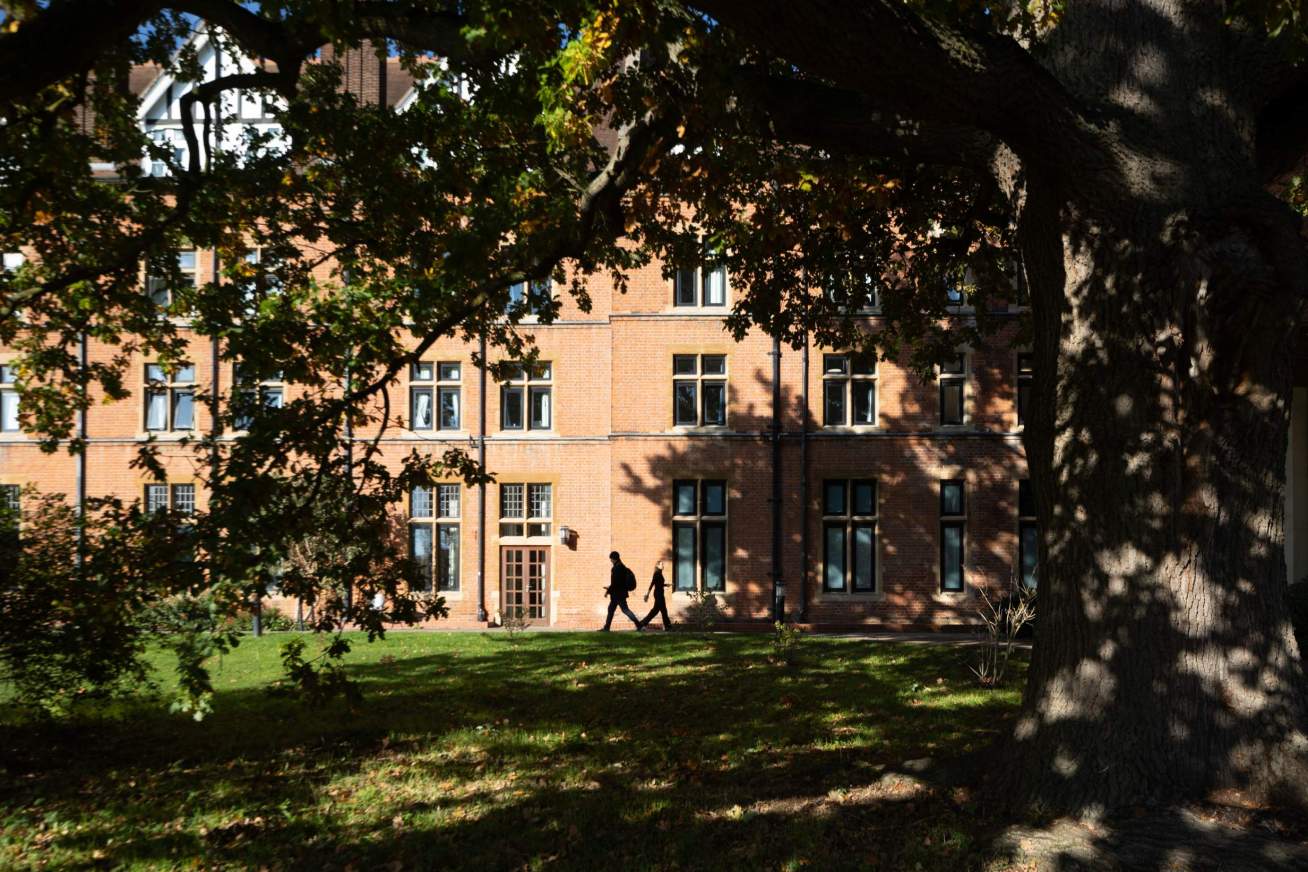
“It was meant,” Woolley told me, and was indicative of what he sees as overwhelming support for his leadership across Homerton. Yet, he is braced for more inaccurate, potentially racially-charged, and disproportionate media scrutiny around his competence and the college’s work.
“At times, it still feels unsafe,” he said. “The disproportionate scrutiny will continue. I hope not. Not just for me but for many academics and people in positions of power who feel it’s not always safe.
“If people know the full story about what we’re trying to do at Homerton, and how we’re doing it, then hopefully they’ll give us a fair shake… I’m worried that it’s not done yet. But being successful for the students and for the college in general is our best response.”
The first part of an inquiry launched by Cambridge University into Jason Arday’s death, led by former Chief Crown Prosecutor for North-West England, Nazir Afzal, is underway examining the support the academic was offered. Jason Beer KC has recently been announced as the chair of the second part of the inquiry, which will report on Cambridge’s “institutional policies, procedures, decision-making, and oversight” in relation to Arday’s recruitment, appointment, and time at Cambridge.
Woolley hopes some in the media will also reflect on the choices they make.
“There were publications I don’t want to name that we expected better off,” Woolley told me. “Others were the usual suspects. I hope particularly that those journals we have loved will have a reflection – and that even those who feed off this as meat and drink will ask themselves: is this really good for society? Will this really bring us together to be the strongest United Kingdom we can be? Because that’s what we’re dealing with right now.
“If we do have a divided society – black and brown against white, working-class of colour against working-class white – at each other’s throats… We’re better than that.”
Hardeep Matharu is the Editor in Chief of Byline Times