
 Subscriptions
Read our Monthly Magazine
And support our mission to provide fearless stories about and outside the media system
Christopher Harborne, the billionaire financier who has donated or pledged more than £61 million to Nigel Farage’s political parties, holds a substantial financial interest in a British defence company authorised in 2025 to undertake military-related exports involving Israel despite the Labour government’s partial arms suspension.
Documents obtained by Action on Armed Violence (AOAV) under the Freedom of Information Act reveal that QinetiQ received a military export licence on 2 December 2025 covering aerial target equipment, components for military training equipment, and military guidance and navigation equipment.
Harborne held 14% of QinetiQ’s voting rights as of August 2026.
The approval came 15 months after the British government suspended approximately 30 arms export licences to Israel, having concluded that some British military equipment might be used to commit or facilitate serious violations of international humanitarian law in Gaza.
Harborne’s direct financial benefit from the Israeli contract cannot be established. The documents do not show what revenue QinetiQ generated from the business deal.
Certainly the Reform UK donor has made vast sums from his investments in the arms company. An investigation by Byline Times in September 2026 found that Harborne’s investment in QinetiQ had generated an estimated £101.7 million in economic gains since 2022, comprising £59.2 million in unrealised share-price gains, £15 million in realised gains and £27.5 million in dividends.
Harborne held 72.55 million shares in Qinietiq through Klear Kite LLC, an investment vehicle under his control, according to an August 2026 regulatory disclosure.
His political donations are equally substantial. He has donated or pledged approximately £61.19 million to the Brexit Party and Reform UK, including a £36 million donation announced in September. A separate £5 million payment to Farage in 2024 was not included in that total.
There is no evidence that Harborne influenced the granting of the Israeli export licence, or that his political donations played any role in the Government’s decision.
ENJOYING THIS ARTICLE? HELP US TO PRODUCE MORE
Receive the monthly Byline Times newspaper and help to support fearless, independent journalism that breaks stories, shapes the agenda and holds power to account.
We’re not funded by a billionaire oligarch or an offshore hedge-fund. We rely on our readers to fund our journalism. If you like what we do, please subscribe.
Continuing British Military Exports to Israel
The QinetiQ authorisation was one of three military export licences involving Israel approved for major British defence companies during 2025.
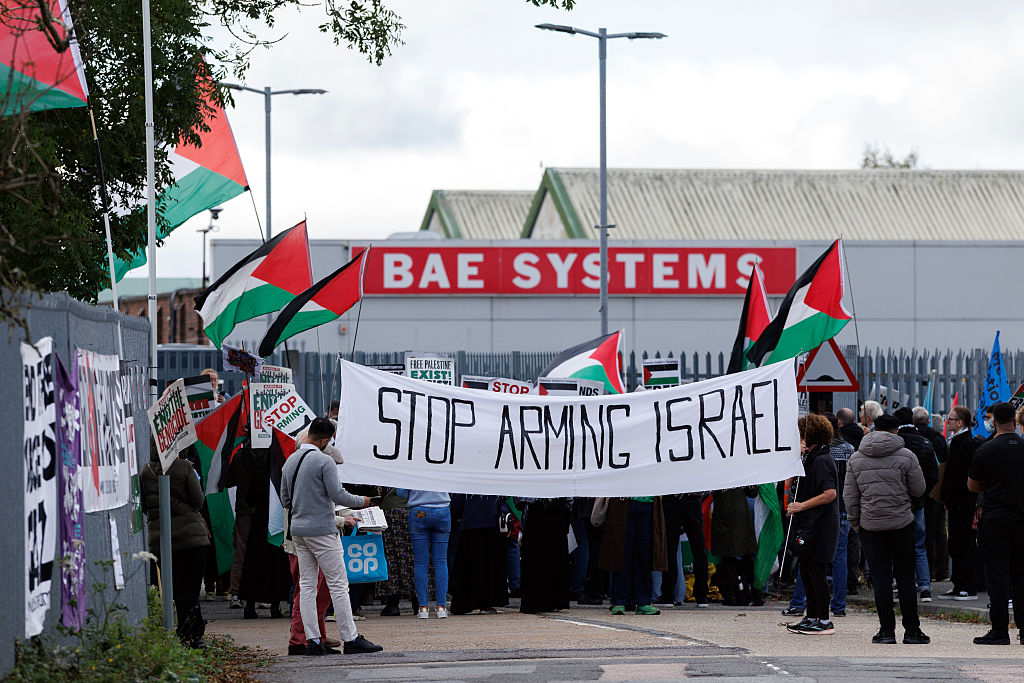
Two others went to BAE Systems. The first, approved on 6 February, covered technology for armoured plate and combat naval vessels. The second, approved on 17 November, concerned technology for military radars.
All three followed the September 2024 announcement by then Labour Foreign Secretary David Lammy that certain arms export licences to Israel would be suspended.
Lammy told Parliament that a government review had identified a clear risk that some British military exports might facilitate serious violations of international humanitarian law.
The suspension was not a comprehensive arms embargo. It concerned equipment assessed as potentially usable in military operations in Gaza. Other military exports could continue where officials concluded they fell outside those restrictions.
A UK Government spokesperson said: “We suspended export licences in September 2024 for items which might be used in military operations in Gaza, and have refused more than 50 licence applications since then on that basis.
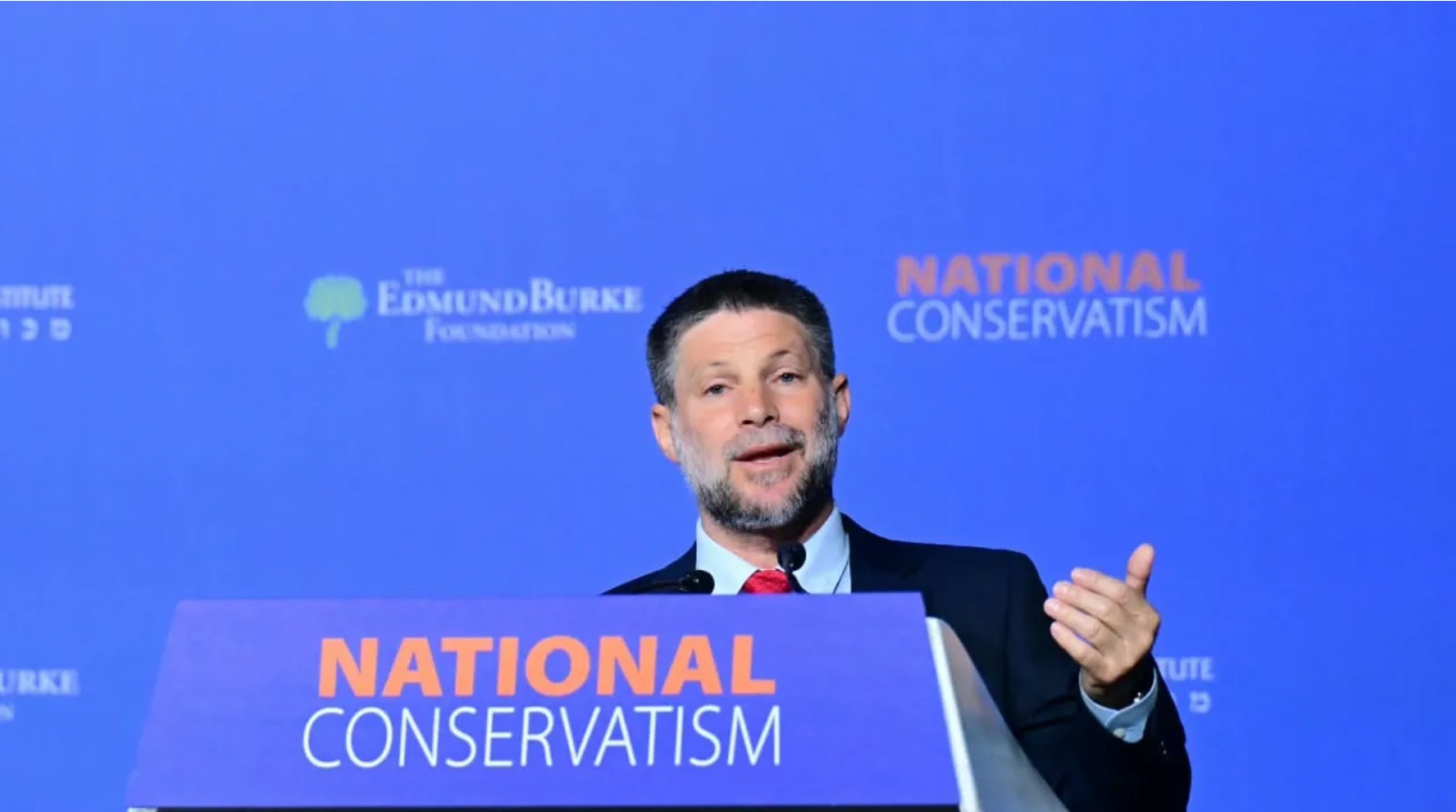
Reform UK’s James Orr’s Foundation Hosted Sanctioned Israeli Minister
The latest National Conservatism conference, held in Jerusalem, was co-sponsored by an Israeli NGO sanctioned by the EU and Canada
“We continue to licence exports where they meet our strict Strategic Export Licensing Criteria, including where the goods are ultimately intended for incorporation and re-export to third countries.”
Officials said military licences issued to the Government of Israel principally concerned the F-35 programme, training equipment or submarines, and were assessed as falling outside the suspension or subject to separate arrangements.
QinetiQ said it provides aerial targets and training services to more than 40 countries and that its international activities comply with British export-control legislation. Equipment used for aerial training in Israel remains QinetiQ property and is operated exclusively by its personnel.
The company described its aerial targets as training equipment rather than weapons, designed to strengthen air defences against incoming attacks.
At a recent policy discussion held at the UK Foreign Office and Department of Business and Trade, it was said that QinetiQ’s aerial-target activity could not be used in military operations in Gaza and would not materially contribute to the occupation of Palestinian territory.
QinetiQ maintains that its activities are lawful, and the UK Government insists its licensing decisions comply with export-control criteria.
But what is clear is that Britain’s partial arms suspension has not closed off all military-related business with Israel, including those by a defence company in which Reform UK’s largest donor has a substantial financial stake.