
Read Our Monthly Magazine
And support our mission to provide fearless stories about and outside the media system
“When government fears the people, there is liberty. When the people fear the government, there is tyranny.”*
[*Quotation often attributed to Thomas Jefferson, though academics query its provenance.]
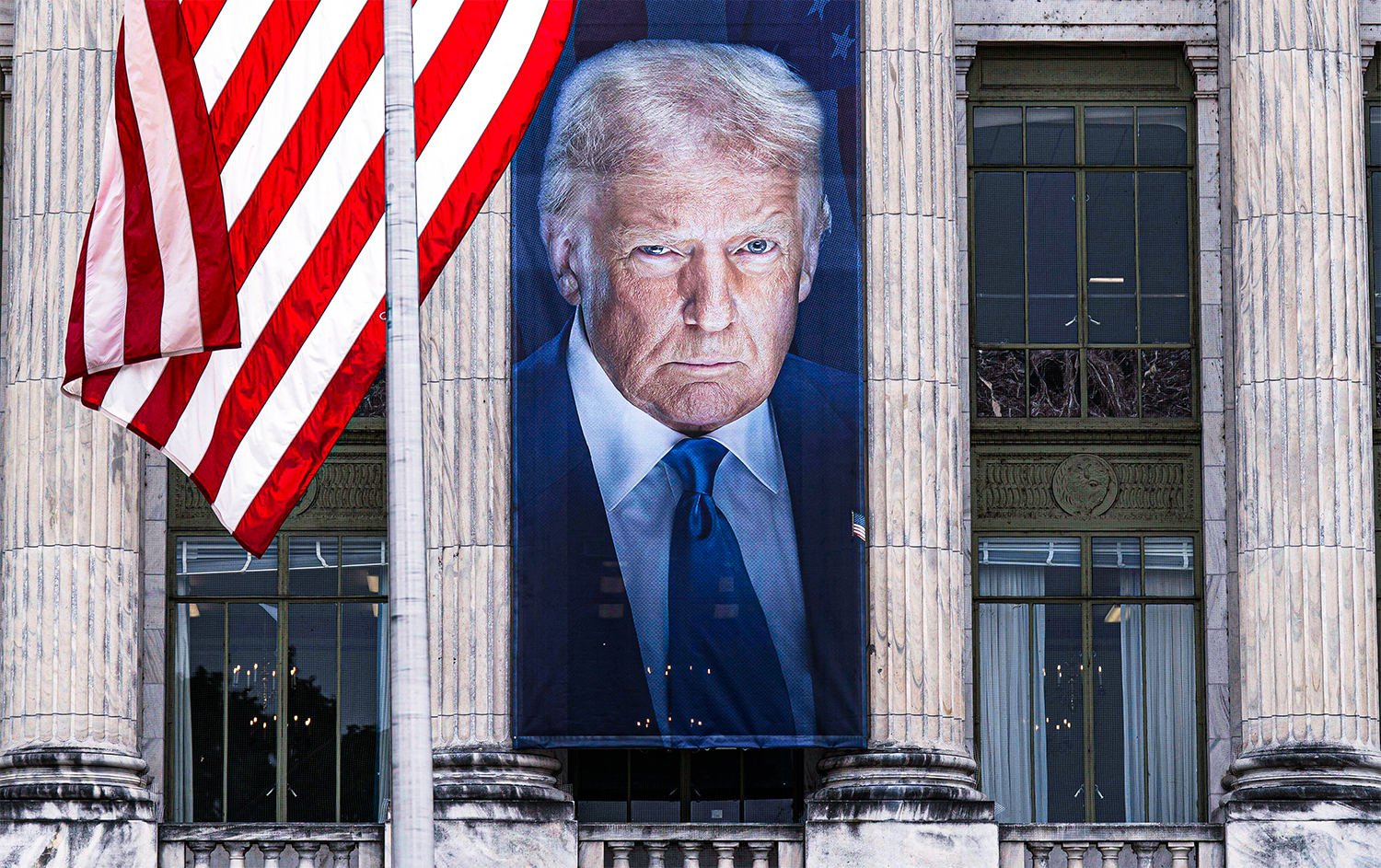
Amidst the madness of Trump’s second term, each week’s outrage obscures last week’s outrage. Some say this is a deliberate White House strategy, to keep critics off-balance, and struggling to come up with effective opposition strategies.
The constant chaos allows quieter outrages to go virtually unnoticed, including the numerous firings of government officials seen to have crossed the administration. In August alone this included the head of the Defence Intelligence Agency, Lt. Gen Kruse, who had produced an assessment that the US attacks on Iran had only set back Teheran’s nuclear programme by a few months, and the Commissioner of Labor Statistics, Erika McEntarfer, for failing to produce a sufficiently glowing report on job numbers. In June, Health Secretary Robert Kennedy Jr fired every member of the CDC Vaccine Advisory Panel.
This week, the administration put on administrative leave dozens of staff from the Federal Emergency Management Agency (FEMA) who had signed a letter to Congress criticizing the administration’s budget cuts to disaster preparedness.
Now the administration is attempting to fire Federal Reserve Governor, Lisa Cook, in a blatant effort to pressure the Board to reduce interest rates – setting up a major legal battle, likely to reach the Supreme Court, over the extent and limitations of executive power.

The Trump Administration’s Partisan Global Human Rights Report Will Have ‘Devastating Consequences’
The Trump administration’s attempts to downplay human rights abuses globally suggests they want to make it easier to violate them domestically, argues Alexandra Hall Hall
The constant drama also helps drown out unhelpful stories – such as the scandal surrounding the nature of Trump’s association with Jeffrey Epstein. This dominated the news through summer, until attention turned to his frenzied, but futile, efforts to bring the leaders of Russia and Ukraine together for peace talks.
Earlier events, such as Elon Musk’s catastrophic tenure at DOGE, the dismantling of USAID, or the “liberation day” announcement of tariffs on America’s trading partners, seem like distant memories, though their harmful effects remain to this day.
In the past two weeks, the top story has been Trump’s decision to deploy the National Guard in Washington DC, and establish federal control over the city’s police department, allegedly to restore law and order in the city. As of writing, over 2,000 armed national guard troops are now patrolling the city’s streets, bolstered by hundreds of federal agents.
On 25 August, Trump issued another executive order tasking the Secretary of Defence to create and train a special unit to enforce federal law in the city, and ensure the “availability of a standing national guard quick reaction force” available for deployment nationwide.
He has threatened to deploy similar units to other Democrat-led cities, such as New York, Chicago and Baltimore, though he has far less authority to do so in states run by Governors. He also conspicuously omitted major cities with similar levels of crime under Republican control.
Earlier this week I visited two parts of the city where there has been a major increase in federal presence, to get the reaction from local residents. Their accounts were deeply disturbing.
In Mount Pleasant, one of Washington’s most diverse neighbourhoods, with a historically large Hispanic population, residents told me that the entire community was agitated and uneasy. Plain-clothed, masked ICE agents had been seen in several locations, including outside a food distribution site run by a local church, and outside schools. A parent at the local school told me that volunteers had formed safety patrols to escort young kids to and from school, to try to reassure them, and protect their parents from being detained.
Parents and staff clustered in corners, whispering, and devising strategies to protect each other. Hispanic kids would no longer go out on playdates. One of her friends, an attorney, was having to visit her clients in their houses, and spend much of her time drawing up Power of Attorney documents, in case any parent in the home was detained.
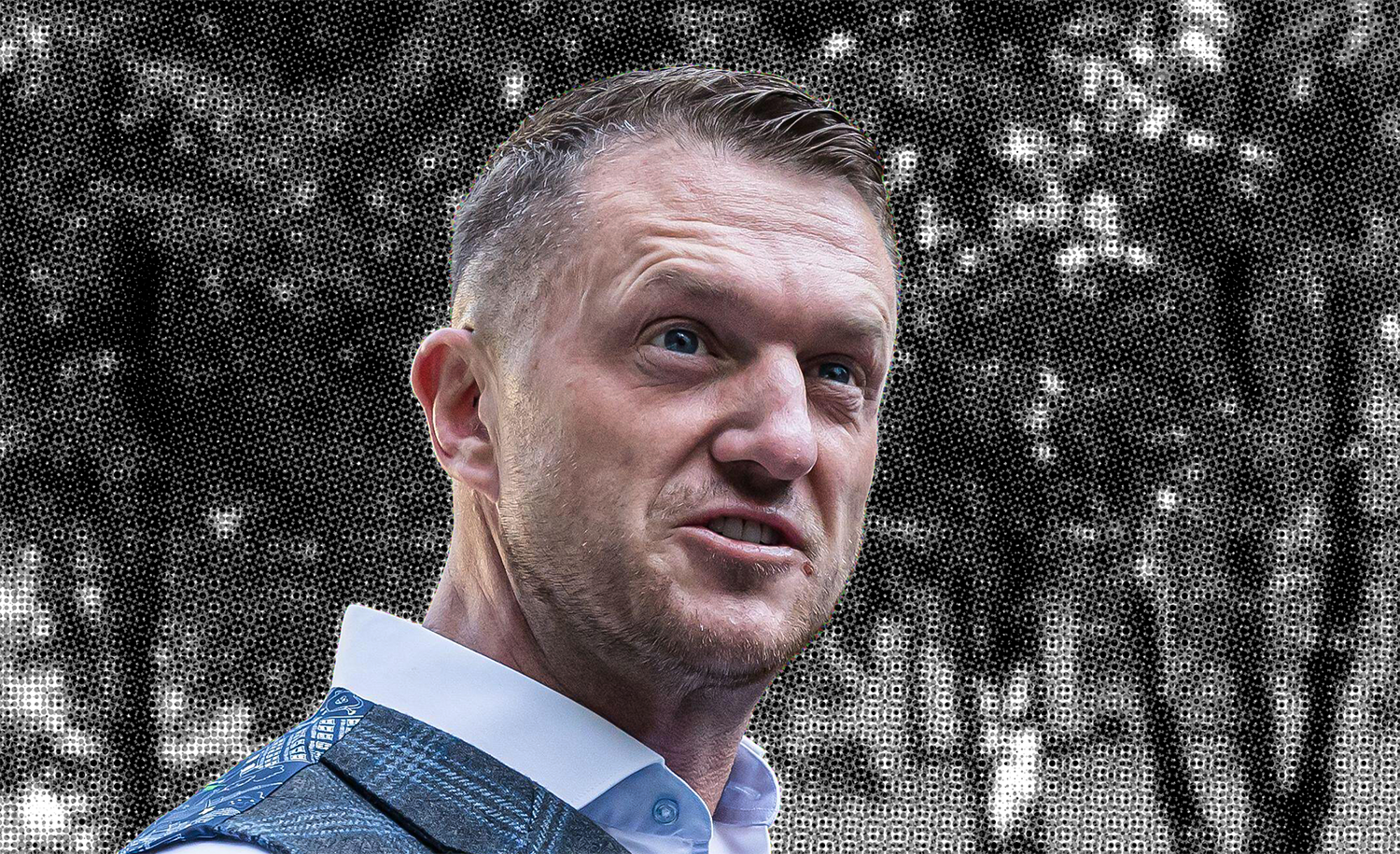
Where Is the Political Leadership Against This Violent Far-Right Movement Terrorising Britain?
The silence of senior mainstream politicians and media organisations against the rise of a new well-organised far-right movement on Britain’s streets is a disgrace, argues Adam Bienkov
Other residents told me of ugly clashes with ICE agents trying to seize suspected immigrants off the streets, or tear down posters criticizing the Trump administration’s policies. The manager of a day care center told me she was too scared to let her staff go outside. Another resident told me that day laborers who used to gather looking for work near his house had completely disappeared.
I heard similar stories from a resident near Capitol Hill, a gentrifying district behind Congress, in a historically African-American neighbourhood. ICE agents and Metropolitan police units had been showing up in greater numbers outside schools in order to try to nab teachers with undocumented status. As in Mt Pleasant, local volunteers had created safety patrols in response. Her son’s local nursery had had to send out guidance to all staff and parents before the first day back at school to notify them of their rights, should ICE agents attempt to enter their property, or detain any individual. On some days, the staff were too scared even to take the kids to the playground, because police and ICE agents were lying in wait for them there.
Even citizens with genuine IDs were being taken into custody and told their identification was fake. Federal agents were also harassing homeless people and young black men. In one recent incident, day laborers had been seized outside a local Home Depot (a major DIY store), including the father of a ten-week old baby.
In her cover note to parents, the owner of the nursery wrote “As a lifelong Washingtonian, citizen and mother of young Black men, I don’t feel that our city is safe for my teens. None of us who are of color feel safe and wanted in our city.”
The resident said relations with the local police had become severely frayed. Tensions had skyrocketed within the community. It was like living in an authoritarian country. She felt “scared and intimidated” all the time. She was so overwhelmed by what was happening in her immediate neighbourhood, and to her family (she has a professional background in human rights and democracy, and was struggl