
‘Funnily Enough, What Matters to People is Other People’
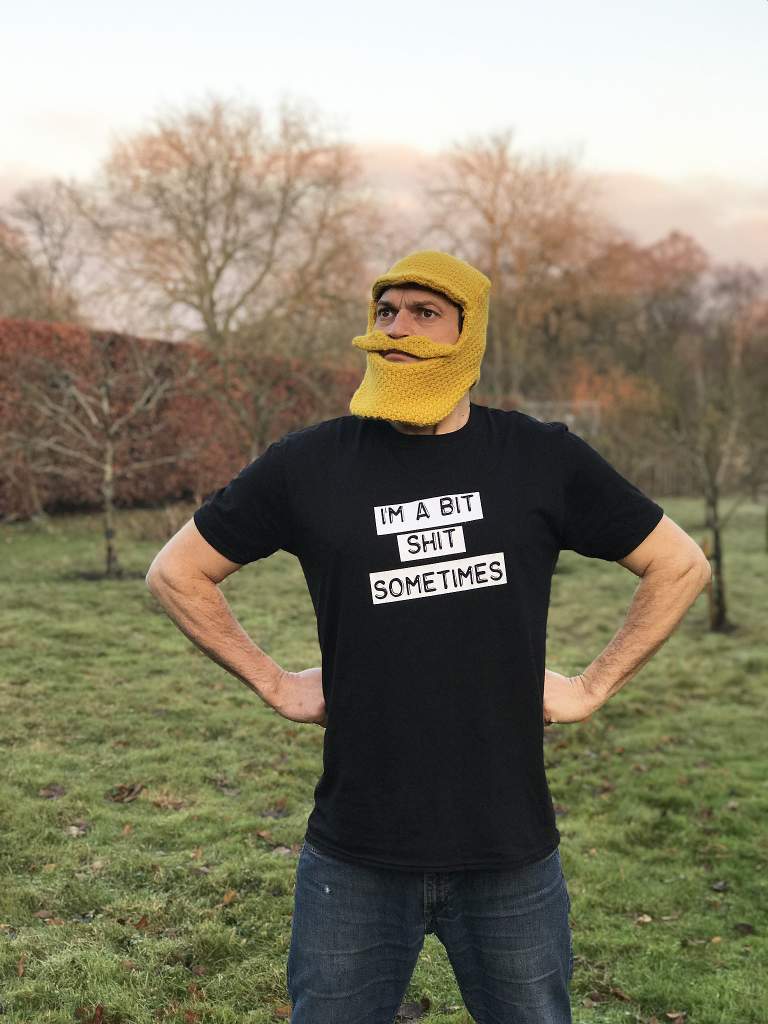
Photo: Camerados
Hardeep Matharu speaks to Maff Potts, founder of Camerados, an organisation working to combat isolation by bringing ‘public living rooms’ to community spaces and getting strangers talking
HM: How did you personally come to be involved in wanting to tackle loneliness, and what led to the creation of Camerados?
MP: I came to this idea, not as someone who had examined the data or done academic research, but purely and completely as a practitioner working in social justice for 20 years.
I ran projects for people who are homeless, women fleeing domestic violence, those with addictions and mental health problems – including at one of the biggest homeless providers in the country, the Salvation Army – and I just saw what worked and didn’t work.
The fact is that housing didn’t change things for people. Contrary to what big organisations in the sector say, housing is not the answer. It’s useful, but it’s not the answer. I’ve rehoused thousands of people over the years and, within three months, most of them ended up back with me – and that’s because, funnily enough, what matters to people is other people. Talking and listening to people when their toes are over the edge of the cliff of life. And that shouldn’t be rocket science. ‘All you need is love’. I mean, we have been told this. It’s completely bloody obvious that it’s people who matter to people.
The other thing is about purpose. I would resettle someone in a flat, tick. My commissioner would be very happy, tick. I’d get the person a shelf-stacking job in Asda, tick. But I hadn’t actually ignited a purpose in them: they didn’t want to be a shelf-stacker in Asda. We never talked to people about the meaning of life, friends, or purpose. I never once in 20 years asked anyone leaving my hostel: have you got any friends and do you know your sense of purpose? It was just: have you got the house?
So I came from a completely practical [viewpoint of] what turns people’s lives around? I got sick of not doing it for 20 years and watching lives fail. And so I set up Camerados.
It’s striking – because it is so obvious – that you say human connection and love are the answer on such a fundamental level and yet we don’t hear much about that when we read the newspapers, absorb what’s swirling around us in the media, or listen to our politicians. We’re hardly ever hearing about anything very human, let alone love …
It’s really interesting that a lot of charities I worked at were completely embarrassed about talking about it. I remember being quite challenged by that at the Salvation Army because it’s a faith-based organisation – I kind of thought it would be into it, not embarrassed by it. But people don’t want to talk about it, and it just amazes me. How can human connections be radical? It’s been done for centuries, mostly by indigenous people. Western society has forgotten about it.