
 Subscriptions
The Upside Down – Old Nick’s Game
John Mitchinson considers whether the
Devil still has some lessons to teach us
Perhaps it’s the times we’re living through, but I’ve been thinking a lot about the Devil of late. I’ve always been intrigued by the number of times the Devil appears in English place names: once you start to notice, Old Nick appears everywhere.
There are Devil’s chimneys, elbows, dykes, ditches, causeways, punch bowls, arrows, quoits, chairs, holes, bridges, pavements, leaps and even pulpits and churchyards.
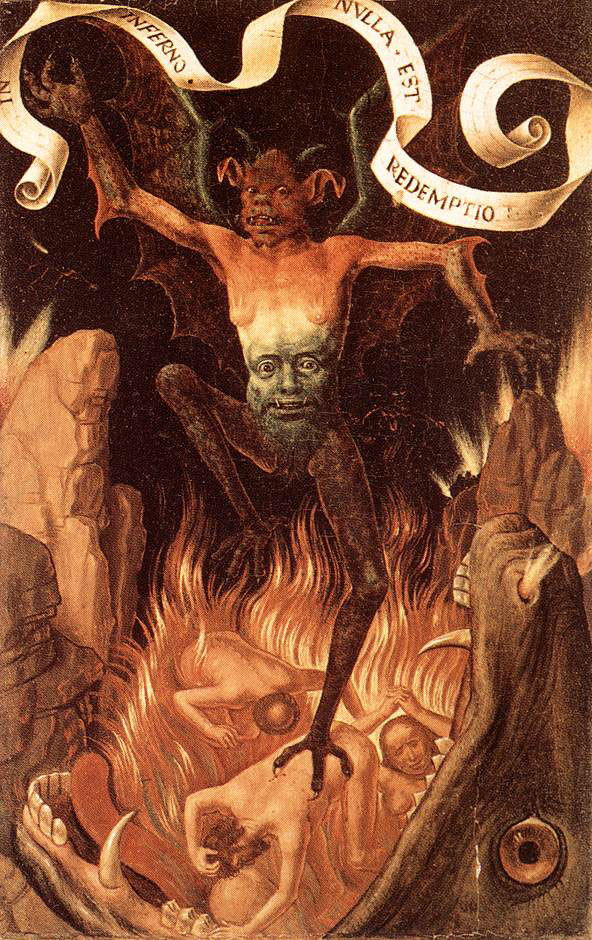
Being me, I looked for a book on the subject and it turns out there is an excellent one: Cloven Country – The Devil and the English Landscape by Jeremy Harte. Harte makes the point that the stories that tend to cling to these names are often not much older than the 18th Century and tend to portray the Prince of Darkness as a trickster who is easily outwitted by the ordinary person. This is closer to the Satan of the medieval mystery plays, in which he is often deployed for comic effect, rather than the conflicted fallen angel of Paradise Lost, or the horned and cloven-hooved priapic demon of Catholic imagination.
The idea of evil immanent in a landscape, or of evil concentrated into a single person or being, are probably universal human tropes. The fact that the English landscape’s adoption of diabolic names feels more quaint than unnerving tells us more about the way stories are transmitted than anything profound or disappointing about our culture.