
Read Our Monthly Magazine
And support our mission to provide fearless stories about and outside the media system
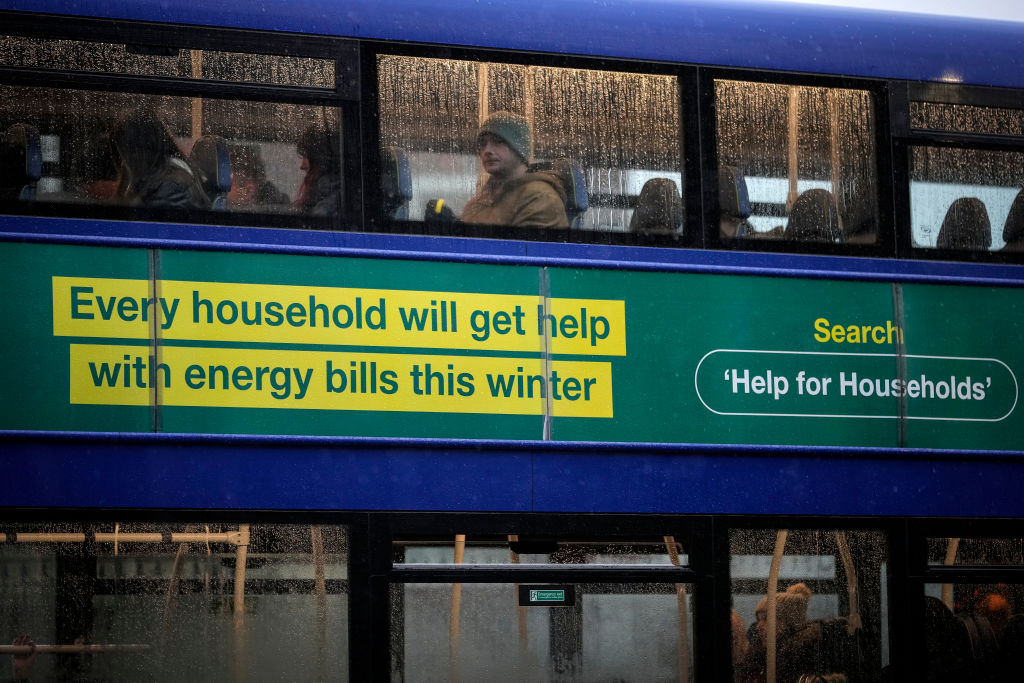
Andy Burnham’s Government is creating a mechanism that could allow “progressive” billing for household energy bills – where the wealthier pay more to slash bills for those less well off – Byline Times can reveal.
On Wednesday the Government introduced its Energy Independence Bill, a new package of measures to overhaul the energy market in Britain.
Byline Times analysis of Part 4 of the bill shows it sets up a framework for the Government to create new support schemes for households.
Currently, the main powers behind targeted schemes are tied to the legal definition of fuel poverty, while broader crisis powers in the Energy Prices Act 2022 are time-limited and can only be extended six months at a time.
However, under the new bill, ministers could more easily create new energy tariff structures to pass “a greater proportion” of a scheme’s costs to certain customers. It raises the prospect of new levies for middle- or high-earning households to cut bills for others.
ENJOYING THIS ARTICLE? HELP US TO PRODUCE MORE
Receive the monthly Byline Times newspaper and help to support fearless, independent journalism that breaks stories, shapes the agenda and holds power to account.
We’re not funded by a billionaire oligarch or an offshore hedge-fund. We rely on our readers to fund our journalism. If you like what we do, please subscribe.
The impact assessment for the policy says that, if funded through bills, costs under the new framework would “fall principally on those most able to pay”. No figures are provided, but the implication is clear that wealthier customers could pay for lower bills for poorer customers.
The document shows the Government does expect bill-funded schemes to shift costs from lower-income to higher-income households. Any plans would seem to be at very early stages, as the impact assessment says its options are “purely illustrative and do not indicate any government preferences”, funding is undecided, and the Government does not expect the prerequisites to be in place “until around winter 2028/29 at the earliest, though this timeframe is uncertain”.
The aim is “to make the energy system more progressive”. “Progressivity” – i.e. the wealthier pay proportionately more – “is a key principle” for any targeted scheme.
Greater use of data matching could “potentially” identify “households most able to fund the scheme”, the impact assessment states, without saying which data. This could include linking household income with council tax bands.
Another option is for a so-called ‘rising block tariff’. This would vary energy cost by usage – so a minimum baseline of energy use could be “free or low cost (the New Economics Foundation’s proposal) or cheaper (the impact assessment’s example)”, paid for by making subsequent ‘blocks’ of a household’s energy use more expensive.
The impact assessment notes that while a scheme could “reward consumers who make responsible energy choices”, public support could fall among those not eligible if it were funded through bills (rather than by the Government or levies on energy firms).
Don’t miss a story
The flipside of rewarding “responsible” energy users is that those who need to use the most energy – e.g. those in old, large, or draughty homes – would face higher costs, not just in terms of their overall bill but the unit rates they pay for their energy. Ofgem’s current cap averages 26.32p per kWh for electricity and 7.97p for gas, though it is forecast to rise significantly in the new year. The Government’s impact assessment says additional support “could” be needed for high users with unavoidable needs.
Once the bill passes, new regulations (statutory instruments) would be made by ministers to implement new energy bill support schemes. By default, these would use Parliament’s ‘negative procedure’, meaning they could take effect without a debate or vote, though the Government may choose to give MPs more of a say.
Our analysis suggests ministers could effectively design a progressive charge on bills this way to deal with future energy shocks.
Campaigners’ Response
Simon Francis, coordinator of the End Fuel Poverty Coalition, told Byline Times: “This is very significant and helps to remove a concern we had about the current sunset rules which currently exist [meaning powers must be extended every six months] and limit the powers of the Secretary of State to intervene to help households.”
Campaigners have long called for a social tariff, typically a discount for low-income households. Francis says the legislation provides “the mechanism for establishing a social tariff – so this is definitely welcome.”
“Our concern is less that a social tariff could be created through this process, but presumably it could also be easily withdrawn without a debate. Obviously, we would expect to see consultation and engagement with a wide range of frontline consumer groups and proper data analysis to understand who would benefit (and if anyone would lose out) under any future scheme.
“It’s disappointing that the first option for funding is household bills, but [the documents] do go through other funding options including levies on network firms or other parts of the energy industry which is encouraging to see.”
From Coal Tip to Clean Energy The UK Projects Turning Former Mines Into Renewable Powerhouses
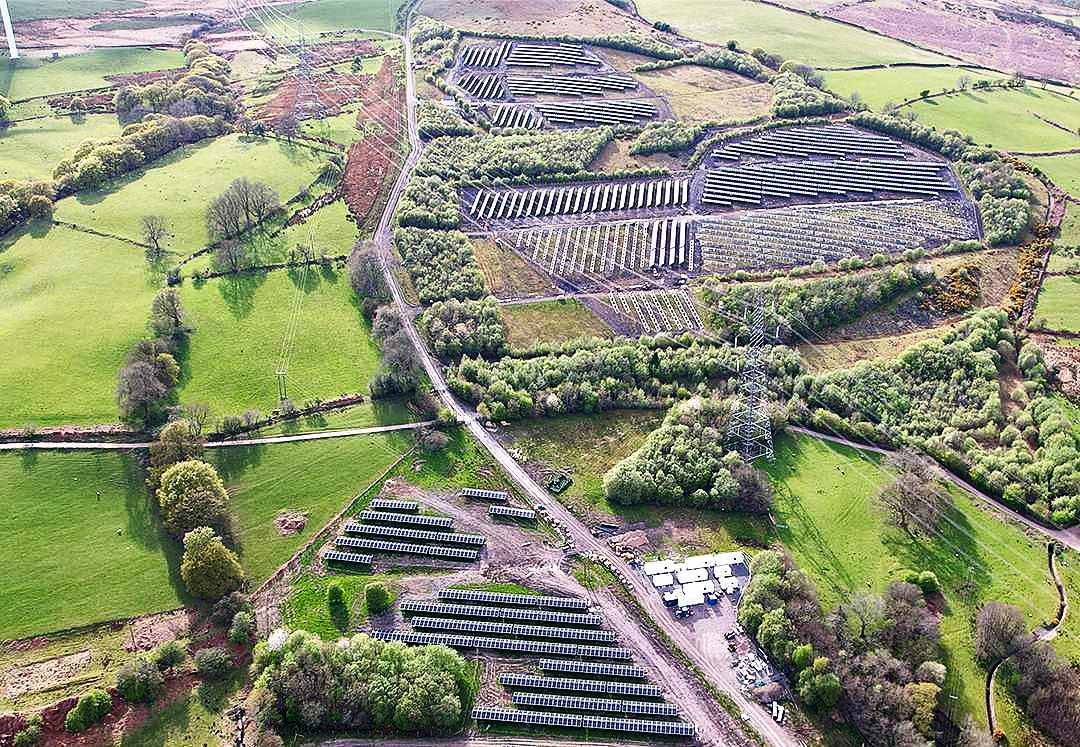
It was announced this month that the construction of a mega-solar project with a cumulative capacity of 2.1GW had been completed on the site of former coal mines – providing enough energy to power approximately 1.5 million homes.
Elsewhere in the Bill
Despite much fanfare in the initial announcement, proposals to scrap gas standing charges and create a new ‘Great British Grid’ are not actually in the bill yet, and are set to come in later via amendments.
Ofgem would have its current single overriding objective to protect consumers replaced by three objectives – with “growth” and “net zero” placed alongside consumer protection, and ministers could rank outcomes.
The energy regulator would also be able to impose potentially far heavier fines on energy firms. The current “10% of turnover” cap on fines would become the greatest of: three times the gain (from the wrongdoing), 10% of turnover, or £5 million.
Parent or sister companies could also be pursued, including foreign owners, to enforce fines if they “caused, procured or [were] concerned in” rule breaches.
Individual sanctions, which could include fines on energy company bosses and bans from company roles, would depend on future regulations, likely after consultation.
There is also a mechanism to introduce a hydrogen levy on electricity suppliers, which could be passed on to bills. It is likely to trigger concern given that the Government has been making significant efforts to remove green levies from energy bills and pay for them through the Treasury directly instead.
The Department for Energy Security and Net Zero was contacted for comment.
Got a story? Get in touch in confidence on josiah@bylinetimes.com
holding farage to account #reformUNCOVERED
While most the rest of the media seems to happy to give the handful of Reform MPs undue prominence, Byline Times is committed to tracking the activities of Nigel Farage’s party when actually in power

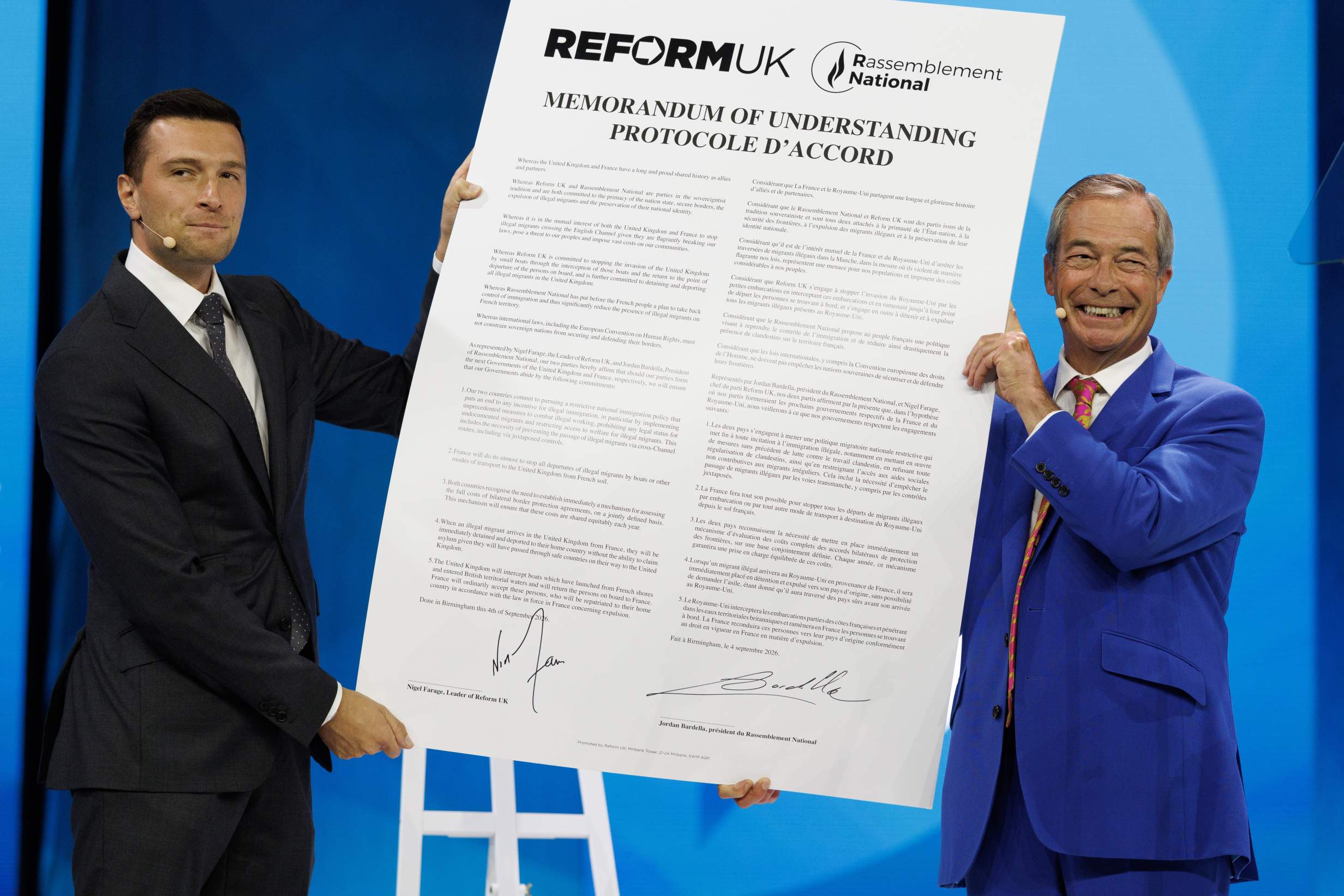



 Contribute to our #ReformUncovered crowdfunder
 Subscribers Get More from JOSIAH
 Subscribers Get More from JOSIAH
Josiah Mortimer also writes the On the Ground column, exclusive to the print edition of Byline Times.
So for more from him…
