
 Subscriptions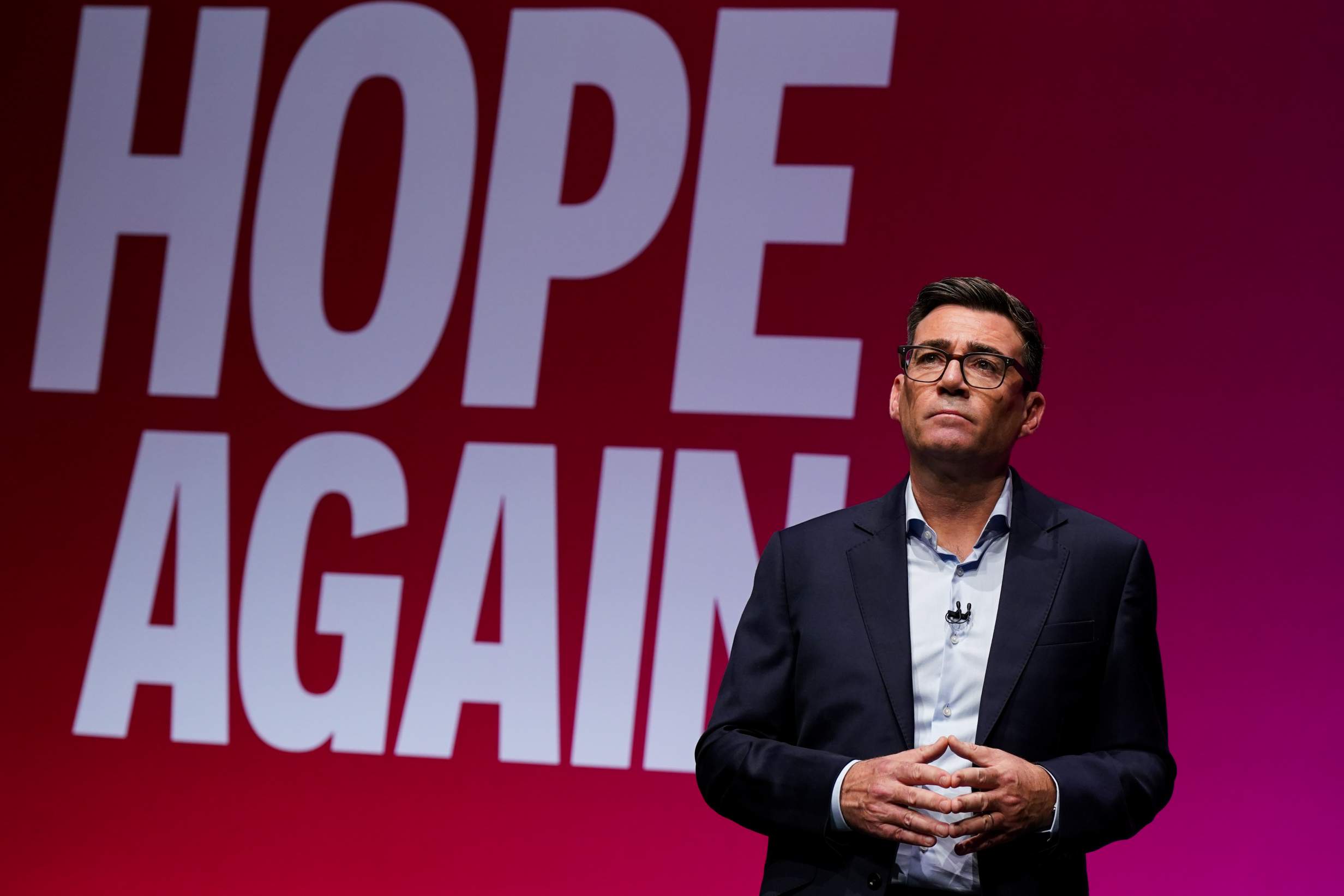
Read our Monthly Magazine
And support our mission to provide fearless stories about and outside the media system
Political conferences are meant to be about bringing parties together. Yet under Keir Starmer, Labour’s annual gathering often felt like it was about doing the complete opposite. Far from seeking to show that he understood his party’s hopes and fears, Labour’s former leader often appeared determined to demonstrate his indifference, and even contempt, towards them.
In his final conference speech, Starmer berated what he described as the “extreme” views of those to his left, who he dismissed as being “snake oil merchants” who hated their country.
When the then Mayor of Manchester Andy Burnham turned up to suggest that, just possibly, a Labour Government should do a few things that its own supporters actually wanted, he was roundly dismissed and mocked, with commentators suggesting that he had blown any chance of ever becoming Labour leader and Prime Minister.
Fast forward to today and Andy Burnham has just delivered a speech which promises to fulfil many of the things his own party have long hoped for.
A new national care service, free at the point of use would be created, Britain’s deeply unfair electoral system would be reformed, and its broken relationship with Europe repaired. Speaking with real emotion and power, Burnham did what his predecessor could never do, which was announce big decisions and then clearly argue the case for them.
“I won’t pretend some of this won’t be difficult,” he conceded, as he announced that the triple lock on pensions would be restricted, in order to pay for his new care service.
“I accept I may pay a political price, but someone has to go through the pain barrier and rip the plaster off.”
Ripping that plaster off could prove to be painful.
Most of what Burnham announced today will be complete anathema to the owners and editors of most British newspapers. Public ownership of national utilities, increased social housing and the effective expansion of the NHS into social care will be derided as a return to 1970s-style socialism and economic ruin. Every complaint by big business will be amplified and every slight shift in the cost of borrowing magnified. The same news outlets that greeted Liz Truss’ disastrous budget as a political triumph, will treat Burnham’s speech as a national calamity.
Burnham’s plans could face a public backlash too. When Starmer announced his own plans to cut winter fuel payments for pensioners it left a wound in his government’s reputation that would never be healed. His own much more significant plans for the triple lock, risk triggering an even bigger negative reaction.
Yet Burnham today gambled that his willingness to be honest about where he thinks the country has gone wrong and how he plans to set it right again, will ultimately be rewarded by a country wearied by a decade of national drift and decay.
“Britain has been on the wrong path for a long time,” he told his conference.
“Deindustrialisation, deregulation, privatisation, austerity, Brexit, and what has it given us? A country run for vested interest, not in the public interest, with power held in too few hands and too many places left to drift.
“I am ready to do things my predecessors wouldn’t. I will make a break with the direction of the past 40 years and put Britain on a new path, build a new economy and a new politics. That is the case I make to you today.”
The reality of Burnham’s programme for Govermment may not prove to be quite as radical as he made it sound. His plans for social care and electoral reform are all being shunted until after the next general election, while his changes to the triple lock are not set to fully kick in until next decade.
And while he took the big step of conceding that Brexit has “done more harm than good” he held back from signalling clearly that return to the EU will ever be on the cards.
Yet with the next general election potentially coming as early as next year, much of this could come into focus far sooner than it now appears.
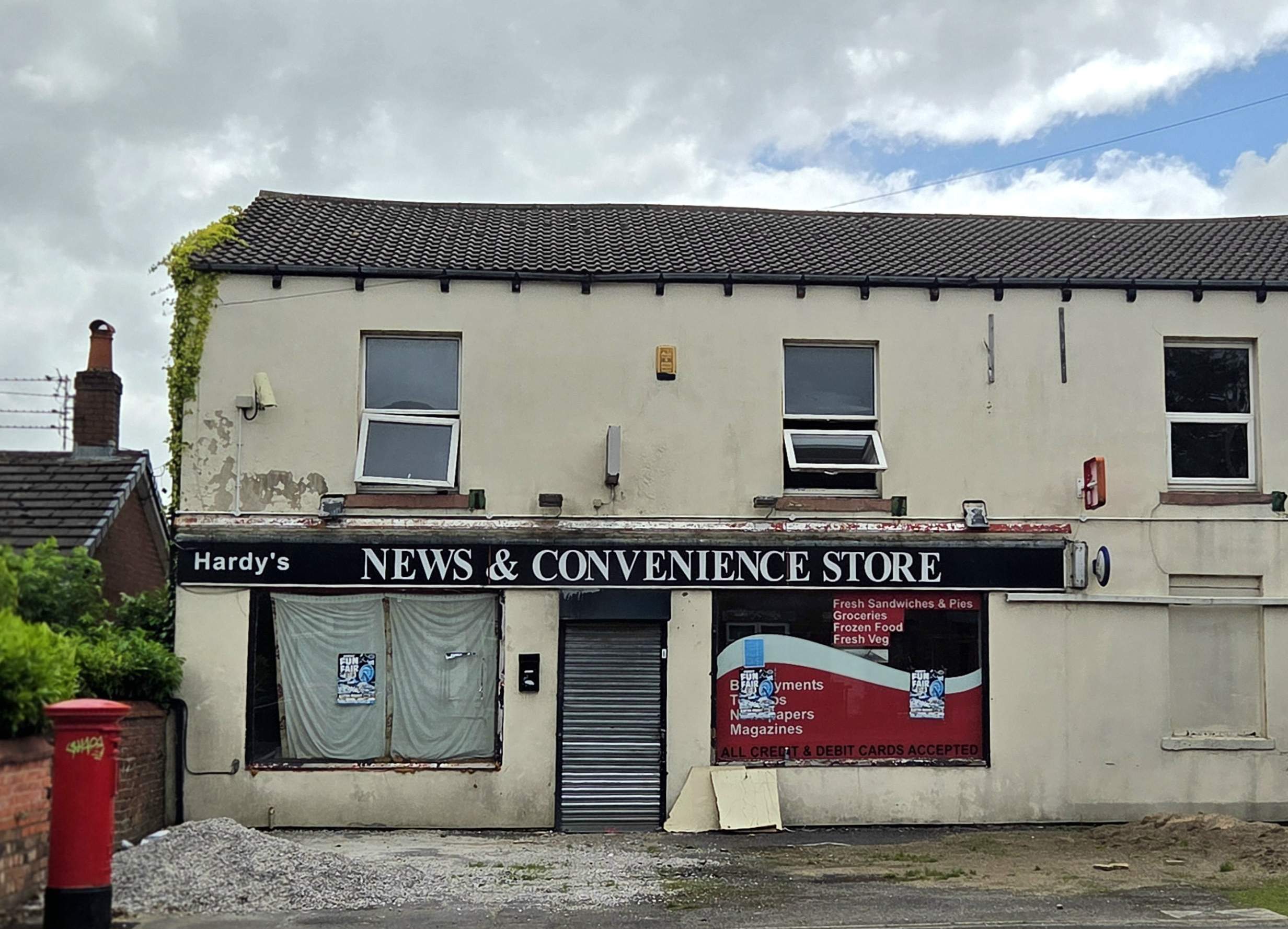
Burnham Wins in Makerfield: Can the ‘Politics of Place’ Now Offer an Antidote to the Poverty of Possibility?
Having been on Reform UK’s target list as a winnable seat, Andy Burnham’s new constituency is a microcosm of Brexit Britain and the failed legacies of Thatcher and Blair. Peter Jukes and Hardeep Matharu paid a visit ahead of its seminal by-election
A Human Touch
At times, when talking about his recently deceased father, Burnham became visibly emotional, pausing his speech for extended periods in order to fight back the tears.
Yet what came through clearly to his audience in those moments was the sense that this is a Prime Minister who actually believes in what he is saying and cares deeply about making it happen.
This care was not confected. As one figure close to Burnham told Byline Times, the Prime Minister spent many weeks carefully crafting this speech and the policies it contained. Unlike Starmer, who was often accused by his aides and colleagues of refusing to engage in the political side of his job, Burnham clearly takes it incredibly seriously and personally.
This is a change in approach that has been noticeable throughout this conference. Whether it was Ed Miliband telling pro-Palestinian protesters that “you were right” to oppose Israel’s actions in Gaza, or Shabana Mahmood’s apparent concessions on Labour’s previous plans to strip foreign care workers who have settled here of their leave to remain, Burnham and his ministers are clearly listening to their own party in a way that Starmer never did.
For years Labour members and supporters were told by Starmer and his team that the ideas they came into politics to support were mere “snake oil” suggestions that needed to be abandoned. The result was a massive fracturing in the party’s support to both the Greens and Reform, culminating in Labour’s worst ever local election results in May.
Burnham’s appointment as Prime Minister has significantly changed all that. With Labour now ahead in the polls once again and Reform in clear retreat, Burnham’s party are daring to “hope again” for a brighter future.
Such hope can only take them so far, however. In a month’s time the Chancellor John Healey will announce a Budget that is likely to contain incredibly difficult decisions on tax and spend that even Burnham will struggle to sell. Rising fuel prices caused by Trump’s war against Iran will put a hole in the Prime Minister’s plans that no amount of rhetoric will be able to fill.
The continued rise of organised far-right, of which Burnham had little to say today, is also likely to test Burnham’s plans to unite the country around a shared agenda.
Yet for the first time in a long time the Labour party now has a leader with a clear vision for the country and an apparent determination to both argue for it, and then see it implemented.
This is no small change.
Burnham’s internal critics have long accused him of being ‘Starmer with a Northern accent’ yet today he promised his party members that he will be a very different Prime Minister to his predecessor, in both style and substance.
In the coming months we should learn exactly how different he will prove to be.
ENJOYING THIS ARTICLE? HELP US TO PRODUCE MORE
Receive the monthly Byline Times newspaper and help to support fearless, independent journalism that breaks stories, shapes the agenda and holds power to account.
We’re not funded by a billionaire oligarch or an offshore hedge-fund. We rely on our readers to fund our journalism. If you like what we do, please subscribe.