
 Subscriptions
Read our Monthly Magazine
And support our mission to provide fearless stories about and outside the media system
At what point do we stop asking politicians nicely? New Electoral Commission figures show political parties accepted £14.2 million in donations excluding public funds between April and June this year, compared with £8.2 million during the same period last year.
That is a staggering 74% increase in a single year.
And look at the sums involved. Between April and June alone, crypto billionaire Ben Delo gave another £4 million to Reform UK, having already given the party £4 million in January. Gary Lubner and Lord David Sainsbury each gave £650,000 to Labour, while entrepreneur Ali Mosawi gave £550,000.
Overall, Reform received £5.3 million in donations excluding public funds in just three months, Labour £3.6 million and the Conservatives £2.8 million.
These are astonishing sums, and the timing could hardly be more striking. Coming one day after the Government finally acknowledged that domestic mega-donations are a problem and promised to tackle them “at pace”, we learn that £14.2 million poured into political parties in a single quarter, up 74% on the same period last year.
Big money in British politics isn’t slowing down while Westminster works out what to do about it. It is accelerating.
ENJOYING THIS ARTICLE? HELP US TO PRODUCE MORE
Receive the monthly Byline Times newspaper and help to support fearless, independent journalism that breaks stories, shapes the agenda and holds power to account.
We’re not funded by a billionaire oligarch or an offshore hedge-fund. We rely on our readers to fund our journalism. If you like what we do, please subscribe.
These are not normal political donations. They are sums that bear almost no relationship to the financial reality experienced by the overwhelming majority of people in this country.
We know Britain is facing a cost-of-living crisis. People are struggling with mortgages, rents, food and energy bills. Yet we maintain a political system in which the wealthiest people can exercise vastly more financial influence over our political parties than ordinary citizens could ever hope to.
And guess what? They don’t necessarily have the same interests.
Someone worrying about their energy bill cannot donate £1 million, £4 million or £10 million to a political party. The tiny number of people who can inhabit a very different economic world, with potentially very different interests on tax, wealth, property, regulation and public spending.
If you can’t afford the cost of living, you definitely can’t afford the cost of politics.
The public gets it. Fair Vote UK polling found that 92% of voters support some form of cap on political donations.
An Arms Race for Big Money
But these figures reveal something else too. British politics is becoming an arms race for big money.
When one party raises millions from mega-donors, its opponents face pressure to find wealthy donors of their own. Each party can justify accepting enormous cheques because the other side is doing it. Nobody wants to disarm first.
The result is a political system becoming increasingly dependent on a tiny group of people rich enough to bankroll it. That is precisely why voluntary restraint will never solve this. We need rules that apply to everyone.
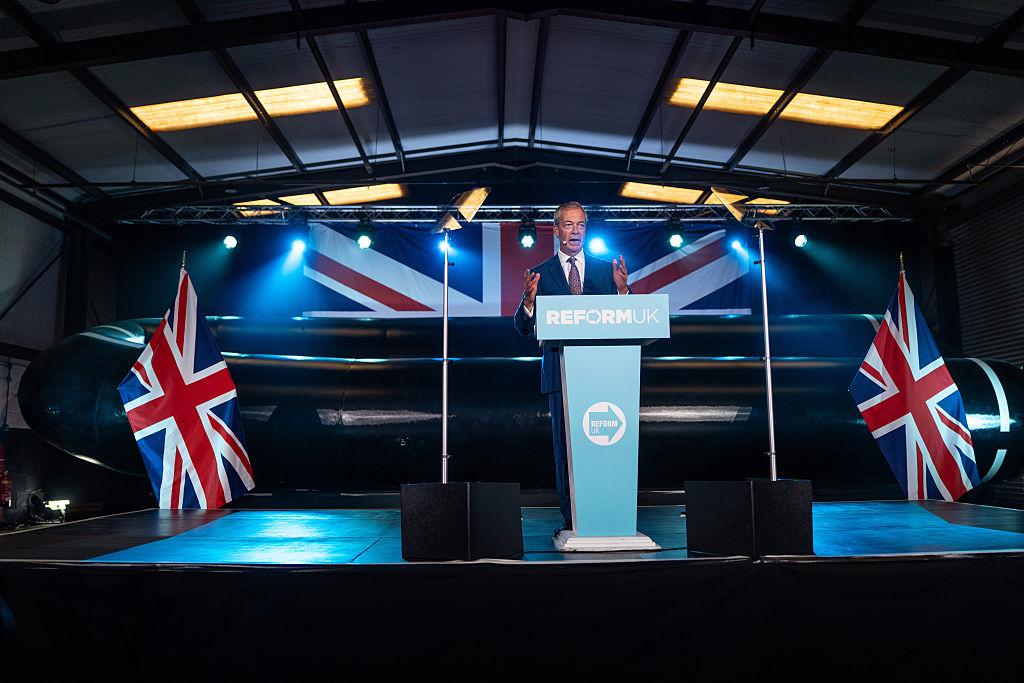
And the events of the past few days have shown just how urgent the wider question of political money has become. Reform UK is facing serious allegations following an undercover investigation that senior figures discussed ways an overseas backer could fund polling for the party and potentially route a £500,000 donation through a UK-based intermediary.
Reform denies wrongdoing and says it has taken no illegal money. Two senior figures have stepped down while the party investigates, and the allegations are being considered by the Electoral Commission and police.
Whatever those investigations ultimately conclude, the episode exposes the vulnerability of a political system awash with big money. Voters should not have to wonder who is really paying for political influence, whether money is coming through a conventional donation, polling or some other route. We need rules strong enough to make the answer clear.
Last week brought the first signs of movement. Stella Creasy MP withdrew her amendment to the Representation of the People Bill, following assurances that ministers would tackle mega-donations through a new cross-government taskforce.
The Government has therefore accepted the problem. Now it needs to solve it.
The Union Question
There are details to work through, including trade unions. But millions of working people pooling their resources collectively is fundamentally different from one extraordinarily wealthy individual writing a cheque for millions.
I strongly support trade unionism and the collective power of organised labour. That is precisely why I support a system in which nobody’s individual wealth can overwhelm everyone else’s collective voice. A cap is not anti-union. It is anti-oligarchy.
Nor is this about Reform, Labour or the Conservatives. If mega-donations are dangerous when one party benefits, they are dangerous when another does.
And if this week has demonstrated anything, it is that reform cannot stop at promises to tackle foreign interference while leaving the wider political money arms race intact. We need rules that deal with both.
The danger now is that the momentum for change disappears into another Westminster taskforce while the political money arms race accelerates.
A 74% increase in just one year should be a warning. Without reform, how much bigger will these numbers be by the next election?
The Government says it will work at pace. Good. Now turn that promise into a low, hard cap on political donations before the next election.
Kyle Taylor is director of Fair Vote UK.
Got a story? Get in touch in confidence on josiah@bylinetimes.com
holding farage to account #reformUNCOVERED
While most the rest of the media seems to happy to give the handful of Reform MPs undue prominence, Byline Times is committed to tracking the activities of Nigel Farage’s party when actually in power


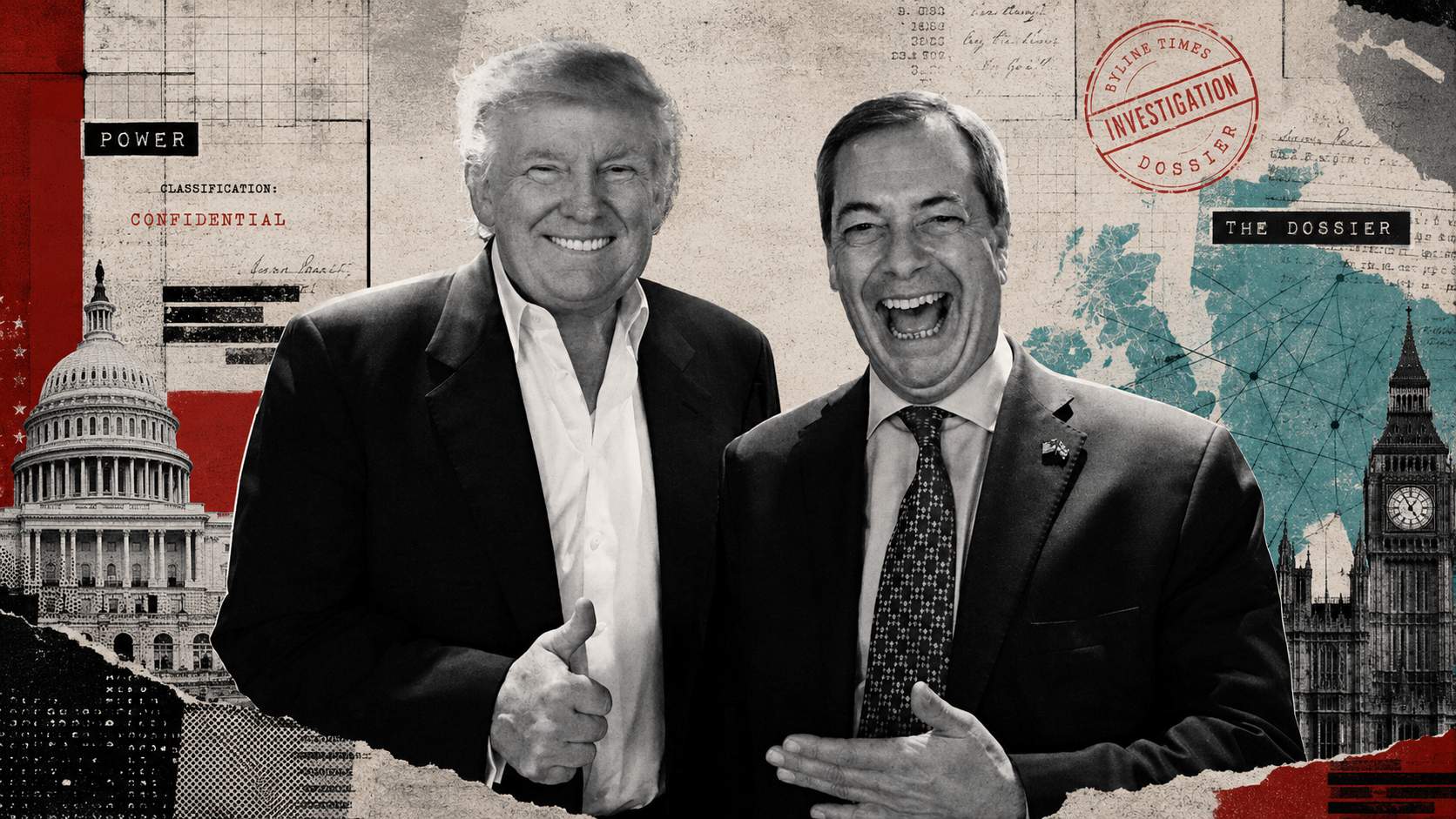
 Contribute to our #ReformUncovered crowdfunder
 Subscribers Get More from JOSIAH
 Subscribers Get More from JOSIAH
Josiah Mortimer also writes the On the Ground column, exclusive to the print edition of Byline Times.
So for more from him…
