
 Subscriptions
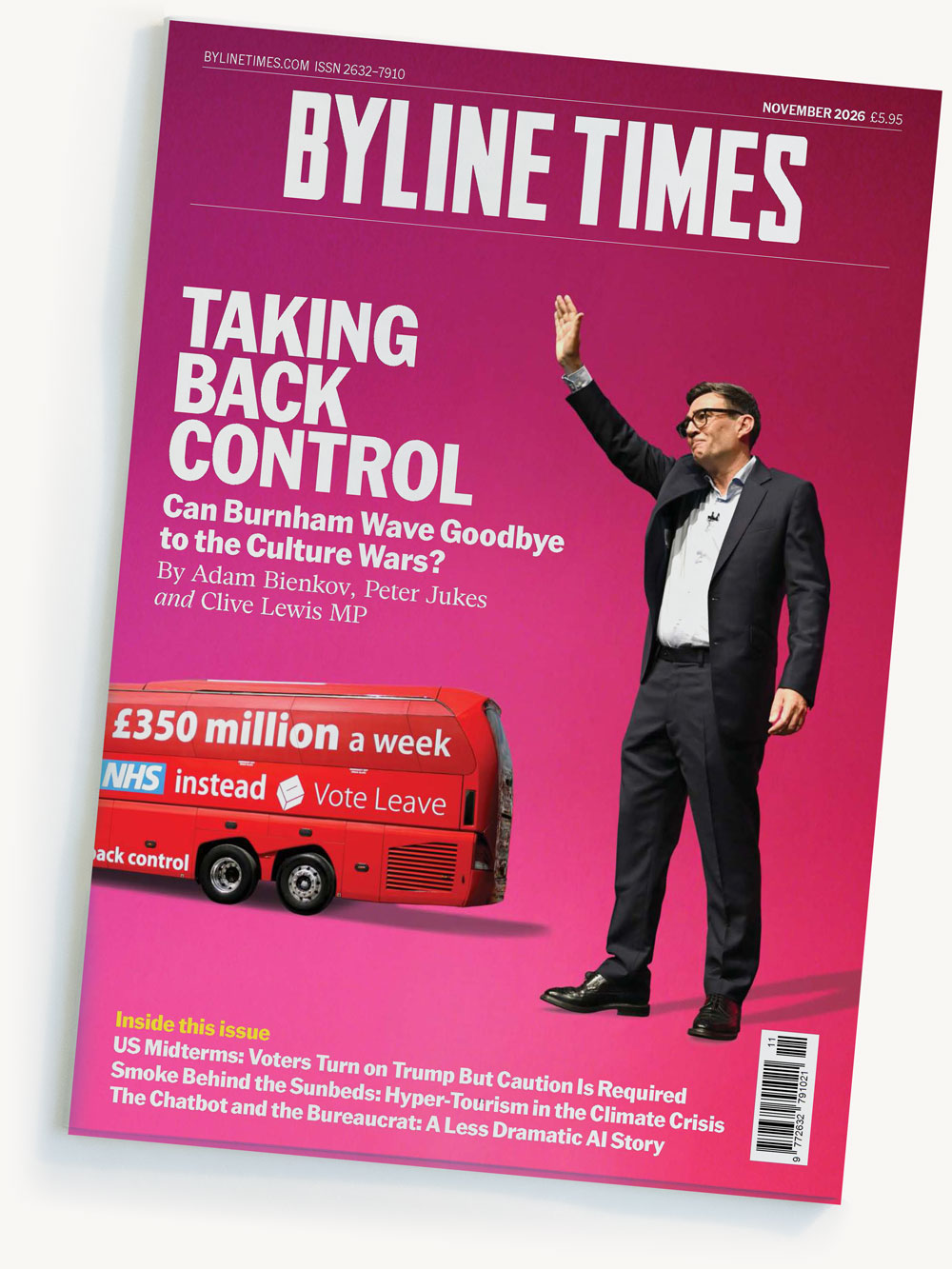
Read our Monthly Magazine
And support our mission to provide fearless stories about and outside the media system
Successive Government clampdowns on the right to protest have had a “chilling effect”, human rights campaigners have warned, as large parts of the UK remain in a state of drought, and wildfires continue to rage.
The human rights organisation Liberty argues that the Police, Crime, Sentencing and Courts Act 2022, the Public Order Act 2023, and the Crime and Policing Act 2026 have significantly curtailed the capacity of the climate movement to participate in protest and other forms of direct action.
The Acts include various new restrictions on protest and impose much harsher sentences for people who break these laws. For instance, people found to be in breach of the Public Order Act can also face unlimited fines.
In July 2024, five Just Stop Oil activists were sentenced to four to five years for conspiracy to cause a public nuisance under the Police, Crime, Sentencing and Courts Act, after discussing an M25 protest on Zoom. Following an appeal supported by Friends of the Earth and Greenpeace UK, the court found the sentences “manifestly excessive” and reduced them.
Hundreds more have been arrested for taking part in climate protests.
ENJOYING THIS ARTICLE? HELP US TO PRODUCE MORE
Receive the monthly Byline Times newspaper and help to support fearless, independent journalism that breaks stories, shapes the agenda and holds power to account.
We’re not funded by a billionaire oligarch or an offshore hedge-fund. We rely on our readers to fund our journalism. If you like what we do, please subscribe.
The most recent Home Office data on the use of protest powers was published earlier this year and found that since 2022, around 90% of the protests with police restrictions applied to them were ‘environment’ related.
Liberty has also raised concerns that the Crime and Policing Act 2026 was rushed through before the publication of Lord Macdonald’s Independent Review of Public Order and Hate Crime Legislation, which was commissioned by Keir Starmer’s Government and is expected to make key recommendations on reforming protest laws.
The campaigners argue that protest is critical to a healthy democracy and are urging the new Prime Minister to “change course” from previous governments.
A recent Ipsos poll showed that 74% of Britons are concerned about climate change following a severe heatwave summer, up from 69% before the summer.
In an interview with Byline Times, Melissa Dring, interim head of policy and campaigns at Liberty, said a spate of anti-protest laws have “layered on new restrictions, new offences and new penalties” onto protestors – from arrest and imprisonment to electronic tagging and unlimited fines in some circumstances – as well as giving police new powers to enforce the law.
“We’ve ended up with quite a confusing situation, both for protesters and for the police in terms of enforcing it. It’s difficult for people to know how to protest in a way that is within the bounds of the law, how to do so lawfully and safely. That’s why we say it has become harder and riskier for people to protest,” she said.
Don’t miss a story
Mask-Free Zones and New Offences
The recent Crime and Policing Act is now in force, giving police the power to designate an area as a mask-free zone, so that no one is allowed to wear a face covering within it.
Dring said: “There was a defence inserted for health, religious and work purposes – but it’s a defence, not an exemption. That means anyone who does wear a mask, for example for health purposes, and happens to be in an area designated as a mask-free zone, can be arrested, and only then, at charging stage or even at court, can they use that defence and say, ‘Well, I was wearing a mask for health reasons.’”
Other anti-protest laws – passed under both the Conservatives and Labour in recent years – mean “there’s a clear line to be drawn between those new restrictions and why we’re not seeing really big environmental protests,” according to Liberty.
The non-profit group has a legal team that provides advice to activists who want to know where the line is between legal and illegal protest. “That line is more and more difficult to explain,” Dring said.
There are also new provisions clamping down on “cumulative disruption”, which effectively bans repeat protests – “which is, of course, what makes protest successful in the first place,” Dring adds. “These are really significant new advances. Each time we’ve seen a new piece of legislation, there have been significant increases in restrictions and offences.”
“The balance has now tipped too far into protest being treated as something to be restricted and managed, rather than a fundamental right that is very important to democracy and should actually be protected and promoted by the government,” she said.
On the official Home Office figures showing that 90% of processions that have had police restrictions applied since 2022 were ‘environmental’, Dring notes that many of these were in 2022 and 2023: “You can see that [since then] the number of these has actually reduced quite significantly.”
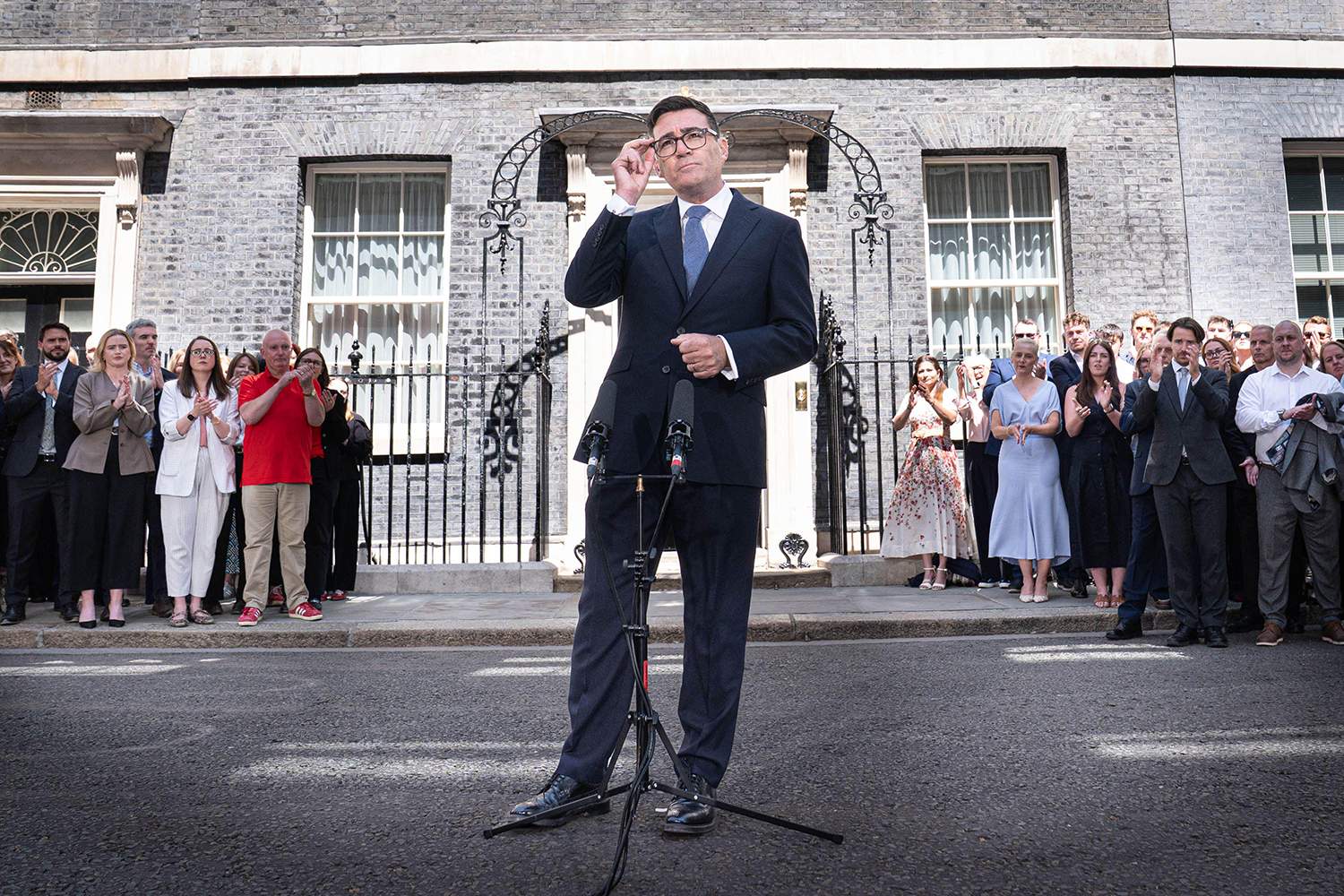
Is Andy Burnham About to Create a British Constitution?
The Prime Minister has just opened the door to a radical change to how we are governed, writes Anthony Barnett. Will he now walk through it?
Calls to Change Course
Ruth Ehrlich, director of external relations at Liberty, called for new Prime Minister Andy Burnham to “change course from his predecessors and start treating our right to protest like the important part of British democracy and culture that it is”.
Reshima Sharma, deputy head of politics at Greenpeace UK, added: “Protest movements have secured many of the environmental protections we enjoy today. From the creation of our national parks to the ban on fracking in the UK, it was ordinary people coming together to make their voices heard who paved the way for change.
“But the government’s crackdown on protest puts the creation of new movements for climate and nature at risk – at the very same time that the impacts of the climate emergency are greater and closer to home than ever.”
When the Bill was passed in April, Dal Babu, former Chief Superintendent at the Metropolitan Police, said in a Government press release it was “welcome”.
“It will help police to deal with the emerging problems of some demonstrators masking up to use anonymity to attack police and deliberately disrespect memorials to the dead.
“Although the majority of protestors are law-abiding, a hard core from across the political spectrum attend marches masked up, with pyrotechnics designed to attack police and oppositions. The new legislation will help deal with this worrying trend.”
A Home Office spokesperson told this outlet: “Following representations from the police and local communities affected by repeated, large protests, we granted officers the powers needed to manage protests safely.
“In October 2025, the Home Secretary asked Lord Macdonald to lead an independent review of public order and hate crime legislation to ensure it is fit for purpose and adequately protects communities from disruption, intimidation and hatred. This will be published in due course.”
Lord Macdonald’s review into protest laws will assess whether the legislation is fit for purpose, whether it adequately protects communities from intimidation and hate, and whether it strikes a fair balance between freedom of expression and the right to protest with the need to prevent disorder and keep communities safe.
Got a story? Get in touch in confidence on josiah@bylinetimes.com
holding farage to account #reformUNCOVERED
While most the rest of the media seems to happy to give the handful of Reform MPs undue prominence, Byline Times is committed to tracking the activities of Nigel Farage’s party when actually in power


 Contribute to our #ReformUncovered crowdfunder
 Subscribers Get More from JOSIAH
 Subscribers Get More from JOSIAH
Josiah Mortimer also writes the On the Ground column, exclusive to the print edition of Byline Times.
So for more from him…
